• info@drtint.co.nz
  •  ( Mon-Sat ) 8:00AM - 6:00PM ( Sunday Closed )
understanding-the-legal-aspects-of-car-window-tinting-in-tauranga.webp

Understanding the Legal Aspects of Car Window Tinting in Tauranga

10 Jul 2023, By Admin

Car window tinting has become a popular choice for vehicle owners in Tauranga, offering various benefits such as enhanced privacy, protection against harmful UV rays, and improved aesthetics. However, it is important to understand the legal aspects surrounding car window tinting to ensure compliance with local regulations. In this blog post, we will delve into the legal guidelines for car window tinting in Tauranga and provide you with valuable information to make informed decisions.

1. Familiarize Yourself with the Regulations

Before diving into car window tinting, it's crucial to be aware of the specific legal requirements in Tauranga. Each region may have its own set of regulations, so it's important to research and understand the guidelines specific to this area. Familiarize yourself with the allowable levels of tint darkness and reflectiveness to ensure compliance.

2. Light Transmission Laws

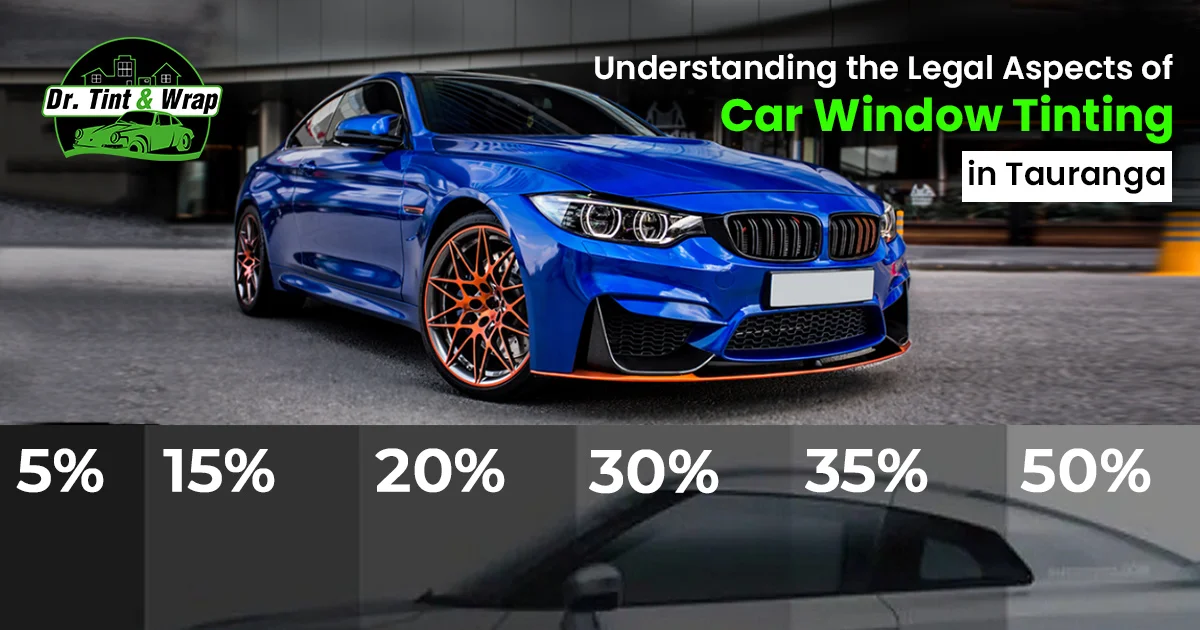
One of the key factors in car window tinting regulations is light transmission, often measured as a percentage. The lower the percentage, the darker the tint. In Tauranga, the allowable light transmission levels for car window tints may vary for different windows. For instance, the front windshield usually requires a higher light transmission compared to the rear windows. Understanding these variations is essential to avoid potential legal issues.

3. Visible Light Reflectance Limits

Apart from light transmission, Tauranga's regulations also impose limits on the amount of visible light reflectance that car window tints can have. Reflective tints can significantly impact the visibility of other drivers, potentially causing hazards on the road. Therefore, it's crucial to adhere to the specified limits to maintain road safety.

4. Certification and Compliance

When getting your car windows tinted in Tauranga, it's essential to choose a reputable service provider that uses tint films that comply with local regulations. Certified professionals will ensure that the tinting job meets the legal requirements, giving you peace of mind and minimizing the risk of penalties or fines.

5. Warranties and Documentation

To demonstrate compliance with the legal aspects of car window tinting, it's essential to keep the necessary documentation. This includes warranties for the tint films used and certificates of compliance provided by the service provider. These documents can serve as proof of compliance in case of inspections or any legal inquiries.

6. Regular Inspections and Maintenance

Even if your car window tints comply with the regulations at the installation time, it's important to maintain compliance in the long run. Regular inspections can help identify any issues such as peeling, bubbling, or fading of the tint film. If you notice any problems, promptly address them by consulting a professional to ensure that your car remains within legal limits.

Dr. Tint & Wrap excels in providing the finest car window tinting services in Tauranga, ensuring strict compliance with government laws for car window tinting in the area. Their expertise and attention to detail make them the top choice for anyone seeking professional car window tinting in Tauranga. Understanding the legal aspects of car window tinting in Tauranga is crucial to ensure compliance with local regulations and avoid potential penalties. By familiarizing yourself with the guidelines regarding light transmission, visible light reflectance, certification, and documentation, you can enjoy the benefits of window tinting while staying on the right side of the law. Remember to choose a reputable service provider, maintain proper documentation, and conduct regular inspections to ensure your car's window tinting remains in compliance with the law.

Why Tinting your car's windows can prove to be a boon for your leather upholstery?

Can I Tint My Car's Windscreen in New Zealand?

10 Jul 2023, By Admin

Car windscreen tinting in New Zealand is subject to specific regulations to ensure safety and compliance with the law. According to New Zealand's Land Transport Rule, tinting on the front windscreen is generally restricted. A clear strip at the top of the windscreen, often referred to as a Sun strip, is permissible but must not exceed 100mm in width. This strip helps reduce glare from the sun while driving. For the rest of the windscreen, a minimum of 70% Visible Light Transmission (VLT) is required, meaning the tint must allow at least 70% of light to pass through. These regulations are in place to ensure drivers maintain clear visibility for safe driving conditions. Before proceeding with car windscreen tinting, it is crucial to consult with professional tinting services to ensure your vehicle adheres to these legal requirements.

Understanding Car Windscreen Tint Regulations

In New Zealand, the Land Transport Rule: Vehicle Equipment and Inspection (2004) sets out clear guidelines regarding the tinting of car windows, including the windscreen. According to these regulations, there are strict rules about how much tinting is allowed on the windscreen to ensure driver visibility and road safety.

Key Regulations for Windscreen Tinting:

  1. Visibility Requirements: The most crucial regulation is that the windscreen must allow a certain level of light transmission. The rule generally states that the windscreen must allow at least 70% of light to pass through. This ensures that drivers have an unobstructed view of the road and surroundings.
  2. Tinted Bands: While full tinting of the windscreen is not permitted, you can apply a tinted band to the top of the windscreen. This band, also known as a Sun strip, helps to reduce glare from the sun without compromising visibility. The band must be positioned above the line of sight and should not exceed a certain percentage of the windscreen’s total area.
  3. Quality of Tint Film: Any tint film used on the windscreen must comply with New Zealand standards and should not interfere with the vehicle's safety features, such as airbags or sensors. It's important to choose a high-quality tint film that meets these standards to avoid any legal issues.

Why Consider Tinting Your Windscreen?

While the full tinting of the windscreen is restricted, a tinted sunstrip can offer several benefits:

  • Reduced Glare: A tinted sun strip can significantly reduce glare from the sun, improving driving comfort and safety during sunny conditions.
  • Heat Reduction: Tinted bands can help reduce the amount of heat that enters your vehicle, making it more comfortable during hot days.
  • UV Protection: Tinted films can block harmful UV rays, protecting the interior of your car from fading and damage.

Choosing a Professional Tinting Service

If you’re considering adding a tinted band to your windscreen, it’s best to consult with a professional tinting service. They will ensure that the tint complies with New Zealand regulations and is applied correctly. Professional tinting services can also offer advice on the best type of tint film to use and can help you choose a solution that meets your needs while adhering to legal requirements.

Conclusion

In summary, while full tinting of your car's windscreen is not allowed in New Zealand, you can apply a tinted band to the top of the windscreen to reduce glare and enhance comfort. It’s essential to adhere to the regulations regarding light transmission and the quality of tint film to ensure safety and compliance. If you’re considering this enhancement, consult with a professional to get the best results and avoid any legal issues. By understanding and following these guidelines, you can enjoy the benefits of car windscreen tinting while staying within the legal limits.

See More

Why Tinting your car's windows can prove to be a boon for your leather upholstery?

The Ultimate Guide to Car Wrapping: Importance & Tips

10 Jul 2023, By Admin

If you're a car enthusiast looking to give your ride a unique and personalized touch, car wrapping can be an excellent option. Car wrapping is the process of applying a vinyl film onto the surface of a vehicle, completely transforming its appearance. It allows you to change the color, add the finishing, and even add custom graphics or designs to your car, creating a true masterpiece that reflects your style and personality. In this blog post, we will explore the world of car wrapping and how it can elevate your car enthusiast game to the next level.

Importance of Car Wrapping?

Car wrapping has become increasingly popular among car enthusiasts for several compelling reasons,

Customization - Car wrapping allows you to completely transform the appearance of your vehicle. With a wide range of colors, textures, and finishes available, you can create a unique and personalized look that reflects your style and personality. It gives you the opportunity to customize your vehicle without the permanence of a traditional paint job, making it a flexible option for those who like to change up their vehicle's appearance.

Protection - Car wraps provide a layer of protection to your car's original paint. The vinyl material used in car wraps acts as a barrier against minor scratches, chips, and fading from UV rays, helping to preserve the condition of your car's paint and keeping it looking newer for longer. This can be particularly beneficial if you want to maintain your car's resale value or lease a vehicle and want to protect it during the lease period.

Versatility - Car wraps can be used for a variety of purposes beyond just changing the color of your car. They can be used for advertising, business branding, or promoting a cause or event. Car wraps provide a cost-effective and attention-grabbing way to market your business or create awareness for a cause, as they turn your vehicle into a moving billboard that can reach a wide audience.

Reversibility - Unlike traditional paint jobs, car wraps are not permanent and can be easily removed without damaging your car's original paint. This means you can change or remove the wrap whenever you want, allowing for flexibility and versatility in your vehicle's appearance. It also means that if you're planning to sell your car or return a leased vehicle, you can remove the wrap and restore it to its original condition.

Cost-effective - Car wrapping can be a more cost-effective option compared to a traditional paint job, especially for complex designs or multiple color changes. The cost of a car wrap depends on factors such as the size of the vehicle, the type of wrap material used, and the complexity of the design. However, compared to the cost of a full repaint, car wrapping can be more budget-friendly while still providing a high-quality, customizable finish.

Non-permanent - Car wraps are a non-permanent option, which means you can experiment with different looks and styles without committing to a permanent change to your car's appearance. This gives you the freedom to try out different colors, finishes, and designs, and easily revert to the original look if you wish.

Tips for Car Wrapping Enthusiasts

If you're considering car wrapping for your vehicle, here are some tips to keep in mind:

Choose a Professional Installer - Car wrapping is a complex process that requires skill and experience. It's important to choose a professional installer who has a proven track record of quality work. Look for reviews, ask for recommendations, and check their portfolio before making a decision.

Decide on the Type of Wrap - There are different types of car wraps available, including vinyl wraps, color change wraps, and clear wraps. Consider your budget, desired look, and durability requirements when choosing the type of wrap that's best for your car.

Prepare Your Car - Before applying the wrap, make sure your car's surface is clean and free of any dirt, debris, or wax. A clean surface will ensure proper adhesion of the wrap and result in a smooth finish. Also, remove any accessories or trim that may interfere with the wrapping process.

Choose High-Quality Materials - Opt for high-quality vinyl materials for your car wrap. High- quality materials are more durable, resistant to UV rays, and can withstand the elements better, ensuring your wrap will last longer and look better.

Consider Maintenance - Car wraps require regular maintenance to keep them looking their best. Follow the manufacturer's instructions for care and maintenance, which may include avoiding harsh chemicals, hand washing, and avoiding high-pressure car washes.

Be Mindful of Environmental Factors - Extreme temperatures, prolonged exposure to sunlight, and harsh weather conditions can affect the lifespan of your car wrap. Parking your car in shaded areas, using a car cover, and avoiding harsh environmental conditions can help prolong the lifespan of your car wrap.

Avoid DIY Wrapping - Car wrapping is a skilled trade that requires proper training and experience. Attempting to wrap your car yourself without the proper knowledge and tools can result in a subpar finish and damage to your car's paint. It's best to leave car wrapping to the professionals.

Plan for Removal - Car wraps are not permanent and will eventually need to be removed. Plan for the removal process and be prepared for the possibility of minor paint touch-ups after removal. It's important to follow the manufacturer's instructions for proper removal to avoid damaging your car's paint.

Get a Warranty - Look for a professional installer who offers a warranty on their workmanship and the materials used. A warranty can provide you with peace of mind and protection against any potential issues with your car wrap.

Dr. Tint & Wrap is a professional and one of the leading car wrapping service providers in New Zealand. At Dr. Tint & Wrap, we take total care of all the mentioned tips and strictly follow local laws and regulations regarding car wraps, including restrictions on colors, designs, and placement of wraps. Some areas may have specific rules and regulations that need to be followed to avoid any legal issues.

See More

Why Tinting your car's windows can prove to be a boon for your leather upholstery?

Why You Should Consider Home Window Tinting for Privacy ?

10 Jul 2023, By Admin

Privacy is a fundamental aspect of our daily lives. It allows us to feel safe, secure, and comfortable in our own homes. When it comes to windows, they are an essential part of any home, providing natural light, ventilation, and views of the outside world. However, they can also be a source of privacy concerns, especially if you live in a densely populated area or have windows facing a busy street. This is where home window tinting can come to the rescue. Home window tinting is a process that involves applying a thin film to your windows, which can help regulate the amount of sunlight that enters your home, while also providing privacy. In this blog post, we will explore the benefits of home window tinting for privacy and how to balance natural light and privacy needs.

Why is Privacy Important?

Privacy is important for several reasons. Firstly, it provides a sense of security and peace of mind. Knowing that you can enjoy your personal space without the prying eyes of others is crucial to feeling comfortable in your own home. Secondly, privacy protects your personal information and belongings from potential intruders. It also helps prevent identity theft and keeps your home safe from burglaries. Lastly, privacy allows you to have personal moments with your loved ones without feeling exposed to the outside world.

The Benefits of Home Window Tinting for Privacy

Home window tinting offers several benefits when it comes to privacy:

Enhanced Privacy: Window tinting films come in various opacities, ranging from translucent to opaque. This means you can choose a film that meets your privacy needs, allowing you to enjoy natural light while maintaining privacy. Tinted windows prevent outsiders from looking into your home, protecting your personal space.

Daytime Privacy: Home window tinting allows you to enjoy natural light during the day without compromising your privacy. You can go about your daily activities without feeling exposed to the outside world, making your home a more comfortable and private space.

Glare Reduction: Window tinting films can reduce glare caused by direct sunlight, making it easier to work on screens, watch TV, or simply relax without squinting or straining your eyes. This enhances your privacy by preventing outsiders from seeing what you are doing inside your home.

UV Radiation Protection: Home window tinting can block up to 99% of harmful UV rays from entering your home. UV rays can cause furniture, flooring, and other belongings to fade or deteriorate over time. Tinted windows help protect your belongings from UV radiation, prolonging their lifespan and ensuring privacy by preventing outsiders from seeing the inside of your home.

Energy Efficiency: Window tinting films can also help regulate the temperature inside your home, reducing the need for artificial cooling or heating. This can result in energy savings and lower utility bills. Additionally, energy-efficient windows can provide privacy by reducing the need for curtains or blinds, allowing you to enjoy natural light without sacrificing privacy.

See More

Feedback
   Feedback    Call Now