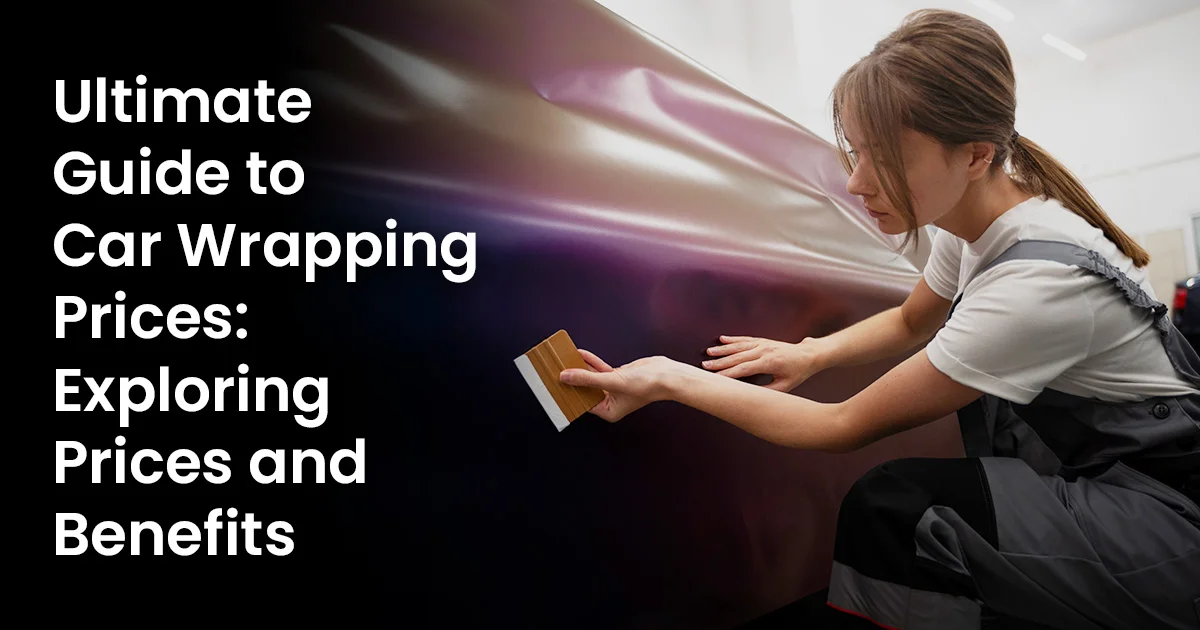
Car wrapping has become a popular method for enhancing the appearance of vehicles, protecting the original paint, and even advertising a business. It offers a cost-effective way to transform your car's aesthetics without the need for expensive paint jobs. However, when considering car wrapping, it's crucial to understand the various factors that influence the prices involved. In this ultimate guide to car wrapping prices, we will explore the different aspects that affect the cost and delve into the numerous benefits that come with this vehicle customization method.
Size and Type of Vehicle: The size and type of your vehicle play a significant role in determining the cost of car wrapping. Larger vehicles, such as SUVs or vans, require more material and labor, which can result in higher prices compared to smaller cars.
Material Quality: The quality and brand of the vinyl wrap used can significantly impact the cost. Higher quality materials tend to be more durable, provide better color options, and offer additional features like protection against UV rays or self-healing properties. While they may be pricier, they often offer superior longevity and performance.
Complexity of Design: If you opt for a custom design or intricate patterns that require precise installation, the complexity of the design will influence the overall cost. Simple, solid-color wraps tend to be more affordable, while complex designs, logos, or full-vehicle wraps require more time and expertise, resulting in higher prices.
Finish and Specialty Options: Car wraps come in various finishes, including gloss, matte, satin, metallic, chrome, and textured. Specialty options like carbon fiber or color-changing wraps may come at a premium due to the unique materials and manufacturing processes involved.
Aesthetics and Customization: Car wrapping allows you to customize your vehicle's appearance according to your preferences. With a wide range of colors, finishes, and designs available, you can create a unique look that reflects your style. Moreover, wraps can be easily removed, giving you the flexibility to change the design whenever you desire.
Paint Protection: Vinyl wraps act as a protective layer for your vehicle's original paintwork, shielding it from minor scratches, stone chips, and sun damage. This helps maintain the vehicle's resale value by preserving the pristine condition of the paint beneath.
Advertising and Business Promotion: For businesses, car wraps provide an excellent opportunity for advertising and brand promotion. Wrapping your company vehicles with your logo, contact information, and branding elements turns them into mobile billboards, effectively spreading your message wherever you go.
Cost-Effective Solution: Compared to traditional paint jobs, car wrapping offers a more affordable option for changing the vehicles appearance. It allows you to achieve a high-quality finish without the labor- intensive and expensive process of repainting. Car wrapping prices vary depending on factors such as vehicle size, material quality, design complexity, and specialty options. By considering these elements, you can determine the cost involved in transforming your vehicles appearance. Additionally, car wrapping provides numerous benefits, including customization options, paint protection, advertising opportunities, and cost-effectiveness. Whether you want to revamp your car's look, protect its paint, or promote your business, car wrapping offers a versatile and appealing solution. Remember, when considering car wrapping, it is essential to consult with professional wrap installers to ensure a high-quality and long-lasting result that meets your expectations and budget. Dr. Tint & Wrap offers professional Car Wrapping services in Hamilton, Rotorua, and Tauranga, providing a seamless and durable solution to transform the appearance of vehicles with precision and expertise. With a focus on quality materials and meticulous attention to detail, their team ensures a stunning and long-lasting finish that enhances the aesthetic appeal and protection of every clients vehicle.
Car wrapping has become an increasingly popular option for vehicle owners who want to give their cars a unique appearance or protect their original paintwork. However, one common question that arises when considering car wrapping is, "How much does it cost?" Car wrapping prices can vary significantly depending on several factors. In this blog post, we will demystify car wrapping prices and explore the key factors that influence the cost.
The choice of wrap material plays a crucial role in determining the cost of car wrapping. There are various options available in the market, ranging from basic vinyl wraps to premium-grade materials. The quality, durability, and finish of the wrap material directly affect the price. High- quality materials tend to be more expensive, but they offer better longevity and superior aesthetics.
The size and complexity of the vehicle are essential considerations in pricing car wrapping services. Larger vehicles such as trucks, SUVs, or vans require more material and labor, resulting in higher costs compared to smaller cars. Similarly, vehicles with intricate body designs, curves, and contours demand additional time and expertise ensure a seamless installation, which can affect the overall pricing.
Another factor that impacts car wrapping prices is whether you opt for a partial also known as only roof and bonnet wrap or full wrap. A full wrap covers the entire vehicle, including the roof, hood, trunk, and all the body panels. Partial wraps, on the other hand, cover only specific areas of the car. Naturally, a full wrap requires more material and labor, leading to a higher cost compared to a partial wrap.
If you desire a customized design or graphics on your car wrap, the cost will be influenced by the complexity and intricacy of the design. Custom artwork, logos, or intricate patterns require specialized skills and precision, which may result in additional charges. The more detailed and elaborate the design, the higher the cost will be.
Additional services, such as surface preparation, paint protection, and removal of previous wraps, can also impact the overall car wrapping price. Proper surface preparation, including cleaning, degreasing, and removal of any contaminants, is vital for achieving a smooth and long-lasting finish. Paint protection films or clear coats may be recommended to enhance the durability of the wrap, but they can add to the cost.
Car wrapping prices can also vary based on the geographic location. Costs tend to be higher in urban areas or regions with a higher cost of living. Additionally, market competition and local demand can influence pricing. It is advisable to research multiple providers in your area to get a better understanding of the prevailing rates.
Car wrapping prices can vary significantly depending on various factors such as the type of wrap material, the size and complexity of the vehicle, the extent of coverage, custom design requirements, additional services, and geographic location. It is crucial to consider these factors when estimating the cost of car wrapping. To ensure a successful and satisfactory outcome, it is recommended to consult with professional car wrapping providers who can provide accurate pricing information based on your specific requirements. Dr. Tint stands out as a leading provider of top-notch car and vehicle wrapping services, offering the best quality and competitive prices in Hamilton, Rotorua, and Tauranga. Remember, investing in quality materials and expert installation is key to achieving a stunning and long-lasting car wrap.
Car window tinting not only enhances the look of your vehicle but also offers several practical benefits, such as UV protection, heat reduction, and privacy. However, to ensure that your tinted windows remain in top condition and last for a long time, proper care and maintenance are essential. Here’s a comprehensive guide on how to care for your car’s tinted windows.
After installing car window tinting, it's crucial to wait at least a few days before cleaning the windows. This allows the tint to fully adhere to the glass. Touching or cleaning the tint prematurely can cause bubbles or peel the film off the window.
When cleaning tinted windows, avoid using ammonia-based cleaners, as ammonia can break down the tint and cause discoloration. Instead, opt for a mild, non-abrasive soap mixed with water or a cleaner specifically designed for tinted windows. You can also use a vinegar and water solution as a natural alternative.
Always use a soft cloth or sponge when cleaning tinted windows. Abrasive materials like paper towels or scrubbing pads can scratch the tint. Microfiber cloths are ideal because they are gentle and effective at removing dirt and smudges without causing damage.
When cleaning your tinted windows, apply the cleaning solution to the cloth rather than directly onto the window. This helps to control the amount of liquid and prevents it from seeping into the edges of the tint, which can cause peeling. Wipe the windows in a gentle, circular motion to avoid putting too much pressure on the tint.
Regularly cleaning your tinted windows helps maintain their appearance and functionality. Dust, dirt, and grime can build up over time, potentially causing scratches if not removed. Aim to clean your windows at least once a month or more frequently if you live in a particularly dusty or polluted area.
For the first few days after getting your car windows tinted, avoid rolling them down. The adhesive needs time to cure, and rolling down the windows can cause the tint to peel or bubble.
Be careful when using seatbelts, loading items into your car, or performing any actions that might come into contact with your tinted windows. Seatbelts can snap back and hit the windows, causing scratches or other damage to the tint. Similarly, avoid placing objects against the windows that could potentially scratch or damage the film.
Regularly inspect your tinted windows for any signs of damage, such as bubbles, peeling, or scratches. Early detection can help prevent minor issues from becoming major problems. If you notice any significant damage, it may be necessary to consult a professional to repair or replace the tint.
While car window tinting is designed to reduce heat and UV exposure, excessive direct sunlight can still cause wear over time. Whenever possible, park your car in shaded areas or use a sunshade to protect your windows and extend the life of your tint.
If you're unsure about how to care for your tinted windows or if you encounter any issues, don’t hesitate to seek professional help. Professional installers can provide maintenance tips and repair services to keep your tint in excellent condition.
Proper care and maintenance of your car window tinting are crucial to ensuring its longevity and effectiveness. By following these simple guidelines, you can keep your tinted windows looking great and performing well for years to come. Remember, the key is to be gentle, use the right products, and maintain a regular cleaning schedule. Enjoy the benefits of your tinted windows, from enhanced privacy to UV protection, and keep them in top-notch condition with these easy tips.
In recent years, automotive enthusiasts and car owners alike have been raving about the benefits of ceramic coatings. This revolutionary protective solution has gained popularity for its ability to enhance a vehicle's appearance and provide long-lasting protection. However, one common question that often arises is, "How much does a ceramic coating cost?" In this blog, we will delve into the factors influencing the cost of ceramic coatings and help you understand what to expect when considering this investment for your vehicle.
Before we dive into the cost, let's briefly understand what ceramic coating is. Ceramic coating is a liquid polymer applied to the exterior surfaces of a vehicle. Once cured, it forms a protective layer that shields the paint from various environmental contaminants such as dirt, bird droppings, UV rays, and more. The result is a glossy finish and enhanced durability that can last for several years.
In conclusion, the cost of ceramic coating varies based on several factors, including the type of coating, brand reputation, application method, vehicle size, and paint condition. While it may seem like a significant investment upfront, many car owners find that the long-term benefits, including enhanced aesthetics and protection, outweigh the initial cost.
Before making a decision, it's crucial to research different ceramic coating options, read reviews, and consider your budget. Whether you choose a professional application or a DIY kit, investing in ceramic coating can ultimately contribute to the longevity and resale value of your vehicle, making it a worthwhile consideration for automotive enthusiasts and those looking to protect their investment.