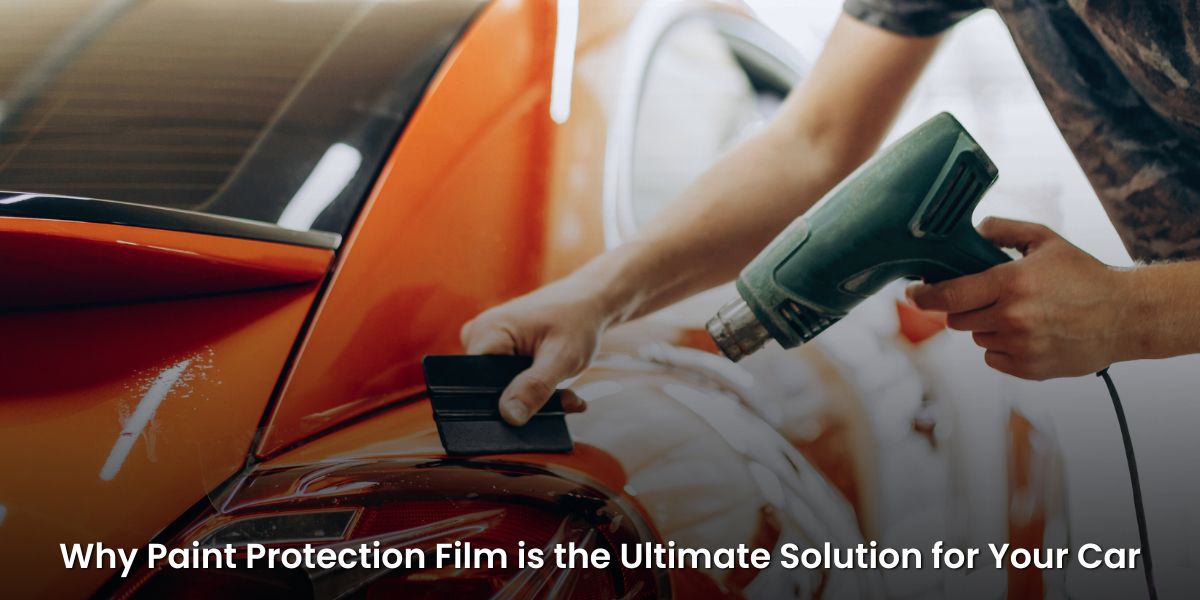
Owning a car is a significant investment, and maintaining its pristine condition is a priority for many car enthusiasts. With various options available for car paint protection, choosing the right one can be challenging. Among these options, Paint Protection Film (PPF) stands out as the best choice. Here’s why Paint Protection Film is the ultimate solution for car paint protection.
In summary, Paint Protection Film offers an array of benefits that make it the best choice for car paint protection. Its superior defense against physical and chemical damage, self-healing properties, UV protection, and long-lasting durability ensure that your car remains in pristine condition. With its clear and invisible application, ease of maintenance, and customizable coverage, PPF stands out as the ultimate solution for preserving the beauty and value of your vehicle. Investing in Paint Protection Film is a smart decision for any car owner who wants to keep their car looking new for years to come.
Considering giving your car a fresh look? Wrapping cars might be the solution you're seeking. With a plethora of colors and designs to choose from, and the option to customize your own, personalizing your car has never been more convenient. However, before you invest your money - and potentially your time, especially if you're inclined to try it yourself - let's delve into the advantages and disadvantages of wrapping cars.
The choice of materials and the application technique you adopt play crucial roles in determining the final outcome of your car wrap. To provide you with a comprehensive understanding, we, along with insights from our Chips Away technicians, aim to outline all the positive and negative aspects associated with wrapping cars.
Now a well-wrapped car can fool most onlookers
You receive the quality commensurate with your investment.
Not all wraps are made equal," emphasizes Steve Perkins, a ChipsAway specialist covering the Hartlepool area. If you're contemplating wrapping your car on a budget, it's crucial to recognize that the quality of the wrap correlates directly with the cost. Opting for a do-it-yourself approach with a cheap wrap might seem like a cost-saving strategy, but it often results in a less satisfactory finish compared to trade wraps or those known for their superior quality.
Steve, who describes himself as a novice in the wrapping realm, points out that "[a] trade quality product is often quite amenable to self-healing." This implies that with gentle heat, minor scratches, and even holes can "melt" away, allowing the wrap to "self-heal." This advantageous feature is not always present in lower-quality products, underscoring the importance of considering the potential drawbacks when contemplating a home kit instead of seeking professional expertise.
When it comes to enhancing your home's comfort, privacy, and energy efficiency, HOME WINDOW TINTING has become an increasingly popular option. Tinted windows offer a range of benefits, but they also come with some drawbacks. Let's explore the pros and cons of tinting your house windows.
One of the most significant advantages of HOME WINDOW TINTING is improved energy efficiency. Tinted windows can block a substantial amount of solar heat, reducing the need for air conditioning during hot summer months. This can lead to lower energy bills and a reduced carbon footprint.
2. UV Protection
Tinted windows provide excellent protection against harmful UV rays. Prolonged exposure to UV rays can cause furniture, carpets, and other interior items to fade over time. Window tinting helps preserve the vibrancy of your home’s interior by blocking up to 99% of UV radiation.
3. Enhanced Privacy
Privacy is a major concern for many homeowners, and HOME WINDOW TINTING can provide a simple solution. Tinted windows make it more difficult for people to see inside your home, giving you a greater sense of security and privacy without the need for heavy curtains or blinds.
Excessive glare from the sun can be a nuisance, especially when trying to watch TV or work on a computer. Tinted windows reduce glare, making your living spaces more comfortable and visually appealing.
In the event of an accident or break-in, tinted windows can offer an additional layer of safety. The film used in tinting helps hold the glass together, preventing it from shattering into dangerous shards.
One of the main drawbacks of HOME WINDOW TINTING is the initial cost. Professional installation can be expensive, depending on the size and number of windows being tinted. However, many homeowners find that the long-term energy savings and other benefits outweigh this initial investment.
While many people appreciate the sleek, modern look of tinted windows, others may find that they darken their home too much or alter the appearance of their exterior in an undesirable way. It's important to choose a tint that complements your home’s style and meets your personal preferences.
While tinted windows are great for reducing glare and blocking UV rays, they can also reduce the amount of natural light that enters your home. This can make your living spaces feel darker, which may not be ideal for everyone.
The effectiveness of HOME WINDOW TINTING largely depends on the quality of the installation. Poorly installed tints can bubble, peel, or become discolored over time. It’s crucial to hire experienced professionals to ensure a smooth and long-lasting finish.
Maintaining tinted windows can require special care. Certain cleaning products and methods can damage the tint, so it’s essential to follow the manufacturer’s recommendations for cleaning and maintenance.
HOME WINDOW TINTING offers numerous benefits, from energy efficiency and UV protection to enhanced privacy and safety. However, it’s important to consider the potential downsides, such as the initial cost, aesthetic changes, reduced natural light, and maintenance requirements. By weighing these pros and cons, you can make an informed decision about whether window tinting is the right choice for your home.
Regarding enhancing your vehicle's aesthetics and improving your driving experience in Rotorua, car window tinting is a popular choice among vehicle owners. The process of applying a thin layer of film to your car's windows offers numerous benefits, from reducing glare and UV radiation to providing increased privacy. However, choosing the right window tint for your car in Rotorua is crucial to ensure compliance with local regulations and achieve the desired results. In this blog, we will explore the key factors to consider when opting for car window tinting in Rotorua and why selecting a reputable service provider is essential for a successful installation.
Before diving into the different types of window tints available, it's essential to understand the specific regulations governing car window tinting in Rotorua. New Zealand has strict laws regarding the darkness levels of window tints, which vary for different windows on the vehicle. Compliance with these laws is crucial to avoid legal complications and ensure a safe driving experience.
Car window tints come in various materials, each offering different benefits and appearances. The most common types of window tints include:
a) Dyed Window Tinting: This type of tint uses multiple layers of dye to absorb solar heat and reduce glare. Dyed window tints are generally more affordable but may fade over time.
b) Metalized Window Tinting: Metalized tints are known for their heat-rejecting properties. They are durable, block UV rays effectively, and provide a reflective appearance. However, they may interfere with electronic signals like GPS and cell phone reception.
c) Carbon Window Tinting: Carbon tints are a premium option, offering superior heat rejection, reduced fading, and a sleek matte appearance. They do not interfere with electronic signals and are less prone to bubbling or discolouration.
d) Ceramic Window Tinting: Ceramic tints are the top-of-the-line choice, providing excellent heat reduction without affecting electronic devices. They also offer maximum UV protection and do not fade over time. However, they tend to be more expensive than other types of tints.
While all window tints provide benefits such as heat reduction and UV protection, your specific requirements and preferences will help you choose the best option. If you're primarily concerned about cost-effectiveness, dyed or metalized tints may be suitable. For a balance between performance and aesthetics, carbon tints are an excellent choice. If budget is not a concern and you want the best of the best, ceramic tints are the way to go.
Professional installation is crucial to achieve optimal results regardless of the type of window tint you choose. A reputable car window tinting service in Rotorua will have skilled technicians who understand local regulations and can ensure a flawless application. DIY tinting or low-quality installation might lead to bubbling, peeling, or improper tint darkness, which not only looks unsightly but can also hinder visibility and compromise safety.
Car window tinting in Rotorua can be a game-changer for your vehicle, providing various benefits ranging from improved aesthetics to increased comfort and privacy. However, it's vital to educate yourself on local regulations, explore the different types of window tints available, and select a reliable service provider to ensure a successful installation. Dr. Tint & Wrap Rotorua is the ideal choice for your vehicle's window tinting needs in Rotorua, offering expert service and top-quality products to ensure optimal results. With their experienced team and commitment to customer satisfaction, you can trust them to provide the best window tinting solution for your car.