• info@drtint.co.nz
  •  ( Mon-Sat ) 8:00AM - 6:00PM ( Sunday Closed )
what-is-the-darkest-legal-tint-in-nz.webp

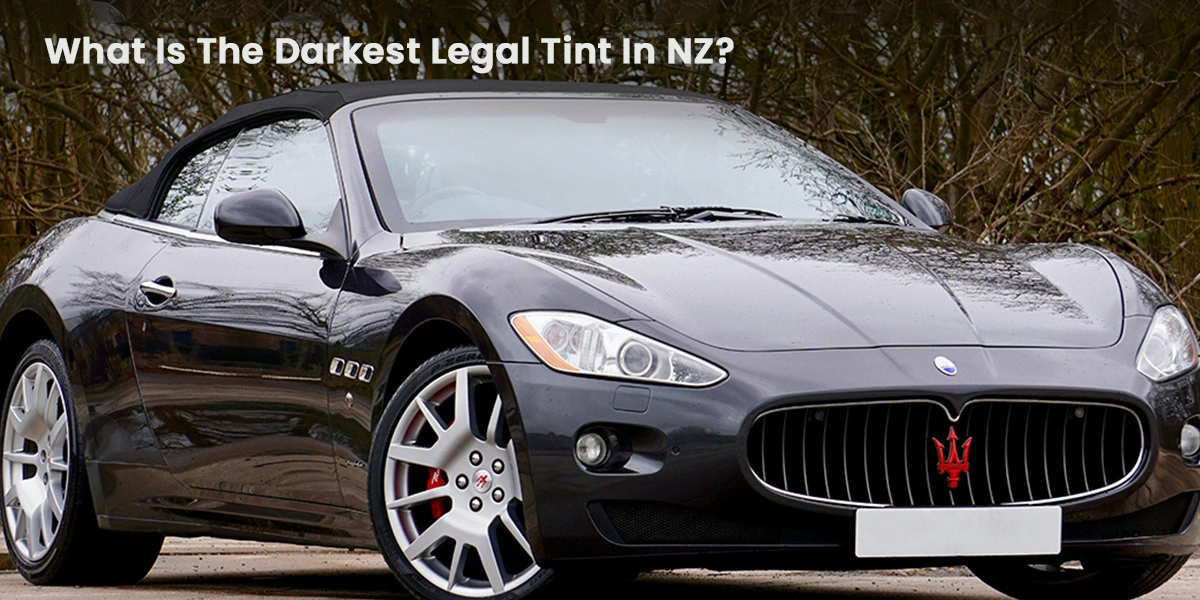
What Is The Darkest Legal Tint In NZ?

30 Aug 2024, By Admin

You’re cruising down a long, smooth highway, taking in the scenic beauty all around you. Suddenly, a sleek black sedan zooms by, catching your eye with its dark, mysterious window tints. The striking contrast between the deep black glass and the shining car body leaves you a bit envious—there’s something undeniably captivating about those dark tints.


Let’s be honest: dark tints give any car a bold, impressive look. Beyond their aesthetic appeal, they also offer practical benefits like protecting passengers from the sun and keeping the interior cool. However, it’s important to remember that there are specific regulations in New Zealand regarding the use of dark tints on vehicles, enforced by the New Zealand Transport Agency and the Ministry of Transport. These regulations must be followed to ensure your car stays road legal.


In this guide, we’ll cover everything you need to know about shaded car window tints, including the legal requirements in New Zealand. We’ll also show you how to have these dark tints installed on your car, legally and expertly.


How to Install the Darkest Legal Tints in NZ

At AutoExpert.co.nz, we are specialists in shaded car window tinting with over 8 years of experience. When it comes to ensuring that your car’s tints are both stylish and compliant with legal standards, AutoExpert is the name you can trust.


To achieve the best and darkest legal tint for your vehicle, visit our studio. Our experts will guide you through the process, helping you choose the perfect tint to transform your car.


Curious about what makes AutoExpert stand out? Learn more about us here, where you'll also find our contact details and location.


Now, let’s dive into the rules and regulations surrounding window tinting in New Zealand and find out what the darkest legal tint is.


Legal Tint NZ: The Reason for Regulations

Dark tints can make a vehicle look sleek and imposing, but there are good reasons for the legal restrictions on their use.


One of the main concerns is visibility. Once windows are heavily tinted, the interior of the vehicle becomes obscured, which could be exploited by individuals with ill intent, making it difficult for law enforcement to see inside the vehicle.


To prevent such issues, New Zealand has established clear rules for the use of dark tints.


These regulations don’t just apply to windows; there are also restrictions on tinting headlights. According to the New Zealand Transport Agency, it’s illegal to apply tint to headlights or lamps, except for decorative purposes.


How Tint Darkness Is Measured

The darkness of shaded car window tints is measured by Visual Light Transmittance (VLT).


VLT refers to the amount of light that can pass through the tinted windows. A higher VLT percentage means more light passes through, indicating a lighter tint, while a lower VLT percentage means less light passes through, indicating a darker tint.


To better understand the legal requirements, let’s take a closer look at the classification of passenger vehicles.


Classification of Passenger Vehicles

The New Zealand Transport Authority categorizes vehicles based on factors like size, power, and seating capacity.


Passenger vehicles are classified into three main categories: MA, MB, and MC.

  • MA (Passenger Car): Vehicles with up to 9 seating positions, including the driver.
  • MB (Forward Control Passenger Vehicle): Vehicles with 9 seating positions and a steering wheel located in the forward quarter of the vehicle’s length.
  • MC (Off-Road Passenger Vehicle): Vehicles designed for off-road use, also with 9 seating positions.


Other classifications include MD (light omnibus), ME (heavy omnibus), goods vehicles, and trailers, each with further sub-categories based on weight, capacity, and usage.


Checking Tint Compliance

The most accurate way to check if your window tint complies with NZ laws is by using a calibrated VLT meter, available at our studio. This device measures the exact VLT of the tint, ensuring it fully complies with the regulations set by the New Zealand Transport Agency and the Ministry of Transport.


We also recommend placing a sticker on the windshield that indicates the VLT level of the installed tints, which can help speed up inspections. While not mandatory, this sticker can make the process smoother.


For a more detailed understanding of legal tinting regulations, you can visit the Ministry of Transport’s website: Land Transport Rule: Glazing, Windscreen Wipe and Wash, and Mirrors Rule 1999.


Dark tints on car windows are not only stylish but also provide privacy and protection from the sun. However, they can also be misused, which is why strict regulations are in place.


At Dr. Tint, we have experience in installing top-quality dark tints that are both stylish and fully compliant with all legal requirements.


Consult with us today and give your car the perfect makeover with our expert tinting services!


Book Now

Why Tinting your car's windows can prove to be a boon for your leather upholstery?

How Long Does Car Wrapping Last

30 Aug 2024, By Admin

Introduction

Car wrapping has become an increasingly popular method for vehicle customization, allowing car owners to express their style and protect their vehicles' original paint. However, like any automotive enhancement, car wrapping is not a permanent solution. In this blog, we'll delve into the factors that influence the longevity of car wrapping and answer the burning question: How long does car wrapping last?

Understanding Car Wrapping

Car wrapping involves applying a thin, adhesive vinyl film to the exterior of a vehicle. This vinyl can come in various colors, patterns, and finishes, providing car owners with a versatile and cost-effective alternative to traditional paint jobs. Car wrapping is known for its ability to protect a vehicle's paint from scratches, stone chips, and other environmental damage while allowing for easy removal or color changes.

Factors Influencing Car Wrap Longevity

  • Quality of Materials: The longevity of a car wrap heavily depends on the quality of the materials used. High-quality vinyl films with UV-resistant properties tend to last longer and maintain their appearance over time. Cheaper, low-quality materials may deteriorate more quickly, leading to premature discoloration and peeling.
  • Installation Skill: Proper installation is crucial for the durability of a car wrap. Professional installers with experience and skill ensure that the vinyl adheres uniformly, avoiding air bubbles, wrinkles, and edge lifting. Poor installation can significantly reduce the lifespan of the wrap.
  • Environmental Factors: The environment in which a vehicle is driven and parked plays a vital role in how long a car wrap lasts. Harsh weather conditions, exposure to extreme temperatures, and prolonged sunlight exposure can accelerate the wear and tear of the vinyl. Regular exposure to elements like salt, bird droppings, and tree sap can also affect the wrap's longevity.
  • Maintenance and Care: Proper maintenance and care are essential for maximizing the lifespan of a car wrap. Regular washing with mild soapy water, avoiding abrasive cleaners, and keeping the vehicle sheltered when possible can contribute to preserving the wrap's appearance.
  • Intended Use: The intended use of the vehicle can impact the longevity of the car wrap. Vehicles used for daily commuting and exposed to heavy traffic may experience more wear than those used less frequently. Similarly, off-road or adventurous driving may increase the likelihood of damage to the wrap.

Signs of Aging and When to Replace

  • Fading: One of the most common signs of an aging car wrap is color fading. This is often a result of prolonged exposure to sunlight.
  • Peeling or Lifting: If the edges of the wrap start to lift or peel, it's an indication that the adhesive is losing its effectiveness, and the wrap may need replacement.
  • Cracking or Wrinkling: Over time, the vinyl may develop cracks or wrinkles, affecting both the aesthetic appeal and the protective function of the wrap.

How long does car wrapping last?

Car wrapping longevity depends on various factors.

What signs indicate that a car wrap needs replacement?

Signs that a car wrap may need a replacement include:

  • Fading: If the colors on the wrap start to fade or lose vibrancy, it may be time for a replacement.
  • Peeling or Bubbling: The appearance of bubbles or peeling edges indicates that the adhesive is failing, and the wrap needs attention.
  • Cracks or Tears: Physical damage, such as cracks or tears in the vinyl, compromises the effectiveness of the wrap and may necessitate replacement.
  • Loss of Gloss: If the wrap loses its glossy finish and becomes dull, it may be a sign of wear and tear.

How much does it cost to replace a car wrap?

The cost of replacing a car wrap depends on various factors, including the size of the vehicle, the complexity of the wrap design, and the quality of materials used. On average, you can expect to pay a few thousand dollars for a full wrap replacement.

See More

Why Tinting your car's windows can prove to be a boon for your leather upholstery?

Why Ceramic Coating is a Must-Have for Your Car in Hamilton

30 Aug 2024, By Admin

When it comes to protecting your car's exterior and keeping it looking sleek and shiny, ceramic coating is a game-changer. If you're a car owner in Hamilton, you're likely familiar with the challenges that your vehicle faces due to the city's diverse weather conditions, including harsh winters and intense sunlight. In this blog, we'll explore the benefits of ceramic coating, particularly for those in Hamilton, and why it's a must-have for your car.

What is Ceramic Coating?

Ceramic coating is a liquid polymer that is applied to the exterior surfaces of your car. This coating chemically bonds with the factory paint, creating a protective layer that offers numerous advantages. It's a highly effective method for safeguarding your vehicle's paintwork against various environmental contaminants and harsh weather conditions.

Benefits of Ceramic Coating in Hamilton

Hamilton is no stranger to harsh winters, with snow, ice, and road salts being common threats to your car's paint. Ceramic coating creates a barrier that shields your car's exterior from these harsh elements. It also makes it easier to remove snow and ice, preventing damage to the paint during the cleaning process.

In the summer, Hamilton can experience intense sunlight, which can cause your car's paint to fade and deteriorate over time. Ceramic coating acts as a shield against harmful UV rays, preserving the vibrant color and gloss of your car's finish.

Your car is constantly exposed to contaminants like bird droppings, tree sap, and insects. Ceramic coating forms a hydrophobic surface that repels these substances, preventing them from bonding to the paint and causing permanent damage. It also makes cleaning your car much easier, as dirt and grime slide off more effortlessly.

Ceramic coating provides a long-lasting shine that surpasses traditional wax or sealant. Your car will maintain its showroom-like finish for years, reducing the need for frequent polishing or detailing.

While ceramic coating doesn't make your car completely scratch-proof, it does offer a level of protection against light scratches and swirl marks. It acts as a sacrificial layer, absorbing the impact and preserving your car's underlying paint.

One of the most remarkable features of ceramic coating is its hydrophobic nature. Rainwater and other liquids bead up and roll off the surface, keeping your car cleaner and reducing water spots.

With ceramic coating, you'll spend less time and effort on maintaining your car's appearance. Cleaning is a breeze, and you won't need to wax your car regularly. This convenience is especially valuable in a city like Hamilton, where weather conditions can be challenging.

See More

Why Tinting your car's windows can prove to be a boon for your leather upholstery?

The Art of Car Wrapping: Transform Your Vehicle in Rotorua

30 Aug 2024, By Admin

In the picturesque city of Rotorua, nestled on New Zealand's North Island, there exists a thriving subculture that has taken the automotive world by storm – car wrapping. This innovative and artistic method of vehicle enhancement has become increasingly popular in Rotorua, offering car owners a unique opportunity to express themselves and redefine the aesthetics of their vehicles. Welcome to the world of "Car Wrapping in Rotorua."

What is Car Wrapping?

Car wrapping is an exciting and transformative process that involves applying a specialized vinyl film to the exterior of your vehicle. This vinyl film is meticulously crafted to adhere seamlessly to your car's contours, creating a second skin that can entirely change its appearance. Whether you're looking to refresh your car's look, protect its original paint, or stand out in the crowd, car wrapping in Rotorua can provide the solution you've been seeking.

Why Car Wrapping is Popular in Rotorua

Rotorua, renowned for its stunning natural landscapes, geothermal wonders, and vibrant Maori culture, is also home to a growing community of car enthusiasts and style-conscious individuals. Car wrapping has found a special place in the hearts of Rotorua residents for several compelling reasons:

1. Expressing Individuality: In a city celebrated for its uniqueness, Rotorua residents are embracing car wrapping as a means of expressing their individuality. With a plethora of color options, finishes, and custom designs, car wrapping allows vehicle owners to make a personal statement on the streets of Rotorua.

2. Protection in Rotorua's Climate: Rotorua experiences a mix of climates, from sunny summers to damp winters. Car wrapping offers an added layer of protection against the elements, preserving your car's original paint and finish from the effects of sun, rain, and road debris.

3. Advertisement and Branding: For local businesses in Rotorua, car wrapping has become an innovative advertising tool. Eye-catching vehicle wraps serve as mobile billboards, promoting their services and brands as they travel the city's roads and highways.

.4. Resale Value: Car wrapping is a reversible process, making it an attractive option for those concerned about resale value. When it's time to sell, you can remove the wrap to reveal the well-preserved factory finish beneath.

5. Endless Possibilities: Car wrapping is a versatile art form, limited only by imagination. From sleek matte finishes to striking metallic colors, intricate patterns, and even corporate branding, the possibilities are as diverse as Rotorua's cultural tapestry.

As you delve deeper into the world of "Car Wrapping in Rotorua," you'll discover that it's not just about changing the look of your vehicle; it's about embracing creativity, protecting your investment, and making a statement in a city that celebrates individuality.

In the upcoming articles, we will explore the various facets of car wrapping in Rotorua, from the wide range of design options to the benefits it offers in different seasons. Whether you're a car enthusiast, a business owner, or simply someone seeking a unique way to enhance your vehicle, car wrapping in Rotorua promises an exciting journey of transformation and self-expression. Stay tuned for more insights, tips, and inspirations from the world of car wrapping right here in Rotorua.

See More

Feedback
   Feedback    Call Now