
• info@drtint.co.nz
  •  ( Mon-Sat ) 8:00AM - 6:00PM ( Sunday Closed )
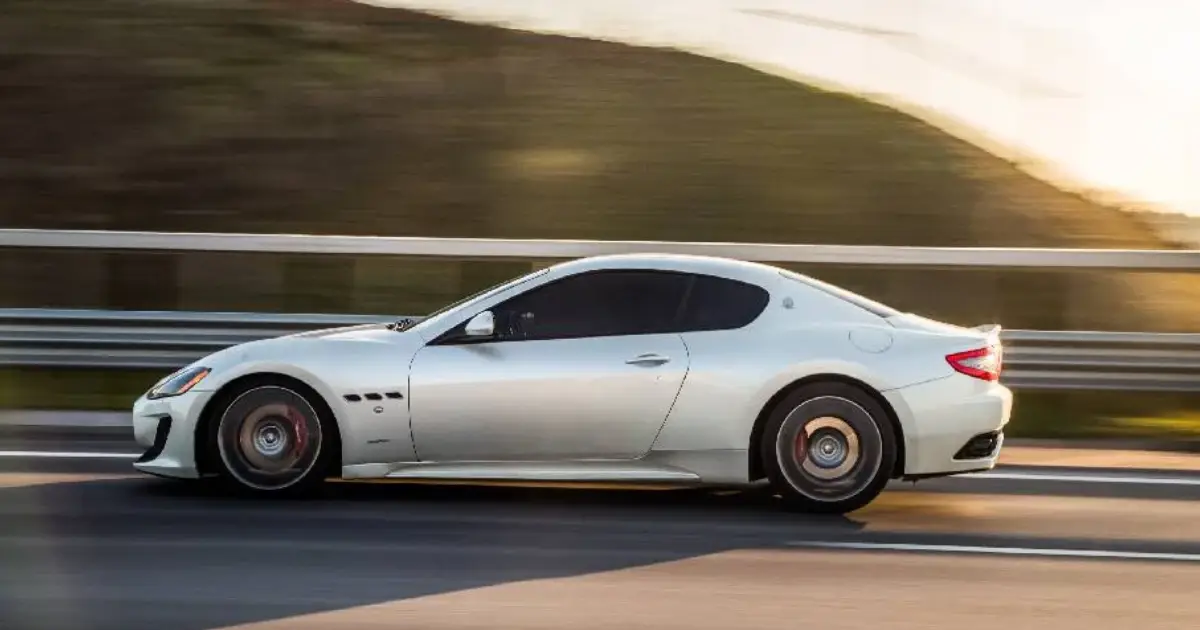
top-5-benefits-of-having-your-car-windows-tinted (1).webp

Top 5 Benefits of Having Your Car Windows Tinted

12 Jan 2024, By Admin

Introduction

Car window tinting has become a popular trend among car enthusiasts, and for good reason. Beyond the stylish appearance it lends to your vehicle, car window tinting offers a plethora of benefits that go beyond aesthetics. In this blog, we will delve into the top 5 advantages of having your car windows tinted, shedding light on the many reasons why this automotive enhancement has gained widespread popularity.

UV Ray Protection

One of the primary advantages of car window tinting is its ability to block harmful ultraviolet (UV) rays from the sun. Prolonged exposure to UV rays can lead to various health issues, including skin cancer. Tinted windows act as a barrier, reducing UV radiation and protecting both the driver and passengers from potential sun damage.

Heat Reduction

On a scorching hot day, the temperature inside your car can skyrocket. Window tinting acts as a barrier against the sun's heat, reducing the interior temperature and making your driving experience more pleasant. By minimizing heat buildup, you can rely less on your air conditioning, leading to improved fuel efficiency and reduced strain on your vehicle's cooling system.

Enhanced Privacy and Security

Privacy is a key concern for many car owners, and window tinting provides an effective solution. Darkened windows make it harder for prying eyes to see into your vehicle, protecting your belongings and ensuring a greater sense of security. This added privacy can be particularly beneficial when parked in public places, reducing the risk of theft and break-ins.

  • Glare Reduction:

    Driving in bright sunlight can be challenging, with glare from the sun often causing discomfort and safety hazards. Car window tinting significantly reduces glare, providing a clearer and safer view of the road ahead. This is especially valuable during sunrise and sunset, as well as in adverse weather conditions. By minimizing glare, window tinting contributes to improved visibility and overall driving safety.

  • Aesthetic Appeal:

    While the functional benefits of car window tinting are numerous, there's no denying the aesthetic appeal it brings to a vehicle. Tinted windows give your car a sleek, sophisticated look that sets it apart from others on the road. The variety of tint shades available allows you to customize the appearance of your car, adding a touch of personal style.

What is car window tinting, and how does it work?

Car window tinting involves applying a thin film to the windows of a vehicle to reduce the amount of visible light, infrared radiation, and ultraviolet (UV) rays that enter the car. This film is typically made of polyester and may contain various layers to achieve specific effects. The tinting process helps regulate the amount of light and heat that enters the vehicle, providing several benefits.

Are there any regulations or restrictions regarding car window tinting?

Yes, regulations regarding car window tinting vary by location. It's essential to check and comply with local laws to avoid legal consequences. Typically, regulations address factors such as the level of tint darkness allowed, the percentage of light that must pass through the tint, and whether certain windows can be tinted. Always research and adhere to your region's specific guidelines for car window tinting.

Can I tint my car windows myself, or should I seek professional help?

While some car enthusiasts may attempt to tint their windows at home, it is generally recommended to seek professional help. Professional installers have the expertise, experience, and tools to ensure a proper and even application. DIY attempts may result in air bubbles, uneven tinting, and an overall subpar finish. Additionally, professional installations often come with warranties, providing peace of mind and recourse if any issues arise.

How long does car window tinting typically last?

The lifespan of car window tinting can vary based on factors such as the quality of the tint film, climate, and how well it is maintained. High-quality tint films, when professionally installed, can last anywhere from 5 to 10 years or more. Regular maintenance, such as gentle cleaning with recommended solutions and avoiding abrasive materials, can contribute to the longevity of the tint. If you notice any signs of peeling or discoloration, it's advisable to consult a professional for repairs or replacement.

Conclusion

Car window tinting is more than just a cosmetic enhancement – it's a practical investment that offers a range of benefits, from protecting your health and preserving your vehicle's interior to enhancing privacy and elevating the overall driving experience. If you haven't considered window tinting for your car yet, these top 5 advantages might just convince you to explore this valuable automotive upgrade.

Why Tinting your car's windows can prove to be a boon for your leather upholstery?

Pros and Cons of Car Wrapping: Is it Worth the Investment?

12 Jan 2024, By Admin

In recent years, car wrapping has become a popular trend among automobile enthusiasts and businesses alike. Whether you want to give your vehicle a fresh, unique look or use it as a marketing tool for your company, car wrapping offers a creative and eye-catching solution. However, like any automotive modification, car wrapping comes with its own set of pros and cons. In this blog, we'll explore the advantages and disadvantages of car wrapping to help you determine if it's worth the investment.

What Are Pros of Car Wrapping

  • Aesthetic Appeal: Car wrapping allows you to change the appearance of your vehicle dramatically. With an extensive range of colors, finishes, and textures available, you can achieve a personalized look that suits your style or branding needs.
  • Protection: Wrapping your car provides a layer of protection for the original paint. It shields the vehicle from minor scratches, chips, and UV rays. This added layer can help maintain the resale value of your car.
  • Temporary Customization: Unlike a paint job, car wrapping is reversible. If you decide you no longer like the design or want to return your car to its original state, you can remove the wrap without any damage to the underlying paint.
  • Advertising and Branding: Businesses can use car wrapping as a cost-effective and mobile advertising strategy. Wrapping a company vehicle with a logo, contact information, and eye-catching graphics can increase brand visibility and recognition.
  • Versatility: Car wrapping can be applied to various types of vehicles, from compact cars to trucks, and even boats. This makes it a versatile option for both personal and commercial use.
  • Fast Turnaround: The process of wrapping a car is generally quicker than a full paint job. This means less downtime for your vehicle, making it an attractive option for those who rely on their cars for daily transportation.

What Are Cons of Car Wrapping

  • Cost: While car wrapping is more affordable than a custom paint job, it can still be a significant investment. The price varies depending on the size of your vehicle, the type of material used, and the complexity of the design.
  • Durability: Car wraps are not as durable as paint. They can be damaged by rock chips, bird droppings, or harsh weather conditions. In addition, the lifespan of a wrap typically ranges from 3 to 5 years, after which it may begin to show signs of wear and tear.
  • Installation Quality: The quality of a car wrap largely depends on the skill of the installer. A poor installation job can result in wrinkles, bubbles, or peeling, which can be unsightly and require costly corrections.
  • Limited Repair Options: When a section of your wrap is damaged, repairing it can be challenging, especially if the color or design is no longer available. This might require redoing the entire wrap.
  • Resale Value Concerns: While car wrapping can protect your vehicle's paint, some potential buyers may view it as a drawback, as they may be uncertain about the condition of the underlying paint. This could affect the resale value.
  • Maintenance: Maintaining a car wrap requires specific care, such as hand washing and avoiding high-pressure car washes. Failure to do so could lead to premature deterioration of the wrap.

In conclusion, car wrapping offers an array of benefits, from aesthetics to advertising opportunities. However, it's essential to weigh these advantages against the potential drawbacks. Car wrapping can be a worthy investment for those looking for a temporary customization option or a unique way to promote their business. Still, it's crucial to choose a reputable installer and carefully consider the long-term implications, including maintenance and resale value concerns. If the pros align with your needs and budget, car wrapping can be an exciting and rewarding choice to transform your vehicle into a work of art or a moving billboard.

See More

Why Tinting your car's windows can prove to be a boon for your leather upholstery?

How Much Does It Cost to Tint a Car in Auckland?

12 Jan 2024, By Admin

If you're considering enhancing the privacy, comfort, and style of your vehicle, car window tinting is a popular and effective solution. But how much does it cost to tint a car in Auckland? In this blog, we'll explore the factors that influence the price ofcar window tinting, the benefits of getting your windows tinted, and what you can expect to pay in Auckland.

Factors Influencing Car Window Tinting Costs

The cost of car window tinting can vary based on several factors:

  1. Type of Tint Film: The quality and type of tint film you choose significantly impact the price. Standard dyed films are cheaper, while high-performance films, such as ceramic or metalized options, are more expensive due to their superior heat rejection and durability.
  2. Number of Windows: Tinting a full car (including all windows) will cost more than just tinting a few windows. The size and number of windows play a crucial role in determining the total cost.
  3. Vehicle Type: The make and model of your vehicle can affect the price. Larger vehicles like SUVs and vans generally cost more to tint than smaller sedans or hatchbacks due to the larger window surface area.
  4. Labor Costs: The expertise and reputation of the service provider can influence labor costs. Established shops with experienced technicians may charge more for their higher quality of service.
  5. Additional Features: Some tint films come with extra features, such as UV protection, glare reduction, and enhanced shatter resistance, which can add to the overall cost.

Average Costs of Car Window Tinting in Auckland

In Auckland, the price of car window tinting typically ranges from $150 to $800. Here’s a breakdown based on different factors:

  • Basic Tinting: For a standard car with basic dyed film, you can expect to pay between $150 to $300.
  • Mid-Range Tinting: For better quality films, such as hybrid or metalized tints, the cost ranges from $300 to $500.
  • Premium Tinting: High-performance ceramic or infrared rejection films can cost anywhere from $500 to $800 or more.

Benefits of Car Window Tinting

Investing in car window tinting offers several advantages:

  1. Heat Reduction: High-quality tint films can significantly reduce heat build-up inside the car, making it more comfortable during hot Auckland summers.
  2. UV Protection: Tinted windows block up to 99% of harmful UV rays, protecting your skin and preventing the interior from fading and cracking.
  3. Glare Reduction: Tinting reduces glare from the sun and headlights, enhancing driving comfort and safety.
  4. Privacy and Security: Tinted windows provide greater privacy by making it harder for outsiders to see inside your vehicle. They also add a layer of security by making it more difficult to break the glass.
  5. Aesthetic Appeal: Tinted windows give your car a sleek, stylish look that can enhance its overall appearance.

Finding a Reputable Tinting Service in Auckland

To get the best value for your money, it's essential to choose a reputable car window tinting service in Auckland. Here are some tips to help you find a reliable provider:

  • Read Reviews: Check online reviews and testimonials from previous customers to gauge the quality of service.
  • Ask for Recommendations: Seek recommendations from friends or family who have had their windows tinted.
  • Check Certifications: Ensure the service provider uses high-quality films and employs certified technicians.
  • Compare Quotes: Get quotes from multiple providers to compare prices and services offered.

Conclusion

Car window tinting is a worthwhile investment that enhances your vehicle's comfort, safety, and appearance. In Auckland, the cost can vary depending on several factors, including the type of tint film, the number of windows, and the service provider's reputation. By understanding these factors and doing your research, you can find a tinting solution that fits your budget and meets your needs. Whether you opt for basic tinting or premium films, the benefits of car window tinting make it a smart choice for any vehicle owner.

See More

Why Tinting your car's windows can prove to be a boon for your leather upholstery?

Car Wrapping - Factors that affects, Types, Cost and Benefits!

12 Jan 2024, By Admin

Car wrapping has become a popular choice for those looking to personalize their vehicle without committing to a permanent paint job. Whether you want to protect your car's original paint, advertise a business, or simply give it a new look, a car wrap is a versatile solution. However, understanding the various aspects, including car wrap cost, is crucial before making a decision. This blog will delve into the factors affecting car wrapping, different types of wraps, the associated costs, and the benefits they bring.

What is Car Wrapping?

Car wrapping involves applying a thin, adhesive vinyl film to the exterior of a vehicle. This film can be of any color or pattern and is customizable to match the car owner's preferences. The wrap is applied by professionals and can cover the entire vehicle or just specific parts, such as the hood, roof, or side mirrors.

Factors That Affect Car Wrapping

Several factors determine the car wrap cost and the overall quality of the wrap:

  1. Type of Vinyl: The material used for the wrap can significantly impact the price. Premium vinyl wraps like those from 3M, Avery Dennison, or Oracal are more durable and offer better finishes but come at a higher cost. Lower-cost vinyl is available but may not last as long or look as polished.
  2. Size of the Vehicle: Larger vehicles, such as trucks or SUVs, require more vinyl material, leading to a higher car wrap cost. In contrast, smaller cars like sedans or hatchbacks require less material, making the wrapping process quicker and more affordable.
  3. Complexity of the Design: Custom designs, intricate patterns, or multiple colors can drive up the car wrap cost. A simple single-color wrap will generally be cheaper than a design that includes logos, gradients, or detailed graphics.
  4. Surface Condition: The condition of the car's surface affects both the wrapping process and cost. If the vehicle has dents, scratches, or peeling paint, it might require additional prep work before applying the wrap. This can increase the overall price.
  5. Quality of Installation: The expertise of the installer also plays a role in the final outcome. Professional wrap shops often charge more, but they guarantee a seamless application that can last longer without peeling or bubbling. Choosing a reputable installer can help avoid future issues.

Types of Car Wraps

Understanding the different types of car wraps is important when deciding what suits your needs and budget:

  1. Gloss Wraps: Gloss wraps mimic the finish of a standard car paint job, giving your vehicle a shiny, polished look. These are popular for those looking to maintain a classic appearance while changing the color of their vehicle.
  2. Matte Wraps: Matte wraps provide a smooth, non-reflective surface that can give your car a modern and sleek look. They are favored by car enthusiasts who want a unique, sophisticated finish.
  3. Satin Wraps: Satin wraps fall between gloss and matte finishes, offering a subtle sheen without being overly reflective. This type is perfect for those looking for a more understated style.
  4. Textured Wraps: Carbon fiber, brushed metal, and chrome wraps are considered textured wraps. They add a unique and dynamic look to specific areas of a vehicle, like the hood or roof. These wraps are often more expensive due to their specialized material.
  5. Custom Printed Wraps: Custom wraps allow car owners to create unique designs, logos, or images. They are often used for advertising or branding purposes, making vehicles stand out in traffic. The car wrap cost for custom prints can be higher due to the design process and specialized printing.

Car Wrap Cost: How Much Should You Expect to Pay?

The car wrap cost varies depending on the factors mentioned above. Here’s a general breakdown:

  • Partial Wraps: Wrapping only parts of the vehicle (like the hood, roof, or mirrors) can range from $200 to $1000. This is a good option if you want to change just a portion of your car's appearance or advertise a logo.
  • Full Wraps: A complete wrap that covers the entire vehicle can cost anywhere between $2000 to $6000. For luxury vehicles or more complex designs, the price may go even higher. High-
  • Quality Custom Wraps: Custom designs or specialty wraps like chrome or carbon fiber may range from $5000 to $10,000 or more. These are ideal for businesses looking to create a rolling advertisement or for car enthusiasts aiming for a one-of-a-kind look.

While the initial investment may seem high, the benefits of car wrapping often outweigh the costs, especially when compared to a custom paint job that can cost anywhere from $3000 to $20,000.

Benefits of Car Wrapping

  1. Cost-Effective Customization: Unlike custom paint jobs, wraps offer a more affordable way to achieve a new look for your car. You can switch up styles without the need for permanent changes, making it ideal for those who like to refresh their vehicle’s appearance periodically.
  2. Paint Protection: A vinyl wrap acts as a protective layer against UV rays, scratches, and minor abrasions. This helps maintain the car's original paint and protects its resale value. When it’s time to sell, you can remove the wrap, revealing the preserved paint underneath.
  3. Versatility: With an endless array of colors, patterns, and finishes available, car wraps offer unmatched versatility. From changing your vehicle’s color to applying a company logo for branding purposes, the possibilities are limitless.
  4. Easy Maintenance: Vinyl wraps are easier to clean than paint. A simple wash with soap and water will keep the wrap looking fresh. Unlike traditional paint, you don’t need to worry about polishing or waxing.
  5. Reversibility: One of the biggest advantages of car wraps is that they are reversible. If you want to revert to your vehicle’s original color or change the design, you can simply remove the wrap without any damage to the paint beneath.

Car wrapping is an excellent way to change your vehicle’s appearance without the long-term commitment and expense of a new paint job. Understanding the factors that affect car wrap cost, the types of wraps available, and the benefits they offer can help you make an informed decision. Whether you want to protect your car's original paint, advertise your business, or just express your personality through a custom design, car wraps provide a flexible and creative solution.

If you're considering a wrap for your vehicle, consult with a reputable installer to get an accurate estimate and explore your options. While the initial car wrap cost may seem like a significant investment, the long-term benefits and the potential to transform your vehicle make it a worthwhile choice.

Book Now

See More

Feedback
   Feedback    Call Now