• info@drtint.co.nz
  •  ( Mon-Sat ) 8:00AM - 6:00PM ( Sunday Closed )
the-top-benefits-of-car-window-tinting-in-rotorua.webp

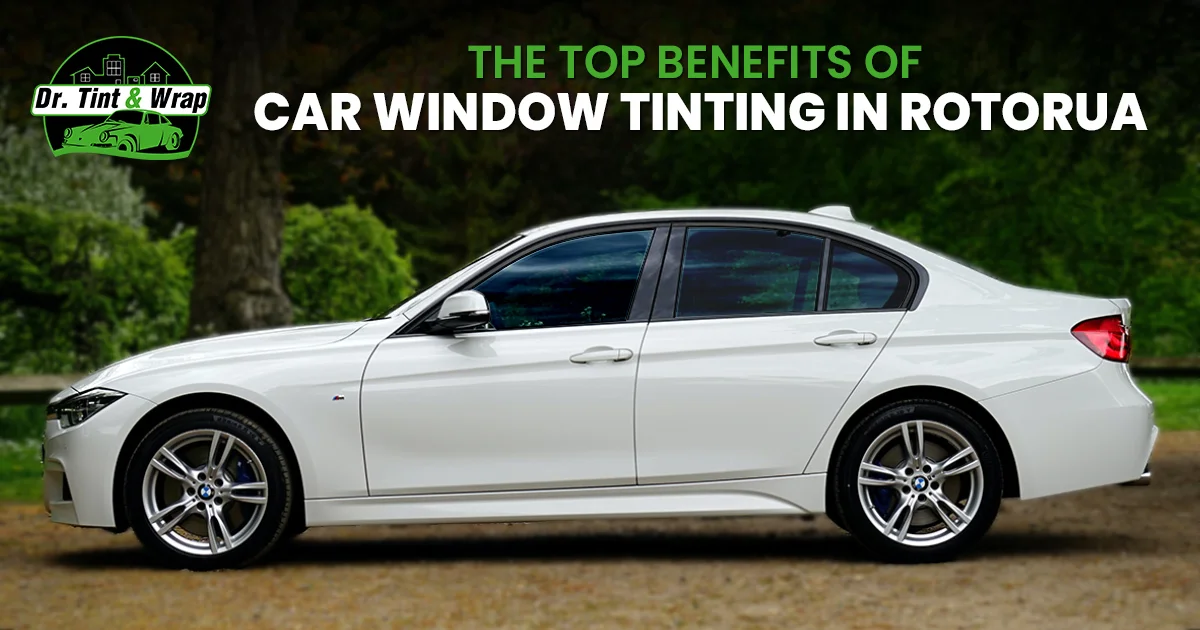
The Top Benefits of Car Window Tinting in Rotorua

03 Oct 2023, By Admin

In the picturesque city of Rotorua, where stunning landscapes meet abundant sunshine, car window tinting has become more than just a trend—it's a practical necessity. Whether you're a local or a visitor, understanding the benefits of car window tinting in Rotorua is essential for a comfortable and protected driving experience. In this blog, we'll delve into the top advantages of car window tinting in Rotorua, focusing on the keyword "Car Window Tinting Rotorua."

1. UV Protection: Shielding You and Your Car Interior

Rotorua is known for its sunny weather, and with the sun comes harmful UV rays. Car window tinting is your first line of defense against these rays, as it can block a significant portion of them. Not only does this protect your skin from potential damage during your drive, but it also safeguards your car's interior from fading and deterioration caused by prolonged sun exposure.

2. Enhanced Privacy: Peace of Mind on the Road

Privacy is a valuable asset, especially when driving through the bustling streets of Rotorua. Window tinting provides an added layer of privacy by making it harder for prying eyes to see into your vehicle. This added security ensures your personal space remains personal, whether you're stuck in traffic or parked in a busy area.

3. Heat Reduction: Stay Cool Even on the Hottest Days

Rotorua's summers can be scorching, and the inside of your car can quickly turn into an oven. Car window tinting is your ally in staying cool. By blocking a significant portion of the sun's heat, tinted windows help regulate the temperature inside your vehicle, ensuring a more comfortable ride even during the hottest days.

4. Glare Reduction: Clearer Visibility, Safer Driving

Glare from the sun can be blinding and dangerous while driving. Car window tinting in Rotorua helps reduce glare, providing better visibility and reducing the strain on your eyes. This results in safer and more comfortable driving conditions, especially during sunrise and sunset.

5. Interior Preservation: Keep Your Car Looking New

Rotorua's sun can be harsh on your car's interior, causing it to fade and deteriorate over time. Window tinting acts as a protective shield, preventing sun damage to your dashboard, upholstery, and other interior components. This preservation not only keeps your car looking newer for longer but also maintains its resale value.

6. Energy Efficiency: Reduced Air Conditioning Use

With car window tinting in Rotorua, you'll find yourself relying less on your car's air conditioning system. This reduced need for cooling can lead to improved fuel efficiency and savings at the pump, all while reducing your carbon footprint.

7. Customization: Personalize Your Ride

Car window tinting isn't just practical; it's also an opportunity to customize your vehicle. You can choose from various tint shades and styles to achieve the look you desire while still enjoying all the functional benefits.

Car window tinting in Rotorua isn't just a luxury; it's a practical investment that enhances your driving experience and protects both you and your vehicle from the challenges posed by the city's climate. From UV protection to privacy and heat reduction, the benefits are clear. So, if you want to enjoy safer, more comfortable, and stylish drives through Rotorua, consider car window tinting as a valuable addition to your vehicle. Experience the advantages of "Car Window Tinting Rotorua" firsthand and make the most of your time on the road.

Why Tinting your car's windows can prove to be a boon for your leather upholstery?

Legal Regulations for Car Window Tinting in New Zealand: A Comprehensive Guide

03 Oct 2023, By Admin

Car window tinting has become a popular choice for vehicle owners in New Zealand, offering benefits such as privacy, UV protection, and heat reduction. However, it’s crucial to understand and adhere to the legal regulations surrounding window tinting to avoid fines and ensure road safety. In this blog post, we will explore the laws regarding window tinting in New Zealand and provide essential tips for staying within legal limits.

Understanding New Zealand's Window Tinting Regulations

1. Light Transmission: According to New Zealand law, the front windscreen must have a minimum of 70% light transmission, while the front side windows (the windows adjacent to the driver and front passenger) must have a minimum of 35% light transmission.

2. Rear Windows: There are no specific regulations regarding the tint darkness for rear windows, but it is recommended to maintain good visibility, especially at night.

3. Reflectivity: Window tints must not be highly reflective to the extent that they impair the driver’s vision or distract other drivers.

4. Tinting Film Quality: The tinting film used must be of high quality and not damaged or discolored, ensuring clear visibility.

Tips for Staying Within Legal Limits

1. Choose Professional Installation: Opt for professional window tinting services. Experienced technicians are aware of the legal limits and can ensure your tinting complies with the regulations.

2. Ask for Legal Tints: When getting your windows tinted, clearly specify to the service provider that you need tints that comply with New Zealand regulations. Reputable providers will use films that meet legal standards.

3. Avoid DIY Tinting Kits: Do not attempt to tint your windows using DIY kits unless you are confident about adhering to legal limits. Incorrect installation can result in darker tints, leading to legal consequences.

4. Regularly Check Tint Condition: Over time, window tints can deteriorate, becoming darker or developing bubbles. Regularly inspect your tints and replace them if they no longer meet the legal standards.

5. Educate Yourself: Familiarize yourself with the local regulations. Understanding the legal limits will help you make informed decisions about your vehicle’s window tinting.

Responsible vehicle ownership includes complying with legal regulations to ensure road safety and avoid legal issues. By adhering to New Zealand’s window tinting laws and following the tips mentioned in this guide, you can enjoy the benefits of window tinting while staying within the boundaries of the law. Remember, when in doubt, consult professionals who can guide you in choosing the right window tints that meet both your needs and legal requirements. Safe driving starts with clear visibility, so let’s tint responsibly and enjoy the many advantages it offers within the legal limits of New Zealand.

See More

Why Tinting your car's windows can prove to be a boon for your leather upholstery?

Pros and Cons of Car Wrapping: Is it Worth the Investment?

03 Oct 2023, By Admin

In recent years, car wrapping has become a popular trend among automobile enthusiasts and businesses alike. Whether you want to give your vehicle a fresh, unique look or use it as a marketing tool for your company, car wrapping offers a creative and eye-catching solution. However, like any automotive modification, car wrapping comes with its own set of pros and cons. In this blog, we'll explore the advantages and disadvantages of car wrapping to help you determine if it's worth the investment.

What Are Pros of Car Wrapping

  • Aesthetic Appeal: Car wrapping allows you to change the appearance of your vehicle dramatically. With an extensive range of colors, finishes, and textures available, you can achieve a personalized look that suits your style or branding needs.
  • Protection: Wrapping your car provides a layer of protection for the original paint. It shields the vehicle from minor scratches, chips, and UV rays. This added layer can help maintain the resale value of your car.
  • Temporary Customization: Unlike a paint job, car wrapping is reversible. If you decide you no longer like the design or want to return your car to its original state, you can remove the wrap without any damage to the underlying paint.
  • Advertising and Branding: Businesses can use car wrapping as a cost-effective and mobile advertising strategy. Wrapping a company vehicle with a logo, contact information, and eye-catching graphics can increase brand visibility and recognition.
  • Versatility: Car wrapping can be applied to various types of vehicles, from compact cars to trucks, and even boats. This makes it a versatile option for both personal and commercial use.
  • Fast Turnaround: The process of wrapping a car is generally quicker than a full paint job. This means less downtime for your vehicle, making it an attractive option for those who rely on their cars for daily transportation.

What Are Cons of Car Wrapping

  • Cost: While car wrapping is more affordable than a custom paint job, it can still be a significant investment. The price varies depending on the size of your vehicle, the type of material used, and the complexity of the design.
  • Durability: Car wraps are not as durable as paint. They can be damaged by rock chips, bird droppings, or harsh weather conditions. In addition, the lifespan of a wrap typically ranges from 3 to 5 years, after which it may begin to show signs of wear and tear.
  • Installation Quality: The quality of a car wrap largely depends on the skill of the installer. A poor installation job can result in wrinkles, bubbles, or peeling, which can be unsightly and require costly corrections.
  • Limited Repair Options: When a section of your wrap is damaged, repairing it can be challenging, especially if the color or design is no longer available. This might require redoing the entire wrap.
  • Resale Value Concerns: While car wrapping can protect your vehicle's paint, some potential buyers may view it as a drawback, as they may be uncertain about the condition of the underlying paint. This could affect the resale value.
  • Maintenance: Maintaining a car wrap requires specific care, such as hand washing and avoiding high-pressure car washes. Failure to do so could lead to premature deterioration of the wrap.

In conclusion, car wrapping offers an array of benefits, from aesthetics to advertising opportunities. However, it's essential to weigh these advantages against the potential drawbacks. Car wrapping can be a worthy investment for those looking for a temporary customization option or a unique way to promote their business. Still, it's crucial to choose a reputable installer and carefully consider the long-term implications, including maintenance and resale value concerns. If the pros align with your needs and budget, car wrapping can be an exciting and rewarding choice to transform your vehicle into a work of art or a moving billboard.

See More

Why Tinting your car's windows can prove to be a boon for your leather upholstery?

What is the cost of wrapping a car?

03 Oct 2023, By Admin

What is the Cost of Wrapping a Car?

Car wrapping has become an increasingly popular way for vehicle owners to change the appearance of their cars without the permanence of a paint job. But what exactly goes into the cost of car wrapping? In this blog, we'll dive into the factors that influence the price of car wrapping, helping you understand what to expect if you decide to give your car a fresh new look.

Understanding Car Wrapping

Car wrapping involves applying a vinyl film over the surface of your vehicle. This process allows for a variety of finishes, including matte, gloss, satin, and even custom designs. Unlike traditional paint, a car wrap can be removed without damaging the original paint, making it a versatile and reversible modification.

Factors Affecting the Cost of Car Wrapping

The cost of car wrapping can vary significantly based on several factors. Here are the key elements that influence the overall price:

  1. Vehicle Size and Type
    The size and type of your vehicle are primary determinants of the wrapping cost. Wrapping a small sedan is generally less expensive than wrapping a larger SUV or a luxury sports car. This is because larger vehicles require more vinyl material and more labor hours to cover all the surfaces properly.
  2. Vinyl Quality and Finish
    The quality of the vinyl and the type of finish you choose play a significant role in the cost. High-quality vinyl from reputable brands such as 3M or Avery Dennison can cost more but offers better durability and appearance. The finish also impacts the price; specialty finishes like matte, chrome, or carbon fiber tend to be more expensive than standard gloss or satin finishes.
  3. Design Complexity
    If you opt for a custom design or a wrap with intricate patterns and graphics, the cost will increase. Custom designs require additional time for design, printing, and installation. Simple, single-color wraps are typically more affordable.
  4. Installation Labor
    Labor costs vary based on the installer’s expertise and location. Professional installers with a proven track record may charge more for their services, but they also ensure a higher-quality finish. In metropolitan areas or places with a high cost of living, labor rates may be higher compared to rural areas.
  5. Surface Preparation
    Before applying the vinyl wrap, the car's surface must be thoroughly cleaned and prepped. If your vehicle has scratches, dents, or other imperfections, these need to be addressed, which can add to the overall cost. Some shops include minor prep work in their pricing, while others may charge extra.
  6. Additional Features
    Additional features such as wrapping door jambs, interior trims, or wheels can also increase the cost. These are often considered add-ons and are priced separately.

Average Cost Breakdown

To give you a general idea, here’s a rough estimate of car wrapping costs based on vehicle size and type:

  • Compact Car (e.g., Honda Civic, Ford Focus): $1,500 - $3,000
  • Mid-Size Sedan (e.g., Toyota Camry, BMW 3 Series): $2,000 - $4,000
  • SUV/Truck (e.g., Ford Explorer, Chevrolet Tahoe): $3,000 - $5,000
  • Luxury/Sports Car (e.g., Porsche 911, Tesla Model S): $4,000 - $10,000

These prices can vary depending on the factors mentioned earlier.

Is Car Wrapping Worth the Cost?

Car wrapping offers several advantages that can justify the cost:

  • Customization: You can achieve a unique look that stands out.
  • Protection: Vinyl wraps protect the original paint from minor scratches and UV damage.
  • Reversibility: If you want to revert to your car's original color or change the design, you can simply remove the wrap.
  • Resale Value: Preserving the original paint can help maintain the vehicle’s resale value.

Conclusion

Car wrapping can be a worthwhile investment for those looking to personalize their vehicle or protect its paint. The cost of car wrapping varies based on factors such as vehicle size, vinyl quality, design complexity, labor, surface preparation, and additional features. By understanding these factors, you can make an informed decision and choose a car wrapping service that fits your budget and needs. Whether you’re looking for a bold new look or subtle sophistication, car wrapping offers endless possibilities to transform your vehicle’s appearance.

See More

Feedback
   Feedback    Call Now