Car Wrapping - Factors that affects, Types, Cost and Benefits!
11 Oct 2024, By AdminCar wrapping has become a popular choice for those looking to personalize their vehicle without committing to a permanent paint job. Whether you want to protect your car's original paint, advertise a business, or simply give it a new look, a car wrap is a versatile solution. However, understanding the various aspects, including car wrap cost, is crucial before making a decision. This blog will delve into the factors affecting car wrapping, different types of wraps, the associated costs, and the benefits they bring.
What is Car Wrapping?
Car wrapping involves applying a thin, adhesive vinyl film to the exterior of a vehicle. This film can be of any color or pattern and is customizable to match the car owner's preferences. The wrap is applied by professionals and can cover the entire vehicle or just specific parts, such as the hood, roof, or side mirrors.
Factors That Affect Car Wrapping
Several factors determine the car wrap cost and the overall quality of the wrap:
- Type of Vinyl: The material used for the wrap can significantly impact the price. Premium vinyl wraps like those from 3M, Avery Dennison, or Oracal are more durable and offer better finishes but come at a higher cost. Lower-cost vinyl is available but may not last as long or look as polished.
- Size of the Vehicle: Larger vehicles, such as trucks or SUVs, require more vinyl material, leading to a higher car wrap cost. In contrast, smaller cars like sedans or hatchbacks require less material, making the wrapping process quicker and more affordable.
- Complexity of the Design: Custom designs, intricate patterns, or multiple colors can drive up the car wrap cost. A simple single-color wrap will generally be cheaper than a design that includes logos, gradients, or detailed graphics.
- Surface Condition: The condition of the car's surface affects both the wrapping process and cost. If the vehicle has dents, scratches, or peeling paint, it might require additional prep work before applying the wrap. This can increase the overall price.
- Quality of Installation: The expertise of the installer also plays a role in the final outcome. Professional wrap shops often charge more, but they guarantee a seamless application that can last longer without peeling or bubbling. Choosing a reputable installer can help avoid future issues.
Types of Car Wraps
Understanding the different types of car wraps is important when deciding what suits your needs and budget:
- Gloss Wraps: Gloss wraps mimic the finish of a standard car paint job, giving your vehicle a shiny, polished look. These are popular for those looking to maintain a classic appearance while changing the color of their vehicle.
- Matte Wraps: Matte wraps provide a smooth, non-reflective surface that can give your car a modern and sleek look. They are favored by car enthusiasts who want a unique, sophisticated finish.
- Satin Wraps: Satin wraps fall between gloss and matte finishes, offering a subtle sheen without being overly reflective. This type is perfect for those looking for a more understated style.
- Textured Wraps: Carbon fiber, brushed metal, and chrome wraps are considered textured wraps. They add a unique and dynamic look to specific areas of a vehicle, like the hood or roof. These wraps are often more expensive due to their specialized material.
- Custom Printed Wraps: Custom wraps allow car owners to create unique designs, logos, or images. They are often used for advertising or branding purposes, making vehicles stand out in traffic. The car wrap cost for custom prints can be higher due to the design process and specialized printing.
Car Wrap Cost: How Much Should You Expect to Pay?
The car wrap cost varies depending on the factors mentioned above. Here’s a general breakdown:
- Partial Wraps: Wrapping only parts of the vehicle (like the hood, roof, or mirrors) can range from $200 to $1000. This is a good option if you want to change just a portion of your car's appearance or advertise a logo.
- Full Wraps: A complete wrap that covers the entire vehicle can cost anywhere between $2000 to $6000. For luxury vehicles or more complex designs, the price may go even higher. High-
- Quality Custom Wraps: Custom designs or specialty wraps like chrome or carbon fiber may range from $5000 to $10,000 or more. These are ideal for businesses looking to create a rolling advertisement or for car enthusiasts aiming for a one-of-a-kind look.
While the initial investment may seem high, the benefits of car wrapping often outweigh the costs, especially when compared to a custom paint job that can cost anywhere from $3000 to $20,000.
Benefits of Car Wrapping
- Cost-Effective Customization: Unlike custom paint jobs, wraps offer a more affordable way to achieve a new look for your car. You can switch up styles without the need for permanent changes, making it ideal for those who like to refresh their vehicle’s appearance periodically.
- Paint Protection: A vinyl wrap acts as a protective layer against UV rays, scratches, and minor abrasions. This helps maintain the car's original paint and protects its resale value. When it’s time to sell, you can remove the wrap, revealing the preserved paint underneath.
- Versatility: With an endless array of colors, patterns, and finishes available, car wraps offer unmatched versatility. From changing your vehicle’s color to applying a company logo for branding purposes, the possibilities are limitless.
- Easy Maintenance: Vinyl wraps are easier to clean than paint. A simple wash with soap and water will keep the wrap looking fresh. Unlike traditional paint, you don’t need to worry about polishing or waxing.
- Reversibility: One of the biggest advantages of car wraps is that they are reversible. If you want to revert to your vehicle’s original color or change the design, you can simply remove the wrap without any damage to the paint beneath.
Car wrapping is an excellent way to change your vehicle’s appearance without the long-term commitment and expense of a new paint job. Understanding the factors that affect car wrap cost, the types of wraps available, and the benefits they offer can help you make an informed decision. Whether you want to protect your car's original paint, advertise your business, or just express your personality through a custom design, car wraps provide a flexible and creative solution.
If you're considering a wrap for your vehicle, consult with a reputable installer to get an accurate estimate and explore your options. While the initial car wrap cost may seem like a significant investment, the long-term benefits and the potential to transform your vehicle make it a worthwhile choice.
Book Now

Which window tint is right for your home?
04 Oct 2024, By AdminWhen considering window tinting for your home, it’s important to understand the benefits of different types of tints and how they can improve your living space. Whether you're looking to enhance privacy, block harmful UV rays, or reduce energy bills, choosing the right tint can make a big difference. In this blog, we’ll guide you through the factors to consider when selecting window tinting, especially if you're looking for home window tinting in Auckland.
Why Consider Home Window Tinting?
Home window tinting offers a range of benefits, including:
- Energy Efficiency: By reducing heat gain in summer and retaining warmth in winter, window tinting can significantly lower energy bills.
- UV Protection: Quality window tints block up to 99% of harmful UV rays, which can fade furniture, carpets, and artwork.
- Privacy and Security: Tinting increases privacy without sacrificing natural light, and some options can even strengthen windows against breakage.
- Glare Reduction: Enjoy natural light without harsh glare, which can be a common issue in sunny environments like Auckland.
Types of Home Window Tinting
When it comes to choosing the right tint for your home, there are several options available, each offering unique benefits. Here are the most common types:
1. Solar Control Window Film
Solar control film is ideal for homes in areas with intense sunlight, such as Auckland. This type of tint reduces heat and glare while allowing natural light to enter. It’s perfect for rooms with large windows or those that face the sun for most of the day.
-
Best for: heat reduction, glare control, UV protection.
-
Popular in: living rooms, kitchens, and home offices.
2. Decorative Window Film
If you're looking to add style and privacy to certain areas of your home, decorative window films are a great choice. These films come in various designs, from frosted finishes to intricate patterns, allowing you to enhance the look of your windows while increasing privacy.
- Best for: privacy and aesthetics.
- Popular in: bathrooms, bedrooms, and front doors.
3. Security Window Film
For homeowners concerned about safety, security window film is a smart investment. It strengthens your windows, making them more resistant to breakage due to accidents or break-ins. The film holds glass shards together, minimizing injury risk and protecting against forced entry.
- Best for: safety and security.
- Popular in: ground-floor windows, and children’s rooms.
4. Insulating Window Film
If reducing energy consumption is a top priority, insulating window film is your best option. It helps regulate indoor temperatures by preventing heat from escaping in winter and keeping excess heat out in summer. This film is ideal for homes in regions like Auckland, where weather can vary.
- Best for: energy efficiency and temperature control.
- Popular in: All areas of the home.
Factors to Consider
Before choosing the right window tint for your home, here are some key factors to keep in mind:
- Climate: Auckland’s moderate but sunny climate calls for tints that offer both heat control and UV protection.
- Privacy Needs: For homes in busy neighborhoods, privacy films might be the top priority.
- Energy Savings: If your primary goal is to reduce heating and cooling costs, consider solar or insulating films.
- Aesthetics: Decorative films offer both function and design, making them a great option if you want to improve your home’s interior style.
Why Choose Home Window Tinting in Auckland?
If you live in Auckland, home window tinting is particularly beneficial due to the city’s mild but sometimes unpredictable climate. Solar control window tints can help keep your home cool in the summer months while insulating films help retain heat during the cooler months. Furthermore, Auckland’s UV index is often high, making UV-protective window tints essential for preserving your home’s interior.
Choosing the right window tint for your home involves assessing your specific needs, whether it's energy savings, privacy, or UV protection. The variety of films available means that you can find the perfect solution for every room in your home. If you’re considering home window tinting in Auckland, reach out to local professionals who can recommend and install the ideal tint to suit your lifestyle.
Choosing the right window tint for your home depends on a variety of factors, from the specific benefits you’re seeking to the location and climate of your home. Whether you want to reduce energy bills, protect your interiors, or enhance your home’s privacy, there is a tint to suit your needs.
If you're in Auckland, consider contacting a home window tinting Auckland professional to guide you through the options and ensure you choose the best film for your property. With the right window tint, you can enjoy a more comfortable, efficient, and secure home year-round.
This FAQ covers the essential aspects of home window tinting in Auckland, helping them make an informed decision before investing in this service.
1. What is home window tinting?
Home window tinting involves applying a thin, transparent or tinted film to the interior side of your home's windows. This film helps reduce heat, glare, and UV rays from the sun while providing additional privacy and energy efficiency.
2. Why should I tint my home windows?
Tinting your home windows can offer several benefits:
- Energy Efficiency: It reduces heat gain during summer and heat loss in winter, helping lower your energy bills.
- UV Protection: Window tinting blocks up to 99% of harmful UV rays, which can prevent fading of your furniture, flooring, and artwork.
- Glare Reduction: It reduces glare from sunlight, improving comfort in rooms with a lot of natural light.
- Privacy and Security: Tinted windows offer enhanced privacy by making it harder to see into your home from the outside while still allowing you to enjoy the view.
3. How long does window tinting last?
High-quality window films can last anywhere from 10 to 20 years, depending on the type of film, quality of installation, and exposure to sunlight. Most professional installations come with warranties covering up to 10 years or more.
4. Will window tinting make my home too dark?
No, window tints come in a range of shades and opacities. You can choose films that reduce heat and UV rays without significantly darkening your rooms. Clear or lightly tinted films are available for those who want minimal impact on natural light.
5. Can window tinting help reduce my energy bills?
Yes, window tinting reduces the amount of heat that enters your home in the summer, lowering your need for air conditioning. During winter, it also reduces heat loss through windows, making your home more energy efficient year-round.
Book Now

Home Window Tinting: What Is It and How Much Does It Cost?
27 Sep 2024, By AdminAs homeowners seek innovative ways to improve comfort, energy efficiency, and privacy, home window tinting has become a popular solution. But what exactly is home window tinting, and how much does it cost? In this blog, we’ll dive into the benefits, process, and pricing of this transformative home upgrade.
What is Home Window Tinting?
Home window tinting involves applying a thin, durable film to the interior or exterior of your windows. The film is designed to reduce heat, glare, and UV rays while offering privacy. While window tinting is commonly associated with cars, it has gained popularity for residential applications due to its ability to enhance energy efficiency and protect home interiors.
Types of Window Tinting Films:
- Solar Control Films: Reduce heat and glare, keeping your home cooler in the summer and reducing energy costs.
- Security Films: Provide added protection by making glass more difficult to break, preventing potential intrusions.
- Decorative Films: Offer an aesthetic appeal with frosted or colored designs that add privacy without sacrificing style.
- UV Blocking Films: Block up to 99% of harmful UV rays, helping to protect furniture, floors, and artwork from fading.
Benefits of Home Window Tinting
- Energy Efficiency: One of the key advantages of home window tinting is its ability to lower energy bills. By blocking heat from entering your home during the summer and insulating windows during the winter, your HVAC system doesn’t have to work as hard to maintain a comfortable temperature.
- UV Protection: Prolonged exposure to UV rays can damage your skin and fade your furniture and flooring. Tinted windows can block a significant portion of UV rays, safeguarding your home and family.
- Privacy: Tinted windows offer enhanced privacy by limiting the view into your home from the outside, making it difficult for people to see inside during the day.
- Reduced Glare: Home window tinting can significantly cut down on glare, improving comfort while watching TV, using computers, or simply relaxing.
- Security: Security films make windows harder to break, adding a layer of protection against intruders and severe weather.
How Much Does Home Window Tinting Cost?
The cost of home window tinting depends on several factors, including the size and number of windows, the type of film you choose, and the complexity of the installation. Here’s a general breakdown:
- Cost Per Square Foot: Home window tinting typically ranges from $5 to $15 per square foot. High-end or specialized films, such as security or decorative films, can be on the higher end of this range.
- Installation Costs: Installation costs vary depending on the difficulty of the project. Professional installation ensures a smooth, bubble-free application and can range from $150 to $400 per window. Large or uniquely shaped windows may cost more due to the complexity of the installation.
- DIY vs. Professional Installation: While DIY window tinting kits are available and can be a more affordable option (around $2 to $4 per square foot), they often lack the quality and durability of professional-grade films. A DIY job also carries the risk of errors, such as bubbles or peeling, which may result in additional costs down the line.
Factors Affecting the Cost of Home Window Tinting
- Window Size and Quantity: The more windows you have, the more the project will cost. Larger windows also increase costs due to the additional material and time required.
- Film Type: The specific type of film you choose impacts the price. Decorative, security, or UV-blocking films are usually more expensive than basic solar films.
- Location: Installation costs can vary depending on your geographic location and the availability of professional services.
- Additional Features: Some window films offer extra benefits like anti-glare or energy efficiency, which may come at a higher cost.
Is Home Window Tinting Worth the Investment?
Given the benefits of energy savings, enhanced privacy, and UV protection, home window tinting can be a smart investment for homeowners. In regions with extreme heat or cold, the energy savings alone can offset the initial cost over time. Additionally, the long-term benefits of protecting your furniture and reducing the risk of break-ins make it a valuable home improvement option.
Home window tinting is a cost-effective way to improve energy efficiency, privacy, and security in your home. While prices can vary depending on your specific needs, the long-term benefits make it a worthwhile investment for many homeowners. Whether you opt for professional installation or a DIY approach, window tinting offers a range of solutions to enhance your living space.
If you’re considering tinting your home’s windows, get quotes from local professionals to determine the best options for your budget and needs.
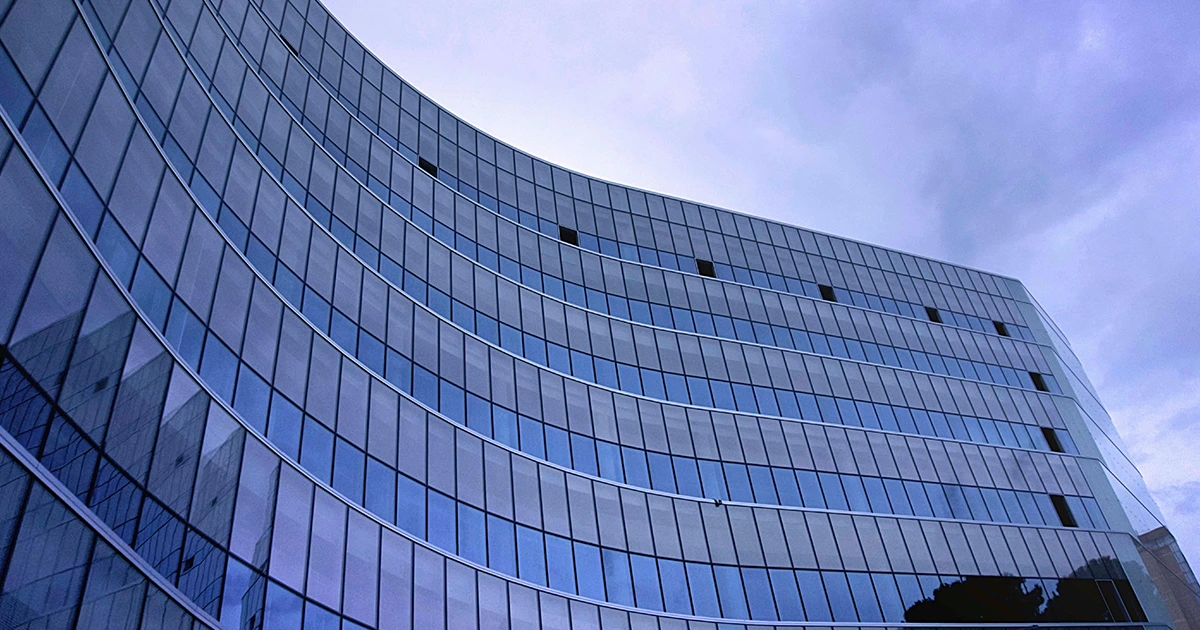
One-Way Mirror Film Window Tinting: Window Film to See Out But Not In
13 Sep 2024, By AdminIf you're seeking privacy while still enjoying an unobstructed view, one-way mirror film window tinting is a fantastic solution. This unique window treatment, often called one-way mirror glass film or simply one-way mirror film, allows you to see out clearly during the day while preventing others from seeing inside. In this blog, we’ll explore how this film works, its benefits, and considerations for using it.
How Does One-Way Mirror Film Work?
One-way mirror glass film works on the principle of light reflection. During the day, the side with more light (typically the outside) reflects light back, creating a mirrored effect. This prevents people from seeing inside while still allowing those inside to see out. The film does not block visibility entirely but gives the appearance of a mirror from the outside.
At night, however, this effect diminishes. If the lights inside are brighter than outside, the film will not prevent people from looking in. Therefore, additional privacy measures, like blinds or curtains, are often used in the evening.
Benefits of One-Way Mirror Film
-
Enhanced Privacy:
The primary advantage of a one-way mirror film is privacy. Whether you’re at home, in an office, or operating a business, this film keeps your interior spaces hidden from the outside world while still offering a clear view of the outdoors. It’s ideal for those who live or work in busy, high-traffic areas. -
Improved Energy Efficiency:
One-way mirror film can also help improve energy efficiency. By reflecting sunlight, it reduces heat buildup in your space, meaning less reliance on air conditioning during the summer months. This can lead to noticeable savings on your energy bill. -
UV Protection:
Along with reflecting light, many one-way mirror films offer UV protection. This reduces the amount of harmful ultraviolet rays entering your home or office, protecting furniture, flooring, and even your skin from sun damage. -
Aesthetic Appeal:
The mirrored appearance of the film provides a modern, sleek look to your windows. It's often used in commercial buildings for this reason, as it adds a professional and polished appearance to the exterior.
Applications of One-Way Mirror Film
One-way mirror glass film can be used in various settings:
- Homes: It’s perfect for residential spaces where you want to maintain privacy without sacrificing views, such as living rooms, kitchens, or home offices.
- Offices: Businesses often use one-way mirror film for conference rooms or executive offices to protect confidentiality while maintaining a visually open environment.
- Retail Stores: For storefronts, this film prevents people from seeing inside during the day but allows staff to observe the outside area freely.
- Public Buildings: Schools, hospitals, and other institutions often use one-way film to enhance security and maintain privacy without creating a closed-off feeling.
Considerations Before Installing One-Way Mirror Film
While one-way mirror film offers many benefits, there are some things to keep in mind:
- Daytime vs. Nighttime Privacy: Remember that the one-way effect only works when the light is brighter outside than inside. If you need 24-hour privacy, you may need to combine the film with other solutions, such as blinds or shades.
- Exterior Reflection: The mirrored exterior can reflect sunlight quite strongly. In some environments, this might cause glare, so it’s important to choose a film that balances reflection with practicality.
- Installation: Professional installation is recommended for one-way mirror film to ensure a smooth, bubble-free finish. Proper installation maximizes both the aesthetic appeal and functional benefits of the film.
One-way mirror film window tinting is a versatile and stylish solution for privacy, energy efficiency, and UV protection. Whether you’re looking to enhance the security of your home, office, or commercial space, this type of window tint allows you to enjoy the best of both worlds—clear views and privacy from those outside.
By choosing high-quality one-way mirror glass film, you can transform your windows into a powerful tool for managing light, temperature, and privacy, all while maintaining a sleek, modern appearance.
One-Way Mirror Film
While one-way mirror privacy window film isn't permitted in New Zealand, our Octane range of darkest legal tints offers a perfect solution. You can achieve that mirror-like appearance without risking fines or driving a non-compliant vehicle. With rich, deep blacks, our darkest legal tint delivers a striking look and enhanced privacy.
Ultimate Privacy, Day and Night—One-Way Mirror Window Film
Our Octane window tint is a top choice for many, offering a range of benefits:
- Exceptional Heat and Glare Reduction: Enjoy a cooler and more comfortable ride with superior heat and glare control, even on long journeys.
- Outstanding UV Protection: With up to 99% UV rejection, you and your family are shielded from harmful UV rays.
- Two Color Options: Choose from two dark shades to achieve the perfect one-way mirror effect you desire.
- Lifetime Nationwide Warranty: Benefit from peace of mind with our lifetime warranty, ensuring coverage across the country.
One-Way Window Film: See Out But Not In
One-way window film offers the perfect blend of daytime privacy while maintaining natural light in your home. Here’s why our "see out but not in" privacy window film is a great choice and the benefits it brings:
Tint a Home is New Zealand’s most trusted window tinting network, with over 50 years of experience. We provide a lifetime nationwide warranty for residential applications and offer interest-free payment plans (over 3, 6, 9, or 12 months) through Openpay.
Benefits of One-Way Window Film:
- Enhanced Privacy: Enjoy privacy without sacrificing natural light, allowing you to maintain your view while obscuring the view into your home.
- Temperature Control: Many privacy films help keep your home cooler in summer and warmer in winter, improving comfort and potentially lowering your energy bills.
- UV Protection: Protect your family and your home’s furnishings from harmful UV rays, reducing fading and sun damage.
Whether you need privacy in a street-facing lounge, a window overlooking your neighbors, or even your bathroom, our "see out but not in" window film is an excellent solution.
Book Now

The Ultimate Guide to Vehicle Wraps in Auckland!
20 Sep 2024, By AdminRevitalizing Your NZ Business with Vehicle Wrap Design
Vehicle branding is a powerful, creative, and eye-catching way to promote your business across New Zealand.
As one of the most cost-effective marketing methods, it offers broad exposure at a relatively low cost, leading to a strong return on investment (ROI). However, the success of your vehicle advertising campaign depends heavily on the quality and design of the vehicle wrap you choose.
In this blog, we’ll guide you through the steps to create impactful vehicle wraps and elevate your branding strategy. Let’s get started!
What is vehicle wrap branding?
Vehicle wrap branding is a creative way to promote your business by applying a custom-designed vinyl graphic or decal to your vehicle. This wrap is placed directly over the original paint, transforming the vehicle’s appearance. The best part? These wraps are fully removable, allowing you to update or switch designs whenever you like.
There are several types of vehicle wraps available for businesses, including:
Full Vehicle Wraps
A full vehicle wrap covers the entire exterior of the vehicle, offering not only a striking new look but also protection from minor bumps, scratches, and damages. If you're using your personal vehicle to advertise your business, full vehicle wraps are an excellent option, providing maximum coverage and a complete transformation of your vehicle's appearance.
Partial Wraps
Partial wraps, as the name implies, cover only selected areas of the vehicle, providing a more understated branding option. This approach works well if you're aiming for a subtle effect. However, a less prominent design might not grab enough attention from passersby. To ensure your brand makes a statement, it's essential to craft creative and eye-catching partial wraps that help your vehicle and brand stand out on the streets.
Fleet Wraps
If your business operates multiple trucks, fleet wraps are an excellent marketing strategy. The large surface area of commercial trucks provides ample space for creative and bold designs. With eye-catching fleet wrap designs, your trucks can act as moving billboards, capturing attention and promoting your brand to a wide audience, especially in busy traffic!
How Vehicle Wrap Design Benefits NZ Small Businesses
Vehicle wrap advertising is one of the most effective promotion strategies for businesses of all sizes. With customizable designs and a variety of vehicle options, the advantages are extensive. Here are some key benefits that can boost your sales over time:
Ongoing Advertising
For growing businesses, visibility is crucial. The more exposure your ad gets, the more successful your campaign will be—and vehicle wraps are a great way to achieve this. With vehicle wrap advertising, your business is constantly on display, reaching a wide audience as the vehicle moves around. Whether in high-traffic areas or local neighborhoods, your brand will be seen by potential customers, increasing the chances of successful sales.
Cost-Effective Marketing
Vehicle wrap designs, whether for vans, buses, or cars, are a cost-efficient advertising solution. For a relatively small investment, you get both brand visibility and a professional look for your vehicle.
If you're a startup with a limited budget, vehicle wrap advertising is ideal. The cost varies based on the vehicle, the wrap coverage, and the design agency you choose, but it remains an affordable option that fits within most budgets.
Increased Lead Generation
With your vehicle constantly on the road, it naturally attracts attention. This helps increase brand awareness and recognition, which can lead to more inquiries and potential sales. Vehicle wrap advertising offers more leads at a lower cost compared to other marketing strategies.
Key Tips for Designing Vehicle Wraps
Your vehicle wrap acts as a mobile billboard, so it's essential to create a design that grabs attention and communicates your message effectively. Here are some important tips to consider:
- Attention-grabbing graphics and visuals To stand out among the many vehicles on the road, your design needs to be visually striking. Use creative, impactful graphics that clearly convey your brand message and call to action (CTA). The design should be visible from a distance and highlight key aspects of your brand and products.
Proper placement of contact information and call-to-action
To maximize leads and sales, it's crucial to prominently feature your contact information and a strong call-to-action (CTA) in your vehicle wrap design. Use clear, legible fonts and bold, bright colors to ensure visibility. Organize the information in a logical hierarchy, making the CTA and contact details stand out for maximum impact. This will help your audience quickly understand how to engage with your business.
Balancing aesthetics and readability in vehicle wraps
Creating an attractive vehicle wrap is important, but balancing design with readability is key. If the design is too overpowering, it can overshadow the text and dilute your brand’s message, undermining the effectiveness of the ad. Stick to your brand’s color palette and prioritize the product, call-to-action (CTA), and contact details. Organize the design in a way that guides the viewer's eye, making it easy to understand and engage with the message. This ensures your ad is both visually appealing and impactful.
The Value of Professional Vehicle Wraps
Commercial vehicle wraps can be a highly rewarding investment due to their impressive return on investment (ROI). Yet, crafting an effective wrap design involves a complex array of elements, including color selection, ad content, fonts, and graphics.
To achieve the best results with your vehicle wrap, it’s essential to work with a skilled vehicle wrap designer in New Zealand. Experienced designers bring years of expertise in creating and applying wraps, ensuring that your advertisement is both effective and stands out from the competition.
What is Car Tint and how much does it cost in Auckland
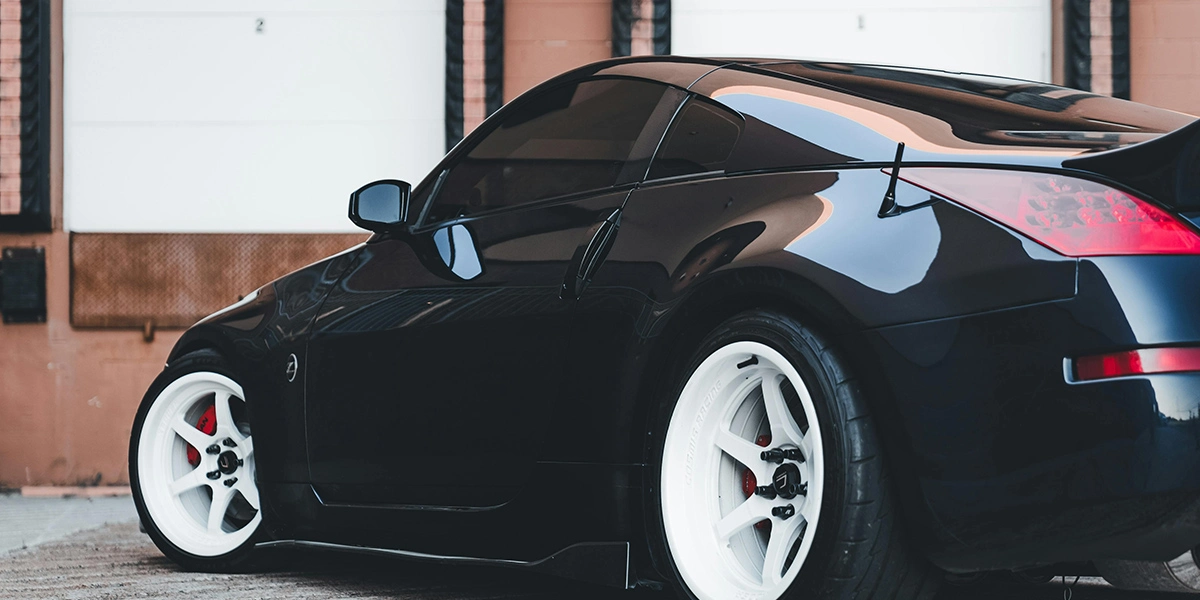
06 Sep 2024, By AdminCar tint is a thin film applied to vehicle windows that helps control the amount of light and heat entering the car's interior. Available in various shades and levels of darkness, car tint offers a range of benefits, including increased privacy, UV protection, and heat reduction. It can reduce glare, shield upholstery and interior surfaces from sun damage, and improve energy efficiency. Additionally, tinted windows can enhance a vehicle's appearance and safety by providing extra shatter resistance in case of an accident. However, it's important to be aware of and comply with local car tinting laws and regulations to avoid fines or penalties.
What Are the Benefits of Car Tint?
Car tinting offers several advantages for vehicle owners in New Zealand. A major benefit is improved privacy, as tinted windows make it harder for others to see inside the vehicle, which is particularly useful for those who keep valuables in their car.
Another advantage is reduced glare. Tinted windows cut down on the amount of sunlight entering the vehicle, minimizing glare and creating a more comfortable driving experience, especially on sunny days or for those with sensitive eyes.
Car tinting also provides enhanced UV protection. By blocking harmful UV rays, car tint helps protect both skin and eyes from sun damage. This is especially important in New Zealand, where high UV levels contribute to elevated skin cancer rates.
Additionally, tinted windows improve comfort by regulating the vehicle's interior temperature. By reducing heat buildup, car tint decreases reliance on air conditioning, which can enhance fuel efficiency.
Finally, car tinting boosts a vehicle's aesthetic appeal. It adds a sleek, sophisticated look to any car, from station wagons to sports cars, with various shades and styles available to match individual preferences and vehicle types.
In summary, car tinting in New Zealand offers enhanced privacy, reduced glare, increased UV protection, improved comfort, and an upgraded appearance, making it a popular choice among vehicle owners.
Cost Factors for Car Tinting in New Zealand
Several factors can affect the cost of car tinting in New Zealand. One of the primary considerations is the size of the vehicle and the number of windows to be tinted. Larger vehicles, such as SUVs or vans, generally require more materials and labor, leading to higher costs. The type and quality of the tinting film also play a significant role in pricing. Standard tints are typically more affordable, while high-performance ceramic films, known for their superior heat and UV-blocking properties, are more expensive. The desired darkness or level of tint can also influence the cost, as darker tints may require additional layers. Additionally, the reputation and expertise of the tinting service provider can impact the price. Choosing a reputable, experienced professional may cost more but ensures high-quality installation without defects or damage. Considering these factors can help car owners make informed decisions and find a balance between their budget and the desired benefits of car tinting.
Types of Car Tint
Car tinting involves applying a thin, transparent film to vehicle windows. In New Zealand, various types of car tint are available to suit different needs and preferences, each offering distinct characteristics and benefits:
- Dyed Films: These are the most common and cost-effective options. They reduce sunlight and glare, enhance interior comfort, and offer some UV protection.
- Metallic Films: These films contain metalized particles that improve heat rejection and glare reduction. They are well-suited for hot climates and sunny conditions.
- Carbon Films: Known for excellent UV protection and heat rejection, carbon films do not interfere with electronic devices and offer good visibility with high light transmittance.
- Ceramic Films: Advanced ceramic films provide the highest level of heat rejection without affecting electronic signals. They offer exceptional UV protection, reduce glare, and maintain excellent visibility.
- Crystalline Films: Crystalline films are the top-of-the-line option. Crystal films provide extreme heat rejection while ensuring maximum visibility and a clear appearance. Although they are more expensive, they deliver the ultimate driving experience.
When choosing the right car tint film for your vehicle, consider factors such as heat rejection, UV protection, visibility, and your personal preferences. Consulting with a professional window tinting service can help you select the best option for your needs.
Size of Vehicle Windows
The cost of car tinting is significantly influenced by the size of your vehicle's windows. Larger windows, such as rear windshields, typically involve higher expenses due to the need for more tinting film and increased labor. The greater surface area requires additional materials and more time to apply the film properly.
Smaller windows, on the other hand, need less film, which can lead to lower costs. The complexity of applying tint to larger windows, which often involves more meticulous work to ensure complete coverage, also contributes to higher costs.
When budgeting for car tinting, consider the size of your vehicle's windows. Larger windows, especially rear windshields, generally result in higher costs due to the increased material and labor required. For an accurate estimate based on your vehicle and window sizes, it's best to consult with a professional tinting service.
Number of Windows to be Tinted
The number of windows to be tinted varies depending on the size and type of the vehicle. Smaller vehicles, like sedans and hatchbacks, typically have a standard set of four windows: the front and rear side windows, and the rear windshield.
Larger vehicles, such as SUVs, vans, and station wagons, often have additional windows, including rear side windows and extra windows found in passenger vans. Tinting all windows enhances privacy and security, especially for larger vehicles, by making it more difficult for potential thieves to see inside and assess the value of items left in the car.
Tinting also provides optimal UV protection and reduces glare, protecting the vehicle’s interior from fading and decreasing the risk of skin damage. Additionally, it improves driving comfort by reducing glare from the sun.
In summary, the number of windows to be tinted depends on the vehicle's size and type. Tinting all windows offers benefits like increased privacy, enhanced security, UV protection, and glare reduction.
Quality of Window Film
The quality of window film is influenced by several factors. One key aspect is whether the film comes with a manufacturer's warranty, which ensures that the film meets certain standards and will perform as expected.
Another important factor is the optical clarity of the film. High-quality films should provide excellent visibility both during the day and at night, whereas poor-quality films may distort the view, potentially affecting driving safety.
It’s also crucial to consider any allowable modifications. Some films may offer options for additional tinted overlays, enhancing privacy and aesthetics. However, it’s important to ensure that any modifications comply with local legal restrictions.
Understanding the legal regulations regarding window tinting is essential, as different regions may have specific laws governing the darkness of tints. Adhering to these regulations helps avoid fines and ensures safe vehicle operation.
In summary, the quality of window film is determined by factors such as the manufacturer's warranty, clarity, and allowable modifications. Choosing high-quality films that offer clear visibility and comply with legal standards ensures a safe and enjoyable driving experience.
Installation Process and Labor Costs
The car tinting installation process involves several steps, and labor costs can vary based on vehicle size and the number of windows. The process starts with thoroughly cleaning the windows to create a smooth surface for the tint.
Next, the tint film is precisely measured and cut to fit each window. Accurate cutting is crucial for a proper fit. The film is then carefully applied to the inside of the windows, with a professional installer ensuring that any wrinkles or air bubbles are removed for a seamless finish.
Labor costs typically reflect the time and expertise required for installation. Larger vehicles with more windows generally require more labor, resulting in higher costs.
For an accurate quote based on your vehicle and window requirements, it's advisable to consult with a reputable car tinting service.
Legal Limitations on Window Tints in New Zealand
In New Zealand, window tinting must adhere to specific legal restrictions to ensure road safety. The New Zealand Transport Agency (NZTA) regulates the darkness of window tints through Visible Light Transmission (VLT) percentages. For front-side windows and windshields, the law requires a minimum of 35% VLT, meaning that at least 35% of visible light must pass through. Rear side windows and rear windshields also have a minimum VLT of 35% or darker, though these percentages are not cumulative. Reflective tints are prohibited.
To avoid fines and ensure compliance with New Zealand’s window tinting laws, vehicle owners should follow these regulations closely. Consulting a professional tinting service can help ensure that your vehicle meets legal requirements.
VLT Requirements for Passenger Vehicles and Vans in NZ
In New Zealand, Visible Light Transmittance (VLT) regulations vary for passenger vehicles and vans:
- Passenger Vehicles: The front windscreen and front side windows must have a VLT of at least 35%, allowing 35% of visible light to pass through. There are no specific VLT requirements for the rear side windows or rear windscreen, so they can be tinted darker if desired.
- Vans: The front windscreen must also meet the 35% VLT requirement. However, all other windows on vans, including the front side, rear side, and rear windscreen, must have a minimum VLT of 20%, allowing less visible light to pass through compared to passenger vehicles.
To ensure compliance with these regulations, glazing markings are often used on window films. These markings indicate the VLT percentage, making it easier for drivers and law enforcement to verify compliance.
Adhering to VLT requirements not only ensures legal compliance but also enhances driving comfort by reducing glare and providing UV protection while maintaining sufficient visibility for the driver.
Considerations for Sun Visors, Rear View Mirrors, and Windshields
Sun visors are designed to block direct sunlight and reduce glare, but tinting them is not recommended. Tinting can impair their function, which is to provide clear and unobstructed visibility.
Rear view mirrors must remain unaffected by window tinting to ensure they provide a clear reflection of the road behind. Tinting the windshield can impact the mirror’s effectiveness and the overall visibility of other vehicles.
In New Zealand, tinting on the front windscreen is restricted to a narrow strip along the top, known as a sun visor band. This strip must be no wider than 10 centimeters and cannot extend below the AS1 line marked on the glass.
Additionally, rear view mirrors and other accessories, such as radio antennas or demister units, should not be obstructed by modifications. Glazing markings on window film help verify that VLT requirements are met, ensuring safety and compliance.
In summary, when tinting car windows, consider the functionality of sun visors, rear view mirrors, and windshields. Adhering to legal requirements for these components, using glazing markings, and choosing a reputable tint installer will ensure compliance with regulations and maintain safe driving conditions.
Types of Car Tinting Products Available in New Zealand
When selecting car tinting products in New Zealand, there are various options to suit different needs and preferences. Each type of tint offers unique benefits, enhancing both comfort and style.
Standard Tints Standard tints are a popular choice for those seeking UV protection and moderate privacy. They provide a balanced level of light transmission, allowing enough visibility while offering some shade from the sun’s glare.
Ceramic Films Ceramic films are renowned for their superior performance. They excel in heat rejection, significantly reducing the amount of heat that enters the vehicle, which helps to keep the interior cooler and can lead to fuel savings by reducing air conditioning use. Additionally, ceramic films offer excellent UV protection, safeguarding both occupants and the vehicle’s interior from harmful sun rays. These films also minimize glare, improving driving comfort and safety. Durable and resistant to fading, bubbling, and peeling, ceramic films are a long-lasting investment for vehicle owners.
Carbon Films Carbon films are favored for their outstanding heat rejection and UV protection. These films come in various shades, allowing you to select the level of tint that best suits your preferences. Carbon films help keep the vehicle’s interior cool and reduce reliance on air conditioning, contributing to fuel efficiency. They maintain good visibility both during the day and at night, making them a practical choice for enhancing driving comfort and safety.
Metal Films Metal films feature tiny metal particles embedded in the film, providing a reflective appearance. They are highly effective in rejecting heat and blocking UV rays, helping to keep the car’s interior cooler and preventing damage to upholstery and occupants’ skin. However, metal films can sometimes create glare and may interfere with electronic devices like GPS or mobile phones.
Popular Brands of Window Tint
In New Zealand, several reputable brands offer high-quality window tinting products. Among the most trusted are STEK, 3M, and Lumar.
- STEK: Known for its innovative and high-performance window films, STEK provides a range of options that cater to various needs, including advanced ceramic films for superior heat rejection and UV protection.
- 3M: A leading name in the tinting industry, 3M offers a diverse selection of window films that combine durability with excellent heat and UV protection. Their products are designed to enhance comfort while maintaining clarity and visibility.
- Lumar: Renowned for its high-quality and reliable window tints, Lumar provides a range of choices that deliver effective heat reduction and UV shielding, helping to preserve the vehicle’s interior and improve driving comfort.
Choosing a quality window tint from these reputable brands ensures superior performance, durability, and compliance with New Zealand’s tinting regulations. Although the initial cost may be higher, investing in a quality tint provides long-term benefits and enhances your driving experience.

What Is The Darkest Legal Tint In NZ?
30 Aug 2024, By AdminYou’re cruising down a long, smooth highway, taking in the scenic beauty all around you. Suddenly, a sleek black sedan zooms by, catching your eye with its dark, mysterious window tints. The striking contrast between the deep black glass and the shining car body leaves you a bit envious—there’s something undeniably captivating about those dark tints.
Let’s be honest: dark tints give any car a bold, impressive look. Beyond their aesthetic appeal, they also offer practical benefits like protecting passengers from the sun and keeping the interior cool. However, it’s important to remember that there are specific regulations in New Zealand regarding the use of dark tints on vehicles, enforced by the New Zealand Transport Agency and the Ministry of Transport. These regulations must be followed to ensure your car stays road legal.
In this guide, we’ll cover everything you need to know about shaded car window tints, including the legal requirements in New Zealand. We’ll also show you how to have these dark tints installed on your car, legally and expertly.
How to Install the Darkest Legal Tints in NZ
At AutoExpert.co.nz, we are specialists in shaded car window tinting with over 8 years of experience. When it comes to ensuring that your car’s tints are both stylish and compliant with legal standards, AutoExpert is the name you can trust.
To achieve the best and darkest legal tint for your vehicle, visit our studio. Our experts will guide you through the process, helping you choose the perfect tint to transform your car.
Curious about what makes AutoExpert stand out? Learn more about us here, where you'll also find our contact details and location.
Now, let’s dive into the rules and regulations surrounding window tinting in New Zealand and find out what the darkest legal tint is.
Legal Tint NZ: The Reason for Regulations
Dark tints can make a vehicle look sleek and imposing, but there are good reasons for the legal restrictions on their use.
One of the main concerns is visibility. Once windows are heavily tinted, the interior of the vehicle becomes obscured, which could be exploited by individuals with ill intent, making it difficult for law enforcement to see inside the vehicle.
To prevent such issues, New Zealand has established clear rules for the use of dark tints.
These regulations don’t just apply to windows; there are also restrictions on tinting headlights. According to the New Zealand Transport Agency, it’s illegal to apply tint to headlights or lamps, except for decorative purposes.
How Tint Darkness Is Measured
The darkness of shaded car window tints is measured by Visual Light Transmittance (VLT).
VLT refers to the amount of light that can pass through the tinted windows. A higher VLT percentage means more light passes through, indicating a lighter tint, while a lower VLT percentage means less light passes through, indicating a darker tint.
To better understand the legal requirements, let’s take a closer look at the classification of passenger vehicles.
Classification of Passenger Vehicles
The New Zealand Transport Authority categorizes vehicles based on factors like size, power, and seating capacity.
Passenger vehicles are classified into three main categories: MA, MB, and MC.
- MA (Passenger Car): Vehicles with up to 9 seating positions, including the driver.
- MB (Forward Control Passenger Vehicle): Vehicles with 9 seating positions and a steering wheel located in the forward quarter of the vehicle’s length.
- MC (Off-Road Passenger Vehicle): Vehicles designed for off-road use, also with 9 seating positions.
Other classifications include MD (light omnibus), ME (heavy omnibus), goods vehicles, and trailers, each with further sub-categories based on weight, capacity, and usage.
Checking Tint Compliance
The most accurate way to check if your window tint complies with NZ laws is by using a calibrated VLT meter, available at our studio. This device measures the exact VLT of the tint, ensuring it fully complies with the regulations set by the New Zealand Transport Agency and the Ministry of Transport.
We also recommend placing a sticker on the windshield that indicates the VLT level of the installed tints, which can help speed up inspections. While not mandatory, this sticker can make the process smoother.
For a more detailed understanding of legal tinting regulations, you can visit the Ministry of Transport’s website: Land Transport Rule: Glazing, Windscreen Wipe and Wash, and Mirrors Rule 1999.
Dark tints on car windows are not only stylish but also provide privacy and protection from the sun. However, they can also be misused, which is why strict regulations are in place.
At Dr. Tint, we have experience in installing top-quality dark tints that are both stylish and fully compliant with all legal requirements.
Consult with us today and give your car the perfect makeover with our expert tinting services!
Book Now

Automotive Vinyl Wrap Service Near Me
16 Aug 2024, By AdminTransform your car with Tint a Car – New Zealand’s most trusted name in vinyl wraps and tinting, with over 50 years of experience. We offer professional installations and exclusive products backed by a lifetime nationwide warranty on most films, plus a 30-day money-back guarantee.
What is vinyl car wrapping?
Vinyl car wrapping involves covering your car with high-quality vinyl film, available in a variety of colors, textures, and custom designs. This gives your car a fresh, unique look while also protecting the original paint from damage caused by environmental factors like bird droppings or tree sap.
Why wrap your car?
Wrapping your car is an affordable way to refresh its look while providing a layer of protection. It’s significantly cheaper than a traditional paint job, which can cost anywhere from $1,000 to $10,000. Vinyl wraps start as low as $50 for smaller areas like side mirrors, with larger sections like the bonnet costing around $350. The final price depends on the size of your car and the amount of wrapping needed.
What parts of the car can be wrapped?
From bonnets, roofs, and boots to door handles and racing stripes – we can wrap almost any part of your car. Full wraps are also available for a complete transformation. With a lifespan of 1 to 10 years, vinyl wraps protect your car's original paint from minor chips, weathering, and natural hazards, which can help increase resale value.
Easy to Maintain
Maintaining a vinyl wrap is a breeze—no waxing is required! Just soap and water are enough to keep your car looking clean and sleek. And if you ever want a change, the wrap can be safely removed without affecting the original paint underneath.
Vinyl Wraps for Businesses
Want to promote your business on the go? Vinyl wraps are the perfect solution. Provide us with your design, and we’ll turn your vehicle into a mobile billboard.
Elevate your car’s look and protection with Tint a Car – the experts in vinyl wrapping and tinting in New Zealand.

Can I Tint My Car's Windscreen in New Zealand?
09 Aug 2024, By AdminCar windscreen tinting in New Zealand is subject to specific regulations to ensure safety and compliance with the law. According to New Zealand's Land Transport Rule, tinting on the front windscreen is generally restricted. A clear strip at the top of the windscreen, often referred to as a Sun strip, is permissible but must not exceed 100mm in width. This strip helps reduce glare from the sun while driving. For the rest of the windscreen, a minimum of 70% Visible Light Transmission (VLT) is required, meaning the tint must allow at least 70% of light to pass through. These regulations are in place to ensure drivers maintain clear visibility for safe driving conditions. Before proceeding with car windscreen tinting, it is crucial to consult with professional tinting services to ensure your vehicle adheres to these legal requirements.
Understanding Car Windscreen Tint Regulations
In New Zealand, the Land Transport Rule: Vehicle Equipment and Inspection (2004) sets out clear guidelines regarding the tinting of car windows, including the windscreen. According to these regulations, there are strict rules about how much tinting is allowed on the windscreen to ensure driver visibility and road safety.
Key Regulations for Windscreen Tinting:
- Visibility Requirements: The most crucial regulation is that the windscreen must allow a certain level of light transmission. The rule generally states that the windscreen must allow at least 70% of light to pass through. This ensures that drivers have an unobstructed view of the road and surroundings.
- Tinted Bands: While full tinting of the windscreen is not permitted, you can apply a tinted band to the top of the windscreen. This band, also known as a Sun strip, helps to reduce glare from the sun without compromising visibility. The band must be positioned above the line of sight and should not exceed a certain percentage of the windscreen’s total area.
- Quality of Tint Film: Any tint film used on the windscreen must comply with New Zealand standards and should not interfere with the vehicle's safety features, such as airbags or sensors. It's important to choose a high-quality tint film that meets these standards to avoid any legal issues.
Why Consider Tinting Your Windscreen?
While the full tinting of the windscreen is restricted, a tinted sunstrip can offer several benefits:
- Reduced Glare: A tinted sun strip can significantly reduce glare from the sun, improving driving comfort and safety during sunny conditions.
- Heat Reduction: Tinted bands can help reduce the amount of heat that enters your vehicle, making it more comfortable during hot days.
- UV Protection: Tinted films can block harmful UV rays, protecting the interior of your car from fading and damage.
Choosing a Professional Tinting Service
If you’re considering adding a tinted band to your windscreen, it’s best to consult with a professional tinting service. They will ensure that the tint complies with New Zealand regulations and is applied correctly. Professional tinting services can also offer advice on the best type of tint film to use and can help you choose a solution that meets your needs while adhering to legal requirements.
Conclusion
In summary, while full tinting of your car's windscreen is not allowed in New Zealand, you can apply a tinted band to the top of the windscreen to reduce glare and enhance comfort. It’s essential to adhere to the regulations regarding light transmission and the quality of tint film to ensure safety and compliance. If you’re considering this enhancement, consult with a professional to get the best results and avoid any legal issues. By understanding and following these guidelines, you can enjoy the benefits of car windscreen tinting while staying within the legal limits.

The Pros and Cons of Tinted House Windows
05 Aug 2024, By AdminWhen it comes to enhancing your home's comfort, privacy, and energy efficiency, HOME WINDOW TINTING has become an increasingly popular option. Tinted windows offer a range of benefits, but they also come with some drawbacks. Let's explore the pros and cons of tinting your house windows.
Pros of Home Window Tinting
1. Energy Efficiency
One of the most significant advantages of HOME WINDOW TINTING is improved energy efficiency. Tinted windows can block a substantial amount of solar heat, reducing the need for air conditioning during hot summer months. This can lead to lower energy bills and a reduced carbon footprint.
2. UV Protection
Tinted windows provide excellent protection against harmful UV rays. Prolonged exposure to UV rays can cause furniture, carpets, and other interior items to fade over time. Window tinting helps preserve the vibrancy of your home’s interior by blocking up to 99% of UV radiation.
3. Enhanced Privacy
Privacy is a major concern for many homeowners, and HOME WINDOW TINTING can provide a simple solution. Tinted windows make it more difficult for people to see inside your home, giving you a greater sense of security and privacy without the need for heavy curtains or blinds.
4. Glare Reduction
Excessive glare from the sun can be a nuisance, especially when trying to watch TV or work on a computer. Tinted windows reduce glare, making your living spaces more comfortable and visually appealing.
5. Increased Safety
In the event of an accident or break-in, tinted windows can offer an additional layer of safety. The film used in tinting helps hold the glass together, preventing it from shattering into dangerous shards.
Cons of Home Window Tinting
1. Initial Cost
One of the main drawbacks of HOME WINDOW TINTING is the initial cost. Professional installation can be expensive, depending on the size and number of windows being tinted. However, many homeowners find that the long-term energy savings and other benefits outweigh this initial investment.
2. Potential Aesthetic Changes
While many people appreciate the sleek, modern look of tinted windows, others may find that they darken their home too much or alter the appearance of their exterior in an undesirable way. It's important to choose a tint that complements your home’s style and meets your personal preferences.
3. Reduced Natural Light
While tinted windows are great for reducing glare and blocking UV rays, they can also reduce the amount of natural light that enters your home. This can make your living spaces feel darker, which may not be ideal for everyone.
4. Installation Quality
The effectiveness of HOME WINDOW TINTING largely depends on the quality of the installation. Poorly installed tints can bubble, peel, or become discolored over time. It’s crucial to hire experienced professionals to ensure a smooth and long-lasting finish.
5. Maintenance
Maintaining tinted windows can require special care. Certain cleaning products and methods can damage the tint, so it’s essential to follow the manufacturer’s recommendations for cleaning and maintenance.
Conclusion
HOME WINDOW TINTING offers numerous benefits, from energy efficiency and UV protection to enhanced privacy and safety. However, it’s important to consider the potential downsides, such as the initial cost, aesthetic changes, reduced natural light, and maintenance requirements. By weighing these pros and cons, you can make an informed decision about whether window tinting is the right choice for your home.

How Should I Care for My Tinted Windows?
27 Jul 2024, By AdminCar window tinting not only enhances the look of your vehicle but also offers several practical benefits, such as UV protection, heat reduction, and privacy. However, to ensure that your tinted windows remain in top condition and last for a long time, proper care and maintenance are essential. Here’s a comprehensive guide on how to care for your car’s tinted windows.
1.Wait Before Cleaning
After installing car window tinting, it's crucial to wait at least a few days before cleaning the windows. This allows the tint to fully adhere to the glass. Touching or cleaning the tint prematurely can cause bubbles or peel the film off the window.
2. Use the Right Cleaning Products
When cleaning tinted windows, avoid using ammonia-based cleaners, as ammonia can break down the tint and cause discoloration. Instead, opt for a mild, non-abrasive soap mixed with water or a cleaner specifically designed for tinted windows. You can also use a vinegar and water solution as a natural alternative.
3. Soft Cloths and Sponges
Always use a soft cloth or sponge when cleaning tinted windows. Abrasive materials like paper towels or scrubbing pads can scratch the tint. Microfiber cloths are ideal because they are gentle and effective at removing dirt and smudges without causing damage.
4. Gentle Cleaning Techniques
When cleaning your tinted windows, apply the cleaning solution to the cloth rather than directly onto the window. This helps to control the amount of liquid and prevents it from seeping into the edges of the tint, which can cause peeling. Wipe the windows in a gentle, circular motion to avoid putting too much pressure on the tint.
5. Regular Cleaning
Regularly cleaning your tinted windows helps maintain their appearance and functionality. Dust, dirt, and grime can build up over time, potentially causing scratches if not removed. Aim to clean your windows at least once a month or more frequently if you live in a particularly dusty or polluted area.
6. Avoid Rolling Down Windows
For the first few days after getting your car windows tinted, avoid rolling them down. The adhesive needs time to cure, and rolling down the windows can cause the tint to peel or bubble.
7. Be Mindful of Seatbelts and Other Objects
Be careful when using seatbelts, loading items into your car, or performing any actions that might come into contact with your tinted windows. Seatbelts can snap back and hit the windows, causing scratches or other damage to the tint. Similarly, avoid placing objects against the windows that could potentially scratch or damage the film.
8. Inspect Regularly for Damage
Regularly inspect your tinted windows for any signs of damage, such as bubbles, peeling, or scratches. Early detection can help prevent minor issues from becoming major problems. If you notice any significant damage, it may be necessary to consult a professional to repair or replace the tint.
9. Protect from Direct Sunlight
While car window tinting is designed to reduce heat and UV exposure, excessive direct sunlight can still cause wear over time. Whenever possible, park your car in shaded areas or use a sunshade to protect your windows and extend the life of your tint.
10. Professional Maintenance
If you're unsure about how to care for your tinted windows or if you encounter any issues, don’t hesitate to seek professional help. Professional installers can provide maintenance tips and repair services to keep your tint in excellent condition.
Conclusion
Proper care and maintenance of your car window tinting are crucial to ensuring its longevity and effectiveness. By following these simple guidelines, you can keep your tinted windows looking great and performing well for years to come. Remember, the key is to be gentle, use the right products, and maintain a regular cleaning schedule. Enjoy the benefits of your tinted windows, from enhanced privacy to UV protection, and keep them in top-notch condition with these easy tips.

What You Should Know Before Tinting Your Car
08 Jun 2024, By AdminCar window tinting is a popular modification for vehicles, offering a range of benefits from aesthetic enhancements to practical advantages. However, before you jump into tinting your car windows, there are several important factors to consider. In this blog, we will explore everything you need to know to make an informed decision about car window tinting.
Benefits of Car Window Tinting
- UV Protection: One of the primary benefits of car window tinting is the protection it offers against harmful ultraviolet (UV) rays. Quality window tints can block up to 99% of UV rays, which can protect your skin from damage and reduce the risk of skin cancer. Additionally, it helps in preserving your car’s interior by preventing fading and cracking caused by sun exposure.
- Heat Reduction: Car window tinting can significantly reduce the heat inside your car by blocking a substantial amount of solar energy. This can make your driving experience more comfortable, particularly during hot summer months, and reduce the need for excessive air conditioning, potentially improving fuel efficiency.
- Enhanced Privacy and Security: Tinted windows provide increased privacy by making it harder for outsiders to see inside your vehicle. This can deter potential thieves by concealing valuables from prying eyes. Furthermore, in the event of an accident, the tint film can hold shattered glass together, reducing the risk of injury.
- Improved Aesthetics: Many car owners choose to tint their windows to enhance the look of their vehicles. Tinted windows can give your car a sleek, sophisticated appearance that sets it apart from others on the road.
Before you proceed with car window tinting, it’s crucial to understand the laws and regulations in your area. Tinting laws vary widely by state and country, dictating the permissible level of tint darkness and reflectivity. Violating these regulations can result in fines and may require you to remove the tint.
Visible Light Transmission (VLT)
The level of tint is measured by the percentage of visible light that passes through the window, known as Visible Light Transmission (VLT). For example, a 50% VLT tint allows 50% of light to pass through, whereas a 5% VLT tint (often referred to as "limo tint") only allows 5% of light through. Check your local laws to determine the legal VLT percentages for your front, rear, and side windows.
Medical Exemptions
Some jurisdictions allow for medical exemptions, permitting darker tints for individuals with specific health conditions that necessitate reduced sun exposure. If you believe you qualify, consult with your local DMV or relevant authority to understand the application process and required documentation.
Types of Window Tint Films
Choosing the right type of tint film is crucial for achieving the desired results. Here are the main types of window tint films available:
- Dyed Window Tint: Dyed window tint is the most cost-effective option. It involves applying a layer of dye between an adhesive layer and a protective top coating. While it provides a darker appearance, it may not offer the same level of heat reduction as other types.
- Metalized Window Tint: Metalized tint contains tiny metallic particles that reflect heat and UV rays. This type of tint is more durable and effective at heat reduction compared to dyed tints. However, it can interfere with electronic signals, such as GPS and mobile phone reception.
- Hybrid Window Tint: Hybrid tints combine dyed and metalized layers, offering a balance of affordability, heat reduction, and minimal signal interference. This makes it a popular choice for many car owners.
- Ceramic Window Tint: Ceramic tint is a premium option that uses ceramic particles to block heat and UV rays. It provides excellent performance without interfering with electronic signals. While more expensive, ceramic tint offers superior durability and clarity.
- Carbon Window Tint: Carbon tint contains carbon particles that effectively block infrared light, reducing heat without compromising visibility. It is highly durable and does not fade over time, making it a long-lasting investment.
Professional Installation vs. DIY
While DIY tint kits are available, professional installation is recommended for the best results. Experienced installers have the tools and expertise to apply the tint smoothly, without bubbles or imperfections. Professional installation also often comes with a warranty, providing peace of mind in case of any issues.
Maintenance Tips
To ensure your car window tint lasts as long as possible, follow these maintenance tips:
- Wait Before Cleaning: After installation, wait a few days before cleaning your windows to allow the tint to fully cure.
- Use Gentle Cleaners: Avoid ammonia-based cleaners, as they can damage the tint film. Instead, use a mild, non-abrasive cleaner and a soft cloth.
- Be Mindful of Edges: Be careful when cleaning the edges of the tinted windows to prevent peeling or lifting of the film.
Conclusion
Car window tinting Car window tinting offers numerous benefits, from protecting your health and enhancing your car’s appearance to improving comfort and security. By understanding the legal requirements, choosing the right type of tint, and opting for professional installation, you can enjoy the many advantages of tinted windows while avoiding potential pitfalls. Whether you’re seeking UV protection, heat reduction, or a stylish upgrade, car window tinting is a worthwhile investment for any vehicle owner.
How to Maintain and Care for Tinted Office Windows
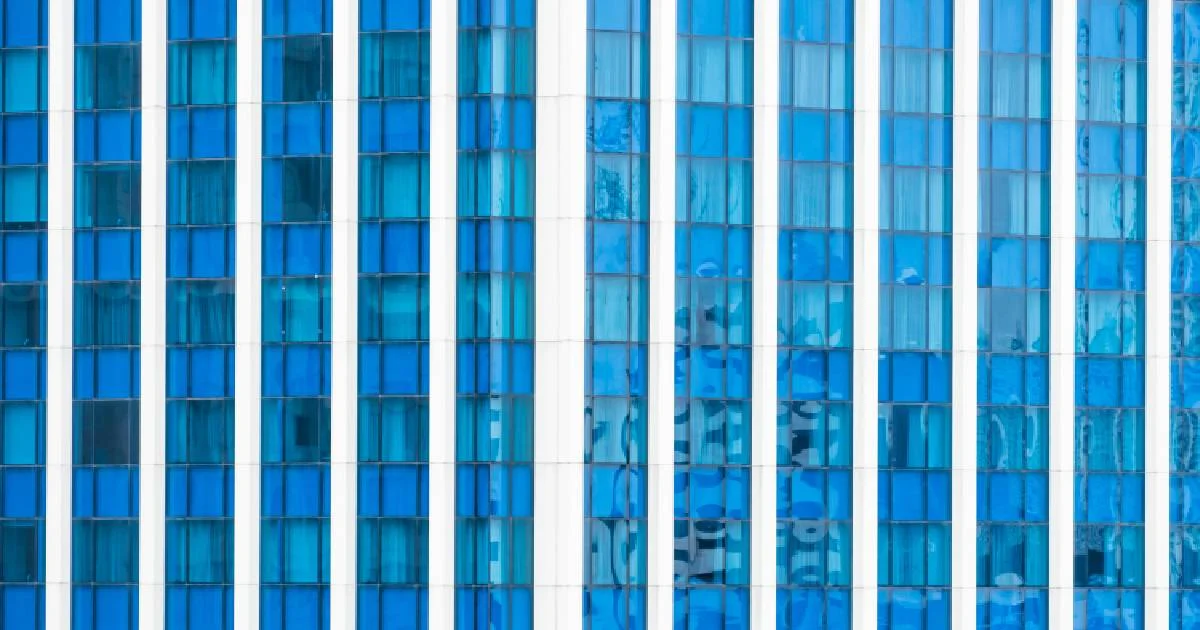
28 May 2024, By AdminOffice window tinting is a fantastic way to enhance the comfort and aesthetic of your workspace. Not only does it provide privacy and reduce glare, but it also helps in energy conservation by blocking harmful UV rays and controlling heat. However, to keep your tinted windows looking great and functioning effectively, proper maintenance and care are essential. Here’s a comprehensive guide on how to maintain and care for your tinted office windows.
Understanding Office Window Tinting
Before diving into maintenance tips, it’s important to understand what office window tinting involves. Window tints are thin films applied to the interior or exterior of glass surfaces. These films are designed to block UV rays, reduce heat and glare, and offer privacy without compromising natural light. High-quality window tints can last for many years, but their longevity largely depends on how well they are maintained.
Immediate Care Post-Installation
Allow Proper Curing Time
After installation, window tinting requires time to cure. This process can take anywhere from a few days to a few weeks, depending on the type of tint and the weather conditions. During this period:
- Avoid cleaning the windows.
- Do not roll down tinted windows (if applicable) to prevent peeling or damage.
- Expect minor haziness or small water bubbles, which will disappear as the film dries and adheres completely to the glass.
Regular Cleaning Tips
Use Gentle Cleaning Solutions
When it’s time to clean your tinted windows, opt for a mild, non-abrasive cleaning solution. A simple mix of water and a small amount of dish soap works well. Avoid ammonia-based cleaners as they can degrade the tint film over time.
Soft Clothes and Tools
Use a soft microfiber cloth or a rubber squeegee for cleaning. These materials are gentle on the tint film and help avoid scratches. Always dampen the cloth slightly before wiping the windows to prevent dry rubbing.
Gentle Cleaning Technique
- Spray the Solution: Lightly spray the cleaning solution onto the window surface.
- Wipe Gently: Using a soft cloth, gently wipe the window in a circular motion to remove dirt and smudges.
- Dry with Care: Use a dry microfiber cloth to gently pat the window dry, avoiding any streaks.
Preventing Damage
- Avoid Sharp Objects: Keep sharp objects away from tinted windows to prevent accidental scratches or tears. Office equipment, badges, or pens can cause damage if they come into direct contact with the window film.
- Temperature Considerations: Extreme temperatures can affect the adhesive properties of window tints. Avoid exposing tinted windows to excessive heat or cold. Ensure that window coverings or shades are used to moderate the temperature around the tinted windows.
- Regular Inspections: Periodically inspect your tinted windows for signs of wear and tear. Look for peeling, bubbling, or scratches. Early detection of damage can help in taking timely corrective actions, such as reapplying the tint film if necessary.
Professional Maintenance
- Regular Professional Cleaning: Consider scheduling regular professional cleaning services for your office windows. Professionals have the right tools and expertise to clean tinted windows without causing damage, ensuring they remain in optimal condition.
- Tint Reapplication: Over time, even the best-maintained tints may need reapplication. Depending on the quality of the tint and environmental factors, window tints can last between 5 to 15 years. Professional reapplication ensures that your office windows continue to provide the benefits of tinting.
Conclusion
Maintaining and caring for tinted office windows is not a daunting task if you follow the right steps. By using gentle cleaning methods, preventing damage, and scheduling professional maintenance, you can ensure that your office window tinting remains effective and aesthetically pleasing for many years. Remember, well-maintained tinted windows not only enhance the look of your office but also contribute to a more comfortable and energy-efficient workspace.

How To Increase Productivity With Commercial Window Tinting
28 May 2024, By AdminIn today's fast-paced business world, maximizing productivity is paramount. One often overlooked but highly effective method to enhance workplace efficiency is through office window tinting. Commercial window tinting can offer numerous benefits that contribute to a more productive and comfortable work environment.
Reduce Glare and Eye Strain
Natural light is essential for a pleasant office atmosphere, but too much sunlight can cause glare on computer screens and other surfaces, leading to eye strain and discomfort. Office window tinting can significantly reduce glare, allowing employees to work more comfortably and efficiently. Less squinting and fewer headaches mean better focus and higher productivity.
Improve Climate Control and Comfort
Maintaining a comfortable temperature in an office is crucial for employee satisfaction and productivity. Office window tinting helps regulate indoor temperatures by blocking excessive heat from the sun. This reduces the reliance on air conditioning systems, leading to a more stable and comfortable environment. Employees are less likely to be distracted by temperature fluctuations, which can enhance overall work performance.
Enhance Privacy and Security
Privacy is often a concern in office settings, especially for ground-floor or street-facing windows. Office window tinting can provide an added layer of privacy without sacrificing natural light. Employees can feel more secure and less exposed, which can contribute to a more relaxed and focused work environment. Additionally, tinted windows can deter potential break-ins, as they make it more difficult for outsiders to see valuable equipment inside.
Reduce Energy Costs
Energy efficiency is not only good for the environment but also for your company's bottom line. Office window tinting can help lower energy consumption by reducing the amount of heat entering the building. This means your heating, ventilation, and air conditioning (HVAC) systems don’t have to work as hard to maintain a comfortable temperature. Lower energy bills can free up resources for other productivity-enhancing investments.
Protect Furniture and Equipment
Sun exposure can cause significant damage to office furniture, carpets, and electronic equipment over time. UV rays can lead to fading, discoloration, and deterioration, resulting in frequent replacements and repairs. Office window tinting blocks up to 99% of harmful UV rays, prolonging the life of your office furnishings and equipment. This not only saves money but also ensures that your office remains an aesthetically pleasing and professional environment.
Boost Employee Morale
A well-lit, comfortable, and aesthetically pleasing office can significantly impact employee morale. Happy employees are more productive and engaged in their work. Office window tinting contributes to creating a pleasant work atmosphere by reducing glare, controlling temperature, and ensuring privacy. When employees feel comfortable and valued, they are more likely to be motivated and productive.
Increase Focus and Concentration
Reducing external distractions is crucial for maintaining focus in a busy office environment. Office window tinting can help minimize outside distractions by limiting the view into and out of the building. This creates a more controlled and focused work environment, allowing employees to concentrate better on their tasks.
Office window tinting is a cost-effective and efficient way to enhance productivity in your workplace. By improving comfort, enhancing privacy, regulating temperature, protecting against UV rays, and adding aesthetic value, window tinting creates a more conducive environment for employees to thrive. Investing in office window tinting can lead to happier, more productive employees and a more successful business overall.

10 Things You Should Know Before Car Wrapping
27 May 2024, By AdminIn the world of vehicle customization, car wrapping has become increasingly popular. Whether you're looking to give your car a fresh new look or advertise your business on the go, car wrapping offers a versatile and affordable solution. However, before diving into the world of vinyl wraps, there are several key factors to consider. In this blog post, we'll explore 10 things you should know before car wrapping.
- Car Wrapping: Car wrapping involves applying a vinyl film to the exterior of a vehicle. This film can come in a variety of colors, finishes, and textures, allowing for endless customization options.
- Temporary Transformation: Unlike paint, car wraps are not permanent. They can be easily removed without damaging the vehicle's paint underneath. This makes car wrapping an ideal option for those who like to change up their car's appearance frequently.
- Cost Considerations: While car wrapping is generally more affordable than a custom paint job, it's still an investment. The cost can vary depending on the size of the vehicle, the complexity of the design, and the quality of the vinyl used.
- Quality Matters: Opting for high-quality vinyl and professional installation is crucial for a long-lasting and visually appealing wrap. Cheaper materials may fade or peel over time, detracting from the overall look of your vehicle.
- Surface Preparation: Proper surface preparation is essential for a successful car wrap. The vehicle's exterior must be thoroughly cleaned and free of any dirt, wax, or debris that could affect adhesion.
- Durability and Maintenance: A well-installed vinyl wrap can last several years with proper care. However, it's essential to follow manufacturer recommendations for maintenance, which may include avoiding harsh chemicals and abrasive cleaning methods.
- Design Considerations: When designing your car wrap, consider factors such as visibility, readability (for advertising wraps), and overall aesthetic appeal. Work closely with your designer to ensure your vision is accurately translated onto the vehicle.
- Legalities and Regulations: Before applying a car wrap, familiarize yourself with local laws and regulations regarding vehicle modifications. Certain colors or designs may be restricted, especially for commercial vehicles.
- DIY vs. Professional Installation: While DIY car wrapping kits are available, professional installation is often recommended for the best results. Professional installers have the experience and expertise to ensure a seamless finish and minimize the risk of errors.
- Removal Process: When the time comes to remove your car wrap, it's essential to do so carefully to avoid damaging the underlying paint. Professional removal services can help simplify this process and ensure a smooth transition back to the vehicle's original appearance.
In conclusion, car wrapping offers a convenient and customizable way to transform your vehicle's appearance. By understanding these key considerations before diving into a car wrapping project, you can ensure a successful outcome that enhances the look and value of your vehicle. Whether you're looking to make a statement on the road or promote your business, a professionally installed car wrap can help you achieve your goals with style and versatility.

What Factors Should You Consider While Choosing Home Window Tinting?
11 Apr 2024, By AdminIn the realm of home improvement, there's a subtler yet incredibly impactful upgrade that often gets overlooked: home window tinting. Window tinting not only adds aesthetic appeal to your residence but also offers a range of practical benefits, from energy efficiency to enhanced privacy. However, choosing the right window tinting for your home involves considering various factors to ensure you make the most suitable choice. Let's delve into what you should ponder when selecting home window tinting.
Purpose and Goals
Before diving into the myriad options available, it's essential to define the purpose and goals you want to achieve with window tinting. Are you primarily concerned with reducing glare? Or perhaps you're looking to enhance privacy without sacrificing natural light? Understanding your objectives will guide you towards the most appropriate tinting solutions for your home.
Types of Window Tints
- Solar Control Films: Designed to reduce heat and glare from sunlight, solar control films can help maintain a comfortable indoor temperature while protecting your furnishings from UV damage.
- Privacy Films: Ideal for areas requiring increased privacy, these films obscure visibility from outside while allowing ample light to enter your home.
- Decorative Films: If you're looking to add a decorative touch to your windows, decorative films offer an array of patterns, textures, and colors to suit your aesthetic preferences.
- Security Films: For enhanced safety and protection, security films strengthen your windows, making them more resistant to break-ins and impacts.
Climate Considerations
The climate in your region plays a significant role in determining the type of window tinting that will best suit your needs. If you reside in a hot and sunny area, prioritizing solar control films can help reduce cooling costs and minimize sun damage to your interiors. Conversely, in colder climates, you might opt for tints that provide insulation to retain warmth during the winter months.
Legal Regulations
Before finalizing your decision on window tinting, it's crucial to familiarize yourself with any local regulations or restrictions pertaining to tint darkness and reflectivity. Failure to comply with these regulations could result in fines or the need to remove non-compliant tints, so be sure to do your research beforehand.
Quality and Warranty
Investing in high-quality window tinting ensures durability and long-term performance. Look for reputable brands that offer warranties, providing you with peace of mind and protection against potential defects or issues.
Professional Installation
While DIY window tinting kits are available, opting for professional installation is often the preferred choice to ensure proper application and optimal results. Experienced installers have the expertise and tools to achieve a flawless finish while minimizing the risk of bubbling, creasing, or improper alignment.
Budget Consideration
Lastly, consider your budget when selecting home window tinting. While premium options may offer additional features and benefits, there are also more budget-friendly alternatives that provide satisfactory results without breaking the bank. Determine your priorities and allocate your budget accordingly to find the best balance between cost and quality.
In conclusion, home window tinting is a valuable investment that offers both aesthetic enhancement and practical advantages. By carefully considering factors such as your objectives, climate, type of tint, and budget, you can select the most suitable tinting solution to meet your needs. Whether you're aiming to improve energy efficiency, increase privacy, or add a decorative element to your home, the right window tinting can transform your living space for the better.
Book Now
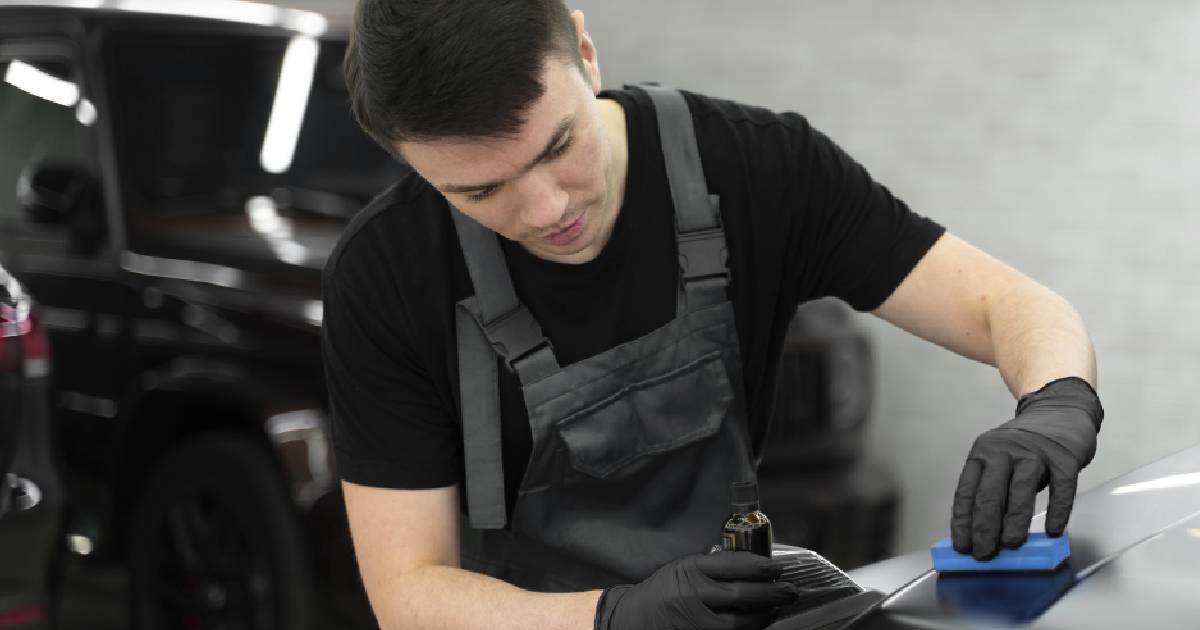
Before You Spend Money on Ceramic Coatings, Here Are Some Things to Know
04 Apr 2024, By AdminWhen it comes to keeping your car looking brand new, one term that frequently pops up is ceramic coating. This innovative product has gained popularity among car enthusiasts for its ability to protect and enhance the appearance of your vehicle. But before you dive into the world of ceramic coatings, it's important to understand what you're investing in. Here's a comprehensive guide to help you make an informed decision.
What is Ceramic Coating?
Ceramic coating is a liquid polymer that is applied to the exterior of a vehicle. When cured, it chemically bonds with the factory paint, creating a layer of protection. This coating is often made from silicon dioxide (SiO2) and sometimes incorporates other compounds like titanium dioxide (TiO2) to enhance its protective properties.
The Benefits of Ceramic Coating
- Enhanced Protection: One of the primary reasons car owners opt for ceramic coating is its ability to protect the car’s paint from external contaminants. This includes protection against UV rays, bird droppings, tree sap, acid rain, and even minor scratches.
- Hydrophobic Properties: Ceramic coatings provide a hydrophobic layer, meaning water and other liquids bead off the surface easily. This makes cleaning your car much easier and can prevent water spots and staining.
- Glossy Finish: A high-quality ceramic coating will give your car a deep, glossy shine that can make it look better than new. This glossy finish is often one of the most attractive features for car enthusiasts.
- Durability: Unlike traditional waxes or sealants that may last only a few months, a properly applied ceramic coating can last for years. This longevity means less frequent reapplication and more consistent protection over time.
Things to Consider Before Getting a Ceramic Coating
- Cost: High-quality ceramic coatings can be expensive. The cost varies based on the brand, the condition of your car’s paint, and whether you opt for a professional application or a DIY kit. Professional applications can range from a few hundred to several thousand dollars.
- Preparation: Applying a ceramic coating is not a simple process. The car’s paint needs to be thoroughly cleaned and decontaminated, and in many cases, paint correction is necessary to remove any imperfections. This prep work can be time-consuming and requires skill.
- Maintenance: While ceramic coatings reduce the need for frequent waxing, they still require maintenance. You’ll need to wash your car regularly using the right products to maintain the coating’s effectiveness and appearance.
- Realistic Expectations: Ceramic coatings are not bulletproof. They can protect against minor scratches and contaminants but won’t make your car invincible. Large impacts, deep scratches, and harsh chemicals can still damage your vehicle's paint.
- Choosing the Right Product: The market is flooded with ceramic coating products, and not all are created equal. Research and read reviews to find a reputable brand. Some well-known brands include CarPro Cquartz, Gtechniq, and Chemical Guys.
DIY vs. Professional Application
- DIY Kits: There are many DIY ceramic coating kits available that can be applied at home. These kits are usually less expensive than professional applications but may not offer the same level of protection or longevity. Additionally, the application process can be tricky and requires careful attention to detail.
- Professional Application: Opting for a professional application ensures that the coating is applied correctly and evenly. Professionals have access to high-grade products and the necessary tools to prepare your car’s paint properly. While this option is more expensive, it often results in better, longer-lasting protection.
Final Thoughts
Ceramic coating can be a great investment for those looking to protect their vehicle and maintain its showroom shine. However, it’s crucial to weigh the costs, understand the application process, and have realistic expectations about what the coating can and cannot do. Whether you choose a DIY kit or go for a professional application, proper maintenance is key to getting the most out of your ceramic coating. Do your research, and your car will thank you for it.
Investing in a ceramic coating can save you time and money in the long run while keeping your car looking its best. Happy driving!
How Much Does It Cost to Tint a Car in Auckland?
28 Mar 2024, By AdminIf you're considering enhancing the privacy, comfort, and style of your vehicle, car window tinting is a popular and effective solution. But how much does it cost to tint a car in Auckland? In this blog, we'll explore the factors that influence the price ofcar window tinting, the benefits of getting your windows tinted, and what you can expect to pay in Auckland.
Factors Influencing Car Window Tinting Costs
The cost of car window tinting can vary based on several factors:
- Type of Tint Film: The quality and type of tint film you choose significantly impact the price. Standard dyed films are cheaper, while high-performance films, such as ceramic or metalized options, are more expensive due to their superior heat rejection and durability.
- Number of Windows: Tinting a full car (including all windows) will cost more than just tinting a few windows. The size and number of windows play a crucial role in determining the total cost.
- Vehicle Type: The make and model of your vehicle can affect the price. Larger vehicles like SUVs and vans generally cost more to tint than smaller sedans or hatchbacks due to the larger window surface area.
- Labor Costs: The expertise and reputation of the service provider can influence labor costs. Established shops with experienced technicians may charge more for their higher quality of service.
- Additional Features: Some tint films come with extra features, such as UV protection, glare reduction, and enhanced shatter resistance, which can add to the overall cost.
Average Costs of Car Window Tinting in Auckland
In Auckland, the price of car window tinting typically ranges from $150 to $800. Here’s a breakdown based on different factors:
- Basic Tinting: For a standard car with basic dyed film, you can expect to pay between $150 to $300.
- Mid-Range Tinting: For better quality films, such as hybrid or metalized tints, the cost ranges from $300 to $500.
- Premium Tinting: High-performance ceramic or infrared rejection films can cost anywhere from $500 to $800 or more.
Benefits of Car Window Tinting
Investing in car window tinting offers several advantages:
- Heat Reduction: High-quality tint films can significantly reduce heat build-up inside the car, making it more comfortable during hot Auckland summers.
- UV Protection: Tinted windows block up to 99% of harmful UV rays, protecting your skin and preventing the interior from fading and cracking.
- Glare Reduction: Tinting reduces glare from the sun and headlights, enhancing driving comfort and safety.
- Privacy and Security: Tinted windows provide greater privacy by making it harder for outsiders to see inside your vehicle. They also add a layer of security by making it more difficult to break the glass.
- Aesthetic Appeal: Tinted windows give your car a sleek, stylish look that can enhance its overall appearance.
Finding a Reputable Tinting Service in Auckland
To get the best value for your money, it's essential to choose a reputable car window tinting service in Auckland. Here are some tips to help you find a reliable provider:
- Read Reviews: Check online reviews and testimonials from previous customers to gauge the quality of service.
- Ask for Recommendations: Seek recommendations from friends or family who have had their windows tinted.
- Check Certifications: Ensure the service provider uses high-quality films and employs certified technicians.
- Compare Quotes: Get quotes from multiple providers to compare prices and services offered.
Conclusion
Car window tinting is a worthwhile investment that enhances your vehicle's comfort, safety, and appearance. In Auckland, the cost can vary depending on several factors, including the type of tint film, the number of windows, and the service provider's reputation. By understanding these factors and doing your research, you can find a tinting solution that fits your budget and meets your needs. Whether you opt for basic tinting or premium films, the benefits of car window tinting make it a smart choice for any vehicle owner.
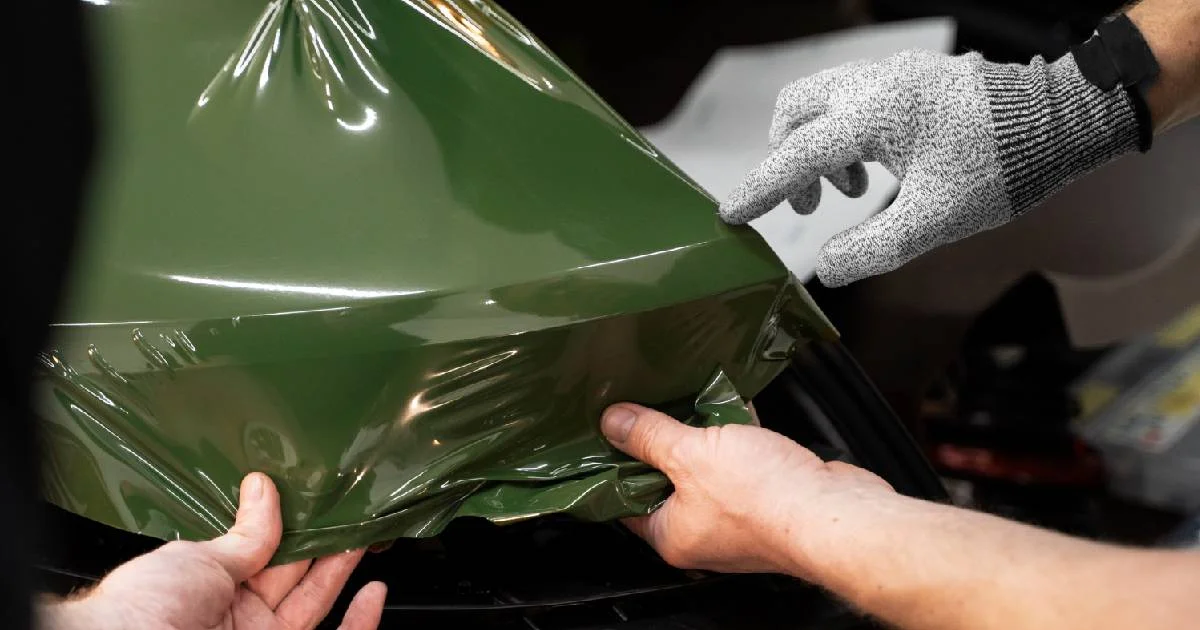
What is the cost of wrapping a car?
21 Mar 2024, By AdminWhat is the Cost of Wrapping a Car?
Car wrapping has become an increasingly popular way for vehicle owners to change the appearance of their cars without the permanence of a paint job. But what exactly goes into the cost of car wrapping? In this blog, we'll dive into the factors that influence the price of car wrapping, helping you understand what to expect if you decide to give your car a fresh new look.
Understanding Car Wrapping
Car wrapping involves applying a vinyl film over the surface of your vehicle. This process allows for a variety of finishes, including matte, gloss, satin, and even custom designs. Unlike traditional paint, a car wrap can be removed without damaging the original paint, making it a versatile and reversible modification.
Factors Affecting the Cost of Car Wrapping
The cost of car wrapping can vary significantly based on several factors. Here are the key elements that influence the overall price:
- Vehicle Size and Type
The size and type of your vehicle are primary determinants of the wrapping cost. Wrapping a small sedan is generally less expensive than wrapping a larger SUV or a luxury sports car. This is because larger vehicles require more vinyl material and more labor hours to cover all the surfaces properly. - Vinyl Quality and Finish
The quality of the vinyl and the type of finish you choose play a significant role in the cost. High-quality vinyl from reputable brands such as 3M or Avery Dennison can cost more but offers better durability and appearance. The finish also impacts the price; specialty finishes like matte, chrome, or carbon fiber tend to be more expensive than standard gloss or satin finishes. - Design Complexity
If you opt for a custom design or a wrap with intricate patterns and graphics, the cost will increase. Custom designs require additional time for design, printing, and installation. Simple, single-color wraps are typically more affordable. - Installation Labor
Labor costs vary based on the installer’s expertise and location. Professional installers with a proven track record may charge more for their services, but they also ensure a higher-quality finish. In metropolitan areas or places with a high cost of living, labor rates may be higher compared to rural areas. - Surface Preparation
Before applying the vinyl wrap, the car's surface must be thoroughly cleaned and prepped. If your vehicle has scratches, dents, or other imperfections, these need to be addressed, which can add to the overall cost. Some shops include minor prep work in their pricing, while others may charge extra. - Additional Features
Additional features such as wrapping door jambs, interior trims, or wheels can also increase the cost. These are often considered add-ons and are priced separately.
Average Cost Breakdown
To give you a general idea, here’s a rough estimate of car wrapping costs based on vehicle size and type:
- Compact Car (e.g., Honda Civic, Ford Focus): $1,500 - $3,000
- Mid-Size Sedan (e.g., Toyota Camry, BMW 3 Series): $2,000 - $4,000
- SUV/Truck (e.g., Ford Explorer, Chevrolet Tahoe): $3,000 - $5,000
- Luxury/Sports Car (e.g., Porsche 911, Tesla Model S): $4,000 - $10,000
These prices can vary depending on the factors mentioned earlier.
Is Car Wrapping Worth the Cost?
Car wrapping offers several advantages that can justify the cost:
- Customization: You can achieve a unique look that stands out.
- Protection: Vinyl wraps protect the original paint from minor scratches and UV damage.
- Reversibility: If you want to revert to your car's original color or change the design, you can simply remove the wrap.
- Resale Value: Preserving the original paint can help maintain the vehicle’s resale value.
Conclusion
Car wrapping can be a worthwhile investment for those looking to personalize their vehicle or protect its paint. The cost of car wrapping varies based on factors such as vehicle size, vinyl quality, design complexity, labor, surface preparation, and additional features. By understanding these factors, you can make an informed decision and choose a car wrapping service that fits your budget and needs. Whether you’re looking for a bold new look or subtle sophistication, car wrapping offers endless possibilities to transform your vehicle’s appearance.

Why Paint Protection Film is the Ultimate Solution for Your Car
14 Mar 2024, By AdminOwning a car is a significant investment, and maintaining its pristine condition is a priority for many car enthusiasts. With various options available for car paint protection, choosing the right one can be challenging. Among these options, Paint Protection Film (PPF) stands out as the best choice. Here’s why Paint Protection Film is the ultimate solution for car paint protection.
- 1.Superior Protection Against Physical Damage:
Paint Protection Film offers unmatched protection against physical damage. It acts as a robust shield against minor abrasions, stone chips, scratches, and other debris that can cause unsightly damage to your car’s paintwork. The film’s durable and flexible nature ensures that the underlying paint remains untouched, preserving the car’s appearance and value. - 2.UV Protection:
Prolonged exposure to ultraviolet (UV) rays can cause your car’s paint to fade and oxidize over time. Paint Protection Film provides an effective barrier against harmful UV rays, preserving the vibrant color and glossy finish of your vehicle. This UV resistance ensures that your car looks newer for longer, even when exposed to harsh sunlight. - 3.Chemical Resistance:
Paint Protection Film is designed to resist a wide range of chemicals that can harm your car’s paint. From bird droppings and bug splatter to acid rain and tree sap, PPF prevents these substances from coming into direct contact with the paint, reducing the risk of staining and etching. This chemical resistance makes it easier to clean your car and maintain its flawless appearance. - 4.Preservation of Original Paint:
Unlike traditional paint protection methods that involve applying additional layers of paint or coatings, the Paint Protection Film preserves the original paint of your car. This is particularly important for vintage or high-end vehicles where maintaining the factory paintwork is crucial for their value. PPF ensures that the original paint remains untouched and in mint condition. - 5.Clear and Invisible Protection:
One of the biggest advantages of Paint Protection Film is its clarity. When applied correctly, PPF is virtually invisible, allowing the original color and finish of your car to shine through without any distortion. This means you can enjoy the benefits of superior protection without compromising on the aesthetic appeal of your vehicle. - 6.Long-Lasting Durability:
Paint Protection Film is designed to last for several years, offering long-term protection for your car. High-quality PPF can endure the rigors of daily driving, harsh weather conditions, and regular washing without deteriorating. This longevity means fewer reapplications and lower maintenance costs over the lifetime of your vehicle. - 7.Ease of Maintenance:
Maintaining a car with Paint Protection Film is straightforward. The film’s smooth surface repels dirt, dust, and grime, making it easier to clean. Regular washing and occasional waxing are usually enough to keep the film and the underlying paint in excellent condition. This ease of maintenance saves time and effort, allowing you to enjoy your car more and worry less about its upkeep. - 8.Customizable and Versatile Application:
Paint Protection Film can be applied to various parts of your vehicle, from the hood and fenders to the mirrors and bumpers. It can be customized to cover specific areas prone to damage or applied to the entire vehicle for comprehensive protection. This versatility ensures that you can tailor the level of protection to suit your needs and preferences. - 9.Enhanced Resale Value:
Finally, using Paint Protection Film can enhance the resale value of your car. A well-maintained exterior free from chips, scratches, and stains is more attractive to potential buyers. The presence of PPF indicates that you have taken diligent care of your vehicle, which can justify a higher asking price and facilitate a quicker sale.
Conclusion
In summary, Paint Protection Film offers an array of benefits that make it the best choice for car paint protection. Its superior defense against physical and chemical damage, self-healing properties, UV protection, and long-lasting durability ensure that your car remains in pristine condition. With its clear and invisible application, ease of maintenance, and customizable coverage, PPF stands out as the ultimate solution for preserving the beauty and value of your vehicle. Investing in Paint Protection Film is a smart decision for any car owner who wants to keep their car looking new for years to come.

Is Car Ceramic Coating Worth the Hype?
14 May 2024, By AdminWe wish our cars always looked as good as new after years of use! But, no. It doesn’t work like that. After a few years, fading paint, scratches, scuff marks, and corrosion deteriorate the original color and sheen of the paintwork. Is there a way to protect your car’s appearance? Of course! We live in an era of innovation and advancements where the automotive industry has undergone revolutionary changes, and engineers have discovered an incredible way to safeguard a car’s exterior.
Among diverse paint protection methods, car ceramic coating has acclaimed immense popularity across the globe. You may have even spotted cars with ceramic coatings but never recognized them. A ceramic coating proposes a seamless finish and is an excellent option to protect your car’s paintwork.
For all the newbies unaware of ceramic coatings, this blog is the ideal guide to answering your questions. You will learn everything you need to know about this wonder product.
Car Ceramic Coating: An Introduction
Car ceramic coating is made of liquid polymer that chemically interacts with the car’s original paintwork to form a protective layer. It provides semi-permanent to permanent protection. Unlike other car protection films, ceramic coating is not applied on the surface level but on a molecular level. Therefore, it furnishes optimal protection and efficiency.
While wax coating offers only temporary shine and waterproof qualities,ceramic coating is much more durable and resistant to dust and water. When applied, car ceramic coating bonds with the car’s paint, filling in pores and scratches. As it cures, you get a hard and sturdy coating that enhances the longevity of your car’s paint.
Generally, the coating consists of silicon dioxide, which is naturally derived from sand and quartz. Often, titanium dioxide is added to boost the coating’s efficiency.
Now, why do car owners prefer ceramic coating over wax or other coatings? Let’s discuss it in the next section.
The Many Benefits of Car Ceramic Coating
Car lovers are going gaga over ceramic coating, and we have many reasons for that!
- Enhanced Protection: As we said, if you want to protect your car’s paintwork, the ceramic coating does the job exceptionally well! Since it forms a hard layer over the car’s surface, you can expect enhanced paint protection against various elements. No more scratches, fading paint or bird-dropping spots!
- Dust and Water-Resistant: Imagine driving through a dirt track only to see your car has turned into a dirt magnet! You have to thoroughly clean your car to get rid of the mess. However, with car detailing Tauranga, you no longer have to worry about dirt sticking to the surface. Also, you are safe against corrosion because your car’s exterior is now waterproof!
- Promotes Paint Life: Obviously, with the additional protection, your car’s paint will last much longer while retaining its color and gloss. You have better paint protection now from UV rays, stone chips, scuff marks, etc.
- Corrosion Prevention: Cars are prone to corrosion due to water and other liquid spills. Even heavy rain can cause considerable damage to the paint when not maintained properly.
- UV Protection: Who knew cars could be protected from harmful UV rays until the emergence of ceramic coatings? These polymer components act as a barrier against the harmful impact of UV rays that can considerably fade away the car’s paintwork. It also keeps the car’s interior cool and comfortable.
- Easy Maintenance: Since car ceramic coating is hydrophobic, it requires less maintenance. It is easy to clean, and your car remains spotless for years.
Ceramic coating cost varies depending on the quality, durability, andcoverage. Nonetheless, it is an effective way to enhance your car’s aesthetics and safeguard it from surface damage.
Stay Cool on the Road: How the Right Window Tinting Can Beat the Summer Heat
08 May 2024, By AdminWhether it is your first car or a second buy, a car is always a prized possession. Becoming a proud owner of a sophisticated vehicle is nothing less than an achievement. The story does not end here! If you are a car enthusiast, you will probably love to make some modifications to enhance its aesthetics and value.
Have you ever considered tinting your car windows? If not, this summer is absolutely the perfect time to get it done! Car window tinting is not only about making your car look classy and sophisticated, but it does have potential benefits.
Auto window tinting is becoming predominantly popular this season, and we have listed all the reasons, making it a worthy investment. Let’s check them out.
Auto Window Tinting: The Perfect Score!
Let’s face it; every car does not come from the showroom with tinted windows. Lucky those who already have it! Others have to live with the glaring sun on their face or get a customized service for tinted windows.
Now, why do we suggest you tint your car windows?
Glare Reduction- The most obvious reason to install a black or grey film on the windows is to reduce glare and enable a better of the road and the surroundings. Too much light makes you squint. As a result, you become prone to road accidents. So, whether it is the bright sunlight or the reflection from another vehicle, a tinted window curtails glare.
Block UV Rays- Driving on a hot sunny day means abundant exposure to UV rays. Despite applying sunscreens and sunblock creams, you still are exposed to the sun rays. What should you do? Tint the car windows and enjoy a more comfortable and safer drive! The tint films block UV rays, protecting you from their harmful effects.
Reduces Heat- Car tinting Tauranga is one of the best ways to keep off the heat while you are on the road! Your car’s interior feels cooler and more comfortable. Whether you have to park your car outside in the sun or have a long travel ahead, the interior of the car stays bracing.
Eliminate Health Risks - Often, prolonged driving in a very hot environment increases the risk of several health problems. Migraines, palpitation, and sun tanning are prevalent problems related to high temperatures. Sometimes, you may feel fatigued and exasperated when you have to deal with an uncomfortable surrounding.
Promote Energy Efficiency - What happens when you have a cooler temperature inside the car? The use of the air conditioning system becomes less. As a result, fuel consumption also decreases. It implies that you can save on your pockets! Isn’t it awesome?
Enhanced Protection - Driving a car means you are always susceptible to risks. In such an instance, if there is any physical impact on your car, even if the windows shatter, the glass pieces won’t fall apart. They will stick to the tint film. It saves the occupants inside from injuries.
Safeguard Upholstery - The cost to tint car windows is much less than your car upholstery! We mean that most tears and fading of the car upholstery happen due to excessive exposure to sunlight. Consider the seat covers or the synthetic seat belts, you will notice fading or tears at some point. You can considerably delay the process by tinting the windows and minimizing heat and light exposure.
Better Privacy - Undeniably, tinted windows provide better privacy than clear windows. Though you will be able to see the surroundings clearly, the ones outside will not get a transparent view of the interiors. Therefore, VIPs generally travel in cars with tinted windows.
Increased Comfort - When you have a cooler and more secure environment, naturally it boosts comfort. The heat does not burn your skin, the light stops glaring, and the ambience feels privatized- all of these contribute to enhanced comfort.
Boosted Aesthetics - Finally, how can anyone miss spotting a car with black windows? It looks highly sophisticated and classy. Anyone will turn their head to look at the car! So, elegance and class personified!
Key Takeaways
The benefit of car window tinting is enormous! From increased safety to enhanced aesthetic appeal, you have so many factors to count on! If window tinting was never on your list, we think now is the time you think over it and give it a try. The result will be marvellous!
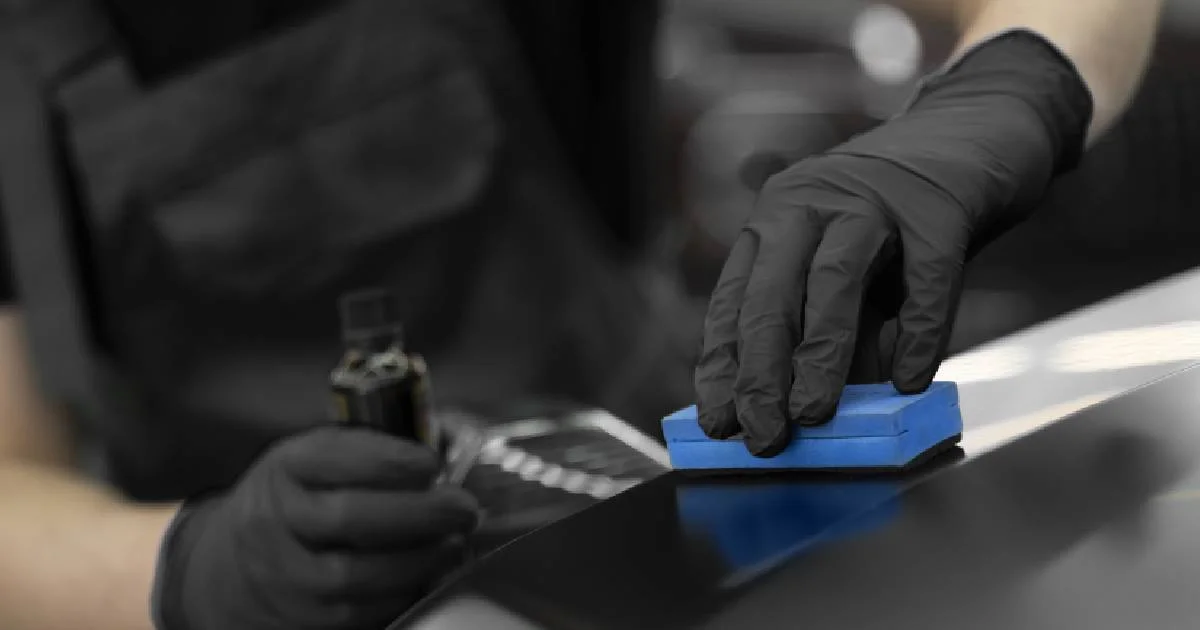
How Much Does A Ceramic Coating Cost?
07 Mar 2024, By AdminIn recent years, automotive enthusiasts and car owners alike have been raving about the benefits of ceramic coatings. This revolutionary protective solution has gained popularity for its ability to enhance a vehicle's appearance and provide long-lasting protection. However, one common question that often arises is, "How much does a ceramic coating cost?" In this blog, we will delve into the factors influencing the cost of ceramic coatings and help you understand what to expect when considering this investment for your vehicle.
Understanding Ceramic Coating
Before we dive into the cost, let's briefly understand what ceramic coating is. Ceramic coating is a liquid polymer applied to the exterior surfaces of a vehicle. Once cured, it forms a protective layer that shields the paint from various environmental contaminants such as dirt, bird droppings, UV rays, and more. The result is a glossy finish and enhanced durability that can last for several years.
Factors Influencing Cost
- Type of Ceramic Coating: The market offers a range of ceramic coatings with varying quality and durability. Entry-level coatings may be more affordable, but they might not offer the same level of protection as high-end options. Premium ceramic coatings often come with advanced features such as self-cleaning properties and increased resistance to harsh elements.
- Brand Reputation: Established and reputable brands in the ceramic coating industry tend to charge higher prices. This is often because they invest heavily in research and development to create cutting-edge formulations that outperform their competitors.
- Professional Application vs. DIY Kits: Another significant factor in the cost of ceramic coating is whether you opt for professional application or a do-it-yourself (DIY) kit. Professional application by certified detailers can be more expensive, but it ensures a high-quality and precise coating. DIY kits are generally more affordable but may not provide the same level of expertise and longevity.
- Preparation and Correction: The condition of your vehicle's paint before applying the ceramic coating can also impact the overall cost. If your car requires extensive paint correction, which involves removing imperfections like swirl marks and scratches, the preparation process becomes more labor-intensive and, consequently, more expensive.
- Size and Type of Vehicle: Larger vehicles, such as SUVs and trucks, will naturally cost more to coat than smaller cars due to the increased surface area. Additionally, the type of vehicle, whether it's a luxury car or a daily commuter, may influence the pricing.
In conclusion, the cost of ceramic coating varies based on several factors, including the type of coating, brand reputation, application method, vehicle size, and paint condition. While it may seem like a significant investment upfront, many car owners find that the long-term benefits, including enhanced aesthetics and protection, outweigh the initial cost.
Before making a decision, it's crucial to research different ceramic coating options, read reviews, and consider your budget. Whether you choose a professional application or a DIY kit, investing in ceramic coating can ultimately contribute to the longevity and resale value of your vehicle, making it a worthwhile consideration for automotive enthusiasts and those looking to protect their investment.
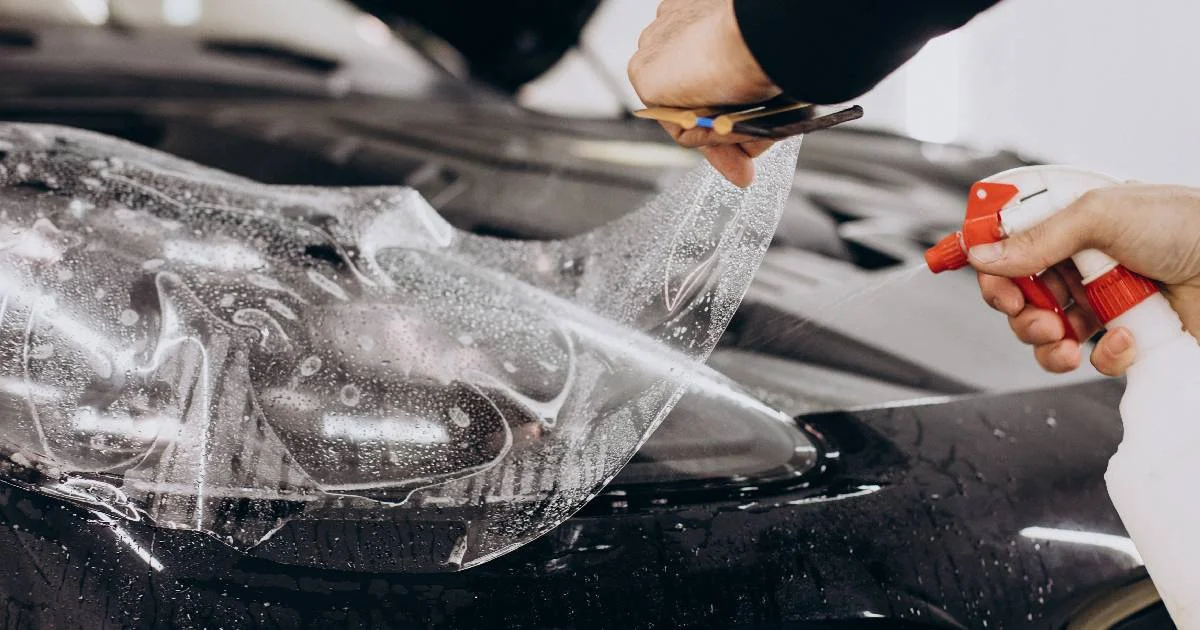
How Much Does It Cost To Do Ppf On A Car ?
26 Feb 2024, By AdminIn the world of automotive enthusiasts and meticulous car owners, the quest for preserving a vehicle's pristine appearance often leads to the consideration of Paint Protection Film (PPF). Hamilton, with its vibrant automotive culture, has seen an increased interest in this cutting-edge technology. As car owners seek ways to shield their beloved vehicles from the rigors of daily driving and environmental hazards, understanding the costs associated with PPF becomes crucial. In this guide, we'll delve into the factors influencing the cost of PPF in Hamilton and provide insights into the value it offers.
What is Paint Protection Film?
Paint Protection Film, often referred to as PPF, is a transparent polyurethane film applied to the exterior surfaces of a vehicle to protect the paint from stone chips, bug splatter, bird droppings, road debris, and other environmental contaminants. It acts as an invisible shield, preserving the car's finish and maintaining its resale value
Factors Influencing PPF Costs in Hamilton
- Type and Quality of Film: The market offers various types and qualities of PPF, ranging from basic films to high-end, self-healing varieties. The cost of PPF can vary significantly based on the brand, thickness, and features of the film. Premium films may have a higher upfront cost but provide superior protection and durability.
- Size and Complexity of the Vehicle: Larger vehicles or those with complex body contours may require more PPF material and additional labor for installation. Sports cars, luxury vehicles, and SUVs typically have larger surface areas, influencing the overall cost.
- Installation Labor Costs: The skill and experience of the installer play a crucial role in the cost of PPF. Hamilton boasts several skilled professionals and their expertise may be reflected in the labor costs. However, choosing a reputable installer is essential to ensure proper application and optimal protection.
- Coverage Areas: Car owners can choose specific areas for PPF coverage, such as the full front end, hood, fenders, side mirrors, and more. The more extensive the coverage, the higher the overall cost. Some opt for a full-body wrap for comprehensive protection.
- Customization and Design: Some PPF installations involve customization, such as patterns, logos, or unique designs. These personalized touches can add to the overall cost but allow for a one-of-a-kind look while maintaining protection.
- Warranty and Aftercare: High-quality PPF often comes with extended warranties. The length and terms of the warranty can impact the upfront cost but provide peace of mind for car owners. Additionally, factoring in aftercare products for maintenance is essential to ensure the film's longevity.
How much does PPF typically cost in Hamilton?
The cost of PPF installation in Hamilton can vary based on several factors, including the size and model of your vehicle, the type of PPF used, and the complexity of the installation. On average, PPF Prices start from $1150. It's advisable to obtain quotes from reputable PPF installers in Hamilton for accurate pricing based on your specific car.
Investing in Paint Protection Film for your car in Hamilton is a strategic decision to safeguard your vehicle's aesthetics and resale value. The costs associated with PPF vary based on factors like the type of film, the size of the vehicle, labor, and customization options. While the initial investment may seem significant, the long-term benefits in terms of paint preservation and overall appearance make PPF a worthwhile consideration for car enthusiasts and those looking to protect their automotive investments in the vibrant city of Hamilton.
.webp)
What Are The Pros And Cons Of Wrapping A Car?
13 Feb 2024, By AdminConsidering giving your car a fresh look? Wrapping cars might be the solution you're seeking. With a plethora of colors and designs to choose from, and the option to customize your own, personalizing your car has never been more convenient. However, before you invest your money - and potentially your time, especially if you're inclined to try it yourself - let's delve into the advantages and disadvantages of wrapping cars.
The choice of materials and the application technique you adopt play crucial roles in determining the final outcome of your car wrap. To provide you with a comprehensive understanding, we, along with insights from our Chips Away technicians, aim to outline all the positive and negative aspects associated with wrapping cars.
Pro’s Of Car Wraps
Now a well-wrapped car can fool most onlookers
- It's individualized for you As car wraps reach new levels of quality, featuring flawless finishes and customizable designs that match your personality, an increasing number of drivers are choosing this option. Whether opting for a complete vehicle wrap or focusing on specific elements like the wheels, this personalized approach provides the flexibility to own a truly unique car. It's important to note that not all wraps involve bold and vibrant colors; vinyl wraps come in a wide range, enabling you to switch colors regularly without the long-lasting commitment of a traditional respray.
- Protect your Paint An excellent motive for opting for a car wrap is to safeguard your vehicle's paintwork. The vinyl wrap serves as a protective shield, shielding against minor chips and dings caused by stones and other road hazards. If you intend to maintain the vehicle in its pristine condition for a potential resale, safeguarding the paint ensures the retention of its resale value and eliminates the need for minor scratch repairs. For a more understated appearance, Oliver Edwards, our ChipsAway specialist in Totton and Hythe, recommends a 'clear protection system.' When applied to the front of your cherished vehicle, this system prevents stone chips while allowing the original color to shine through
- Cost-effective Colour Instead of investing in an entire repaint, opting for a car wrap provides an affordable way to experiment with different colors. The cost of a vinyl wrap may fluctuate, particularly when seeking professional services at a body shop, but it remains a more economical alternative. This option not only offers flexibility in terms of style and design but also allows you to control the duration for which you keep the wrap.
- It can be removed Should you opt for a change in your vehicle's appearance within the next six months to a year, you have the flexibility to easily remove your existing car wrap. It's important to note that when we say "simply," we mean it in a figurative sense, as the process of removing a car wrap is deliberate and gradual to safeguard the integrity of your vehicle. Consider employing techniques such as using a heat gun, adopting a slow peel method, and steering clear of abrasive solutions when undertaking the removal of a vinyl wrap.
Con’s of Car Wraps
You receive the quality commensurate with your investment.
Not all wraps are made equal," emphasizes Steve Perkins, a ChipsAway specialist covering the Hartlepool area. If you're contemplating wrapping your car on a budget, it's crucial to recognize that the quality of the wrap correlates directly with the cost. Opting for a do-it-yourself approach with a cheap wrap might seem like a cost-saving strategy, but it often results in a less satisfactory finish compared to trade wraps or those known for their superior quality.
Steve, who describes himself as a novice in the wrapping realm, points out that "[a] trade quality product is often quite amenable to self-healing." This implies that with gentle heat, minor scratches, and even holes can "melt" away, allowing the wrap to "self-heal." This advantageous feature is not always present in lower-quality products, underscoring the importance of considering the potential drawbacks when contemplating a home kit instead of seeking professional expertise.
- Dynamic Color Transformations Although the initial aesthetic appeal of covering your red car with black vinyl is undeniable, it's essential to consider a potential drawback. Over time, any scuffs or scratches on the wrap may lead to a noticeable color change. As the damage accumulates, the original color may seep through, diminishing the overall finish and making it more apparent. Additionally, the protective function of the vinyl wrap will diminish, leaving the underlying paint vulnerable to further harm.
- Take into account the legal aspects. If you intend to apply a complete body wrap that significantly alters your car's color, such as changing it from black to red, it is essential to notify both your insurance company and the DVLA. This procedure can be time-consuming, especially if you plan to wrap your car temporarily before reverting to its original state. Before committing to an exterior full-body wrap and investing money, it's advisable to research online.
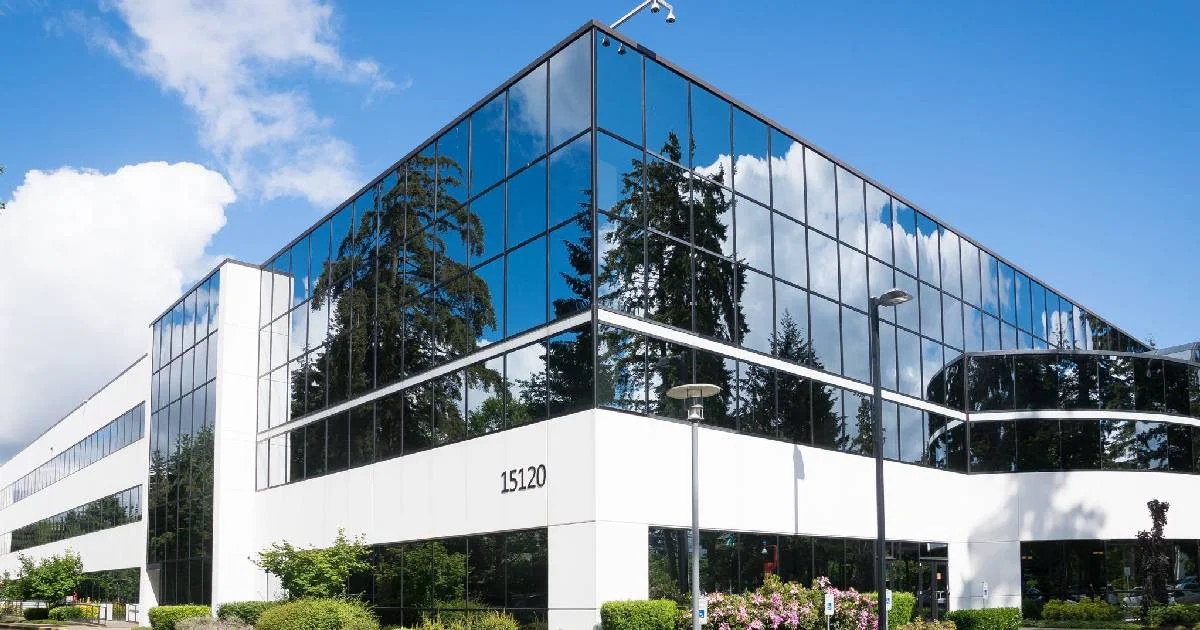
Why Tint Your Office Windows In Rotorua ?
12 Feb 2024, By AdminIntroduction
The design and functionality of office spaces play a crucial role in fostering a productive and comfortable work environment. In recent years, businesses have been exploring various strategies to optimize their office spaces, and one such innovative solution gaining popularity is office window tinting. While often associated with cars, window tinting has proven to be a valuable investment for commercial spaces as well. In this blog post, we'll delve into the reasons why more businesses are opting for office window tinting to enhance their workspaces.
- Energy Efficiency: One of the primary reasons companies choose office window tinting is its ability to improve energy efficiency. Tinted windows act as a barrier against the sun's heat, reducing the need for excessive air conditioning during hot summer months. This not only leads to lower energy bills but also contributes to a more sustainable and environmentally friendly workspace.
- Glare Reduction: Glare from the sun or reflective surfaces can be a major distraction for employees working on computers or engaging in tasks that require concentration. Office window tinting helps minimize glare, creating a more comfortable and visually conducive environment for work. Employees can focus better on their tasks without the discomfort caused by excessive brightness.
- UV Protection: Prolonged exposure to ultraviolet (UV) rays can be harmful to both employees and office furnishings. Office window tinting provides an effective shield against UV rays, reducing the risk of skin damage and preventing the fading of furniture, carpets, and other interior elements. This not only enhances the longevity of office assets but also contributes to the well-being of the workforce.
- Privacy Enhancement: Privacy is a critical consideration in office design. Tinted windows offer a level of privacy by obstructing the view from the outside without compromising natural light. This is especially beneficial for offices located in high-traffic areas or buildings with close proximity to other businesses. Employees can enjoy an open and bright workspace without sacrificing confidentiality.
- Aesthetic Appeal: Window tinting is available in various shades and styles, allowing businesses to customize the appearance of their office spaces. The sleek and modern look of tinted windows can contribute to the overall aesthetic appeal of the workplace, creating a professional and polished image for clients and visitors.
- Employee Comfort and Productivity: Comfortable employees are generally more productive. By regulating temperature, reducing glare, and providing a visually pleasing environment, office window tinting contributes to the overall comfort of the workspace. This, in turn, can positively impact employee morale and productivity.
How does office window tinting contribute to energy efficiency?
By blocking a portion of the sun's rays, office window tinting helps maintain a more consistent indoor temperature. This reduces the need for excessive use of heating and cooling systems, resulting in lower energy consumption and cost savings for the business.
Is office window tinting suitable for all types of windows?
Yes, office window tinting can be applied to various types of windows, including single-pane and double-pane glass. It is essential to choose the appropriate tinting film based on the specific needs and characteristics of the windows.
Can window tinting impact the view from inside the office?
Quality window tinting is designed to maintain the clarity of the view from inside the office while reducing glare and blocking harmful UV rays. Businesses can choose from a variety of tinting options, including those with minimal impact on visible light transmission.
How does office window tinting contribute to energy efficiency?
A: By blocking a portion of the sun's rays, office window tinting helps maintain a more consistent indoor temperature. This reduces the need for excessive use of heating and cooling systems, resulting in lower energy consumption and cost savings for the business.
Conclusion
Investing in office window tinting is a strategic decision that goes beyond simple aesthetics. It addresses key factors such as glare reduction, temperature regulation, UV protection, privacy, and energy efficiency. By creating a more comfortable and productive work environment, businesses can enhance the well-being of their employees and contribute to long-term cost savings. As the trend towards optimizing office spaces continues, office window tinting emerges as a practical and multifaceted solution for modern workplaces.
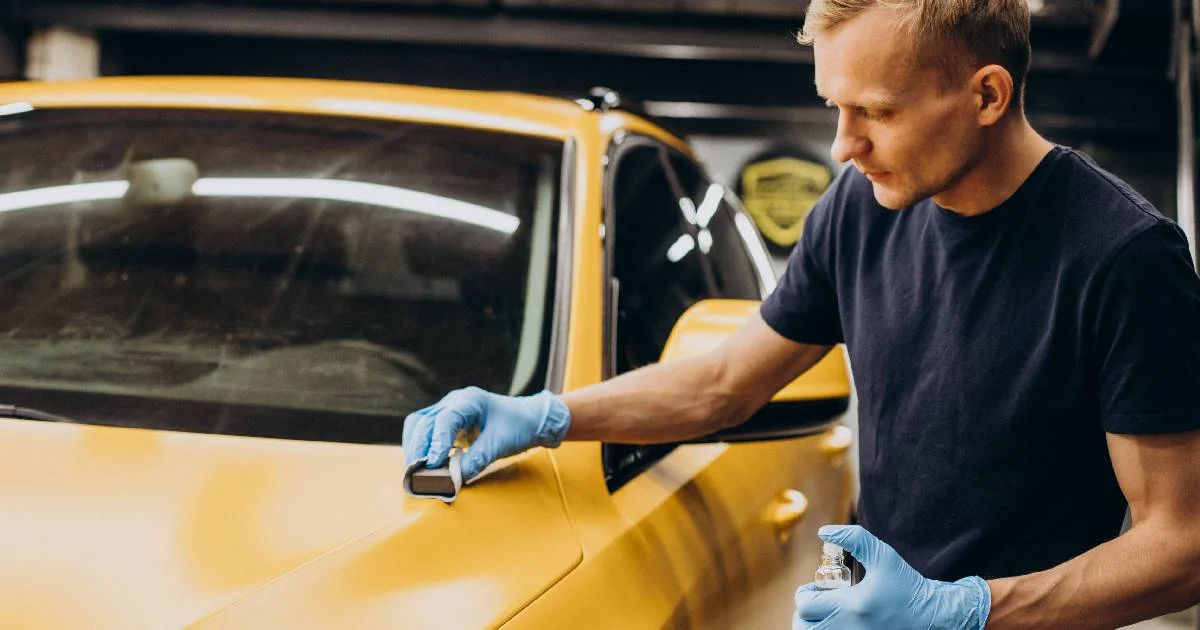
Is Ceramic Coating Good For Your Car ?
12 Feb 2024, By AdminIn the world of automotive care and detailing, ceramic coatings have gained immense popularity for their promise of providing long-lasting protection and a stunning, glossy finish for your vehicle. But is ceramic coating really worth the hype, and is it good for your car? Let's delve into the pros and cons of ceramic coatings to help you make an informed decision.
Pros
- Long-lasting Protection: Ceramic coatings create a durable and protective layer on your car's paintwork. This layer is resistant to various environmental contaminants such as bird droppings, tree sap, bug splatter, and harsh weather conditions. It helps prevent oxidation and fading, keeping your car looking newer for a more extended period.
- Enhanced Gloss and Shine: One of the most noticeable benefits of ceramic coating is the enhancement of your car's appearance. The coating provides a deep, glossy finish that can make your vehicle stand out and look freshly waxed at all times.
- Easy Maintenance: Ceramic coatings make cleaning and maintaining your car a breeze. The hydrophobic properties of the coating repel water and contaminants, reducing the chances of dirt and grime sticking to the surface. This not only makes washing your car easier but also less frequent.
- UV Protection: Ceramic coatings offer UV resistance, protecting your car's paint from the harmful effects of the sun. UV rays can cause paint to fade and deteriorate over time, and a ceramic coating acts as a barrier, preventing these damaging effects.
- Chemical Resistance: The coating provides a shield against various chemicals found in bird droppings, tree sap, and bug splatter. This chemical resistance ensures that these contaminants do not etch into the paintwork, minimizing the risk of permanent damage.
Cons
- Application Requires Skill: Applying ceramic coating is a meticulous process that requires skill and attention to detail. While some DIY kits are available, achieving professional-level results often requires experience and expertise. Improper application may lead to uneven coverage and reduced effectiveness.
- High Initial Cost: Quality ceramic coatings can be relatively expensive, especially when compared to traditional waxes and sealants. However, many enthusiasts argue that the long-term benefits and reduced maintenance costs justify the initial investment.
- Not Scratch-Proof: While ceramic coatings provide a protective barrier against many contaminants, they are not scratch-proof. They can resist minor scratches and swirls to some extent, but a high level of care is still necessary to avoid more significant damage.
- Limited Correction Abilities: Once applied, ceramic coatings are challenging to remove without professional intervention. Additionally, they have limited corrective abilities for existing paint imperfections such as scratches or swirl marks. Proper paint correction should be done before applying the coating for optimal results.
Is ceramic coating really effective in protecting your car's paint?
Yes, ceramic coating is highly effective in protecting your car's paint. It forms a strong, transparent layer on the surface of your vehicle that acts as a sacrificial barrier against various environmental contaminants. This includes dirt, bird droppings, tree sap, UV rays, and harsh weather conditions. The coating provides a durable shield that helps prevent oxidation and fading, keeping your car's paint looking glossy and vibrant for an extended period.
Does ceramic coating make my car completely scratch-proof?
While ceramic coatings do offer a higher level of scratch resistance compared to unprotected paint, they are not completely scratch-proof. The coating can withstand light scratches and swirl marks, providing an additional layer of protection. However, it is important to note that heavy or deep scratches can still occur, and it's advisable to avoid abrasive materials during cleaning to minimize the risk of scratches.
How long does ceramic coating last on a car?
The longevity of ceramic coating depends on various factors, including the quality of the product, application technique, and the maintenance of the vehicle. Generally, a professionally applied ceramic coating can last anywhere from one to five years. Regular maintenance, such as washing the car with pH-neutral soaps and avoiding abrasive cleaning methods, can help extend the lifespan of the coating.
Is ceramic coating worth the cost?
The cost of the ceramic coating varies depending on factors such as the product used, the size of the vehicle, and whether it's applied by a professional. While it is a significant upfront investment, many car owners find it worthwhile for the long-term benefits. The enhanced protection, ease of maintenance, and prolonged aesthetic appeal of the car can make ceramic coating a valuable investment for those who prioritize the appearance and longevity of their vehicle's paint.
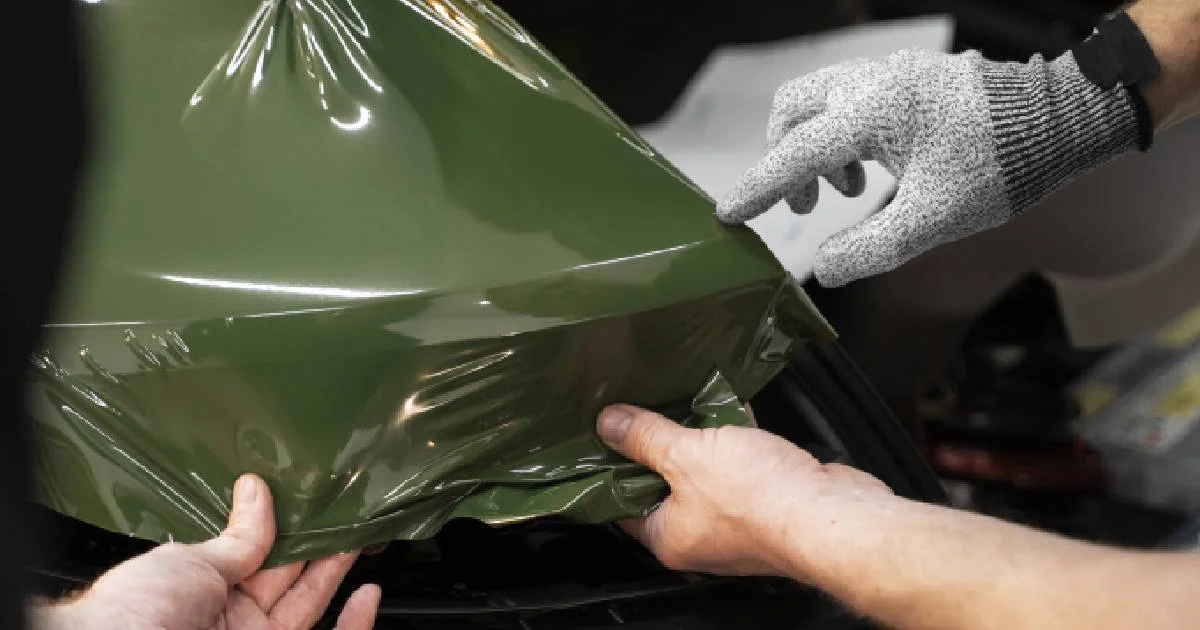
How Long Does Car Wrapping Last
10 Feb 2024, By AdminIntroduction
Car wrapping has become an increasingly popular method for vehicle customization, allowing car owners to express their style and protect their vehicles' original paint. However, like any automotive enhancement, car wrapping is not a permanent solution. In this blog, we'll delve into the factors that influence the longevity of car wrapping and answer the burning question: How long does car wrapping last?
Understanding Car Wrapping
Car wrapping involves applying a thin, adhesive vinyl film to the exterior of a vehicle. This vinyl can come in various colors, patterns, and finishes, providing car owners with a versatile and cost-effective alternative to traditional paint jobs. Car wrapping is known for its ability to protect a vehicle's paint from scratches, stone chips, and other environmental damage while allowing for easy removal or color changes.
Factors Influencing Car Wrap Longevity
- Quality of Materials: The longevity of a car wrap heavily depends on the quality of the materials used. High-quality vinyl films with UV-resistant properties tend to last longer and maintain their appearance over time. Cheaper, low-quality materials may deteriorate more quickly, leading to premature discoloration and peeling.
- Installation Skill: Proper installation is crucial for the durability of a car wrap. Professional installers with experience and skill ensure that the vinyl adheres uniformly, avoiding air bubbles, wrinkles, and edge lifting. Poor installation can significantly reduce the lifespan of the wrap.
- Environmental Factors: The environment in which a vehicle is driven and parked plays a vital role in how long a car wrap lasts. Harsh weather conditions, exposure to extreme temperatures, and prolonged sunlight exposure can accelerate the wear and tear of the vinyl. Regular exposure to elements like salt, bird droppings, and tree sap can also affect the wrap's longevity.
- Maintenance and Care: Proper maintenance and care are essential for maximizing the lifespan of a car wrap. Regular washing with mild soapy water, avoiding abrasive cleaners, and keeping the vehicle sheltered when possible can contribute to preserving the wrap's appearance.
- Intended Use: The intended use of the vehicle can impact the longevity of the car wrap. Vehicles used for daily commuting and exposed to heavy traffic may experience more wear than those used less frequently. Similarly, off-road or adventurous driving may increase the likelihood of damage to the wrap.
Signs of Aging and When to Replace
- Fading: One of the most common signs of an aging car wrap is color fading. This is often a result of prolonged exposure to sunlight.
- Peeling or Lifting: If the edges of the wrap start to lift or peel, it's an indication that the adhesive is losing its effectiveness, and the wrap may need replacement.
- Cracking or Wrinkling: Over time, the vinyl may develop cracks or wrinkles, affecting both the aesthetic appeal and the protective function of the wrap.
How long does car wrapping last?
Car wrapping longevity depends on various factors.
What signs indicate that a car wrap needs replacement?
Signs that a car wrap may need a replacement include:
- Fading: If the colors on the wrap start to fade or lose vibrancy, it may be time for a replacement.
- Peeling or Bubbling: The appearance of bubbles or peeling edges indicates that the adhesive is failing, and the wrap needs attention.
- Cracks or Tears: Physical damage, such as cracks or tears in the vinyl, compromises the effectiveness of the wrap and may necessitate replacement.
- Loss of Gloss: If the wrap loses its glossy finish and becomes dull, it may be a sign of wear and tear.
How much does it cost to replace a car wrap?
The cost of replacing a car wrap depends on various factors, including the size of the vehicle, the complexity of the wrap design, and the quality of materials used. On average, you can expect to pay a few thousand dollars for a full wrap replacement.
.webp)
Top 5 Benefits of Having Your Car Windows Tinted
12 Jan 2024, By AdminIntroduction
Car window tinting has become a popular trend among car enthusiasts, and for good reason. Beyond the stylish appearance it lends to your vehicle, car window tinting offers a plethora of benefits that go beyond aesthetics. In this blog, we will delve into the top 5 advantages of having your car windows tinted, shedding light on the many reasons why this automotive enhancement has gained widespread popularity.
UV Ray Protection
One of the primary advantages of car window tinting is its ability to block harmful ultraviolet (UV) rays from the sun. Prolonged exposure to UV rays can lead to various health issues, including skin cancer. Tinted windows act as a barrier, reducing UV radiation and protecting both the driver and passengers from potential sun damage.
Heat Reduction
On a scorching hot day, the temperature inside your car can skyrocket. Window tinting acts as a barrier against the sun's heat, reducing the interior temperature and making your driving experience more pleasant. By minimizing heat buildup, you can rely less on your air conditioning, leading to improved fuel efficiency and reduced strain on your vehicle's cooling system.
Enhanced Privacy and Security
Privacy is a key concern for many car owners, and window tinting provides an effective solution. Darkened windows make it harder for prying eyes to see into your vehicle, protecting your belongings and ensuring a greater sense of security. This added privacy can be particularly beneficial when parked in public places, reducing the risk of theft and break-ins.
- Glare Reduction:
Driving in bright sunlight can be challenging, with glare from the sun often causing discomfort and safety hazards. Car window tinting significantly reduces glare, providing a clearer and safer view of the road ahead. This is especially valuable during sunrise and sunset, as well as in adverse weather conditions. By minimizing glare, window tinting contributes to improved visibility and overall driving safety.
- Aesthetic Appeal:
While the functional benefits of car window tinting are numerous, there's no denying the aesthetic appeal it brings to a vehicle. Tinted windows give your car a sleek, sophisticated look that sets it apart from others on the road. The variety of tint shades available allows you to customize the appearance of your car, adding a touch of personal style.
What is car window tinting, and how does it work?
Car window tinting involves applying a thin film to the windows of a vehicle to reduce the amount of visible light, infrared radiation, and ultraviolet (UV) rays that enter the car. This film is typically made of polyester and may contain various layers to achieve specific effects. The tinting process helps regulate the amount of light and heat that enters the vehicle, providing several benefits.
Are there any regulations or restrictions regarding car window tinting?
Yes, regulations regarding car window tinting vary by location. It's essential to check and comply with local laws to avoid legal consequences. Typically, regulations address factors such as the level of tint darkness allowed, the percentage of light that must pass through the tint, and whether certain windows can be tinted. Always research and adhere to your region's specific guidelines for car window tinting.
Can I tint my car windows myself, or should I seek professional help?
While some car enthusiasts may attempt to tint their windows at home, it is generally recommended to seek professional help. Professional installers have the expertise, experience, and tools to ensure a proper and even application. DIY attempts may result in air bubbles, uneven tinting, and an overall subpar finish. Additionally, professional installations often come with warranties, providing peace of mind and recourse if any issues arise.
How long does car window tinting typically last?
The lifespan of car window tinting can vary based on factors such as the quality of the tint film, climate, and how well it is maintained. High-quality tint films, when professionally installed, can last anywhere from 5 to 10 years or more. Regular maintenance, such as gentle cleaning with recommended solutions and avoiding abrasive materials, can contribute to the longevity of the tint. If you notice any signs of peeling or discoloration, it's advisable to consult a professional for repairs or replacement.
Conclusion
Car window tinting is more than just a cosmetic enhancement – it's a practical investment that offers a range of benefits, from protecting your health and preserving your vehicle's interior to enhancing privacy and elevating the overall driving experience. If you haven't considered window tinting for your car yet, these top 5 advantages might just convince you to explore this valuable automotive upgrade.
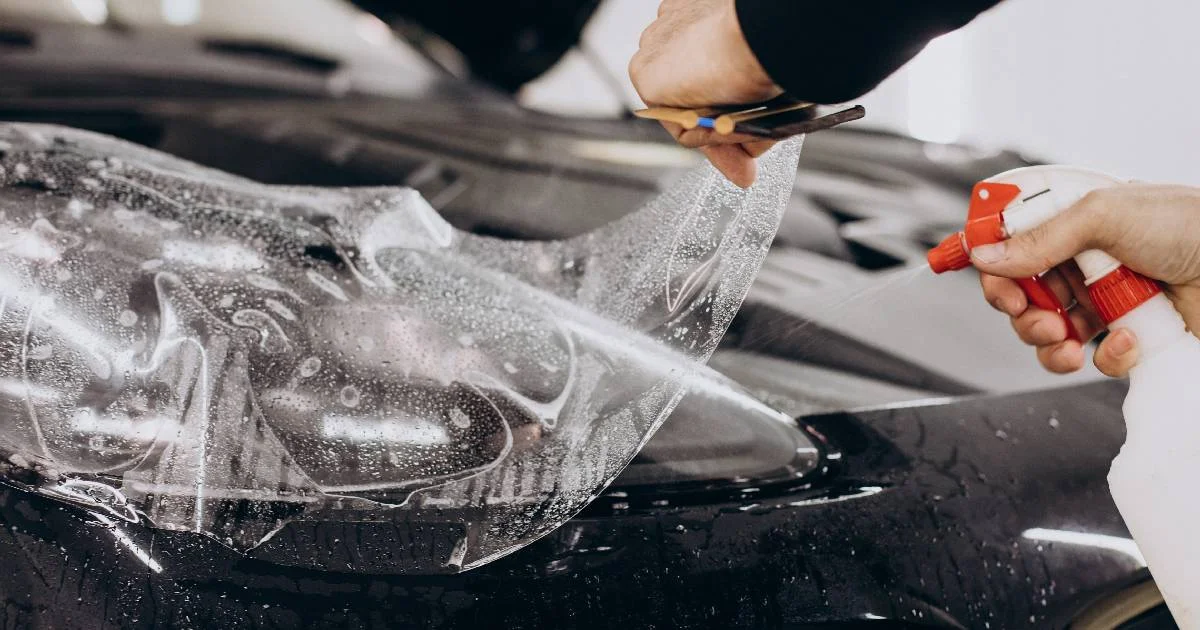
How Paint Protection Film Can Preserve Your Car's Resale Value in Hamilton
05 Jan 2024, By AdminIntroduction
Kia ora, Hamilton car enthusiasts! Your love for the open roads of the Waikato region deserves a ride that stands the test of time. When it comes to preserving your car's resale value in Hamilton, there's one essential secret that many overlook – Paint Protection Film. In this blog, we'll explore why Paint Protection Film in Hamilton is more than just a shield for your vehicle; it's an investment in maintaining the beauty of your Kiwi ride.
The Essence of Paint Protection Film
Hamilton, with its diverse weather conditions, can be harsh on your vehicle's exterior. From the blistering sun to the occasional downpour, your car battles against the elements daily. That's where Paint Protection Film (PPF) comes into play. This transparent, polyurethane film acts as an invisible armor, safeguarding your car's paintwork from road debris, stone chips, bug splatter, bird droppings, and the damaging effects of UV rays.
Preserving Resale Value
Hamiltonians are known for their practicality, and when it comes to buying and selling cars, resale value matters. PPF is a game-changer in this aspect. The protective film ensures that your car maintains its showroom shine, preventing paint fading and discoloration. Potential buyers are more likely to pay a premium for a well-maintained vehicle with a flawless exterior.
Protection Against Stone Chips
The roads around Hamilton, whether you're cruising down the expressway or exploring the scenic backroads, are prone to stone chips. These tiny projectiles can cause unsightly dings on your car's paint, diminishing its aesthetic appeal. With Paint Protection Film in Hamilton, your vehicle's paint is shielded from these flying rocks, ensuring a smooth and chip-free surface.
Easy Maintenance for the Kiwi Lifestyle
Hamilton's vibrant lifestyle encourages outdoor adventures, but this often means your car faces a barrage of challenges. PPF makes maintaining your vehicle a breeze. It repels dirt and grime, making washing your car a quick and easy task. The film's self-healing properties also mean that minor scratches disappear with exposure to heat, keeping your car looking brand new for longer.
Professional Installation in Hamilton
To reap the full benefits of Paint Protection Film, it's crucial to have it professionally installed. Seek out reputable automotive shops in Hamilton that specialize in PPF installation. Experienced technicians ensure that the film is applied seamlessly, providing maximum protection without compromising your car's appearance.
Conclusion
Investing in Paint Protection Film for your car in Hamilton is not just about aesthetics; it's a commitment to preserving your Kiwi ride's resale value. With the challenging weather conditions and diverse landscapes that the Waikato region offers, PPF is your vehicle's best defense against the elements. So, protect your investment, maintain that glossy finish, and hit the Hamilton roads with confidence, knowing that your car is ready for any adventure that comes its way. Paint Protection Film Hamilton – because your ride deserves the best!
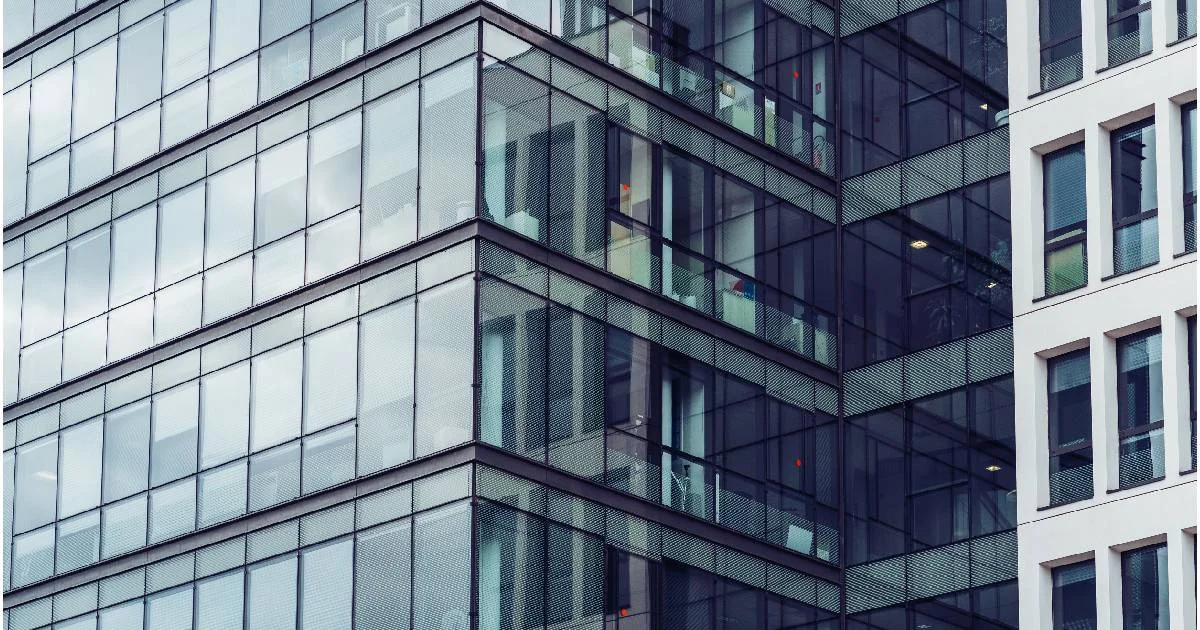
Choosing the Right Window Tint for Your Office: A Comprehensive Guide
28 Dec 2023, By AdminOffice window tinting is a valuable investment that can enhance the aesthetics, comfort, and energy efficiency of your workspace. Whether you're looking to reduce glare, improve privacy, or enhance the overall appearance of your office, choosing the right window tint is crucial. In this comprehensive guide, we'll explore the key factors to consider when selecting office window tinting to ensure you make an informed decision that aligns with your business needs.
Purpose of Window Tinting
Before diving into the world of window tint options, it's essential to identify the specific purposes for which you want to apply tint to your office windows. Common objectives include: Glare Reduction: Tints can minimize glare from the sun, creating a more comfortable working environment by reducing eye strain and distractions. Privacy Enhancement: Certain tints provide one-way visibility, allowing those inside the office to see out while preventing outsiders from peering in. Energy Efficiency: Window films can help regulate the temperature within your office, reducing the need for excessive air conditioning and heating. UV Protection: Tints can block harmful UV rays, protecting furniture, flooring, and equipment from fading and damage.
Types of Window Tint
Solar Control Films: These tints are designed to reduce heat and glare from the sun, promoting a more comfortable and energy-efficient workspace. Privacy Films: Ideal for meeting rooms or areas requiring confidentiality, privacy films can obstruct the view from the outside while maintaining visibility from within. Decorative Films: If aesthetics are a priority, decorative films come in various patterns and designs to enhance the visual appeal of your office. Safety and Security Films: These films add an extra layer of protection by holding shattered glass together, improving safety in the event of breakage.
Why should I consider office window tinting?
Office window tinting offers several benefits, including improved energy efficiency, reduced glare, enhanced privacy, and protection against harmful UV rays. Tinted windows can create a more comfortable and productive work environment for employees.
What factors should I consider when choosing the right window tint for my office?
Several factors should influence your decision, such as the type of film, level of tint, local regulations, and your specific needs. Consider factors like the amount of natural light you want, the level of privacy required, and the aesthetic appeal of the tint.
What types of window tint films are suitable for office use?
A: There are various types of window tint films designed for different purposes. Some common types include solar control films, privacy films, decorative films, and safety/security films. Solar control films are popular for reducing heat and glare, while privacy films can enhance confidentiality within the office.
How does office window tinting contribute to energy efficiency?
Window tinting can significantly improve energy efficiency by reducing the heat entering the office space. Solar control films, in particular, can block a considerable amount of heat, helping to maintain a comfortable temperature and reducing the need for excessive air conditioning.
Are there any legal considerations when it comes to office window tinting?
Yes, local regulations may govern the permissible level of tint for commercial buildings. It's crucial to check with local authorities to ensure compliance with tinting laws. Non-compliance could result in fines or the need to remove the tint.
Can window tinting protect against UV rays?
Yes, many window tint films are designed to block a significant percentage of harmful UV rays. This not only protects employees from potential health issues but also helps prevent furniture and interior elements from fading due to prolonged exposure to sunlight.
How do I choose the right level of tint for my office windows?
The level of tint you choose depends on your specific needs. If glare reduction and heat rejection are top priorities, a darker tint with a higher Solar Heat Gain Coefficient (SHGC) may be suitable. If maintaining a more open and bright environment is crucial, a lighter tint with lower SHGC may be preferred.
Can office window tinting enhance security?
Yes, certain types of window tint films, such as safety/security films, are designed to reinforce glass, making it more resistant to breakage. This can enhance the security of your office space by providing an additional layer of protection against forced entry or accidents.
How do I maintain and clean tinted windows in my office?
Cleaning tinted windows requires gentle care to avoid damaging the film. Use a mild soapy solution and a soft cloth or sponge for cleaning. Avoid abrasive materials or harsh chemicals, as these can scratch or damage the tint.
What is the expected lifespan of office window tinting?
The lifespan of window tinting can vary depending on factors such as the quality of the film, installation, and environmental conditions. High-quality films, when professionally installed, can last for many years. It's essential to follow the manufacturer's recommendations for maintenance and care to extend the lifespan of the tint. Choosing the right window tint for your office involves considering various factors to ensure it meets your specific requirements. Whether it's improving energy efficiency, enhancing privacy, or adding a decorative touch, the right office window tint can contribute to a more comfortable and productive workspace.
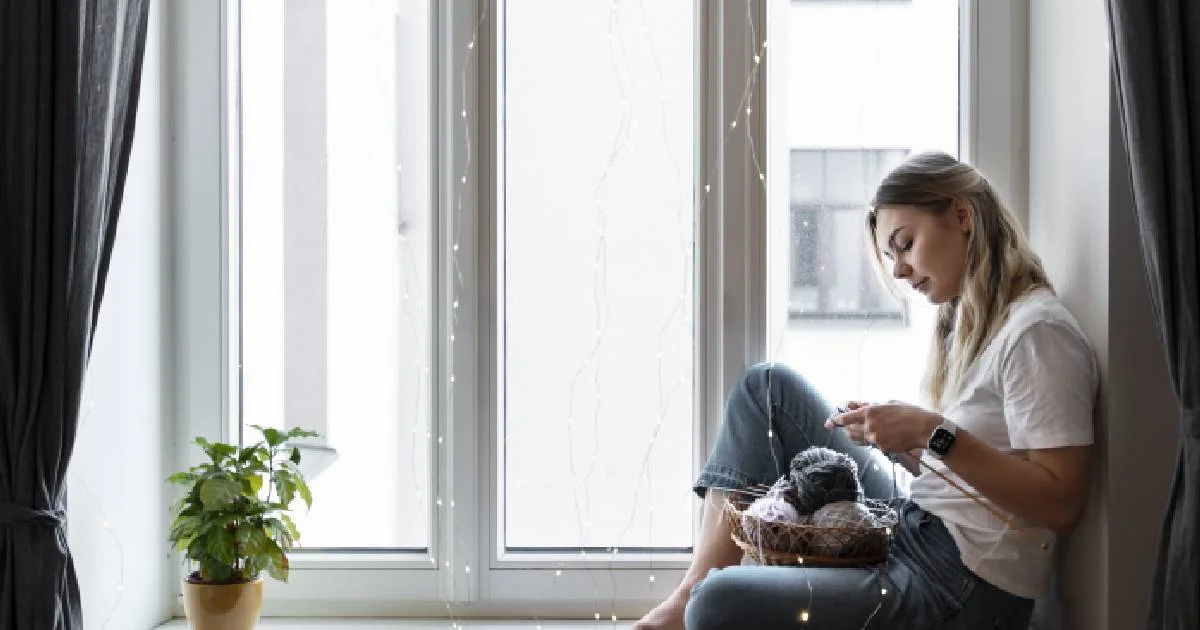
Enhance Your Privacy and Security with Home Window Tinting
23 Dec 2023, By AdminIntroduction
Home Window Tinting is a process where a thin film is applied to the windows of a residence to reduce the amount of visible light, UV rays, and heat that enters the interior. This tinting film is typically made of polyester and can come in various shades. The primary purpose is to enhance privacy and security by limiting the view into your home from the outside.
What is Home Window Tinting, and how does it enhance privacy and security?
Home Window Tinting is a process where a thin film is applied to the windows of a residence to reduce the amount of visible light, UV rays, and heat that enters the interior. This tinting film is typically made of polyester and can come in various shades. The primary purpose is to enhance privacy and security by limiting the view into your home from the outside.
How does Home Window Tinting contribute to privacy at home?
Home Window Tinting provides an additional layer of privacy by obstructing the view into your home. It allows you to enjoy natural light without compromising your privacy, making it difficult for outsiders to see the interiors of your house. This is especially beneficial for ground-level windows and homes in close proximity to neighbors or busy streets.
Can Home Window Tinting protect against harmful UV rays?
Absolutely! One of the significant benefits of Home Window Tinting is its ability to block a significant portion of harmful UV rays. This not only helps in safeguarding your skin from potential damage but also prevents fading and deterioration of your furniture, flooring, and other belongings due to prolonged exposure to sunlight.
How does Home Window Tinting contribute to energy efficiency?
Home Window Tinting can help regulate the temperature inside your home by reducing the amount of heat that enters through the windows. This means less reliance on air conditioning during hot days, resulting in energy savings. It acts as an insulator, keeping your home cooler in the summer and warmer in the winter, thus contributing to overall energy efficiency.
Are there different types of window tinting available for homes?
Yes, there are various types of Home Window Tinting films available. These include reflective, dyed, and ceramic films. Reflective films are excellent for blocking heat, while dyed films are more for privacy. Ceramic films, on the other hand, offer a good balance between heat rejection and maintaining natural light.
How does Home Window Tinting enhance security?
Home Window Tinting enhances security by adding an extra layer of protection to your windows. The film makes it more difficult for burglars to see inside your home, making it less likely that they will attempt a break-in. Additionally, the film can hold shattered glass together in case of breakage, reducing the risk of injury and making it harder for intruders to gain access.
Does Home Window Tinting require special maintenance?
Home Window Tinting is relatively low maintenance. Cleaning the tinted windows is similar to cleaning regular windows—mild soapy water and a soft cloth are usually sufficient. However, abrasive cleaning materials should be avoided to prevent damage to the tinting film. Regular cleaning helps maintain the effectiveness and appearance of the tinting over time.
Enhancing privacy and security through Home Window Tinting is a practical and effective solution for homeowners, offering a range of benefits beyond just aesthetic appeal. By considering the type of tinting film and hiring professionals for installation, you can create a more comfortable and secure living environment for your family.
In conclusion, home window tinting is a versatile solution that offers a range of benefits beyond aesthetics. From enhancing privacy and security to protecting against UV rays and improving energy efficiency, the advantages are numerous. Consider investing in home window tinting to create a secure, comfortable, and energy-efficient living space that aligns with the demands of the modern world. Take the first step towards transforming your home into a haven of privacy and security by exploring the possibilities of home window tinting today.
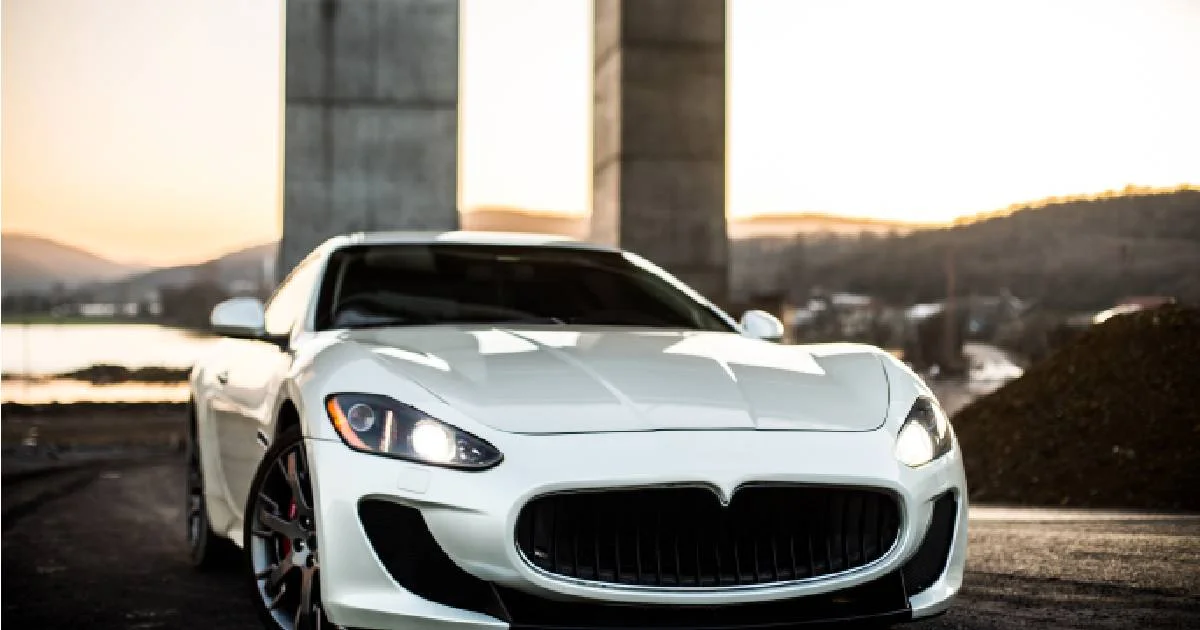
How to Find the Best Car Window Tinting Service in Hamilton
15 Dec 2023, By AdminIntroduction
Car window tinting not only enhances the aesthetics of your vehicle but also provides numerous benefits such as UV protection, heat reduction, and increased privacy. If you're in Hamilton and in search of the best car window tinting service, you've come to the right place. In this guide, we'll walk you through the steps to find the perfect tinting service for your car, ensuring quality and customer satisfaction.
Why is car window tinting important?
Car window tinting offers several benefits, including UV protection, heat reduction, enhanced privacy, and aesthetic appeal. It also helps protect your vehicle's interior from sun damage.
How can I find car window tinting services in Hamilton?
Start by searching online using the keyword 'car window tinting Hamilton.' You'll find a list of service providers in the area. Additionally, ask for recommendations from friends, family, or local car enthusiasts.
What factors should I consider when choosing a tinting service?
Consider the experience of the service provider, the quality of tint films used, customer reviews, and the warranty offered. Check if they comply with local tinting regulations and offer a variety of tint shades to suit your preferences.
Is it essential to choose a licensed and insured service?
Yes, it's crucial. A licensed and insured service provider ensures professionalism and compliance with industry standards. It also protects you in case of any unforeseen issues during the tinting process.
What types of tint films are available, and how do I choose the right one?
There are various tint film options, including dyed, metalized, carbon, and ceramic films. The choice depends on your priorities—whether you prioritize heat reduction, UV protection, or a particular aesthetic. Ask the service provider for recommendations based on your needs.
Are there different types of window tint films, and how do I choose the right one for my car in Hamilton?
Yes, there are various types of window tint films, and choosing the right one depends on your preferences and needs:
- Dyed Film: Offers a non-reflective appearance and absorbs solar heat. It's a budget-friendly option but may not provide as much heat rejection as other types.
- Metalized Film Provides excellent heat rejection and durability. It contains metallic particles for added sun protection but may interfere with electronic signals.
- Carbon Film Combines matte finish with high heat rejection. Carbon tinting is known for its color stability and does not interfere with signals.
- Ceramic Film Offers superior heat rejection without using metal layers. It is non-metallic, non-conductive, and allows for excellent visibility. However, it tends to be more expensive.
Consider your budget, aesthetic preferences, and desired level of heat rejection when choosing the right tint for your car in Hamilton. Discuss these factors with the tinting service to make an informed decision.
By considering these factors and asking the right questions, you can find the best car window tinting service in Hamilton that meets your needs and provides quality results.
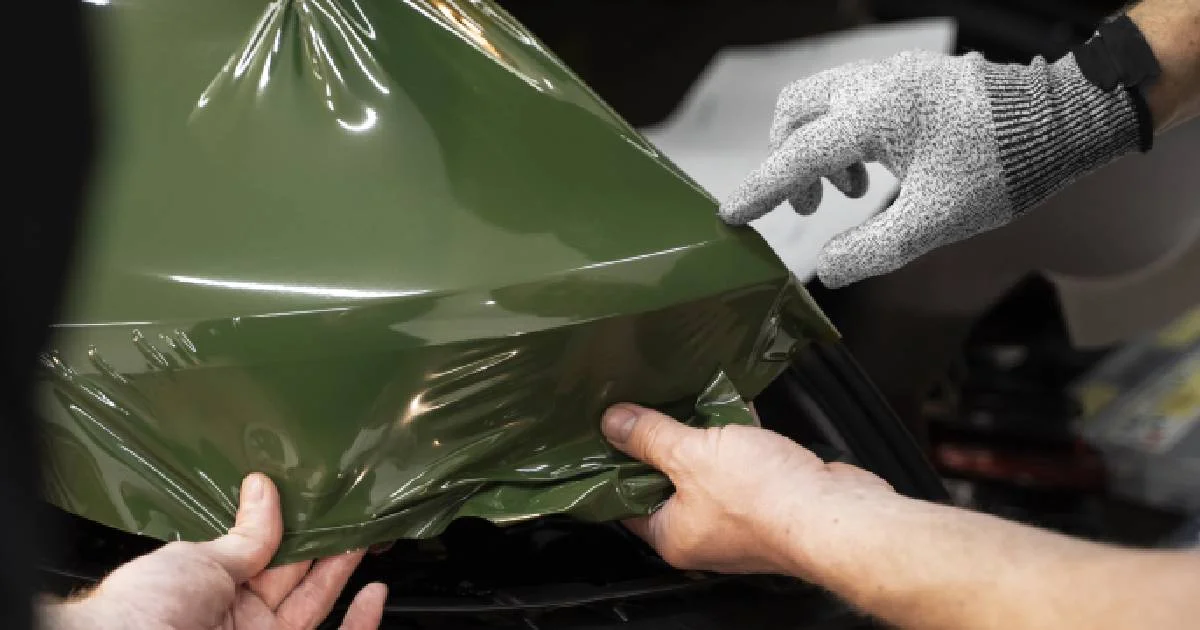
Innovations in Car Wrap Technology: What's New in Tauranga?
08 Dec 2023, By AdminIntroduction
In the ever-evolving world of automotive customization, car wrapping has emerged as a revolutionary way to transform the appearance of vehicles. Tauranga, with its vibrant automotive culture, has witnessed a surge in the popularity of car wrapping. This trend isn't just about changing colors; it's about embracing cutting-edge technologies that redefine what's possible in the realm of vehicle aesthetics.
The Art and Science of Car Wrapping in Tauranga
Car wrapping is an art form that blends creativity with precision. Traditional vinyl wraps have been used for years, allowing car enthusiasts to change the color and finish of their vehicles. However, recent innovations have taken car wrapping to a whole new level in Tauranga.
The materials used in car wrapping have undergone significant advancements. High-quality vinyl films are now more durable, weather-resistant, and versatile than ever before. Tauranga's climate demands robust materials that can withstand both the scorching sun and the occasional rain, making these new vinyl films ideal for the region.
Imagine a car that changes color as it cruises through the streets of Tauranga – enter color-shift technology. This innovative feature allows the vehicle's hue to transform depending on the viewing angle and lighting conditions. Car wrapping in Tauranga has become a dynamic spectacle, with colors shifting from iridescent blues to mesmerizing purples, capturing the attention of onlookers.
Beyond just color, modern car wraps can now incorporate three-dimensional textures and effects. From carbon fiber patterns to metallic finishes, Tauranga's car enthusiasts can add a touch of luxury and sophistication to their vehicles. These textures not only look visually stunning but also provide a tactile experience, enhancing the overall appeal of the wrapped car.
Digital printing technology has enabled unparalleled levels of customization. Car wrapping in Tauranga now allows for intricate designs, intricate patterns, and even personalized graphics. Whether it's showcasing a brand logo or expressing individual style, digital printing brings a new dimension to the world of car aesthetics.
- Next-Gen Materials:
- Color-Shift Technology:
- 3D Textures and Effects:
- Digital Printing for Personalization:
What is car wrapping, and how does it differ from traditional paint jobs?
Car wrapping is a process where a vehicle's original paint is covered with a vinyl wrap. This technique provides a protective layer and allows for various designs. Unlike traditional paint jobs, car wrapping is temporary, and the original paint remains intact.
What are the latest innovations in car wrap technology in Tauranga?
Tauranga has witnessed advancements in car wrap technology, with the introduction of new materials such as color-shifting and textured vinyl wraps. These materials offer unique visual effects and textures, allowing for personalized and eye-catching designs.
How do color-shifting wraps work, and what makes them popular in Tauranga?
Color-shifting wraps use special pigments that change color depending on the viewing angle and lighting conditions. Tauranga car enthusiasts are drawn to these wraps for their ability to create a dynamic and captivating appearance, making vehicles stand out in any setting.
Are there eco-friendly options in car wrapping technology available in Tauranga?
Yes, eco-friendly car wrap options have gained popularity in Tauranga. Some wraps use sustainable materials, and the application process produces fewer emissions compared to traditional painting methods, aligning with the city's commitment to environmental sustainability.
Are there advancements in the durability of car wraps in Tauranga's climate?
Yes, Tauranga's unique climate considerations have led to the development of car wraps with enhanced durability. These wraps are designed to withstand the region's exposure to sunlight, humidity, and salt air, ensuring a longer lifespan and vibrant appearance.
How has technology impacted the design possibilities for car wraps in Tauranga?
Technological advancements have expanded design possibilities significantly. Tauranga's car wrapping industry now employs computer-aided design (CAD) software and digital printing technologies, allowing for intricate and detailed custom designs, logos, and patterns.
Conclusion
In Tauranga, the world of car wrapping is experiencing a renaissance, where technology meets creativity on the open road. The innovations in car wrap technology discussed above represent just the tip of the iceberg. As the city continues to embrace individuality and expression, one can only anticipate more groundbreaking developments in the ever-evolving world of car wraps. So, the next time you find yourself on the streets of Tauranga, keep an eye out for these marvels of innovation – the cars that wear their personalities on the outside for all to see.
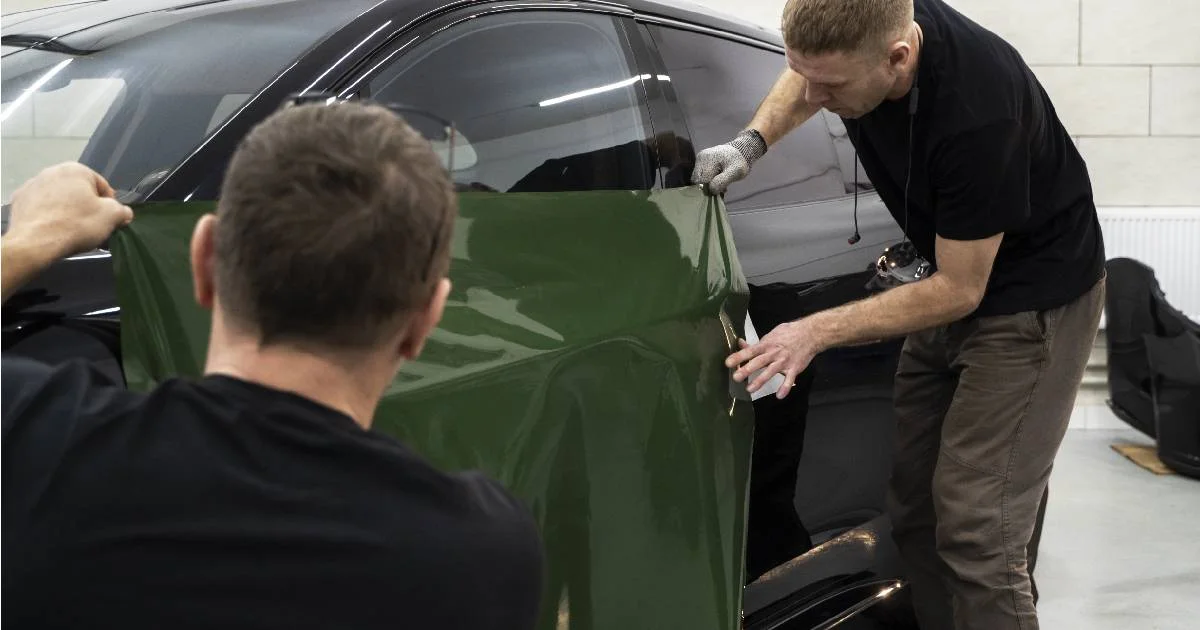
Vinyl Wrap vs. Paint: Making the Right Choice for Your Vehicle in Rotorua
01 Dec 2023, By AdminAre you considering a new look for your vehicle in Rotorua? When it comes to transforming the appearance of your car, two popular options stand out: vinyl wrap and traditional paint. Each method has its own set of advantages and considerations, making the decision a crucial one for car enthusiasts. In this post, we'll explore the pros and cons of vinyl wrap versus paint to help you make the right choice for your vehicle in Rotorua.
Vinyl Wrap Rotorua: A Trendy and Protective Option
Advantages of Vinyl Wrap
- Endless Design Possibilities: Vinyl wraps offer a wide range of colors, textures, and finishes, allowing you to unleash your creativity and achieve a unique look for your vehicle.
- Protection for Your Original Paint: Vinyl wraps act as a protective layer for your car's factory paint, shielding it from stone chips, road debris, and minor scratches.
- Removability: One of the significant advantages of vinyl wraps is that they are removable. If you want to change the look of your vehicle or return it to its original state, a vinyl wrap can be taken off without damaging the underlying paint.
- Cost-Effective: In many cases, vinyl wrapping can be a more cost-effective option than a full-paint job, making it an attractive choice for those on a budget.
Considerations for Vinyl Wrap
- Durability: While vinyl wraps provide protection, they may not be as durable as paint when it comes to resisting major impacts or harsh weather conditions.
- Professional Installation: For a flawless finish, it's crucial to have your vinyl wrap installed by a professional. Look for reputable "vehicle wrap near me" services in Rotorua to ensure quality work.
Vehicle Paint in Rotorua: Timeless Elegance with a Few Caveats
Advantages of Vehicle Paint
- Longevity: A well-executed paint job can last for many years, providing a durable and resilient finish.
- High-Quality Finish: Professional painters can achieve a high-quality, glossy finish that is often considered the gold standard in the automotive industry.
Considerations for Vehicle Paint
- Cost: A quality paint job can be more expensive than a vinyl wrap, especially if you opt for custom colors or intricate designs.
- Limited Design Options: While paint offers a classic and elegant look, it may not provide the same variety of design options as vinyl wraps.
- Permanent: Unlike vinyl wraps, paint is a permanent change to your vehicle's appearance. Reverting to the original look may require a significant investment.
Making the Right Choice
Ultimately, the decision between vinyl wrap and paint depends on your preferences, budget, and the desired level of customization. If you're looking for a versatile and cost-effective option with a range of design possibilities, a vinyl wrap in Rotorua might be the ideal choice. On the other hand, if you prioritize longevity and a timeless finish, a professional paint job could be the way to go.
Before making your decision, be sure to research reputable "vehicle wrap near me" services in Rotorua and consult with professionals to determine the best option for your specific vehicle and style preferences. Whether you choose the modern flair of a vinyl wrap or the timeless elegance of a paint job, transforming your vehicle in Rotorua is an exciting journey that reflects your unique taste and style.
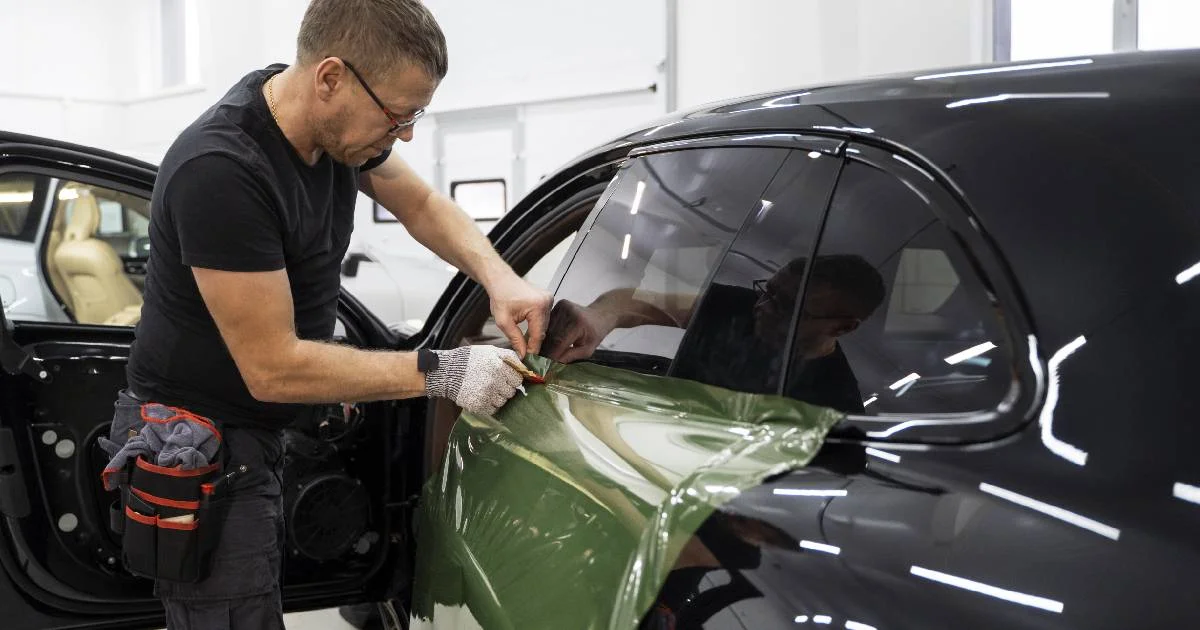
The Ultimate Guide to Vinyl Wrap in Hamilton: Tips and Tricks for a Stunning Finish
25 Nov 2023, By AdminVinyl wrapping has become an increasingly popular method for transforming the appearance of vehicles, furniture, and other surfaces. In Hamilton, the trend has caught on, with enthusiasts and businesses alike embracing the versatility and durability of vinyl wraps. Whether you're looking to add a personal touch to your car or give your business vehicle a professional look, mastering the art of vinyl wrapping is essential. In this comprehensive guide, we'll explore the ins and outs of vinyl wrap in Hamilton, providing you with tips and tricks for achieving a stunning finish.
Understanding Vinyl Wrap
Before diving into the application process, it's crucial to understand the basics of vinyl wrap. Vinyl wraps are thin, adhesive-backed films that adhere to surfaces, creating a protective layer that can be customized with various colors, textures, and designs. They offer a cost-effective alternative to traditional paint jobs, allowing for easy removal and updates.
Choosing the Right Vinyl
Selecting the right vinyl is the foundation of a successful wrap. Consider the surface you're wrapping and the desired finish. For vehicles in Hamilton's diverse weather conditions, opt for high-quality, weather-resistant vinyl to ensure longevity. Matte, gloss, satin, and metallic finishes are popular choices, each offering a unique aesthetic.
Preparing the Surface
Proper surface preparation is key to a flawless vinyl wrap. Ensure that the surface is clean, smooth, and free from any dirt, grease, or wax. Use a mild detergent and water solution to clean the surface thoroughly, and follow up with isopropyl alcohol to remove any remaining residue. Repair any existing damage, such as dents or scratches, before starting the wrapping process.
Essential Tools for the Job
Gather the necessary tools before beginning the vinyl wrap process. Essential tools include a squeegee, heat gun, knife or cutting tool and measuring tape. Investing in high-quality tools will make the application smoother and result in a professional-looking finish.
Mastering the Application
The key to a successful vinyl wrap lies in the application technique. Start by carefully aligning the vinyl with the target surface, ensuring a slight overhang on all edges. Use a squeegee to remove air bubbles and smooth out the vinyl, working from the center outward. A heat gun can be used to stretch the vinyl around curves and contours for a seamless finish.
Trimming and Finishing Touches
Once the vinyl is applied, trim the excess material with precision. A sharp cutting tool is crucial for achieving clean edges and corners. Pay attention to details, such as door handles and curves, to ensure a professional look. Seal the edges with a heat gun for added durability and longevity.
Maintenance and Care
To preserve the quality and appearance of your vinyl wrap in Hamilton's varying weather conditions, follow a routine maintenance schedule. Wash your wrapped surface regularly with a mild detergent, avoiding abrasive cleaners that could damage the finish. Additionally, park your wrapped vehicle in shaded areas whenever possible to minimize exposure to harsh sunlight.
Conclusion
Vinyl wrapping in Hamilton opens up a world of creative possibilities for vehicle customization and branding. By understanding the nuances of the process and incorporating the tips and tricks outlined in this guide, you can achieve a stunning finish that not only turns heads but also stands the test of time. Whether you're a DIY enthusiast or seeking professional services, mastering the art of vinyl wrap will undoubtedly elevate your style and make a lasting impression on the streets of Hamilton.
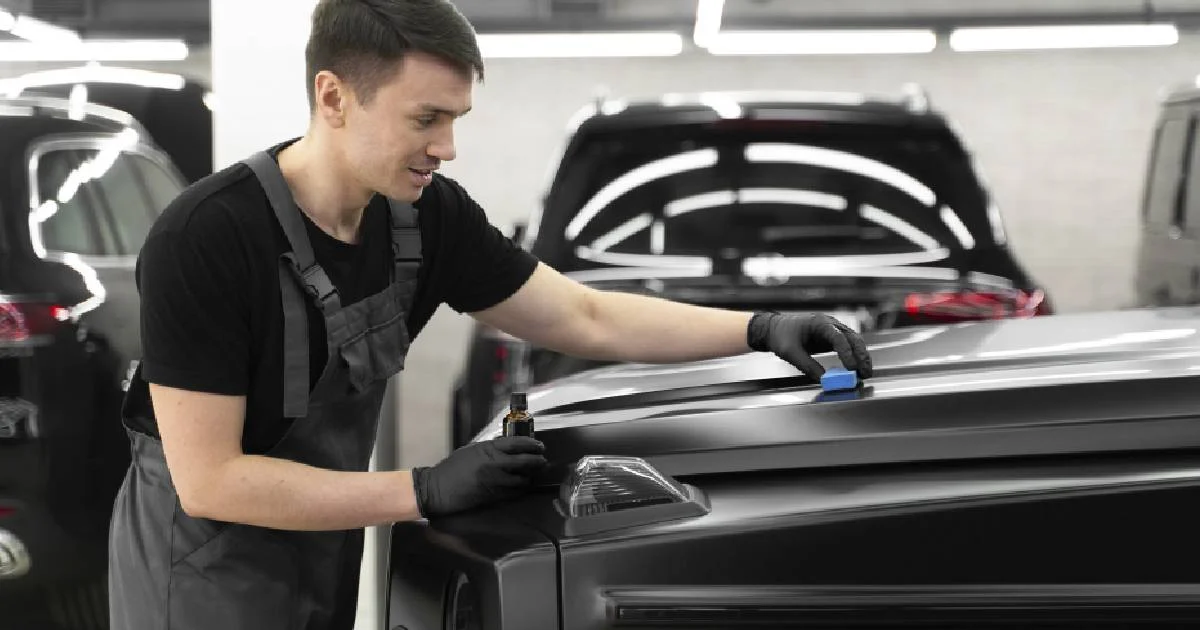
Exploring Different Types of Ceramic Coatings Available in Hamilton
10 Nov 2023, By AdminCeramic coatings have become a popular choice for car enthusiasts, homeowners, and industrial applications in Hamilton, Ontario. These coatings offer a wide range of benefits, including enhanced durability, heat resistance, and a sleek appearance. Whether you're looking to protect your vehicle's paint, enhance the aesthetics of your home, or improve the functionality of industrial equipment, there are various types of ceramic coatings available in Hamilton to suit your needs. In this blog, we'll explore some of the different types of ceramic coatings and their applications in the Hamilton area.
What Are the Different Types Of Ceramic Coatings?
Automotive Ceramic Coatings:
Nano ceramic coatings are incredibly thin, transparent layers that bond with the paint of your vehicle. They offer exceptional protection against UV rays, acid rain, and environmental contaminants. These coatings are ideal for car enthusiasts in Hamilton who want to keep their vehicles looking pristine.
SiO2 coatings are known for their hydrophobic properties, which make them excellent for repelling water, dirt, and debris. They create a glossy finish and provide long-lasting protection against various elements.
- Nano Ceramic Coatings:
- SiO2 (Silicon Dioxide) Coatings:
- Graphene Coatings:
Graphene coatings are a relatively new addition to the ceramic coating family. They are exceptionally durable and known for their high heat resistance. These coatings are suitable for those who demand the best protection for their vehicles, especially in Hamilton's varied weather conditions.
Benefits of Ceramic Coating in Hamilton
Ceramic coatings create a durable and protective layer on the vehicle's paint surface. This layer acts as a shield against various environmental contaminants, such as dirt, dust, road salt, bird droppings, tree sap, and UV rays. In Hamilton, where winter weather and road salt can be particularly harsh on vehicles, ceramic coatings can help prevent damage and corrosion.
Ceramic coatings provide a long-lasting, high-gloss finish to your vehicle. This shine not only makes your car look impressive but also stays intact for an extended period, reducing the need for frequent waxing and polishing.
Ceramic coatings make it easier to clean your car. Their hydrophobic properties repel water and prevent contaminants from sticking to the surface, making it less likely for dirt and grime to accumulate. This makes washing and maintaining your car in Hamilton more convenient.
- Enhanced Paint Protection:
- Long-Lasting Shine:
- Easy Maintenance:
- Resistance to Chemicals:
Ceramic coatings are resistant to many chemicals, including harsh cleaning agents and road salts. This resistance helps protect your car's paint from the corrosive effects of chemicals and can be particularly beneficial in areas with extreme weather conditions, like Hamilton.
Residential Ceramic Coatings:
Hamilton's climate can be tough on the exterior of homes. Ceramic coatings can be applied to the exterior walls to protect them from harsh weather conditions and pollutants. They also add a glossy finish, giving your home an attractive and clean look.
Ceramic roof coatings are designed to extend the life of your roof by providing a protective barrier against moisture, UV rays, and temperature fluctuations. In a city like Hamilton, where weather can be unpredictable, this is a valuable investment.
- Exterior House Coatings:
- Roof Coatings:
- Window and Glass Coatings:
Window and glass coatings enhance energy efficiency, reduce heat buildup, and make cleaning easier. Hamilton residents can benefit from these coatings by reducing energy costs and making their homes more comfortable.
Industrial Ceramic Coatings:
Industries in Hamilton dealing with high-temperature equipment such as engines, exhaust systems, and industrial machinery can benefit from high-temperature ceramic coatings. These coatings provide thermal insulation and corrosion resistance, prolonging the life of equipment.
Industries that face exposure to chemicals and corrosive environments often use ceramic coatings to protect their assets. These coatings offer a durable and long-lasting solution to prevent corrosion.
- High-Temperature Ceramic Coatings:
- Anti-Corrosion Coatings:
- Wear-Resistant Coatings:
Manufacturing and heavy machinery industries in Hamilton require coatings that can withstand the wear and tear of daily operations. Wear-resistant ceramic coatings are designed to do just that, extending the life of industrial equipment.
In Hamilton, the wide variety of ceramic coatings available cater to the specific needs of the automotive, residential, and industrial sectors. These coatings not only protect surfaces but also improve their aesthetic appeal, making them a valuable investment. Before choosing a ceramic coating, it's essential to consider your specific requirements and consult with professionals who can recommend the most suitable option for your needs.
Whether you want to preserve the pristine appearance of your car, protect your home from Hamilton's ever-changing weather, or enhance the durability of industrial equipment, ceramic coatings offer a versatile and effective solution for residents and businesses in Hamilton. When applied correctly, these coatings provide long-lasting protection and aesthetic benefits, making them a worthwhile investment for those looking to maintain the quality and appearance of their possessions.
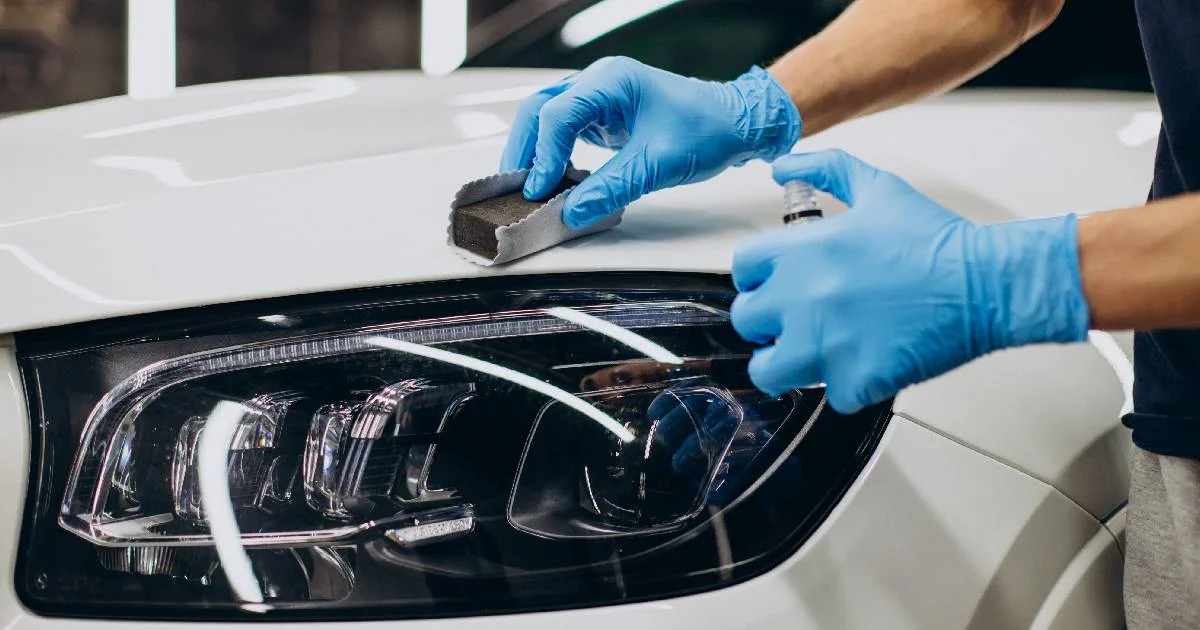
Why Ceramic Coating is a Must-Have for Your Car in Hamilton
06 Nov 2023, By AdminWhen it comes to protecting your car's exterior and keeping it looking sleek and shiny, ceramic coating is a game-changer. If you're a car owner in Hamilton, you're likely familiar with the challenges that your vehicle faces due to the city's diverse weather conditions, including harsh winters and intense sunlight. In this blog, we'll explore the benefits of ceramic coating, particularly for those in Hamilton, and why it's a must-have for your car.
What is Ceramic Coating?
Ceramic coating is a liquid polymer that is applied to the exterior surfaces of your car. This coating chemically bonds with the factory paint, creating a protective layer that offers numerous advantages. It's a highly effective method for safeguarding your vehicle's paintwork against various environmental contaminants and harsh weather conditions.
Benefits of Ceramic Coating in Hamilton
Hamilton is no stranger to harsh winters, with snow, ice, and road salts being common threats to your car's paint. Ceramic coating creates a barrier that shields your car's exterior from these harsh elements. It also makes it easier to remove snow and ice, preventing damage to the paint during the cleaning process.
In the summer, Hamilton can experience intense sunlight, which can cause your car's paint to fade and deteriorate over time. Ceramic coating acts as a shield against harmful UV rays, preserving the vibrant color and gloss of your car's finish.
Your car is constantly exposed to contaminants like bird droppings, tree sap, and insects. Ceramic coating forms a hydrophobic surface that repels these substances, preventing them from bonding to the paint and causing permanent damage. It also makes cleaning your car much easier, as dirt and grime slide off more effortlessly.
Ceramic coating provides a long-lasting shine that surpasses traditional wax or sealant. Your car will maintain its showroom-like finish for years, reducing the need for frequent polishing or detailing.
While ceramic coating doesn't make your car completely scratch-proof, it does offer a level of protection against light scratches and swirl marks. It acts as a sacrificial layer, absorbing the impact and preserving your car's underlying paint.
One of the most remarkable features of ceramic coating is its hydrophobic nature. Rainwater and other liquids bead up and roll off the surface, keeping your car cleaner and reducing water spots.
With ceramic coating, you'll spend less time and effort on maintaining your car's appearance. Cleaning is a breeze, and you won't need to wax your car regularly. This convenience is especially valuable in a city like Hamilton, where weather conditions can be challenging.
How to Choose the Right Window Tint for Your Home: Latest Trends and Options
03 Nov 2023, By AdminWhen it comes to home window tinting, there's more to it than just adding an extra layer of privacy and style to your living space. The latest trends and options in home window tinting offer a wide range of benefits, from improved energy efficiency to enhanced security and UV protection. In this blog, we'll explore the latest trends and options to help you choose the right window tint for your home.
Why Tint Your Home Windows?
Before diving into the latest trends and options, let's quickly touch on why home window tinting is a worthwhile investment. Tinting your windows offers numerous advantages:
- Privacy: Window tint can provide privacy by preventing outsiders from peering into your home.
- Energy Efficiency: Tinted windows can reduce heat gain in the summer and heat loss in the winter, leading to lower energy bills.
- UV Protection: Window tint blocks harmful UV rays, protecting your furniture and flooring from fading.
- Glare Reduction: Tinted windows can significantly reduce glare from the sun, making your living spaces more comfortable.
- Safety and Security: Some tints offer shatter resistance, adding a layer of security to your home.
Now, let's explore the latest trends and options in home window tinting.
1. Decorative Window Films
One of the newest trends in home window tinting is decorative window films. These films come in various patterns, textures, and colors, allowing you to add a touch of personality to your windows. Whether you prefer a frosted, stained glass, or custom design, decorative window films can transform your windows into a work of art. They are also a great choice for adding privacy without sacrificing style.
2. Smart Tinting Technology
As technology advances, so does window tinting. Smart tinting technology, also known as switchable or electrochromic glass, allows you to control the level of tint with the push of a button. This innovative option is perfect for those who want to balance natural light with privacy. Smart tinting technology can be integrated into your home's automation system, making it even more convenient.
3. Heat-Reflective Films
In regions with hot summers, heat-reflective window films have become increasingly popular. These films are designed to reduce solar heat gain, keeping your home cooler and more comfortable. By minimizing the need for excessive air conditioning, heat-reflective films can also help lower your energy bills.
4. Safety and Security Films
Security window films provide an added layer of protection for your home. These films are designed to make the glass more shatter-resistant, which can deter intruders and protect your family in case of accidents or extreme weather conditions. Additionally, security films are often combined with solar-control features, providing a dual benefit of safety and energy efficiency.
5. UV-Blocking Films
UV-blocking films are an essential choice for homeowners concerned about protecting their furniture and flooring from the harmful effects of ultraviolet rays. These films can block up to 99% of UV radiation while allowing visible light to pass through. This option is not only practical but also essential for preserving the longevity of your interior decor.
6. Choosing the Right Window Tint
Selecting the right window tint for your home involves considering your specific needs, climate, and personal preferences. Here are a few tips to help you make an informed decision:
- Consult with a professional: Reach out to a window tinting expert who can assess your needs and recommend the best options.
- Check local regulations: Some areas have regulations regarding the darkness of window tint. Ensure that your chosen tint complies with local laws.
- Consider long-term costs: While high-quality tints may have a higher upfront cost, they often provide better durability and energy efficiency, saving you money in the long run.
- Review warranties: Look for warranties on the products and installation to ensure you're covered in case of defects or issues.
In conclusion, home window tinting is a versatile and practical solution that offers a wide range of benefits. Whether you're looking for added privacy, energy efficiency, UV protection, or decorative options, there's a window tint that suits your needs. Keep up with the latest trends and consult with professionals to make the right choice for your home. With the right window tint, you can enhance the comfort, style, and security of your living space.
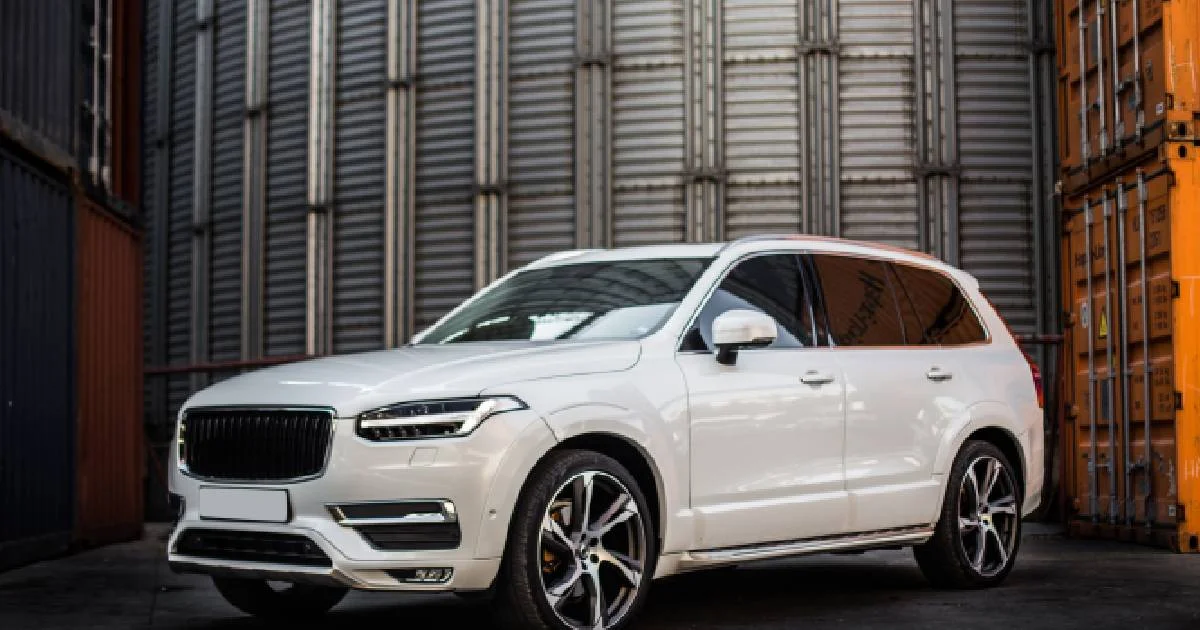
What Is Car Wrapping and Why Should You Consider It?
30 Oct 2023, By AdminIn a world where personalization and individuality reign supreme, car enthusiasts and owners are constantly looking for unique ways to make their vehicles stand out. While custom paint jobs have long been a popular choice for personalizing a car's appearance, car wrapping has emerged as a revolutionary and cost-effective alternative. In this blog, we'll explore the concept of car wrapping and why you should consider it as a viable option for transforming your vehicle's look.
Why Should You Consider Car Wrapping?
- Aesthetic Freedom: Car wrapping offers an incredible degree of personalization. You can choose from a wide range of colors, patterns, and finishes to create a look that's uniquely yours. Whether you want a sleek matte black finish or a vibrant, attention-grabbing design, the possibilities are endless.
- Cost-Effective: Compared to a custom paint job, car wrapping is a more budget-friendly option. It allows you to change your vehicle's appearance without the high cost of a complete repaint.
- Protective Properties: The vinyl film provides a layer of protection for your car's original paint, shielding it from minor scratches, stone chips, and the effects of UV rays. When it's time to remove the wrap, your car's paint will look as good as new.
- Temporary or Reversible: Car wraps are not permanent modifications. If you decide you want a different look or if you're selling your vehicle, the wrap can be easily removed without damaging the original paint.
- Promotional and Branding Opportunities: Car wrapping is not limited to personal vehicles. Businesses often use vehicle wraps as an effective form of mobile advertising, turning their company cars into moving billboards.
- Resale Value: A well-maintained wrapped car can potentially fetch a higher resale value as the original paint underneath is protected from wear and tear.
- Quick Turnaround: Car wrapping typically takes less time than a traditional paint job, allowing you to get back on the road with your transformed vehicle sooner.
Choosing the Right Professional
For the best results, it's crucial to choose an experienced and reputable car wrapping professional. Look for someone who uses high-quality vinyl materials and has a portfolio of previous work. The skill and precision of the installer can make a significant difference in the final look and longevity of the wrap.
Car wrapping is a versatile and cost-effective way to personalize and protect your vehicle. Whether you're looking to change your car's color, create a unique design, or use your vehicle for advertising purposes, car wrapping offers numerous benefits. Plus, with easy removal and preservation of your car's resale value, it's a win-win choice for those who want to make a statement on the road. So, if you're considering a fresh look for your car, don't overlook the exciting world of car wrapping. It might just be the perfect solution for you.

Pros and Cons of Car Wrapping: Is it Worth the Investment?
25 Oct 2023, By AdminIn recent years, car wrapping has become a popular trend among automobile enthusiasts and businesses alike. Whether you want to give your vehicle a fresh, unique look or use it as a marketing tool for your company, car wrapping offers a creative and eye-catching solution. However, like any automotive modification, car wrapping comes with its own set of pros and cons. In this blog, we'll explore the advantages and disadvantages of car wrapping to help you determine if it's worth the investment.
What Are Pros of Car Wrapping
- Aesthetic Appeal: Car wrapping allows you to change the appearance of your vehicle dramatically. With an extensive range of colors, finishes, and textures available, you can achieve a personalized look that suits your style or branding needs.
- Protection: Wrapping your car provides a layer of protection for the original paint. It shields the vehicle from minor scratches, chips, and UV rays. This added layer can help maintain the resale value of your car.
- Temporary Customization: Unlike a paint job, car wrapping is reversible. If you decide you no longer like the design or want to return your car to its original state, you can remove the wrap without any damage to the underlying paint.
- Advertising and Branding: Businesses can use car wrapping as a cost-effective and mobile advertising strategy. Wrapping a company vehicle with a logo, contact information, and eye-catching graphics can increase brand visibility and recognition.
- Versatility: Car wrapping can be applied to various types of vehicles, from compact cars to trucks, and even boats. This makes it a versatile option for both personal and commercial use.
- Fast Turnaround: The process of wrapping a car is generally quicker than a full paint job. This means less downtime for your vehicle, making it an attractive option for those who rely on their cars for daily transportation.
What Are Cons of Car Wrapping
- Cost: While car wrapping is more affordable than a custom paint job, it can still be a significant investment. The price varies depending on the size of your vehicle, the type of material used, and the complexity of the design.
- Durability: Car wraps are not as durable as paint. They can be damaged by rock chips, bird droppings, or harsh weather conditions. In addition, the lifespan of a wrap typically ranges from 3 to 5 years, after which it may begin to show signs of wear and tear.
- Installation Quality: The quality of a car wrap largely depends on the skill of the installer. A poor installation job can result in wrinkles, bubbles, or peeling, which can be unsightly and require costly corrections.
- Limited Repair Options: When a section of your wrap is damaged, repairing it can be challenging, especially if the color or design is no longer available. This might require redoing the entire wrap.
- Resale Value Concerns: While car wrapping can protect your vehicle's paint, some potential buyers may view it as a drawback, as they may be uncertain about the condition of the underlying paint. This could affect the resale value.
- Maintenance: Maintaining a car wrap requires specific care, such as hand washing and avoiding high-pressure car washes. Failure to do so could lead to premature deterioration of the wrap.
In conclusion, car wrapping offers an array of benefits, from aesthetics to advertising opportunities. However, it's essential to weigh these advantages against the potential drawbacks. Car wrapping can be a worthy investment for those looking for a temporary customization option or a unique way to promote their business. Still, it's crucial to choose a reputable installer and carefully consider the long-term implications, including maintenance and resale value concerns. If the pros align with your needs and budget, car wrapping can be an exciting and rewarding choice to transform your vehicle into a work of art or a moving billboard.
How to Choose the Right Window Tint for Your Home in 2023
23 Oct 2023, By AdminIn the world of home improvement, one often overlooked but highly beneficial upgrade is home window tinting. As we step into 2023, the demand for window tinting solutions has grown significantly, driven by increased awareness of their advantages. Whether you're looking to enhance privacy, reduce energy costs, or protect your furnishings from harmful UV rays, choosing the right window tint for your home is crucial. In this guide, we'll explore the key factors to consider when selecting the perfect window tint for your home in 2023.
1. Identify Your Goals
Before diving into the world of window tinting, it's essential to determine your specific goals. Why do you want window tinting for your home? Common reasons include:
- Privacy: Do you want to prevent prying eyes from peering into your living spaces?
- Energy Efficiency: Are you looking to reduce your energy bills by blocking out heat in the summer and retaining warmth in the winter?
- UV Protection: Do you want to safeguard your furniture, flooring, and artwork from harmful UV rays that can cause fading?
- Glare Reduction: Is glare from the sun or nearby buildings affecting your comfort while working or relaxing indoors?
Knowing your objectives will help you choose the right type of window tint to fulfill your needs.
2. Understand Different Types of Window Tints
In 2023, there are various types of window tints available, each with its unique features and benefits. Some of the most common options include:
- Solar Control Films: These tints are designed to reduce heat and glare, making your home more comfortable and energy-efficient. They can also block a significant portion of harmful UV rays.
- Privacy Films: These tints provide enhanced privacy during the day while allowing you to see out. They are perfect for homes with large windows or those in close proximity to neighbors.
- Decorative Films: If you want to add a touch of style to your windows, decorative films come in various patterns and designs. They can provide privacy and aesthetics simultaneously.
- Security Films: These films are designed to strengthen windows and make them more resistant to break-ins and accidents. They can be a valuable addition to your home's security system.
- UV-Blocking Films: If preserving the color and integrity of your furnishings is a priority, UV-blocking films are an excellent choice. They significantly reduce the harmful effects of UV rays on your interior decor.
3. Consider Local Regulations
Before you proceed with window tinting, it's crucial to check your local regulations and building codes. Some areas may have restrictions on the type or darkness of window tint allowed, especially for front-facing windows. Compliance with local laws ensures you avoid potential fines or complications.
4. Evaluate Tint Performance
When choosing a window tint, pay attention to its performance metrics, including:
- Visible Light Transmission (VLT): This measures the amount of visible light that can pass through the tint. A lower VLT means less light passes through, which can be helpful for glare reduction and privacy.
- Solar Heat Gain Coefficient (SHGC): This metric indicates how much heat the tint can block. Lower SHGC values are better for reducing heat gain during hot months.
- U-Factor: This measures how well the tint insulates your windows. A lower U-factor indicates better insulation, which is crucial for energy efficiency.
5. Seek Professional Installation
While some homeowners may attempt DIY window tinting, it's usually recommended to hire professionals. They have the expertise and equipment to ensure a proper installation that maximizes the benefits of your chosen tint.
6. Request Samples and Consultations
Before making your final decision, request samples of the window tints you're considering. This will allow you to see how they look in your home's lighting conditions and how well they meet your objectives. Additionally, consult with window tinting experts who can provide advice tailored to your specific needs.
In conclusion, home window tinting in 2023 is a versatile and practical solution for enhancing comfort, privacy, and energy efficiency in your home. By understanding your goals, exploring different types of tints, and considering local regulations, you can make an informed choice that brings both aesthetic and functional benefits to your living space. With professional installation and careful consideration, you'll enjoy the advantages of window tinting for years to come.
Choosing the Right Window Tint for Your Home: A 2023 Guide
23 Oct 2023, By AdminWhen it comes to enhancing the comfort, energy efficiency, and privacy of your home, window tinting is an excellent choice. In 2023, homeowners are increasingly turning to home window tinting not only for its aesthetic appeal but also for its practical benefits. However, choosing the right window tint for your home can be a daunting task with so many options available. To help you make an informed decision, this blog will answer some essential "wh" questions about home window tinting.
What is Home Window Tinting?
Home window tinting is a process where a thin film is applied to the interior or exterior surface of windows. This film contains various layers designed to provide specific benefits, such as reducing heat and glare, protecting against UV rays, and enhancing privacy.
Why Should You Consider Home Window Tinting?
a.What are the Benefits?
- Energy Efficiency: Window tinting helps regulate indoor temperatures, reducing the need for excessive heating or cooling.
- UV Protection: Tinted windows block harmful UV rays, preventing fading of furniture, flooring, and artwork.
- Glare Reduction: Tinting minimizes glare on screens and surfaces, making indoor spaces more comfortable.
- Privacy: Window films offer varying degrees of privacy, allowing you to control the visibility from outside.
b.How Does It Save Money?
- Reduced Energy Bills: By maintaining stable indoor temperatures, window tinting can lead to lower heating and cooling costs.
- Increased Lifespan of Furnishings: UV protection helps extend the lifespan of your interior furnishings, reducing replacement expenses.
When is the Best Time to Install Window Tinting?
The best time to install home window tinting is during the initial construction or renovation of your home. However, it can be added to existing windows at any time. It's essential to choose a reputable installer who can assess your needs and recommend the right time for installation.
Where Should You Apply Window Tinting?
You can apply window tinting to various areas in your home, including:
- Living rooms
- Bedrooms
- Bathrooms
- Kitchen
- Home offices
- Glass doors and skylights
Consider where you need specific benefits, such as glare reduction in your office or privacy in your bedroom.
How Do You Choose the Right Window Tint?
a.What are Your Goals?
- Identify your primary objectives, whether it's energy efficiency, UV protection, privacy, or all of the above.
b.Consider the Tint Type:,
There are different types of window tints to consider:
- Reflective Tint: Offers privacy and heat reduction but can be highly reflective from the outside.
- Ceramic Tint: Provides excellent UV protection and insulation without affecting visibility.
- Decorative Tint: Adds style and privacy with various patterns and designs.
c.Evaluate Tint Darkness:
- The darkness of the tint affects the amount of light and heat it blocks. Choose a darkness level that suits your preferences and needs.
d.Consult with Professionals:
- Seek advice from experienced window tinting professionals who can guide you in selecting the right tint for your home.
In 2023, home window tinting is a smart investment for any homeowner looking to improve energy efficiency, protect their furnishings, and enhance privacy. By answering the "wh" questions about home window tinting, we hope you're now better equipped to make an informed decision. Remember to consult with experts and consider your specific goals when choosing the right window tint for your home. With the right tint, you can enjoy a more comfortable, efficient, and private living space.
Shielding Your Home: The Power of UV Protection Through Window Tinting
13 Oct 2023, By AdminIn the pursuit of creating a cozy and inviting home, we often invest in exquisite furniture, delicate fabrics, and beautiful artwork. However, while we bask in the warmth of sunlight filtering through our windows, we might unknowingly subject our prized possessions to potential harm. Ultraviolet (UV) rays, invisible but potent, can cause irreparable damage to our furniture, flooring, and other cherished items. Fortunately, there's a simple yet effective solution – window tinting. In this blog, we'll explore the significance of UV protection through window tinting and how it preserves the integrity of your home.
Understanding the Threat: UV Rays
UV rays, a component of natural sunlight, are notorious for their ability to fade and deteriorate materials over time. Wood, fabric, leather, and even artwork are vulnerable to the harmful effects of prolonged exposure. Traditional windows offer little defense, allowing these rays to penetrate and wreak havoc on your interiors. This is where window tinting steps in as a guardian, forming an invisible shield against these damaging rays.
The Role of Window Tinting: A Protective Barrier
- Preventing Fading: One of the primary benefits of window tinting is its capacity to reduce fading. Tinted windows block a significant portion of UV rays, ensuring that your furniture and flooring retain their vibrant colors and textures for a more extended period. Say goodbye to the washed-out hues and say hello to long-lasting elegance.
- Preserving Fabrics and Upholstery: Fabrics, especially those found in curtains, upholstery, and rugs, are highly susceptible to UV damage. Window tinting safeguards these textiles, prolonging their lifespan and maintaining their luxurious appeal. Your curtains will stay rich and your upholstery will remain plush, all thanks to the protective tint.
- Safeguarding Art and Valuables: Artwork and valuable items, such as antique furniture or delicate ornaments, deserve special care. Window tinting acts as a shield, allowing you to display your treasures without fear of deterioration. Your art collection will stay vivid, and your valuables will maintain their allure, enhancing your home's aesthetics for years to come.
The Added Benefits: Beyond UV Protection
- Energy Efficiency: Window tinting not only protects against UV rays but also improves your home's energy efficiency. By blocking excessive heat during summers and retaining warmth in winters, tinted windows contribute to a more comfortable living environment and reduced energy bills.
- Enhanced Privacy and Security: Tinted windows offer enhanced privacy, making it difficult for prying eyes to peer inside. Additionally, they reinforce your home security, acting as a deterrent against potential intruders.
Conclusion
A Brighter, Safer Tomorrow In the battle against the invisible menace of UV rays, window tinting emerges as a reliable ally. By investing in quality window films, you not only protect your furniture, flooring, and cherished possessions but also create a more energy-efficient, secure, and private home. Embrace the transformative power of window tinting, and let your home shine brightly while staying shielded from harm. Remember, a small step today can lead to a brighter, safer tomorrow for your home and everything within it.
Choosing the Right Window Tint for Your Home: A Comprehensive Guide
11 Oct 2023, By AdminWindows are the eyes of your home, providing natural light, ventilation, and a connection to the outside world. However, they can also be a source of problems, such as excessive heat, glare, and harmful UV rays. Window tinting offers a practical solution to these issues, but selecting the right window tint can be a daunting task. In this guide, we'll walk you through the process of choosing the appropriate window tint for your home based on your specific needs, climate, and window types.
1. Assess Your Needs:
Before diving into the world of window tinting, it's crucial to assess your specific requirements. Consider the following factors:
- Privacy: Do you need increased privacy without sacrificing natural light?
- Heat Reduction: Is your home excessively hot, especially during summer months?
- Glare Reduction: Do you struggle with glare from sunlight that affects your comfort and visibility?
- UV Protection: Are you concerned about fading furniture and flooring due to UV rays?
- Energy Efficiency: Are you looking to reduce energy costs by improving insulation?
2. Understand Different Types of Window Tints:
There are various types of window tints available, each designed to address specific issues:
- Solar Control Films: Ideal for heat and glare reduction, these films block UV rays and improve energy efficiency.
- Privacy Films: These tints provide privacy during the day while allowing natural light to enter your home.
- Security Films: Reinforce your windows for added security, protecting your home from break-ins and accidents.
- Decorative Films: Enhance aesthetics with decorative window films available in various patterns and designs.
3. Consider Your Climate:
The climate of your region plays a significant role in choosing the right window tint:
- Hot Climates: Opt for tints with high solar heat rejection and UV protection to keep your home cool and protect from sun damage.
- Cold Climates: Look for tints with insulating properties to retain indoor heat during winters, reducing heating costs.
4. Think About Window Types:
Different window types require different tinting solutions:
- Double-Pane Windows: Consult with a professional, as certain films can trap heat between the panes, potentially causing damage.
- Low-E Coated Windows: Use tints recommended by the window manufacturer to maintain the Low-E coating's effectiveness.
- Older Windows: Consider films that provide insulation, improving energy efficiency in older, less insulated windows.
5. Seek Professional Advice:
While there are DIY tinting kits available, consulting with a professional window tinting service is invaluable. They can assess your specific needs, recommend suitable products, and ensure proper installation, maximizing the tints' effectiveness and longevity.
6. Read Reviews and Get Samples:
Research online reviews and testimonials to learn about other homeowners' experiences with specific window tints. Additionally, request samples from manufacturers or service providers to physically see how different tints look and perform in your home environment.
7. Maintenance and Warranty:
Consider the maintenance requirements and warranty offered with the window tint. Some tints may require special cleaning methods to preserve their effectiveness, while others come with comprehensive warranties, ensuring long-term satisfaction.
In conclusion, choosing the right window tint for your home involves careful consideration of your specific needs, the climate you live in, and the types of windows you have. By understanding these factors and seeking professional guidance, you can enhance your home's comfort, energy efficiency, and overall aesthetics, making an informed choice that you'll appreciate for years to come.
Legal Regulations for Car Window Tinting in New Zealand: A Comprehensive Guide
11 Oct 2023, By AdminCar window tinting has become a popular choice for vehicle owners in New Zealand, offering benefits such as privacy, UV protection, and heat reduction. However, it’s crucial to understand and adhere to the legal regulations surrounding window tinting to avoid fines and ensure road safety. In this blog post, we will explore the laws regarding window tinting in New Zealand and provide essential tips for staying within legal limits.
Understanding New Zealand's Window Tinting Regulations
1. Light Transmission: According to New Zealand law, the front windscreen must have a minimum of 70% light transmission, while the front side windows (the windows adjacent to the driver and front passenger) must have a minimum of 35% light transmission.
2. Rear Windows: There are no specific regulations regarding the tint darkness for rear windows, but it is recommended to maintain good visibility, especially at night.
3. Reflectivity: Window tints must not be highly reflective to the extent that they impair the driver’s vision or distract other drivers.
4. Tinting Film Quality: The tinting film used must be of high quality and not damaged or discolored, ensuring clear visibility.
Tips for Staying Within Legal Limits
1. Choose Professional Installation: Opt for professional window tinting services. Experienced technicians are aware of the legal limits and can ensure your tinting complies with the regulations.
2. Ask for Legal Tints: When getting your windows tinted, clearly specify to the service provider that you need tints that comply with New Zealand regulations. Reputable providers will use films that meet legal standards.
3. Avoid DIY Tinting Kits: Do not attempt to tint your windows using DIY kits unless you are confident about adhering to legal limits. Incorrect installation can result in darker tints, leading to legal consequences.
4. Regularly Check Tint Condition: Over time, window tints can deteriorate, becoming darker or developing bubbles. Regularly inspect your tints and replace them if they no longer meet the legal standards.
5. Educate Yourself: Familiarize yourself with the local regulations. Understanding the legal limits will help you make informed decisions about your vehicle’s window tinting.
Responsible vehicle ownership includes complying with legal regulations to ensure road safety and avoid legal issues. By adhering to New Zealand’s window tinting laws and following the tips mentioned in this guide, you can enjoy the benefits of window tinting while staying within the boundaries of the law. Remember, when in doubt, consult professionals who can guide you in choosing the right window tints that meet both your needs and legal requirements. Safe driving starts with clear visibility, so let’s tint responsibly and enjoy the many advantages it offers within the legal limits of New Zealand.
Frequently Asked Questions about Car Window Tinting: Your Comprehensive Guide
11 Oct 2023, By AdminCar window tinting has become increasingly popular for its numerous benefits, from enhancing privacy and aesthetics to protecting against harmful UV rays. However, with its rising popularity, there come several questions. In this blog post, we'll address some of the most common queries people have about car window tinting, providing accurate and informative answers to help you make an informed decision.
1.Why should I tint my car windows?
Car window tinting offers several benefits, including UV protection, heat reduction, glare reduction, enhanced privacy, and safeguarding your vehicle's interior from fading. It also adds to the overall aesthetics of your car.
2. Is car window tinting legal?
Yes, but the legal limits vary by state and country. It’s crucial to check local regulations. Most places have restrictions on how much visible light can pass through the tint. Professional tinting services are typically aware of local laws and ensure your tinting adheres to these regulations.
3. Can window tinting prevent my skin from getting damaged by UV rays?
Yes, quality window tints block a significant amount of UV rays, reducing your exposure and minimizing the risk of skin damage. This protection is especially important for people who spend a lot of time driving.
4. Does window tinting interfere with visibility, especially at night?
When professionally installed, window tints should not interfere with visibility, both during the day and at night. It’s essential to choose an appropriate tint shade and have it installed correctly to ensure clear visibility.
5. How long does the tinting process take?
The time taken to tint your car windows depends on the type of vehicle and the complexity of the job. On average, it takes a professional installer a few hours to complete the process. However, this can vary, so it’s best to check with the service provider.
6. Can I wash my car immediately after tinting?
No, you should wait a few days before washing your car after window tinting. This allows the adhesive to cure completely, ensuring the tint adheres properly to the glass. Follow the specific guidelines provided by the tinting professional for the best results.
7. How long will window tinting last?
The lifespan of window tinting varies based on the quality of the tint and the installation. High-quality tints, when professionally installed, can last between 10 to 15 years. Regular maintenance and cleaning also play a role in prolonging the tint’s life.
8. Can I tint my windows myself with a DIY kit?
While DIY kits are available, professional installation is recommended for the best results. Professional installers have the expertise and tools to ensure the tint is applied evenly and without bubbles or imperfections. DIY tinting can often result in subpar outcomes.
9. Will window tinting interfere with my car's electronics or radio signals?
No, high-quality window tints do not interfere with your car’s electronics or radio signals. Modern window films are designed to be non-conductive and won’t disrupt your vehicle's electrical systems.
10. How do I maintain my tinted windows?
Maintaining tinted windows is relatively easy. Clean them with a mild, non-ammonia-based cleaner and a soft cloth. Avoid using abrasive materials that could scratch the surface. Regular cleaning helps maintain the tint's appearance and longevity. In conclusion, car window tinting is a practical and valuable investment for your vehicle. By understanding the process and benefits, you can make an informed decision and enjoy the many advantages that tinted windows offer. Always opt for professional installation to ensure a high-quality and long-lasting result.

The Art of Car Wrapping: Transform Your Vehicle in Rotorua
05 Oct 2023, By AdminIn the picturesque city of Rotorua, nestled on New Zealand's North Island, there exists a thriving subculture that has taken the automotive world by storm – car wrapping. This innovative and artistic method of vehicle enhancement has become increasingly popular in Rotorua, offering car owners a unique opportunity to express themselves and redefine the aesthetics of their vehicles. Welcome to the world of "Car Wrapping in Rotorua."
What is Car Wrapping?
Car wrapping is an exciting and transformative process that involves applying a specialized vinyl film to the exterior of your vehicle. This vinyl film is meticulously crafted to adhere seamlessly to your car's contours, creating a second skin that can entirely change its appearance. Whether you're looking to refresh your car's look, protect its original paint, or stand out in the crowd, car wrapping in Rotorua can provide the solution you've been seeking.
Why Car Wrapping is Popular in Rotorua
Rotorua, renowned for its stunning natural landscapes, geothermal wonders, and vibrant Maori culture, is also home to a growing community of car enthusiasts and style-conscious individuals. Car wrapping has found a special place in the hearts of Rotorua residents for several compelling reasons:
1. Expressing Individuality: In a city celebrated for its uniqueness, Rotorua residents are embracing car wrapping as a means of expressing their individuality. With a plethora of color options, finishes, and custom designs, car wrapping allows vehicle owners to make a personal statement on the streets of Rotorua.
2. Protection in Rotorua's Climate: Rotorua experiences a mix of climates, from sunny summers to damp winters. Car wrapping offers an added layer of protection against the elements, preserving your car's original paint and finish from the effects of sun, rain, and road debris.
3. Advertisement and Branding: For local businesses in Rotorua, car wrapping has become an innovative advertising tool. Eye-catching vehicle wraps serve as mobile billboards, promoting their services and brands as they travel the city's roads and highways.
.4. Resale Value: Car wrapping is a reversible process, making it an attractive option for those concerned about resale value. When it's time to sell, you can remove the wrap to reveal the well-preserved factory finish beneath.
5. Endless Possibilities: Car wrapping is a versatile art form, limited only by imagination. From sleek matte finishes to striking metallic colors, intricate patterns, and even corporate branding, the possibilities are as diverse as Rotorua's cultural tapestry.
As you delve deeper into the world of "Car Wrapping in Rotorua," you'll discover that it's not just about changing the look of your vehicle; it's about embracing creativity, protecting your investment, and making a statement in a city that celebrates individuality.
In the upcoming articles, we will explore the various facets of car wrapping in Rotorua, from the wide range of design options to the benefits it offers in different seasons. Whether you're a car enthusiast, a business owner, or simply someone seeking a unique way to enhance your vehicle, car wrapping in Rotorua promises an exciting journey of transformation and self-expression. Stay tuned for more insights, tips, and inspirations from the world of car wrapping right here in Rotorua.
The Top Benefits of Car Window Tinting in Rotorua
03 Oct 2023, By AdminIn the picturesque city of Rotorua, where stunning landscapes meet abundant sunshine, car window tinting has become more than just a trend—it's a practical necessity. Whether you're a local or a visitor, understanding the benefits of car window tinting in Rotorua is essential for a comfortable and protected driving experience. In this blog, we'll delve into the top advantages of car window tinting in Rotorua, focusing on the keyword "Car Window Tinting Rotorua."
1. UV Protection: Shielding You and Your Car Interior
Rotorua is known for its sunny weather, and with the sun comes harmful UV rays. Car window tinting is your first line of defense against these rays, as it can block a significant portion of them. Not only does this protect your skin from potential damage during your drive, but it also safeguards your car's interior from fading and deterioration caused by prolonged sun exposure.2. Enhanced Privacy: Peace of Mind on the Road
Privacy is a valuable asset, especially when driving through the bustling streets of Rotorua. Window tinting provides an added layer of privacy by making it harder for prying eyes to see into your vehicle. This added security ensures your personal space remains personal, whether you're stuck in traffic or parked in a busy area.
3. Heat Reduction: Stay Cool Even on the Hottest Days
Rotorua's summers can be scorching, and the inside of your car can quickly turn into an oven. Car window tinting is your ally in staying cool. By blocking a significant portion of the sun's heat, tinted windows help regulate the temperature inside your vehicle, ensuring a more comfortable ride even during the hottest days.
4. Glare Reduction: Clearer Visibility, Safer Driving
Glare from the sun can be blinding and dangerous while driving. Car window tinting in Rotorua helps reduce glare, providing better visibility and reducing the strain on your eyes. This results in safer and more comfortable driving conditions, especially during sunrise and sunset.
5. Interior Preservation: Keep Your Car Looking New
Rotorua's sun can be harsh on your car's interior, causing it to fade and deteriorate over time. Window tinting acts as a protective shield, preventing sun damage to your dashboard, upholstery, and other interior components. This preservation not only keeps your car looking newer for longer but also maintains its resale value.
6. Energy Efficiency: Reduced Air Conditioning Use
With car window tinting in Rotorua, you'll find yourself relying less on your car's air conditioning system. This reduced need for cooling can lead to improved fuel efficiency and savings at the pump, all while reducing your carbon footprint.
7. Customization: Personalize Your Ride
Car window tinting isn't just practical; it's also an opportunity to customize your vehicle. You can choose from various tint shades and styles to achieve the look you desire while still enjoying all the functional benefits.
Car window tinting in Rotorua isn't just a luxury; it's a practical investment that enhances your driving experience and protects both you and your vehicle from the challenges posed by the city's climate. From UV protection to privacy and heat reduction, the benefits are clear. So, if you want to enjoy safer, more comfortable, and stylish drives through Rotorua, consider car window tinting as a valuable addition to your vehicle. Experience the advantages of "Car Window Tinting Rotorua" firsthand and make the most of your time on the road.
Dr. Tint & Wrap: Elevating Your Driving Experience with Professional Car Audio Fitting Services
25 Sep 2023, By AdminIn the ever-evolving world of automobile technology, one aspect remains timeless and treasured: the joy of music on the road. Whether you're cruising down the highway or stuck in traffic, the right car audio system can transform your drive into an unforgettable experience. Dr. Tint & Wrap, a renowned name in automotive customization, has taken the wheel by offering professional car audio fitting services that are second to none. In this blog, we'll delve into the importance of car audio fitting services and explore the numerous benefits of choosing Dr. Tint & Wrap for your audio upgrade needs.
The Importance of Car Audio Fitting Services
A car audio system is more than just a collection of speakers and wires; it's a harmonious blend of engineering and artistry. Properly installing and tuning these systems is crucial for unlocking their full potential. Here's why car audio fitting services are essential:
1. Sound Quality: Achieving optimal sound quality requires precise placement of speakers, subwoofers, and amplifiers. Professional installation ensures that your audio system delivers clear, balanced, and immersive sound.
2. Safety: DIY installations can lead to electrical issues, safety hazards, and voided warranties. Car audio fitting services by experts like Dr. Tint & Wrap guarantee a safe and reliable setup.
3. Aesthetics: Professional installers consider both functionality and aesthetics, seamlessly integrating components into your vehicle's interior for a polished and clean look.
4. Customization: Every car and owner is unique. Professional fitting services allow for customization, ensuring your audio system suits your preferences and style.
Benefits of Choosing Dr. Tint & Wrap
Dr. Tint & Wrap isn't just any car audio fitting service; they're a trusted name in the automotive customization industry. Here are some compelling reasons why you should consider them for your car audio upgrade:
1. Expertise: With years of experience, Dr. Tint & Wrap's technicians are skilled in the art of car audio installation. They understand the intricacies of different vehicle makes and models, ensuring a tailored solution for each client.
2. Premium Products: Dr. Tint & Wrap sources only the finest car audio components from top brands, guaranteeing high-quality sound and long-lasting performance.
3. Customization: Whether you're a bass enthusiast, an audiophile, or simply seeking improved sound clarity, Dr. Tint & Wrap can design and install a system that aligns with your unique preferences.
4. Cutting-Edge Technology: Staying up-to-date with the latest advancements, Dr. Tint & Wrap offers state-of-the-art audio systems with features like smartphone integration, touchscreens, and voice controls.
5. Attention to Detail: Beyond exceptional sound quality, Dr. Tint & Wrap pays meticulous attention to every detail, ensuring a seamless and aesthetically pleasing installation that complements your vehicle's interior.
6. Customer Satisfaction: Their commitment to customer satisfaction is unparalleled. Dr. Tint & Wrap takes the time to understand your requirements, making sure you leave their shop with a smile on your face.
When it comes to car audio fitting services, Dr. Tint & Wrap is the name you can trust. Elevate your driving experience with a professionally installed audio system that brings your favorite tunes to life. Say goodbye to subpar sound quality and hello to the symphony of music on the road. Contact Dr. Tint & Wrap today and embark on a journey of sonic excellence that will make every drive a memorable one. Your ears—and your passengers—will thank you.
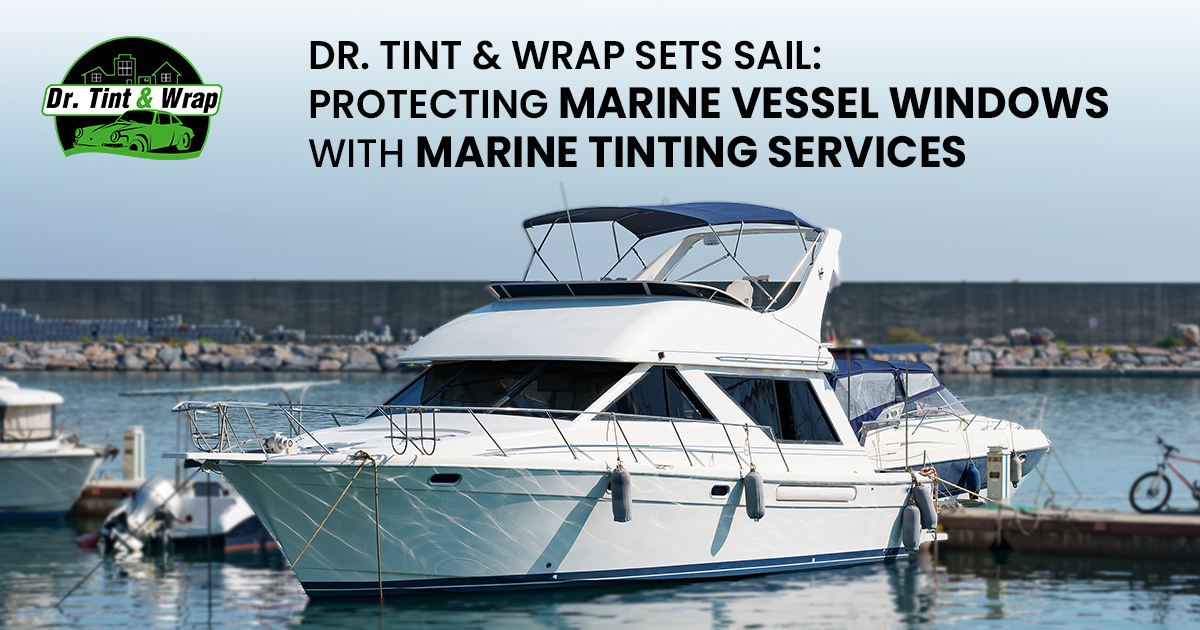
Dr. Tint & Wrap Sets Sail: Protecting Marine Vessel Windows with Marine Tinting Services
25 Sep 2023, By AdminKia ora, mates! If you're a proud boat owner in the stunning waters of Aotearoa, you know how important it is to keep your marine vessel in top-notch condition. New Zealand is known for its breathtaking coastline and pristine waters, making marine activities a way of life for many Kiwis. But, have you ever thought about the protection of your vessel's windows? Well, worry not, because Dr. Tint & Wrap has come to the rescue with their specialized marine tinting services!
Introducing Dr. Tint & Wrap
Dr. Tint & Wrap is a well-known name in the automotive and residential window tinting industry. They have earned a reputation for providing high-quality tinting solutions that not only enhance aesthetics but also offer numerous functional benefits. And now, they've expanded their expertise to the maritime world with their marine window tinting services.
Why Marine Tinting Matters
Before diving into the details of Dr. Tint & Wrap's marine tinting services, let's understand why tinting is crucial for your boat's windows. Marine vessels, whether you own a yacht, a fishing boat, or a jet ski, are constantly exposed to the harsh elements of the ocean. The intense UV rays, saltwater, and wind can take a toll on your boat's windows, leading to several issues:
1. Sun Damage: Prolonged exposure to UV rays can lead to fading and deterioration of interior materials, including upholstery, dashboard, and electronics.
2. Glare: Glare from the sun reflecting off the water can hinder your visibility, making navigation and fishing challenging.
3. Privacy and Security: Tinted windows not only offer privacy while on your vessel but also act as a deterrent to potential thieves.
4. Temperature Control: Tinted windows help regulate the temperature inside your boat, keeping it cooler in the scorching New Zealand sun.
5. Safety: In the unfortunate event of an accident or collision, tinted windows can help prevent shattered glass from causing injuries. Dr. Tint & Wrap's Marine Tinting Services
Dr. Tint & Wrap understands the unique challenges faced by marine vessels in New Zealand's waters. Their marine tinting services are tailored to address these challenges effectively. Here's what you can expect:
1. High-Quality Films: Dr. Tint & Wrap uses top-grade window films designed specifically for marine applications. These films offer superior UV protection, heat reduction, and glare control.
2. Professional Installation: Their team of experienced technicians ensures that the tinting is done with precision and attention to detail, guaranteeing a seamless finish.
3. Custom Solutions: Every boat is unique, and Dr. Tint & Wrap provides custom tinting solutions to meet your vessel's specific needs.
4. Long-Lasting Results: With their marine window tinting, you can expect the tint to last for years, resisting the harsh conditions of the ocean.
5. Compliance with Regulations: Dr. Tint & Wrap ensures that the tinting complies with New Zealand's maritime regulations, so you can enjoy peace of mind knowing your vessel is legal and safe.
Marine tinting is not just about aesthetics; it's about protecting your investment and enhancing your boating experience. Dr. Tint & Wrap's marine window tinting services bring their expertise to the maritime world, helping boat owners across New Zealand safeguard their vessels from the elements while enjoying the beauty of our pristine waters.
Don't wait until the sun takes its toll on your boat's windows. Contact Dr. Tint & Wrap today to explore how their marine tinting services can elevate your boating experience and keep your vessel looking and performing its best. Protect your boat, protect your investment, and sail the stunning waters of Aotearoa in style with Dr. Tint & Wrap!
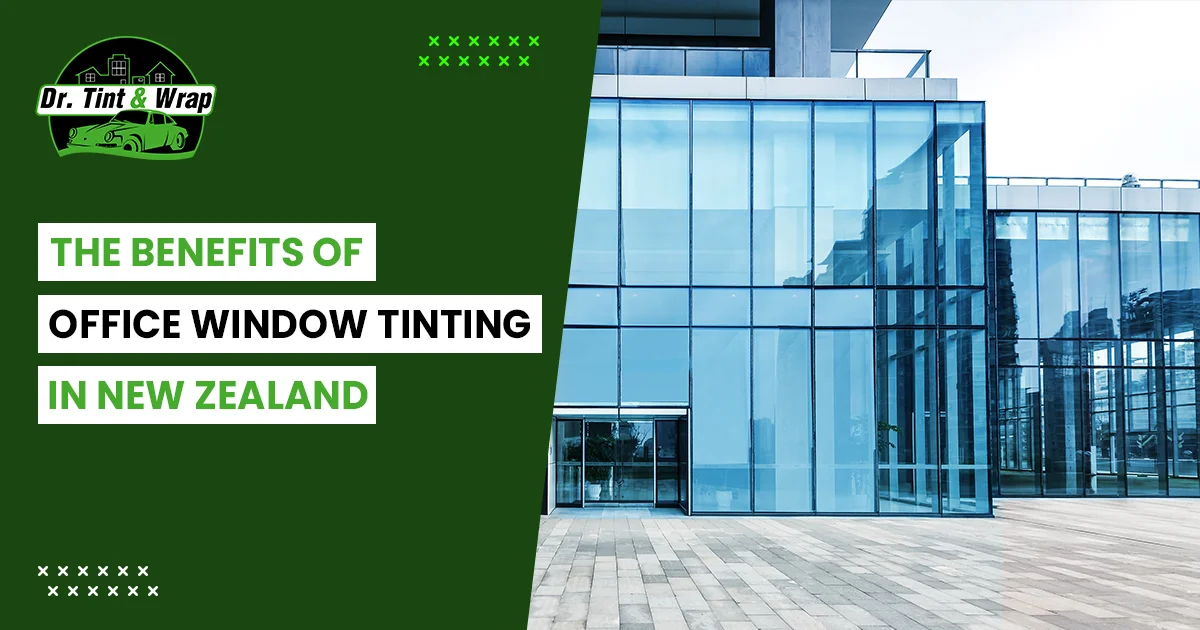
The Benefits of Office Window Tinting in New Zealand
15 Sep 2023, By AdminWhen it comes to enhancing the comfort and functionality of your home, window tinting is a solution that often goes unnoticed. In New Zealand, where climate variations are common, the benefits of home window tinting extend far beyond aesthetic appeal. In this article, we'll explore how home window tinting can significantly reduce your energy bills and lead to long-term cost savings, making it a smart investment for homeowners across the country.
Understanding the Energy Efficiency of Window Tinting
New Zealand experiences a range of weather conditions throughout the year, from scorching summers to chilly winters. During these extremes, the energy used to regulate indoor temperatures can skyrocket. This is where window tinting comes into play.
1. Heat Reduction: One of the primary benefits of window tinting is its ability to reduce heat gain. Tinted windows block a significant portion of the sun's heat and harmful UV rays from entering your home. As a result, your indoor spaces remain cooler during hot summer months, reducing the need for air conditioning.
2. Insulation: Window tinting also provides insulation benefits, helping to maintain a consistent indoor temperature. In winter, it helps to keep warmth inside, reducing the need for excessive heating.
Cost Savings Through Window Tinting
Now, let's delve into how these energy-efficient qualities translate into tangible cost savings for homeowners in New Zealand.
1. Lower Energy Bills: By reducing heat gain during the summer and heat loss during the winter, window tinting significantly reduces your reliance on heating and cooling systems. As a result, you'll see a noticeable drop in your energy bills year-round.
2. Extended Appliance Lifespan: Reduced reliance on air conditioners and heaters not only saves you money on electricity but also extends the lifespan of these appliances. They don't have to work as hard, which means fewer repairs and replacements.
3. Furniture and Flooring Preservation: Window tinting also blocks harmful UV rays that can cause fading and damage to your furniture, flooring, and décor. This means you won't have to spend as much on replacing or refurbishing these items.
4. Enhanced Home Value: A home with energy-efficient features like window tinting can command a higher resale value in the New
Zealand real estate market. Potential buyers are often willing to pay more for a home with reduced energy costs.
In New Zealand, where energy efficiency and sustainability are becoming increasingly important, home window tinting stands out as a practical investment for homeowners. By reducing energy bills, extending the lifespan of appliances, preserving your interior, and enhancing your home's value, window tinting offers numerous long-term cost-saving benefits.
So, if you're looking to make your New Zealand home more energy-efficient and cost-effective, consider investing in professional window tinting services. Not only will you enjoy a more comfortable living space, but you'll also contribute to a greener and more sustainable future while saving money in the process.
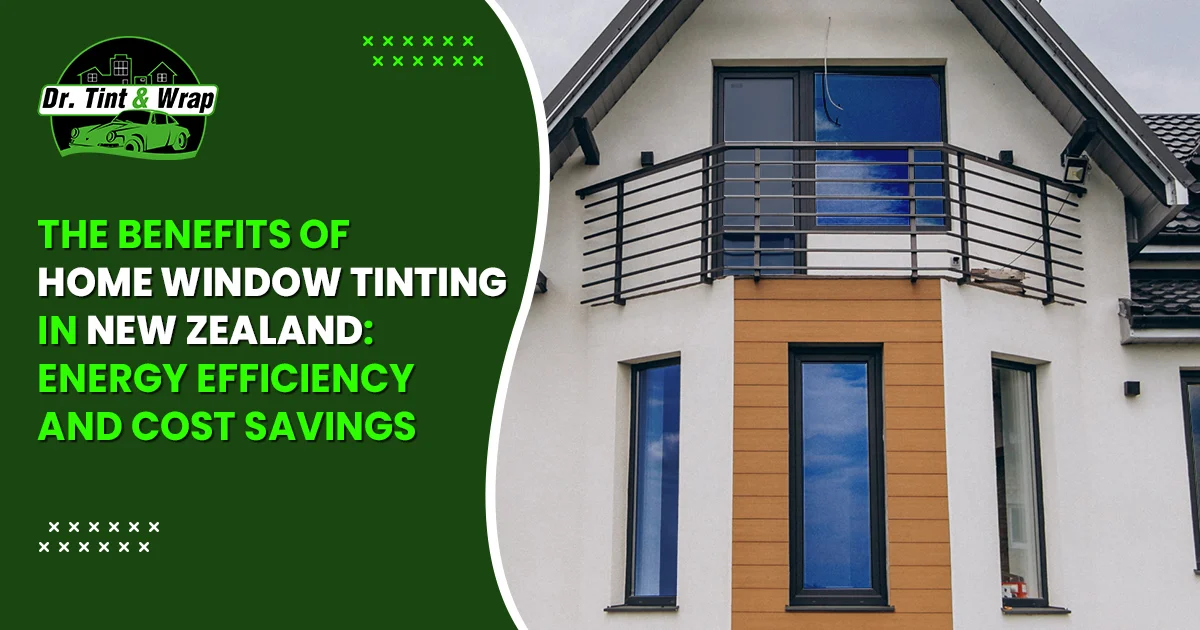
The Benefits of Home Window Tinting in New Zealand: Energy Efficiency and Cost Savings
13 Sep 2023, By AdminWhen it comes to enhancing the comfort and functionality of your home, window tinting is a solution that often goes unnoticed. In New Zealand, where climate variations are common, the benefits of home window tinting extend far beyond aesthetic appeal. In this article, we'll explore how home window tinting can significantly reduce your energy bills and lead to long-term cost savings, making it a smart investment for homeowners across the country.
Understanding the Energy Efficiency of Window Tinting
New Zealand experiences a range of weather conditions throughout the year, from scorching summers to chilly winters. During these extremes, the energy used to regulate indoor temperatures can skyrocket. This is where window tinting comes into play.
1. Heat Reduction: One of the primary benefits of window tinting is its ability to reduce heat gain. Tinted windows block a significant portion of the sun's heat and harmful UV rays from entering your home. As a result, your indoor spaces remain cooler during hot summer months, reducing the need for air conditioning.
2. Insulation: Window tinting also provides insulation benefits, helping to maintain a consistent indoor temperature. In winter, it helps to keep warmth inside, reducing the need for excessive heating.
Cost Savings Through Window Tinting
Now, let's delve into how these energy-efficient qualities translate into tangible cost savings for homeowners in New Zealand.
1. Lower Energy Bills: By reducing heat gain during the summer and heat loss during the winter, window tinting significantly reduces your reliance on heating and cooling systems. As a result, you'll see a noticeable drop in your energy bills year-round.
2. Extended Appliance Lifespan: Reduced reliance on air conditioners and heaters not only saves you money on electricity but also extends the lifespan of these appliances. They don't have to work as hard, which means fewer repairs and replacements.
3. Furniture and Flooring Preservation: Window tinting also blocks harmful UV rays that can cause fading and damage to your furniture, flooring, and décor. This means you won't have to spend as much on replacing or refurbishing these items.
4. Enhanced Home Value: A home with energy-efficient features like window tinting can command a higher resale value in the New Zealand real estate market. Potential buyers are often willing to pay more for a home with reduced energy costs.
In New Zealand, where energy efficiency and sustainability are becoming increasingly important, home window tinting stands out as a practical investment for homeowners. By reducing energy bills, extending the lifespan of appliances, preserving your interior, and enhancing your home's value, window tinting offers numerous long-term cost-saving benefits.
So, if you're looking to make your New Zealand home more energy-efficient and cost-effective, consider investing in professional window tinting services. Not only will you enjoy a more comfortable living space, but you'll also contribute to a greener and more sustainable future while saving money in the process.

Love Your Car? Show It Some Love with Paint Protection Film
05 Sep 2023, By AdminOwning a car is more than just a mode of transportation – it's a reflection of your personality and a source of pride. Whether you have a brand-new luxury vehicle or a trusted companion that has seen its fair share of adventures, maintaining its appearance is essential. This is where Paint Protection Film (PPF) steps in as the modern-day armor for your beloved automobile.
The Evolution of Car Care
In the not-so-distant past, car owners relied on waxing and polishing to preserve the shine and finish of their vehicles. However, the automotive industry has seen remarkable advancements, and the introduction of Paint Protection Film has transformed the way we care for our cars.
Unveiling Paint Protection Film (PPF)
Paint Protection Film, often referred to as clear bra, is a transparent, ultra-thin polyurethane film that is meticulously applied to the exterior surfaces of a vehicle. This film acts as a shield, protecting the car's paintwork from various forms of damage that it encounters on the road.
Benefits of Paint Protection Film
1. Guard against Scratches and Chips: Gravel, rocks, road debris, and even minor accidental brushes can leave unsightly scratches and chips on your car's paint. PPF acts as a sacrificial layer, absorbing the impact and preventing these damages from reaching your car's finish.
2. Preserve the Paint's Gloss:PPF is designed to resist yellowing and clouding over time, ensuring that your car's shine remains intact for years. This allows you to retain that 'just out of the showroom' appearance, enhancing the resale value of your vehicle.
3. UV Radiation and Chemical Resistance: The sun's harmful UV rays and environmental contaminants can cause fading and damage to your car's paint. PPF offers protection against these elements, maintaining the vibrancy of your vehicle's color.
4. Self-Healing Properties: Some advanced PPF formulations have self-healing properties. Minor scratches and swirls on the film disappear when exposed to heat, maintaining a flawless appearance.
Installation Process
The installation of Paint Protection Film requires skill and precision. Trained professionals apply the film using a combination of heat and specialized tools to ensure a seamless and invisible finish. While it's possible to install PPF yourself, it's recommended to seek professional assistance for the best results.
Caring for Your Protected Car
Caring for a car with Paint Protection Film is relatively straightforward. Regular washing and detailing routines can be continued as usual. Opt for gentle cleaning products and techniques to ensure the longevity of the film's appearance.
In a world where appearances matter, Paint Protection Film emerges as a modern solution for car enthusiasts and everyday drivers alike. Its ability to shield against the rigors of the road while preserving your car's aesthetics is a testament to the advancements in automotive care. So, if you love your car, why not show it some love by investing in the ultimate form of protection – Paint Protection Film. Your car will thank you with a brilliant and ageless shine that turns heads wherever you go. Dr. Tint & Wrap is your premier destination for top-tier Paint Protection Film (PPF) services, ensuring your vehicle's pristine finish remains untouched by road hazards and wear. With expert installation and a commitment to preserving your car's allure, Dr. Tint & Wrap takes automotive protection to the next level.

Unveiling the Magic: How Paint Protection Film Keeps Your Car Looking Brand New
05 Sep 2023, By AdminWhen you invest in a new car, you're not just purchasing a means of transportation – you're acquiring a symbol of style, innovation, and modern engineering. Naturally, you'd want to keep your vehicle looking as pristine as the day you drove it off the lot. However, the harsh realities of the road – from gravel to road debris to the elements – can quickly take a toll on your car's exterior. This is where the magic of Paint Protection Film (PPF) comes into play.
What is Paint Protection Film?
Imagine a transparent shield that wraps around your car, shielding its delicate paintwork from the forces of nature. Paint Protection Film, often referred to as clear bra or PPF, is a thin, virtually invisible layer made from high-performance urethane material. Applied to your car's exterior surfaces, PPF acts as a robust barrier against a wide array of potential damage.
Unseen Armor: The Benefits of Paint Protection Film
1. Preserves Resale Value: A well-maintained exterior significantly enhances your car's resale value. Paint Protection Film safeguards your car's paint from chips, scratches, and fading, ensuring it maintains that fresh-off-the-lot appeal.
2. Invisible Protection: One of the remarkable features of PPF is its transparency. It shields your car without altering its appearance, allowing you to enjoy the original color and design without compromise.
3. Defends Against Debris: Whether it's rocks kicked up from the road or the stray shopping cart in a parking lot, PPF acts as a physical barrier against various forms of external damage.
4. UV Radiation Blocker: Prolonged exposure to the sun can lead to fading and discoloration of your car's paint. Paint Protection Film has built-in UV blockers that shield against these harmful rays, keeping your car looking vibrant and new.
5. Easy Maintenance: Cleaning and maintaining PPF is a breeze. Its smooth surface resists dirt, grime, and stains, allowing you to effortlessly wipe away contaminants and maintain that showroom shine.
6. Self-Healing Properties: Some premium PPF products possess self-healing properties. Minor scratches and swirl marks disappear when exposed to heat, leaving your car's surface immaculate.
The Application Process: A Craftsmanship Approach
Applying Paint Protection Film is a skillful process that demands precision and expertise. Trained professionals meticulously measure, cut, and place the film onto the vehicle's surface, ensuring a seamless fit that preserves the car's aesthetics. This attention to detail prevents unsightly edges and bubbles, providing you with a result that's both protective and visually appealing.
Investing in Long-Term Beauty
While some may view Paint Protection Film as an optional extra, it's crucial to consider the long-term benefits it offers. By investing in PPF, you're safeguarding your investment and ensuring your car remains a source of pride for years to come. With the advancements in material technology and application techniques, Paint Protection Film has evolved into a magical solution that maintains your car's allure, allowing you to drive confidently without the fear of road-induced blemishes.
In a world where we cherish the harmony between aesthetics and functionality, Paint Protection Film emerges as a remarkable innovation – an invisible shield that lets your car's beauty shine through while defending it against the challenges of the open road. So, the next time you admire a car that seems to defy the passage of time, remember that there might be a little magic in the form of Paint Protection Film.
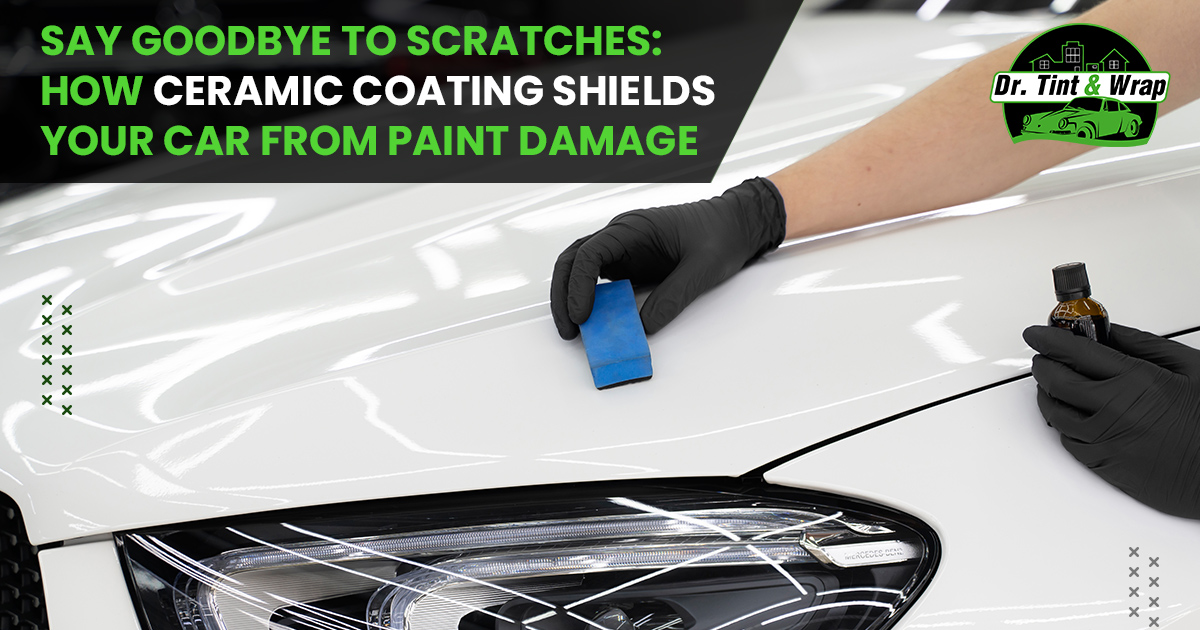
Say Goodbye to Scratches: How Ceramic Coating Shields Your Car from Paint Damage
05 Sep 2023, By AdminYour car is not just a means of transportation; it's an investment that deserves the best care and protection. The road can be unforgiving, subjecting your vehicle's paintwork to various potential hazards. From loose gravel to bird droppings, your car's exterior faces numerous threats that can leave unsightly scratches and damage. Enter ceramic coating – the revolutionary solution that is changing the game for car enthusiasts and owners in Hamilton and beyond.
Understanding Ceramic Coating
Ceramic coating is a cutting-edge protective solution designed to shield your car's paint from a range of potential damages. Unlike traditional wax or sealants, the ceramic coating forms a permanent bond with the vehicle's paint, creating an invisible layer of protection that is incredibly durable and resistant to environmental factors.
The Power of Ceramic Coating
1. Scratch Resistance: One of the primary benefits of ceramic coating is its exceptional scratch resistance. The microscopic particles in ceramic coatings create an ultra-hard surface that can withstand minor scratches and swirl marks, keeping your car's paint looking pristine.
2. UV Protection: Hamilton's weather can be unpredictable, with strong UV rays that can fade and damage your car's paint over time. Ceramic coating acts as a barrier against UV rays, preventing paint oxidation and color fading, thus extending the life of your car's finish.
3. Chemical Resistance: Ceramic coating provides a high level of protection against acidic substances like bird droppings, tree sap, and bug splatters. These substances can eat into the clear coat and paint if left untreated, but ceramic coating's chemical resistance prevents this damage.
4. Hydrophobic Properties: The hydrophobic nature of ceramic coatings means that water, dirt, and other contaminants slide off the surface effortlessly. This not only keeps your car cleaner for longer but also makes cleaning a breeze.
5. Gloss and Shine: Ceramic coatings enhance the reflective properties of your car's paint, providing a deep, glossy finish that turns heads wherever you go. Your vehicle will maintain that just-waxed appearance without the need for constant detailing.
Why Hamilton Car Owners Should Opt for Ceramic Coating
Hamilton's diverse climate – from humid summers to chilly winters – poses unique challenges to your car's paintwork. By applying a ceramic coating, you can ensure that your vehicle is well-protected against these challenges. Whether it's road salt during the winter months or the scorching sun in the summer, the ceramic coating acts as a shield against these environmental stressors, helping your car maintain its beauty and value.
Choosing the Right Professionals
While ceramic coating offers remarkable benefits, its application requires expertise and precision. This is where trusted professionals specializing in ceramic coating, like those in Hamilton, come into play. These experts have the knowledge and experience to properly prepare your car's surface, apply the ceramic coating evenly, and ensure its proper curing for optimal results.
Investing in ceramic coating is an investment in the long-term health and appearance of your car's paintwork. By creating a protective barrier against scratches, UV rays, chemicals, and contaminants, ceramic coating ensures that your car remains as stunning as the day you drove it off the lot. Hamilton car owners can confidently embrace the benefits of ceramic coating to enjoy their rides for years to come, knowing that their vehicles are shielded from the elements. Say goodbye to scratches and welcome a new era of paint protection with ceramic coating. Dr. Tint, a trusted name in Hamilton, offers top-notch ceramic coating services that provide long-lasting protection for your vehicle's paint. Their expert team ensures your car remains shielded from scratches, UV rays, and environmental factors, maintaining its pristine appearance.

Investing in Excellence: Why Paint Protection Film is a Must-Have for Tauranga's Car Enthusiasts
05 Sep 2023, By AdminTauranga, a city known for its scenic beauty and vibrant culture, is also home to a passionate community of car enthusiasts. These individuals take great pride in their vehicles, treating them not just as modes of transportation, but as extensions of their personality and style. With the salty coastal air and unpredictable weather conditions, protecting a vehicle's exterior becomes a top priority for car owners in Tauranga. This is where Paint Protection Film (PPF) comes into play, offering an unmatched solution to preserve the pristine appearance of these cherished automobiles.
The Power of Paint Protection Film in Tauranga
Paint Protection Film, often referred to as a "second skin" for cars, is a transparent, high-performance layer that shields a vehicle's paint from various external threats. The unique climate conditions in Tauranga, including the salty sea breeze and intense UV radiation, can wreak havoc on a car's exterior finish over time. PPF acts as a robust barrier, safeguarding the paint against these environmental factors while maintaining the vehicle's showroom-like shine.
1. Battle against Salt and Sand: Tauranga's proximity to the ocean brings along the challenge of salt-laden air that can corrode a car's paintwork. Paint Protection Film forms an impermeable shield against salt, sand, and other debris, preventing them from causing unsightly chips, scratches, and erosion.
2. UV Radiation Defense: The New Zealand sun is beautiful but intense, causing paint colors to fade and lose their vibrancy over time. PPF incorporates UV inhibitors that protect the vehicle's paint from fading, ensuring that it retains its original brilliance even after prolonged exposure to sunlight.
3. Resilience against Weather Extremes: Tauranga is known for its rapidly changing weather patterns, which can include heavy rain, strong winds, and even hail. PPF acts as a barrier against these weather extremes, safeguarding the paint against potential damage and maintaining the car's polished appearance.
4. Maintaining Aesthetic Value: Car enthusiasts in Tauranga take immense pride in the appearance of their vehicles. PPF's transparency ensures that the underlying paint's color and gloss remain unchanged, allowing car owners to exhibit their automobiles in all their splendor.
5. Preserving Resale Value: For many car enthusiasts, their vehicles are not just a passion but also a valuable investment. Applying PPF helps maintain the vehicle's resale value by preventing paint damage that can negatively impact its market worth.
The Process of Applying Paint Protection Film
Applying Paint Protection Film requires precision and expertise. Professional installers in Tauranga have mastered the art of fitting PPF seamlessly onto a vehicle's surface, ensuring no visible lines or bubbles. The process involves meticulous cleaning, prepping, and precise application to provide comprehensive protection.
In a city where car enthusiasts take pride in their vehicles, investing in Paint Protection Film is a wise choice. Tauranga's unique climate and environment pose challenges to maintaining a car's exterior appearance, making PPF an essential accessory for those who want to preserve the showroom-like shine of their automobiles. With its ability to withstand salt, sand, UV radiation, weather extremes, and more, PPF ensures that Tauranga's car enthusiasts can continue to showcase their passion for cars while driving through the city's picturesque landscapes. So, if you're a car enthusiast in Tauranga, consider PPF not just as a protective layer, but as a testament to your commitment to excellence in automotive care. Dr. Tint & Wrap in Tauranga is your trusted destination for top-notch Paint Protection Film (PPF) services, ensuring your vehicle's exterior remains shielded from Tauranga's challenging climate while preserving its flawless finish. With expert installation and a commitment to excellence, Dr. Tint & Wrap offers the ultimate solution for car enthusiasts seeking superior protection for their prized vehicles.
.webp)
The Future of Car Care in Rotorua: How Ceramic Coating is Revolutionizing Vehicle Protection
25 Aug 2023, By AdminIn the picturesque city of Rotorua, where natural beauty meets modern living, car enthusiasts and everyday drivers alike are experiencing a revolution in vehicle protection. The automotive industry has witnessed significant advancements over the years, and one innovation that has captured the attention of Rotorua's residents is ceramic coating. This cutting-edge technology is transforming the way vehicles are cared for, ensuring they remain in pristine condition even in the harshest of environments. In this article, we delve into the world of ceramic coating in Rotorua and explore how it is shaping the future of car care.
The Essence of Ceramic Coating
Ceramic coating, often referred to as nanocoating, is a protective layer applied to a vehicle's exterior. Unlike traditional wax or sealant, ceramic coatings are infused with nanoparticles that bond with the vehicle's paint, forming a durable and hydrophobic barrier. This barrier offers remarkable protection against environmental contaminants, UV rays, bird droppings, tree sap, and even minor scratches. With Rotorua's diverse climate and the challenges it poses to vehicles, the ceramic coating has emerged as an indispensable solution.
Rotorua's Unique Environment and Car Care Challenges
Rotorua's picturesque landscapes and geothermal wonders attract visitors from around the globe, but its unique environment can be harsh on vehicles. The city experiences everything from intense sunlight and heat to sudden temperature changes and airborne pollutants. Traditional car care methods often fall short in providing comprehensive protection against these challenges. This is where ceramic coating Rotorua comes into play.
Advantages of Ceramic Coating
- Unmatched Protection: Ceramic coatings create a strong shield that prevents dirt, grime, and pollutants from bonding to the vehicle's surface. This ease of cleaning helps maintain the car's appearance and reduces the frequency of washes.
- Enhanced Aesthetics: Rotorua's vehicles can maintain their showroom shine for years with ceramic coatings. The coating's hydrophobic properties cause water to bead up and roll off, taking contaminants with it and leaving the vehicle looking pristine.
- UV Resistance: The harsh New Zealand sun can cause paint fading and oxidation over time. Ceramic coatings offer excellent UV protection, helping the paint retain its vibrancy and preventing long-term damage.
- Chemical Resistance: The geothermal activity in Rotorua can sometimes release chemicals into the air that may harm a vehicle's paint.Ceramic coatings provide an effective barrier against these chemicals, preventing etching or staining.
- Scratch and Swirl Resistance: While ceramic coatings won't make a vehicle completely impervious to scratches, they do offer an added layer of defence against minor abrasions and swirl marks.
The Application Process and Longevity
Ceramic coating application requires precision and expertise. Professional detailers in Rotorua are skilled in preparing the vehicle's surface, applying the coating, and ensuring an even and consistent finish. The process involves meticulous cleaning, polishing, and sometimes paint correction to achieve the best results. When applied correctly, ceramic coatings can last for several years, far outlasting traditional waxes and sealants.
Investing in the Future of Car Care
As Rotorua's automotive scene continues to evolve, so does the approach to car care. Ceramic coating has emerged as a game-changer, offering unparalleled protection against the unique challenges posed by the city's environment. By investing in a ceramic coating for their vehicles, Rotorua's residents are ensuring that their cars not only retain their beauty but also stand the test of time. The future of car care in Rotorua is being reshaped by the transformative power of ceramic coatings. This advanced technology provides a comprehensive solution to the city's diverse environmental challenges, offering unmatched protection, aesthetic enhancement, and long-lasting results. As the automotive industry continues to progress, one thing is clear: the ceramic coating is here to stay, revolutionizing the way we protect and preserve our vehicles in the stunning city of Rotorua. Dr. Tint stands at the forefront of vehicle care in Rotorua, offering state-of-the-art ceramic coating services that provide unrivaled protection and a lasting sheen for vehicles. With a commitment to excellence, Dr. Tint brings the future of car care to Rotorua's residents, ensuring their vehicles stay pristine amidst the city's unique environmental challenges.

Preserve Your Car's Shine in Hamilton: The Ultimate Guide to Paint Protection Film
25 Aug 2023, By AdminEvery car owner in Hamilton knows the thrill of driving down the scenic streets, from the picturesque waterfront to the bustling city center. Your car isn't just a means of transportation; it's a reflection of your style and personality. However, the roads in Hamilton can be tough on your vehicle's paint, with debris, harsh weather, and everyday wear and tear taking a toll. This is where Paint Protection Film (PPF) comes to the rescue. In this comprehensive guide, we'll explore how Paint Protection Film in Hamilton can help you preserve your car's shine and keep it looking like new.
What is Paint Protection Film?
Paint Protection Film, often referred to as clear bra or PPF, is a durable and transparent film that is applied to the exterior surfaces of your vehicle, especially vulnerable areas such as the hood, front bumper, side mirrors, and door edges. This innovative technology is designed to provide a shield against various elements that can damage your car's paint, including:
- Rock Chips and Debris: As you navigate Hamilton's roads, your car is exposed to rocks, gravel, and debris that can chip and scratch the paint. PPF acts as a barrier, absorbing the impact and preventing damage.
- UV Rays: The intense New Zealand sun can cause your car's paint to fade and deteriorate over time. Paint Protection Film is engineered with UV inhibitors that block harmful rays, preserving the vibrancy of your car's color.
- Environmental Factors: Rain, bird droppings, tree sap, and other environmental contaminants can mar your car's finish. PPF resists these elements, making it easier to clean your car and reducing the chances of staining.
Benefits of Paint Protection Film in Hamilton
-
Long-Lasting Protection: Investing in Paint Protection Film is like giving your car a suit of armor. Its self-healing properties allow it to "heal" minor scratches and swirl marks when exposed to heat, ensuring your car stays flawless.
-
Preserves Resale Value: A well-maintained exterior significantly boosts your car's resale value. PPF safeguards your car's finish, keeping it in pristine condition and appealing to potential buyers.
- No More Waxing: Tired of frequent waxing? Paint Protection Film eliminates the need for constant waxing and detailing, saving you time and money in the long run.
- Invisible Shield: PPF is virtually invisible once applied correctly. This means you can protect your car without altering its appearance.
Applying Paint Protection Film in Hamilton
When it comes to installing Paint Protection Film, it's essential to rely on professionals who understand the intricacies of the process. In Hamilton, you'll find several reputable auto shops that specialize in PPF installation. They'll carefully measure, cut, and apply the film to ensure a seamless and effective protective layer.
Maintenance Tips While Paint Protection Film is designed to withstand a lot, a little maintenance can go a long way in ensuring its longevity:
Protecting your car's finish doesn't have to be a constant battle against road hazards and the elements. With Paint Protection Film in Hamilton, you can drive confidently knowing that your vehicle's shine is preserved. By investing in this advanced technology, you're not only safeguarding your car's appearance but also enhancing its value and prolonging its lifespan. So, whether you're cruising along the Waikato River or exploring the city's vibrant neighbourhoods, Paint Protection Film ensures that your car stays as stunning as the day you drove it off the lot. Dr. Tint & Wrap stands out as Hamilton's premier destination for top-notch Paint Protection Film (PPF) services, combining expert craftsmanship with cutting-edge technology to provide unparalleled protection for your vehicle's paint. With a reputation for excellence and a commitment to customer satisfaction, they are the go-to choice for preserving your car's shine in the bustling city.
- Regular Cleaning: Wash your car regularly using a gentle car wash solution and a soft microfiber cloth. Avoid abrasive materials that could scratch the film.
- Avoid Harsh Chemicals: Steer clear of harsh chemicals or abrasive compounds when cleaning your car. Stick to products recommended by the PPF manufacturer or installer.
- Mindful Parking: When possible, park away from construction sites, trees, and areas prone to bird droppings. Being mindful of where you park can minimize potential risks.
Car Window Tinting for Health and Skin Protection: Understanding the Benefits in Rotorua
17 Aug 2023, By AdminIf you are a resident of Rotorua or anywhere with a sunny climate, you know how intense the sun can be during the summer months. While enjoying the scenic beauty of the region, it's essential to consider your health and skin protection while driving. One effective way to combat the harmful effects of UV rays and maintain a comfortable driving experience is through car window tinting. In this blog, we will explore the benefits of car window tinting, particularly in the context of Rotorua's sunny weather.
The Need for Car Window Tinting in Rotorua
Rotorua is blessed with stunning landscapes, geothermal wonders, and an inviting climate. However, this also means prolonged exposure to sunlight, and the UV rays can have adverse effects on your health and skin. Let's dive into some reasons why car window tinting is crucial in this beautiful region:
1. Protection Against Harmful UV Rays
The intense sunlight in Rotorua contains harmful ultraviolet (UV) rays that can penetrate your car's windows. These rays can not only cause skin damage but also lead to premature aging and an increased risk of skin cancer. Car window tinting acts as a protective barrier, blocking a significant portion of UV rays and ensuring your skin's safety during daily commutes and road trips.
2. Skin Protection for Drivers
While driving, the left side of your body is more exposed to the sun, making it more susceptible to UV damage. Car window tinting can help protect the driver's skin from excessive UV radiation, reducing the risk of skin-related health issues in the long run.
3. Enhanced Comfort and Reduced Glare
Excessive sunlight and glare can make driving uncomfortable and hazardous, especially during the early morning and late afternoon. Window tinting significantly reduces glare, allowing you to drive with improved visibility and better focus on the road ahead.
4. Heat Reduction
Rotorua's hot climate can lead to uncomfortably high temperatures inside your car, especially when it's parked under direct sunlight. Car window tinting can significantly reduce the amount of heat that enters your vehicle, making your driving experience more pleasant and preventing the risk of heat-related illnesses.
5. Protection for Your Car's Interior
UV rays can also damage the interior of your car over time. Prolonged exposure can cause the dashboard, seats, and other surfaces to fade and deteriorate. Window tinting helps preserve your car's interior, maintaining its value and appearance for years to come.
Choosing the Right Window Tint
Now that we understand the importance of car window tinting in Rotorua, it's essential to choose the right tint for your car. There are various types of window tints available, each with different levels of UV protection, heat rejection, and light transmission. To get the best results, consider the following factors:
1. Visible Light Transmission (VLT): VLT indicates the amount of visible light that can pass through the window tint. Rotorua's regulations may specify the legal VLT limit for car window tinting, so ensure you comply with these guidelines.
2. UV Protection: Look for tints that offer high UV protection, as this is one of the primary reasons for getting your windows tinted.
3. Heat Rejection: For Rotorua's hot climate, choose a tint with good heat rejection properties to keep your car's interior cooler.
4. Warranty: Opt for window tinting products that come with a warranty, ensuring you have support in case of any issues. Professional Installation
To reap the full benefits of car window tinting, it is crucial to have the tint professionally installed. Experienced technicians will apply the tint evenly and without any air bubbles or imperfections, ensuring the best results in terms of aesthetics and functionality.
Car window tinting is not just about enhancing the appearance of your vehicle; it's an investment in your health and well-being. In sunny regions like Rotorua, protecting yourself from harmful UV rays is of paramount importance. Window tinting not only safeguards your skin but also provides a cooler and more comfortable driving experience. If you haven't considered car window tinting before, now is the time to do so. Stay cool, stay protected, and drive safely on the beautiful roads of Rotorua!
Dr. Tint & Wrap Rotorua offers top-notch car window tinting services, providing the best solutions to ensure health and skin protection. Their expert tinting helps block harmful UV rays, safeguarding passengers from potential skin damage and promoting a comfortable driving experience.
Protecting Your Car's Interior with Window Tinting: Tips for Rotorua Climate
17 Aug 2023, By AdminIf you are a resident of Rotorua or anywhere with a sunny climate, you know how intense the sun can be during the summer months. While enjoying the scenic beauty of the region, it's essential to consider your health and skin protection while driving. One effective way to combat the harmful effects of UV rays and maintain a comfortable driving experience is through car window tinting. In this blog, we will explore the benefits of car window tinting, particularly in the context of Rotorua's sunny weather.
The Need for Car Window Tinting in Rotorua
Rotorua is blessed with stunning landscapes, geothermal wonders, and an inviting climate. However, this also means prolonged exposure to sunlight, and the UV rays can have adverse effects on your health and skin. Let's dive into some reasons why car window tinting is crucial in this beautiful region:
1. Protection Against Harmful UV Rays:The intense sunlight in Rotorua contains harmful ultraviolet (UV) rays that can penetrate your car's windows. These rays can not only cause skin damage but also lead to premature aging and an increased risk of skin cancer. Car window tinting acts as a protective barrier, blocking a significant portion of UV rays and ensuring your skin's safety during daily commutes and road trips.
2. Skin Protection for Drivers: While driving, the left side of your body is more exposed to the sun, making it more susceptible to UV damage. Car window tinting can help protect the driver's skin from excessive UV radiation, reducing the risk of skin-related health issues in the long run.
3. Enhanced Comfort and Reduced Glare: Excessive sunlight and glare can make driving uncomfortable and hazardous, especially during the early morning and late afternoon. Window tinting significantly reduces glare, allowing you to drive with improved visibility and better focus on the road ahead.
4. Heat Reduction: Rotorua's hot climate can lead to uncomfortably high temperatures inside your car, especially when it's parked under direct sunlight. Car window tinting can significantly reduce the amount of heat that enters your vehicle, making your driving experience more pleasant and preventing the risk of heat-related illnesses.
5. Protection for Your Car's Interior: UV rays can also damage the interior of your car over time. Prolonged exposure can cause the dashboard, seats, and other surfaces to fade and deteriorate. Window tinting helps preserve your car's interior, maintaining its value and appearance for years to come.
Choosing the Right Window Tint
Now that we understand the importance of car window tinting in Rotorua, it's essential to choose the right tint for your car. There are various types of window tints available, each with different levels of UV protection, heat rejection, and light transmission. To get the best results, consider the following factors:
1. Visible Light Transmission (VLT): VLT indicates the amount of visible light that can pass through the window tint. Rotorua's regulations may specify the legal VLT limit for car window tinting, so ensure you comply with these guidelines.
2. UV Protection: Look for tints that offer high UV protection, as this is one of the primary reasons for getting your windows tinted.
3. Heat Rejection: For Rotorua's hot climate, choose a tint with good heat rejection properties to keep your car's interior cooler.
4. Warranty: Opt for window tinting products that come with a warranty, ensuring you have support in case of any issues. Professional Installation
To reap the full benefits of car window tinting, it is crucial to have the tint professionally installed. Experienced technicians will apply the tint evenly and without any air bubbles or imperfections, ensuring the best results in terms of aesthetics and functionality.
Car window tinting is not just about enhancing the appearance of your vehicle; it's an investment in your health and well-being. In sunny regions like Rotorua, protecting yourself from harmful UV rays is of paramount importance. Window tinting not only safeguards your skin but also provides a cooler and more comfortable driving experience. If you haven't considered car window tinting before, now is the time to do so. Stay cool, stay protected, and drive safely on the beautiful roads of Rotorua!
Dr. Tint & Wrap Rotorua offers top-notch car window tinting services, providing the best solutions to ensure health and skin protection. Their expert tinting helps block harmful UV rays, safeguarding passengers from potential skin damage and promoting a comfortable driving experience.
Tinting for Privacy: Keeping Your Belongings Safe in Your Car in Rotorua
09 Aug 2023, By AdminRotorua, a picturesque city nestled in New Zealand's North Island, is a haven for tourists and locals alike. Known for its geothermal wonders, stunning lakes, and Maori culture, Rotorua attracts numerous visitors throughout the year. However, with increased tourism and daily activities, it becomes crucial to address the issue of car safety and privacy. One effective solution that has gained popularity in recent years is car window tinting. In this blog, we will explore the benefits of car window tinting in Rotorua, focusing on privacy and keeping your belongings safe.
The Beauty of Rotorua and Its Challenges
Rotorua's natural beauty and vibrant culture make it an ideal destination for both short trips and extended vacations. From exploring the geothermal wonders at Wai-O-Tapu and Te Puia to enjoying a peaceful stroll around Lake Rotorua, the city offers a wide range of attractions for everyone. However, it's important to remember that every city faces its own unique challenges, and Rotorua is no exception.
Tourist hotspots can also attract opportunistic criminals who may target unattended vehicles, especially those with visible valuable belongings. Whether you're visiting a geothermal park or enjoying a Maori cultural performance, leaving your car in a public parking area can sometimes be a risky proposition.
Car Window Tinting: An Effective Solution
Car window tinting has emerged as an effective and popular solution to address privacy and security concerns for car owners in Rotorua. Tinting involves applying a thin, transparent film to the interior of the vehicle's windows. This film can significantly reduce the visibility into the car's interior while still allowing occupants to see outside clearly.
Here are some of the key benefits of car window tinting for privacy and security:
- Enhanced Privacy: With the right tinting level, you can obscure the view from outside, ensuring that prying eyes cannot easily see your personal belongings or the interior of your vehicle. This added privacy can provide peace of mind while you explore Rotorua's attractions, go for a hike, or have a relaxing time in a hot spring.
- Protection from UV Rays: Car window tinting can block harmful ultraviolet (UV) rays, which not only protect your skin from sun damage but also prevent your car's interior from fading and cracking over time. This added protection is particularly valuable in a place like Rotorua, where the sun can be intense.
- Temperature Regulation: Rotorua experiences varied weather conditions, and the summer months can get quite hot. Tinted windows can help regulate the interior temperature, reducing the need for excessive air conditioning and making your driving experience more comfortable.
- Shatter Resistance: In the unfortunate event of an accident, car window tinting can hold shattered glass together, reducing the risk of injury to the vehicle's occupants. Moreover, this added strength can also deter thieves from breaking into your car, as gaining access becomes more challenging.
Choosing the Right Tint
Before getting your car windows tinted, it's essential to be aware of New Zealand's specific tinting regulations, which stipulate the permissible Visible Light Transmission (VLT) levels for different windows. For instance, the front-side windows must have a minimum VLT of 35%, while the rear and rear-side windows can have a lower VLT. It's advisable to choose professional window tinting services to ensure the tinting is done within legal limits and to guarantee the quality of the installation.
Car window tinting is an effective solution for enhancing privacy and security while enjoying the beauty of Rotorua. Not only does it protect your belongings from prying eyes and provide shade from the sun, but it also contributes to the safety and comfort of your vehicle. Before getting your windows tinted, make sure to check the local regulations and seek professional services to ensure a successful and legal tinting job.
Dr. Tint & Wrap Rotorua is renowned for its exceptional car window tinting services, setting the standard for excellence in Rotorua. With their skilled technicians and top-of-the-line materials, they deliver unparalleled results that leave customers delighted and their vehicles stylishly protected.
Exploring the Legal Aspects of Car Window Tinting in Rotorua
09 Aug 2023, By AdminWhen you roam the scenic streets of Rotorua, New Zealand, you'll notice many vehicles flaunting sleek window tints that not only add an air of mystery but also provide practical benefits. Car window tinting has become a popular choice for many motorists, offering privacy, reducing glare, and protecting the vehicle's interior from harmful UV rays. However, as appealing as window tinting may be, there are legal considerations that every car owner in Rotorua must be aware of before opting for this modification.
The Trend and its Advantages
Car window tinting has been trending in Rotorua for the past few years. It's no wonder why so many car enthusiasts choose to tint their windows. The advantages are numerous:
- Privacy: Tinted windows give car occupants a sense of seclusion, making it difficult for prying eyes to see inside the vehicle.
- Solar Protection: The harsh New Zealand sun can be damaging to both the passengers and the vehicle's interior. Window tints act as a shield against harmful UV rays, reducing the risk of skin cancer and preserving the car's upholstery.
- Improved Aesthetics: Let's face it; window tints lend an air of sophistication to any vehicle. They provide a uniform appearance, enhancing the overall aesthetics of the car.
- Reduced Glare: Glare from the sun and other vehicles can be a real hazard, causing visual discomfort and increasing the likelihood of accidents. Tints mitigate this problem by minimizing glare, leading to safer driving conditions.
Understanding the Law in Rotorua
While car window tinting offers various benefits, New Zealand has strict laws in place to regulate its usage. These laws are designed to ensure public safety and law enforcement's ability to monitor vehicles. Rotorua adheres to the national guidelines set forth by the New Zealand Transport Agency (NZTA) regarding permissible limits for window tinting.
According to NZTA regulations, the following rules apply to car window tinting in Rotorua
- Visible Light Transmission (VLT): The VLT refers to the percentage of light that must pass through both the front and rear side windows and windscreen. In Rotorua, the front side windows must have a minimum VLT of 35%, while there are no restrictions on the rear side windows and the rear windscreen. This means that at least 35% of light must pass through the front side windows.
- Restricted Colors and Reflectivity: The use of highly reflective or mirrored tints is prohibited, as they can be distracting to other drivers and interfere with road safety. Additionally, the colour of the window tint should be within the range of green, grey, and neutral smoke.
- Windscreens: The tint on the windscreen must be limited to the top 100mm, ensuring an unobstructed view for the driver.
- Inspection Certification: If you're considering tinting your car windows, ensure that the tint complies with NZTA regulations. If you're purchasing a car with pre-installed tints, check if the vehicle comes with an inspection certification stating that the tints meet the legal requirements.
Consequences of Non-Compliance
Failing to adhere to the car window tinting laws in Rotorua can have serious consequences. If you're caught with illegal window tints, you may face fines, demerit points on your driver's license, and potentially have to remove the tints to comply with the law.
Car window tinting is undeniably an attractive and practical option for car owners in Rotorua. It not only enhances the aesthetics of the vehicle but also provides various benefits like privacy and solar protection. However, it's crucial to remember that there are legal restrictions in place to ensure road safety and visibility for all motorists. Dr. Tint & Wrap Rotorua stands out as the premier destination for top-notch car window tinting services, offering unmatched expertise and quality. As a responsible business, they prioritize adhering to all government regulations to ensure a safe and compliant tinting experience for their customers.
Choosing the Right Window Tint for Your Vehicle in Rotorua: What You Need to Know
31 Jul 2023, By AdminRegarding enhancing your vehicle's aesthetics and improving your driving experience in Rotorua, car window tinting is a popular choice among vehicle owners. The process of applying a thin layer of film to your car's windows offers numerous benefits, from reducing glare and UV radiation to providing increased privacy. However, choosing the right window tint for your car in Rotorua is crucial to ensure compliance with local regulations and achieve the desired results. In this blog, we will explore the key factors to consider when opting for car window tinting in Rotorua and why selecting a reputable service provider is essential for a successful installation.
1. Familiarize Yourself with Local Regulations
Before diving into the different types of window tints available, it's essential to understand the specific regulations governing car window tinting in Rotorua. New Zealand has strict laws regarding the darkness levels of window tints, which vary for different windows on the vehicle. Compliance with these laws is crucial to avoid legal complications and ensure a safe driving experience.
2. Types of Window Tints
Car window tints come in various materials, each offering different benefits and appearances. The most common types of window tints include:
a) Dyed Window Tinting: This type of tint uses multiple layers of dye to absorb solar heat and reduce glare. Dyed window tints are generally more affordable but may fade over time.
b) Metalized Window Tinting: Metalized tints are known for their heat-rejecting properties. They are durable, block UV rays effectively, and provide a reflective appearance. However, they may interfere with electronic signals like GPS and cell phone reception.
c) Carbon Window Tinting: Carbon tints are a premium option, offering superior heat rejection, reduced fading, and a sleek matte appearance. They do not interfere with electronic signals and are less prone to bubbling or discolouration.
d) Ceramic Window Tinting: Ceramic tints are the top-of-the-line choice, providing excellent heat reduction without affecting electronic devices. They also offer maximum UV protection and do not fade over time. However, they tend to be more expensive than other types of tints.
3. Consider Your Needs
While all window tints provide benefits such as heat reduction and UV protection, your specific requirements and preferences will help you choose the best option. If you're primarily concerned about cost-effectiveness, dyed or metalized tints may be suitable. For a balance between performance and aesthetics, carbon tints are an excellent choice. If budget is not a concern and you want the best of the best, ceramic tints are the way to go.
4. Seek Professional Installation
Professional installation is crucial to achieve optimal results regardless of the type of window tint you choose. A reputable car window tinting service in Rotorua will have skilled technicians who understand local regulations and can ensure a flawless application. DIY tinting or low-quality installation might lead to bubbling, peeling, or improper tint darkness, which not only looks unsightly but can also hinder visibility and compromise safety.
Car window tinting in Rotorua can be a game-changer for your vehicle, providing various benefits ranging from improved aesthetics to increased comfort and privacy. However, it's vital to educate yourself on local regulations, explore the different types of window tints available, and select a reliable service provider to ensure a successful installation. Dr. Tint & Wrap Rotorua is the ideal choice for your vehicle's window tinting needs in Rotorua, offering expert service and top-quality products to ensure optimal results. With their experienced team and commitment to customer satisfaction, you can trust them to provide the best window tinting solution for your car.

The Benefits of Car Window Tinting in Rotorua: A Comprehensive Guide
31 Jul 2023, By AdminCar owners in Rotorua have long been seeking ways to enhance their driving experience, not only for aesthetics but also for practicality. One of the most effective and popular methods to achieve this is through car window tinting. Whether you are a seasoned driver or a new car owner, understanding the advantages of car window tinting in Rotorua will undoubtedly influence your decision to invest in this beneficial modification. In this comprehensive guide, we will explore the various benefits of car window tinting, with a particular focus on the keyword "car window tinting Rotorua."
1. Improved Driving Comfort
Rotorua's climate can be intense, with harsh sunlight and rising temperatures during summer months. Car window tinting can significantly improve your driving comfort by reducing the amount of heat entering your vehicle. The tinting film acts as a barrier, blocking a significant portion of harmful UV rays, which not only provides a cooler interior but also protects your skin from potential damage caused by prolonged exposure to the sun.
2. Enhanced Privacy and Security
Privacy is a crucial aspect of driving, especially when you have valuable items in your car. Window tinting offers an added layer of privacy by making it more challenging for prying eyes to see inside your vehicle. This can deter potential thieves and safeguard your belongings. Moreover, window tinting strengthens your car windows, making them more resistant to shattering in case of accidents or attempted break-ins, thereby enhancing your overall security.
3. Glare Reduction for Safer Driving
Glare from the sun and headlights of other vehicles can be a major safety hazard while driving in Rotorua, particularly during sunrise and sunset. Car window tinting significantly reduces glare, improving visibility and reducing eye strain. This allows you to concentrate on the road better and enhances the overall safety of your driving experience.
4. Preservation of Upholstery and Interior
Prolonged exposure to sunlight can cause fading, cracking, and deterioration of your car's interior materials. Window tinting acts as a barrier against harmful UV rays, preventing interior damage and helping your car's upholstery maintain its appearance and value for a more extended period.
5. Energy Efficiency and Fuel Savings
As car window tinting effectively reduces the interior temperature, it reduces the need for air conditioning, especially during hot days in Rotorua. This, in turn, leads to improved fuel efficiency, helping you save money on gas while also reducing your carbon footprint.
6. Aesthetic Appeal and Vehicle Value
Car window tinting not only enhances your car's appearance but can also add value to your vehicle. The sleek and sophisticated look achieved through window tinting can make your car stand out and attract potential buyers if you decide to sell it in the future.
7. Health Benefits
UV rays can have harmful effects on your health, increasing the risk of skin cancer and other skin-related issues. Car window tinting with UV-blocking properties offers an extra layer of protection against these harmful rays, benefiting both the driver and passengers alike. Dr. Tint & Wap Rotorua is more than just a cosmetic modification. We offer numerous practical advantages that enhance your driving experience, protect your health, and preserve your vehicle's value. From increased driving comfort to improved privacy and security, and from glare reduction to energy efficiency, the benefits of window tinting are undeniable. So, if you're a car owner in Rotorua looking to elevate your driving experience, consider Dr. Tint & Wrap for professional car window tinting to enjoy all the incredible advantages and better driving experience.
Enhancing Privacy and Security with Car Window Tinting in Hamilton
31 Jul 2023, By AdminCar window tinting has become increasingly popular in Hamilton and for good reason. Apart from its aesthetic appeal, car window tinting offers a range of benefits, including enhanced privacy and security. In this blog, we will explore how car window tinting can provide an added layer of privacy and security for vehicle owners in Hamilton. So, if you're considering tinting your car windows in this vibrant city, read on to discover the advantages and important considerations.
1. Protecting Your Privacy
Car window tinting offers a valuable shield against prying eyes. Whether you're driving through busy streets or parked in a public area, tinted windows can greatly reduce visibility into your vehicle's interior. This added privacy is particularly advantageous when you have valuable belongings or personal items that you'd rather keep out of sight.
2. Deterrence against Theft
The darker tint on car windows can act as a deterrent against potential theft. Tinted windows make it more difficult for thieves to see inside your vehicle and assess if there are any valuable items worth targeting. By concealing the contents of your car, window tinting reduces the likelihood of break-ins and thefts, providing you with an extra layer of security.
3. Protection from Harmful UV Rays
Window tinting not only enhances privacy and security but also offers protection from the harmful effects of UV rays. With New Zealand's high levels of ultraviolet radiation, prolonged exposure to the sun's rays can lead to skin damage, premature aging, and an increased risk of skin cancer. Tinted windows provide a barrier against harmful UV rays, safeguarding you and your passengers while on the road.
4. Enhanced Durability of Interior
Excessive exposure to sunlight can cause fading, cracking, and deterioration of your car's interior surfaces, including the dashboard, seats, and upholstery. Car window tinting helps mitigate this damage by reducing the amount of UV radiation that enters your vehicle. By blocking a significant portion of the sun's rays, tinted windows help preserve the condition and extend the lifespan of your car's interior components.
5. Improved Comfort and Climate Control
Hamilton's weather can be unpredictable, with scorching summers and chilly winters. Car window tinting plays a crucial role in maintaining a comfortable cabin temperature by reducing heat buildup inside your vehicle. Tinted windows minimize the penetration of solar heat, keeping the interior cooler during hot days. Moreover, they also help retain warmth during colder months, promoting a more comfortable driving experience. Car window tinting in Hamilton offers more than just aesthetic appeal. It significantly enhances privacy and security, providing peace of mind for vehicle owners. With the added benefits of protection against harmful UV rays, preservation of interior durability, and improved climate control, tinted windows are an investment worth considering. Dr Tint & Wrap Hamilton is known for delivering unparalleled car window tinting services in Hamilton. Their commitment to excellence, advanced techniques, and premium tinting products set them apart, guaranteeing customers unmatched quality and satisfaction.

Car Window Tinting: Is It Worth the Effort in Tauranga?
31 Jul 2023, By AdminWhen it comes to enhancing the overall look and functionality of your vehicle, car window tinting is an option that many Tauranga residents consider. Not only does it give your vehicle a sleek and stylish appearance, but it also offers several practical benefits. However, before diving into this automotive upgrade, it's essential to understand whether car window tinting is worth the effort in Tauranga. In this blog post, we will explore the advantages of car window tinting specific to Tauranga's climate and lifestyle.
1. Protection from Harsh UV Rays
Tauranga, known for its beautiful beaches and sunny weather, experiences intense ultraviolet (UV) radiation. Car window tinting provides a protective barrier against harmful UV rays, shielding both you and your vehicle's interior. By blocking a significant portion of UV rays, tinted windows can help prevent interior fading, cracking, and discolouration. Additionally, it protects your skin from UV exposure during those long drives around Tauranga.
2. Temperature Control and Comfort
Tauranga's climate can be quite hot and humid, especially during the summer months. Car window tinting helps regulate the interior temperature by reducing the amount of heat that enters the vehicle. This, in turn, eases the burden on your air conditioning system, making it more efficient and reducing fuel consumption. With cooler interiors, you can enjoy a more comfortable driving experience, even on scorching Tauranga days.
3. Glare Reduction for Safer Driving
Glare from the sun can be a significant hazard when driving, leading to eye strain and reduced visibility. Car window tinting reduces glare by filtering out excessive sunlight, ensuring clearer visibility of the road ahead. With improved vision, you can navigate Tauranga's roads with increased safety, particularly during sunrise and sunset when the glare is most intense.
4. Enhanced Privacy and Security
Privacy is an important aspect for many vehicle owners. Window tinting provides an additional layer of privacy, preventing prying eyes from seeing inside your car. This is especially beneficial when parking in busy areas or when you have valuable belongings in your vehicle. Additionally, tinted windows can deter theft by making it harder for potential burglars to identify valuable items inside your car.
5. Upholstery and Interior Preservation
Tauranga's sun and heat can take a toll on your vehicle's interior. Prolonged exposure to sunlight can cause fading and cracking of upholstery and dashboard materials. Car window tinting helps protect your vehicle's interior by blocking harmful UV rays and reducing heat buildup. By preserving the quality of your interior, window tinting can help maintain your car's resale value in the long run.
Considering the unique climate and lifestyle in Tauranga, car window tinting proves to be a worthwhile investment. The benefits it offers, including protection from UV rays, temperature control, glare reduction, enhanced privacy, and interior preservation, make it an appealing choice for vehicle owners in Tauranga. Whether you want to improve the aesthetics of your car

The Cost of Car Window Tinting in Tauranga: Factors to Consider
18 Jul 2023, By AdminCar window tinting is a popular automotive modification that offers numerous benefits such as increased privacy, reduced heat and glare, and improved aesthetics. If you reside in Tauranga and are considering tinting your car windows, it's essential to understand the factors that influence the cost of this service. By considering these factors, you can make an informed decision and ensure you get the best value for your money. In this article, we will explore the key elements to consider when estimating the cost of car window tinting in Tauranga.
1. Window Film Quality
The quality of the window film is a significant determinant of the cost. Window films are available in various types, including dyed film, carbon film, ceramic film, and more. Each type differs in terms of durability, heat rejection, UV protection, and appearance. High-quality films may cost more upfront but offer better performance and longevity, making them a worthwhile investment.
2. Number of Windows
The number of windows to be tinted greatly affects the overall cost. Tinting prices are typically calculated per window, so the more windows you wish to tint, the higher the total cost will be. Consider which windows you prioritize for tinting based on your specific needs, such as the rear windshield or the front side windows.
3. Complexity of Installation
The complexity of the installation process can impact the cost. Windows with intricate shapes, curves, or obstructions, such as defrosting wires or antenna lines, may require more time and effort for a precise application. Consequently, the more intricate the installation, the higher the cost is likely to be.
4. Tinting Laws and Regulations
Before tinting your car windows, familiarize yourself with the local laws and regulations in Tauranga. Each region has specific guidelines regarding the allowable tint levels for different windows. Violating these regulations can lead to fines or even the requirement to remove the tint. It's important to work with a professional tinting service that is knowledgeable about these regulations to avoid any legal issues.
5. Reputation and Expertise of the Tinting Service
The reputation and expertise of the tinting service provider can also impact the cost. Well-established and reputable companies may charge higher prices due to their experience, quality of work, and customer satisfaction. However, it's crucial to balance the cost with the quality of service provided. Reading reviews, seeking recommendations, and researching the track record of the tinting service will help you make an informed decision.
Dr. Tint & Wrap Tauranga is renowned for its exceptional car window tinting services, setting the standard for quality and expertise in Tauranga. With their unparalleled craftsmanship and attention to detail, they deliver the best car window tinting solutions, ensuring optimal privacy, security, and customer satisfaction. When considering car window tinting in Tauranga, it's essential to evaluate various factors that influence the cost.

Increasing Privacy and Security with Car Window Tinting in Tauranga
18 Jul 2023, By AdminIn today's fast-paced world, privacy and security are paramount concerns for car owners in Tauranga. As we navigate the bustling streets and parking lots, we often find ourselves seeking ways to enhance the safety of our vehicles and safeguard our personal space. One effective solution that has gained popularity is car window tinting. This article explores how car window tinting in Tauranga can significantly contribute to increasing privacy and security while enhancing the overall driving experience.
1. Privacy on the Road
Car window tinting provides a layer of privacy that allows drivers and passengers to feel more comfortable and secure within their vehicles. By adding a tinted film to the windows, it becomes more challenging for outsiders to see inside the car. This can be particularly beneficial when driving in busy areas, parking lots, or at night, where prying eyes and potential threats are prevalent. With increased privacy, drivers can focus more on the road and their surroundings, reducing distractions and enhancing overall safety.
2. Protection from Harmful UV Rays
Car window tinting not only offers privacy but also serves as a shield against harmful ultraviolet (UV) rays. The tinted film helps block a significant portion of UV rays from penetrating the windows, thereby reducing the risk of sunburns and skin damage caused by prolonged sun exposure. Moreover, it helps to protect the vehicle's interior, such as the dashboard, upholstery, and electronic components, from fading and cracking due to UV ray exposure.
3. Temperature Control and Energy Efficiency
Tauranga's climate can be quite challenging, with scorching summers and chilly winters. Car window tinting can help regulate the interior temperature of your vehicle, keeping it cooler during hot summer days and warmer during cold winters. By reducing the amount of heat entering the car, you can rely less on the air conditioning system, leading to improved fuel efficiency and reduced energy consumption.
4. Shatter Resistance and Safety
In the unfortunate event of an accident or an attempted break-in, window tinting can provide an extra layer of protection. The tinted film helps hold the glass together in case of impact, minimizing the risk of shattered glass flying inside the car. This added safety feature not only protects the occupants from potential injuries but also deters potential thieves who would otherwise be attracted by valuable items visible through the windows.
5. Glare Reduction and Enhanced Driving Experience:
Glare from the sun or bright headlights can significantly impair visibility and cause discomfort while driving. Car window tinting effectively reduces glare, making it easier to see the road and preventing eye strain. By improving visibility and reducing distractions caused by excessive glare, window tinting enhances the overall driving experience and promotes safer driving conditions.
Car window tinting in Tauranga has multiple benefits, ranging from increased privacy and security to protection against harmful UV rays and glare reduction. By investing in professional window tinting services, car owners can create a safer, more comfortable, and enjoyable driving environment for themselves and their passengers. Dr. Tint & Wrap Tauranga is renowned for providing the finest car window tinting services in Tauranga, ensuring impeccable quality and customer satisfaction. With their expertise and attention to detail, they deliver exceptional results that enhance privacy, security, and the overall aesthetic appeal of vehicles.

Protecting Your Car's Interior with Window Tinting: Tauranga's Climate Considerations
10 Jul 2023, By AdminWhen it comes to protecting your car's interior, investing in window tinting is an excellent choice. Not only does it enhance your vehicle's appearance, but it also provides numerous benefits, especially in a city like Tauranga, where the climate can be intense. In this article, we will explore the advantages of car window tinting and discuss why it's crucial to consider Tauranga's climate when choosing the right tint for your car.
1. Preserving Your Car's Interior
Tauranga's climate, known for its sunny and hot summers, can take a toll on your car's interior. The constant exposure to harsh UV rays can cause fading, cracking, and discoloration of your car's upholstery, dashboard, and other interior components. Car window tinting acts as a protective shield, blocking up to 99% of harmful UV rays, thereby preserving the integrity and aesthetics of your vehicle's interior.
2. Heat Reduction
During Tauranga's scorching summers, the inside of your car can become unbearably hot, making it uncomfortable for both you and your passengers. Window tinting helps in minimizing heat build-up by blocking a significant amount of solar energy. By reducing the amount of heat that enters your vehicle, window tinting keeps the interior cooler, making your driving experience much more pleasant.
3. Glare Reduction and Enhanced Visibility
Glare from the sun can be a major distraction while driving, increasing the risk of accidents. Car window tinting reduces glare by effectively filtering the amount of light entering your vehicle. With reduced glare, you'll experience enhanced visibility, especially during sunrise, sunset, and bright sunny days, allowing you to focus better on the road and ensure a safer driving experience.
4. Privacy and Security
Window tinting adds an extra layer of privacy and security to your vehicle. It prevents prying eyes from easily seeing the contents of your car, reducing the chances of theft or break-ins. Additionally, if your window is ever shattered, the tint film helps hold the glass together, minimizing the risk of shattered glass shards inside the vehicle.
5. Protecting Your Health
The harmful UV rays that penetrate through windows not only damage your car's interior but can also pose health risks to you and your passengers. Prolonged exposure to UV rays can lead to skin damage, premature aging, and even an increased risk of skin cancer. Car window tinting acts as a sunscreen for your vehicle, protecting you and your loved ones from these harmful rays, and ensuring a safer and healthier driving environment.
Car window tinting is an essential investment for any vehicle owner in Tauranga, given the city's climate and the potential hazards it presents. By opting for window tinting, you can protect your car's interior from fading, cracking, and discoloration, while also enjoying the benefits of reduced heat, glare, increased privacy, and enhanced security. Moreover, the added protection against harmful UV rays ensures a safer and healthier driving experience for you and your passengers.
When considering car window tinting, it's crucial to consult a professional tinting service that can provide guidance based on Tauranga's climate and local regulations. Dr. Tint & Wrap is locally owned and specializes in car window tinting, offering top-quality services in Tauranga. Their expert tinting solutions effectively protect your car's interior while providing the best window tinting options available. By choosing the right tint and having it professionally installed, you can enjoy all the advantages while complying with the laws. Invest in car window tinting today with Dr. Tint & Wrap and safeguard your vehicle's interior, comfort, and overall driving experience in Tauranga's challenging climate.

Understanding the Legal Aspects of Car Window Tinting in Tauranga
10 Jul 2023, By AdminCar window tinting has become a popular choice for vehicle owners in Tauranga, offering various benefits such as enhanced privacy, protection against harmful UV rays, and improved aesthetics. However, it is important to understand the legal aspects surrounding car window tinting to ensure compliance with local regulations. In this blog post, we will delve into the legal guidelines for car window tinting in Tauranga and provide you with valuable information to make informed decisions.
1. Familiarize Yourself with the Regulations
Before diving into car window tinting, it's crucial to be aware of the specific legal requirements in Tauranga. Each region may have its own set of regulations, so it's important to research and understand the guidelines specific to this area. Familiarize yourself with the allowable levels of tint darkness and reflectiveness to ensure compliance.
2. Light Transmission Laws
One of the key factors in car window tinting regulations is light transmission, often measured as a percentage. The lower the percentage, the darker the tint. In Tauranga, the allowable light transmission levels for car window tints may vary for different windows. For instance, the front windshield usually requires a higher light transmission compared to the rear windows. Understanding these variations is essential to avoid potential legal issues.
3. Visible Light Reflectance Limits
Apart from light transmission, Tauranga's regulations also impose limits on the amount of visible light reflectance that car window tints can have. Reflective tints can significantly impact the visibility of other drivers, potentially causing hazards on the road. Therefore, it's crucial to adhere to the specified limits to maintain road safety.
4. Certification and Compliance
When getting your car windows tinted in Tauranga, it's essential to choose a reputable service provider that uses tint films that comply with local regulations. Certified professionals will ensure that the tinting job meets the legal requirements, giving you peace of mind and minimizing the risk of penalties or fines.
5. Warranties and Documentation
To demonstrate compliance with the legal aspects of car window tinting, it's essential to keep the necessary documentation. This includes warranties for the tint films used and certificates of compliance provided by the service provider. These documents can serve as proof of compliance in case of inspections or any legal inquiries.
6. Regular Inspections and Maintenance
Even if your car window tints comply with the regulations at the installation time, it's important to maintain compliance in the long run. Regular inspections can help identify any issues such as peeling, bubbling, or fading of the tint film. If you notice any problems, promptly address them by consulting a professional to ensure that your car remains within legal limits.
Dr. Tint & Wrap excels in providing the finest car window tinting services in Tauranga, ensuring strict compliance with government laws for car window tinting in the area. Their expertise and attention to detail make them the top choice for anyone seeking professional car window tinting in Tauranga. Understanding the legal aspects of car window tinting in Tauranga is crucial to ensure compliance with local regulations and avoid potential penalties. By familiarizing yourself with the guidelines regarding light transmission, visible light reflectance, certification, and documentation, you can enjoy the benefits of window tinting while staying on the right side of the law. Remember to choose a reputable service provider, maintain proper documentation, and conduct regular inspections to ensure your car's window tinting remains in compliance with the law.

How Car Window Tinting Enhances the Aesthetics of Your Vehicle in Tauranga
05 Jul 2023, By AdminWhen it comes to car window tinting in Tauranga, finding a reliable and skilled service provider is crucial. Among the various options available, Dr. Tint & Wrap has emerged as the top choice for car owners in the region. This comparative review explores the reasons why Dr. Tint & Wrap stands out from the competition and why it is considered the premier car window tinting service provider in Tauranga.
1. Exceptional Expertise and Experience
With years of experience in the industry, Dr. Tint & Wrap has built a solid reputation for its exceptional expertise in car window tinting. Their team consists of highly skilled professionals who are knowledgeable about the latest tinting techniques, industry trends, and regulations specific to Tauranga. This expertise ensures that customers receive high-quality services and optimal results.
2. Extensive Range of Services
Dr. Tint & Wrap offers a comprehensive range of services beyond window tinting, catering to the diverse needs of car owners. In addition to tinting, they provide services such as vehicle wrapping, paint protection film installation, and headlight restoration. This versatility sets them apart from competitors, providing customers with a one-stop solution for all their car enhancement needs.
3. Quality Materials and Cutting-Edge Technology
To ensure long-lasting and visually appealing results, Dr. Tint & Wrap utilizes only high-quality materials and cutting-edge technology. They partner with reputable suppliers to source top-grade window films that offer superior heat and UV protection, glare reduction, and privacy. The use of advanced tools and techniques during the tinting process guarantees precise and flawless installations.
4. Customization Options
Understanding that every customer has unique preferences, Dr. Tint & Wrap offers customization options to meet individual requirements. They provide a wide selection of tint shades, allowing customers to choose the level of darkness and appearance that suits their style. Additionally, their skilled technicians can provide expert advice and recommendations to help clients make informed decisions.
5. Excellent Customer Service
Dr. Tint & Wrap prioritizes customer satisfaction, evident in their commitment to providing excellent customer service. Their friendly and knowledgeable staff members are dedicated to addressing inquiries, providing accurate information, and ensuring a smooth and pleasant experience for every client. Positive reviews and testimonials from satisfied customers further attest to their exceptional service.
When it comes to car window tinting in Tauranga, Dr. Tint & Wrap stands out as the top service provider. Their combination of expertise, extensive services, quality materials, customization options, and excellent customer service sets them apart from competitors. Car owners can trust Dr. Tint & Wrap to deliver outstanding results and enhance their driving experience through their exceptional car window tinting services.
Why Dr. Tint & Wrap is the Top Car Window Tinting Service Provider in Tauranga: A Comparative Review
05 Jul 2023, By AdminWhen it comes to car window tinting in Tauranga, finding a reliable and skilled service provider is crucial. Among the various options available, Dr. Tint & Wrap has emerged as the top choice for car owners in the region. This comparative review explores the reasons why Dr. Tint & Wrap stands out from the competition and why it is considered the premier car window tinting service provider in Tauranga.
1. Exceptional Expertise and Experience
With years of experience in the industry, Dr. Tint & Wrap has built a solid reputation for its exceptional expertise in car window tinting. Their team consists of highly skilled professionals who are knowledgeable about the latest tinting techniques, industry trends, and regulations specific to Tauranga. This expertise ensures that customers receive high-quality services and optimal results.
2. Extensive Range of Services
Dr. Tint & Wrap offers a comprehensive range of services beyond window tinting, catering to the diverse needs of car owners. In addition to tinting, they provide services such as vehicle wrapping, paint protection film installation, and headlight restoration. This versatility sets them apart from competitors, providing customers with a one-stop solution for all their car enhancement needs.
3. Quality Materials and Cutting-Edge Technology
To ensure long-lasting and visually appealing results, Dr. Tint & Wrap utilizes only high-quality materials and cutting-edge technology. They partner with reputable suppliers to source top-grade window films that offer superior heat and UV protection, glare reduction, and privacy. The use of advanced tools and techniques during the tinting process guarantees precise and flawless installations.
4. Customization Options
Understanding that every customer has unique preferences, Dr. Tint & Wrap offers customization options to meet individual requirements. They provide a wide selection of tint shades, allowing customers to choose the level of darkness and appearance that suits their style. Additionally, their skilled technicians can provide expert advice and recommendations to help clients make informed decisions.
5. Excellent Customer Service
Dr. Tint & Wrap prioritizes customer satisfaction, evident in their commitment to providing excellent customer service. Their friendly and knowledgeable staff members are dedicated to addressing inquiries, providing accurate information, and ensuring a smooth and pleasant experience for every client. Positive reviews and testimonials from satisfied customers further attest to their exceptional service.
When it comes to car window tinting in Tauranga, Dr. Tint & Wrap stands out as the top service provider. Their combination of expertise, extensive services, quality materials, customization options, and excellent customer service sets them apart from competitors. Car owners can trust Dr. Tint & Wrap to deliver outstanding results and enhance their driving experience through their exceptional car window tinting services. .

The Benefits of Car Window Tinting in Tauranga: A Comprehensive Guide
05 Jul 2023, By AdminCar window tinting is a popular automotive modification that offers numerous benefits to vehicle owners. In Tauranga, where the sun's rays can be intense, opting for car window tinting not only enhances the aesthetics of your vehicle but also provides practical advantages. In this comprehensive guide, we will explore the benefits of car window tinting in Tauranga, highlighting its positive impact on comfort, protection, and safety.
1. UV Ray Protection
Tauranga's sunny climate means prolonged exposure to harmful ultraviolet (UV) rays. Car window tinting helps mitigate this risk by blocking a significant portion of UV radiation. Not only does this protect your vehicle's interior from fading and cracking, but it also shields your skin from the damaging effects of UV rays during long drives.
2. Heat Reduction
During scorching summer days, the temperature inside a parked car can rise to unbearable levels. Car window tinting can significantly reduce heat buildup by reflecting a portion of the sun's energy away from your vehicle. This not only keeps the interior cooler but also helps alleviate strain on the air conditioning system, potentially improving fuel efficiency.
3. Glare Reduction
Glare from sunlight or headlights can be a major distraction and compromise your visibility while driving. Window tinting acts as a filter, reducing glare and enhancing your driving experience. With reduced glare, you can focus better on the road, enhancing safety and reducing the chances of accidents.
4. Enhanced Privacy
Car window tinting adds an extra layer of privacy, preventing prying eyes from easily seeing into your vehicle. Whether you have valuable belongings in your car or simply desire a sense of privacy while driving, tinted windows offer a level of discretion and security.
5. Interior Preservation
The intense sun in Tauranga can cause the upholstery, dashboard, and other interior components of your car to fade and deteriorate over time. By blocking a significant amount of UV rays, car window tinting helps preserve your vehicle's interior, keeping it in better condition for longer.
6. Shatter Resistance
In the unfortunate event of an accident, window tinting can provide an added layer of protection. The tint film holds shattered glass together, reducing the risk of flying glass shards and minimizing potential injuries to occupants. This safety feature can prove invaluable during unexpected situations.
7. Energy Efficiency
Car window tinting contributes to overall energy efficiency by reducing the heat load on your vehicle's air conditioning system. By lowering the demand for cooling, tinted windows can potentially improve fuel efficiency and reduce your carbon footprint.
8. Aesthetics and Customization
Beyond the practical advantages, car window tinting can enhance the overall look of your vehicle. With a variety of tint shades and finishes available, you can customize the appearance of your car to suit your preferences and create a sleek, sophisticated, or sporty aesthetic.
Beyond the practical advantages, car window tinting can enhance the overall look of your vehicle. With a variety of tint shades and finishes available, you can customize the appearance of your car to suit your preferences and create a sleek, sophisticated, or sporty aesthetic.
Car window tinting offers a multitude of benefits to vehicle owners in Tauranga. From protecting against harmful UV rays and reducing heat buildup to enhancing privacy and safety, tinted windows are a worthwhile investment. Dr. Tint & Wrap dominates the market for car window tinting
services in Tauranga, delivering exceptional results and customer satisfaction. With their expertise and cutting-edge techniques, Dr. Tint & Wrap sets the standard for top-notch car window tinting in Tauranga. Whether you prioritize comfort, protection, or aesthetics, window tinting provides a comprehensive solution that improves the driving experience and adds value to your vehicle. Consider consulting a professional car window tinting service in Tauranga to explore the options and enjoy the many benefits this modification has to offer.
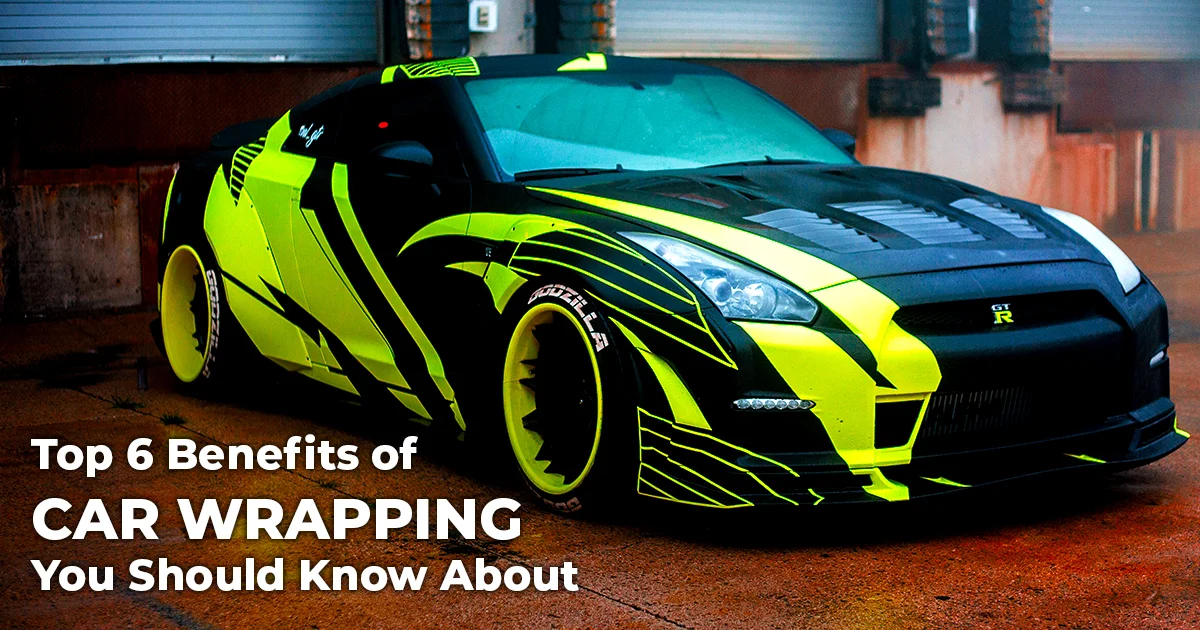
Top 6 Benefits of Car Wrapping You Should Know About
22 Jun 2023, By AdminAre you looking to give your car a fresh new look while also protecting its original paint? Look no further than car wrapping at Dr. Tint & Wrap! Car wrapping, a process where a vinyl film is applied to the exterior of a vehicle, has become a popular choice among car enthusiasts, businesses, and individuals alike. In this blog, we'll explore the top benefits of car wrapping and why it's worth considering for your own vehicle.
Style and Customization - One of the primary benefits of car wrapping is the ability to customize your vehicle's appearance to your liking. With a wide range of vinyl colors, finishes, and designs available, you can create a unique and personalized look for your car. Whether you're going for a sleek and glossy finish, a matte or satin look, or even a textured design, the possibilities are endless. Car wrapping allows you to express your personal style and make your car stand out from the crowd.
Paint Protection - Another significant advantage of car wrapping is its ability to protect your car's original paint from various types of damage. The vinyl film acts as a protective barrier against scratches, rock chips, dirt, and UV rays, helping to keep your car's paint in pristine condition. This is particularly beneficial for expensive or rare vehicles, as it helps preserve their resale value and keeps them looking new for longer.
Cost-Effective - Compared to traditional painting methods, car wrapping can be a more cost-effective option for changing your vehicle's appearance. A high-quality paint job can be expensive, especially if you're looking for unique colors or finishes. Car wrapping, on the other hand, offers a more affordable alternative with similar results. Additionally, if you decide to change your car's color or design in the future, you can easily remove the vinyl wrap without damaging the original paint, making it a cost-effective and reversible option.
Time-Saving - Unlike traditional painting, which can take several days to complete, car wrapping can be done relatively quickly. Depending on the complexity of the design and size of the vehicle, car wrapping can usually be completed within a few days to a week. This means less downtime for your vehicle and less inconvenience for you, making it a time-saving option for those who want a quick and efficient way to transform their car's appearance.
Advertising and Branding - Car wrapping is not only popular among car enthusiasts but also among businesses for advertising and branding purposes. Wrapping company vehicles with branded vinyl wraps can turn them into moving billboards, creating a cost-effective and attention-grabbing way to promote your business. With the ability to customize the design and incorporate your logo, colors, and other branding elements, car wrapping can help increase brand awareness and make your business stand out on the road.
Easy Maintenance - Another benefit of car wrapping is its low maintenance requirements. Vinyl wraps are durable and easy to clean, requiring minimal upkeep. Regular washing with mild soap and water is typical all that's needed to keep the wrap looking its best. Additionally, if any damage does occur, such as a scratch or small tear, individual sections of the vinyl can be easily replaced without having to redo the entire wrap, making it a convenient and cost-effective option for long-term maintenance.
In conclusion, car wrapping offers a wide range of benefits, including style customization, paint protection, cost-effectiveness, time-saving, advertising and branding opportunities, and easy maintenance. Whether you're looking to give your personal vehicle a fresh new look or promote your business on the road, car wrapping can be a practical and visually appealing solution. Consider car wrapping as a viable option for transforming your ride with style, protection, and added benefits that will make your vehicle stand out from the crowd.

Window Tinting Trends and Styles: Whats Popular in Hamilton
20 Jun 2023, By AdminWindow tinting has become increasingly popular among homeowners and car enthusiasts alike in Hamilton. Not only does it enhance privacy and protect against harmful UV rays, but it also adds an aesthetic appeal to any property or vehicle. As window tinting continues to evolve, new trends and styles emerge, offering an array of options for Hamilton residents. In this blog, we'll explore the latest window tinting trends and styles that are currently popular in Hamilton.
Ceramic Window Tinting: Ceramic window tinting has gained significant popularity in Hamilton due to its superior heat rejection properties. This advanced technology utilizes ceramic nanoparticles that effectively block out infrared heat while allowing visible light to pass through. The result is a cooler interior, reduced glare, and improved energy efficiency. With its exceptional performance and sleek appearance, ceramic window tinting has become a top choice for both residential and automotive applications in Hamilton.
Privacy and Security Films: In a bustling city like Hamilton, privacy and security are essential considerations for many homeowners and businesses. Privacy and security films provide an effective solution by obscuring the view from the outside while allowing those inside to maintain a clear view. These films come in various designs and opacities, enabling residents to choose the level of privacy they desire. Additionally, security films offer an added layer of protection against break-ins, as they reinforce the glass and make it more difficult to penetrate.
Decorative Window Films: Decorative window films have become a creative way to add style and personality to windows in both residential and commercial spaces. These films come in a wide range of patterns, textures, and colors, allowing for endless customization options. Whether it's a frosted design for privacy in a bathroom or an elegant etched pattern for a storefront, decorative window films can transform plain glass into a visually stunning feature.
Dual-Reflective Window Tinting: Dual-reflective window tinting is another popular choice in Hamilton, offering a balance between privacy and clarity. These films have a reflective exterior surface that provides excellent daytime privacy, while the interior surface remains less reflective, allowing occupants to maintain visibility. Dual-reflective window tinting also provides heat and UV rejection, making it an ideal option for those seeking a versatile solution.
Color-Shifting Window Tints: For automotive enthusiasts in Hamilton, color-shifting window tints have become a captivating trend. These films feature a unique iridescent effect that changes color depending on the viewing angle and lighting conditions. Color-shifting tints not only enhance the appearance of vehicles but also offer privacy and heat-rejection properties. They provide a distinctive and eye- catching look that sets cars apart from the crowd. Window tinting trends and styles in Hamilton have evolved to meet the diverse needs and preferences of residents. From ceramic window tinting for superior heat rejection to decorative films for added style, there is an option to suit every taste and requirement. Whether you're looking to enhance privacy, improve energy efficiency, or simply add a touch of sophistication to your property or vehicle, window tinting offers a multitude of benefits. Dr. Tint & Wrap is a reputable company specializing in professional Window Tinting services in Hamilton. With their expertise and attention to detail, they offer top-notch solutions that enhance privacy, reduce glare, and protect against harmful UV rays, ensuring customer satisfaction.

Ultimate Guide to Car Wrapping Prices: Exploring Prices and Benefits
20 Jun 2023, By AdminCar wrapping has become a popular method for enhancing the appearance of vehicles, protecting the original paint, and even advertising a business. It offers a cost-effective way to transform your car's aesthetics without the need for expensive paint jobs. However, when considering car wrapping, it's crucial to understand the various factors that influence the prices involved. In this ultimate guide to car wrapping prices, we will explore the different aspects that affect the cost and delve into the numerous benefits that come with this vehicle customization method.
Size and Type of Vehicle: The size and type of your vehicle play a significant role in determining the cost of car wrapping. Larger vehicles, such as SUVs or vans, require more material and labor, which can result in higher prices compared to smaller cars.
Material Quality: The quality and brand of the vinyl wrap used can significantly impact the cost. Higher quality materials tend to be more durable, provide better color options, and offer additional features like protection against UV rays or self-healing properties. While they may be pricier, they often offer superior longevity and performance.
Complexity of Design: If you opt for a custom design or intricate patterns that require precise installation, the complexity of the design will influence the overall cost. Simple, solid-color wraps tend to be more affordable, while complex designs, logos, or full-vehicle wraps require more time and expertise, resulting in higher prices.
Finish and Specialty Options: Car wraps come in various finishes, including gloss, matte, satin, metallic, chrome, and textured. Specialty options like carbon fiber or color-changing wraps may come at a premium due to the unique materials and manufacturing processes involved.
Aesthetics and Customization: Car wrapping allows you to customize your vehicle's appearance according to your preferences. With a wide range of colors, finishes, and designs available, you can create a unique look that reflects your style. Moreover, wraps can be easily removed, giving you the flexibility to change the design whenever you desire.
Paint Protection: Vinyl wraps act as a protective layer for your vehicle's original paintwork, shielding it from minor scratches, stone chips, and sun damage. This helps maintain the vehicle's resale value by preserving the pristine condition of the paint beneath.
Advertising and Business Promotion: For businesses, car wraps provide an excellent opportunity for advertising and brand promotion. Wrapping your company vehicles with your logo, contact information, and branding elements turns them into mobile billboards, effectively spreading your message wherever you go.
Cost-Effective Solution: Compared to traditional paint jobs, car wrapping offers a more affordable option for changing the vehicles appearance. It allows you to achieve a high-quality finish without the labor- intensive and expensive process of repainting. Car wrapping prices vary depending on factors such as vehicle size, material quality, design complexity, and specialty options. By considering these elements, you can determine the cost involved in transforming your vehicles appearance. Additionally, car wrapping provides numerous benefits, including customization options, paint protection, advertising opportunities, and cost-effectiveness. Whether you want to revamp your car's look, protect its paint, or promote your business, car wrapping offers a versatile and appealing solution. Remember, when considering car wrapping, it is essential to consult with professional wrap installers to ensure a high-quality and long-lasting result that meets your expectations and budget. Dr. Tint & Wrap offers professional Car Wrapping services in Hamilton, Rotorua, and Tauranga, providing a seamless and durable solution to transform the appearance of vehicles with precision and expertise. With a focus on quality materials and meticulous attention to detail, their team ensures a stunning and long-lasting finish that enhances the aesthetic appeal and protection of every clients vehicle.
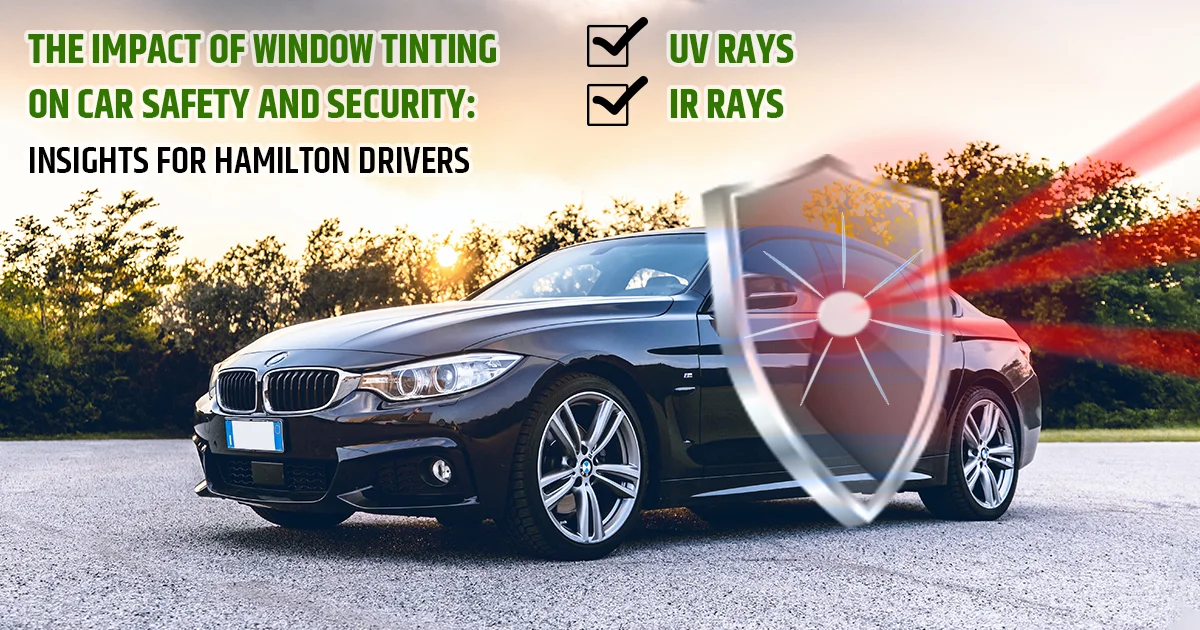
The Impact of Window Tinting on Car Safety and Security: Insights for Hamilton Drivers
16 Jun 2023, By AdminWindow tinting has become a popular choice among car owners in Hamilton and for good reason. Beyond its aesthetic appeal, window tinting offers several benefits, including enhanced privacy, protection from harmful UV rays, and improved temperature control inside the vehicle. However, one aspect that is often overlooked is the impact of window tinting on car safety and security. In this blog post, we will delve into the various ways in which window tinting can contribute to a safer and more secure driving experience for Hamilton drivers.
1. Reduced Glare for Enhanced Visibility: Driving in Hamilton, like any other city, can pose challenges with regard to glare from the sun and headlights. Window tinting helps to mitigate this issue by reducing the amount of light that enters the vehicle. By minimizing glare, window tinting improves visibility and enables drivers to have a clear view of the road, reducing the risk of accidents caused by impaired vision.
2. Protection from Shattered Glass: In the unfortunate event of an accident, the window film applied during tinting can act as a protective barrier. It holds the shattered glass together, preventing it from scattering all over the vehicle's interior. This not only minimizes the risk of injuries from flying glass shards but also makes it harder for potential intruders to gain access to the car during an attempted break-in. Window tinting thus adds an extra layer of security to your vehicle.
3. Enhanced Privacy and Theft Deterrence Privacy: is a significant concern for many drivers, and window tinting provides an effective solution. It limits the visibility of the vehicle, preventing prying eyes from scrutinizing your valuables and personal belongings. With tinted windows, you can go about your daily activities in Hamilton with greater peace of mind, knowing that your privacy is protected. Moreover, window tinting acts as a deterrent against theft. By concealing the contents of your car, it reduces the likelihood of opportunistic thieves targeting your vehicle. Criminals are less likely to break into a car when they are unsure about what lies inside, making window tinting a valuable investment for your vehicle's security.
4. Temperature Control and UV Ray Protection Hamilton: Experiences varying weather conditions throughout the year, and car window tinting in Hamilton can help regulate the temperature inside your car. The film used in window tinting acts as a heat barrier, reducing the amount of solar heat that enters the vehicle. This can be especially beneficial during hot summer months, keeping the interior cooler and reducing the reliance on air conditioning. Additionally, window tinting blocks a significant amount of harmful UV rays from entering the car. Prolonged exposure to UV rays can cause skin damage and increase the risk of skin cancer Tinted windows offer an added layer of protection by blocking up to 99% of these harmful rays, ensuring the well-being of both you and your passengers.
In conclusion, car window tinting in Hamilton goes beyond enhancing the appearance of your vehicle, it also has a substantial impact on car safety and security. By reducing glare, protecting against shattered glass, providing privacy, and regulating temperature, tinted windows offer numerous advantages for Hamilton drivers. Moreover, the UV ray protection they provide can contribute to your long-term health and well-being. Consider window tinting as an investment in both your vehicle's safety and your driving experience in Hamilton. If you're a Hamilton driver looking to improve the safety and security of your car, Dr. Tint Hamilton should be your first choice. With our expertise, precision installation, and high-quality tint films, we ensure optimal heat rejection, UV protection, and privacy, making them the top choice for car owners in Hamilton and around
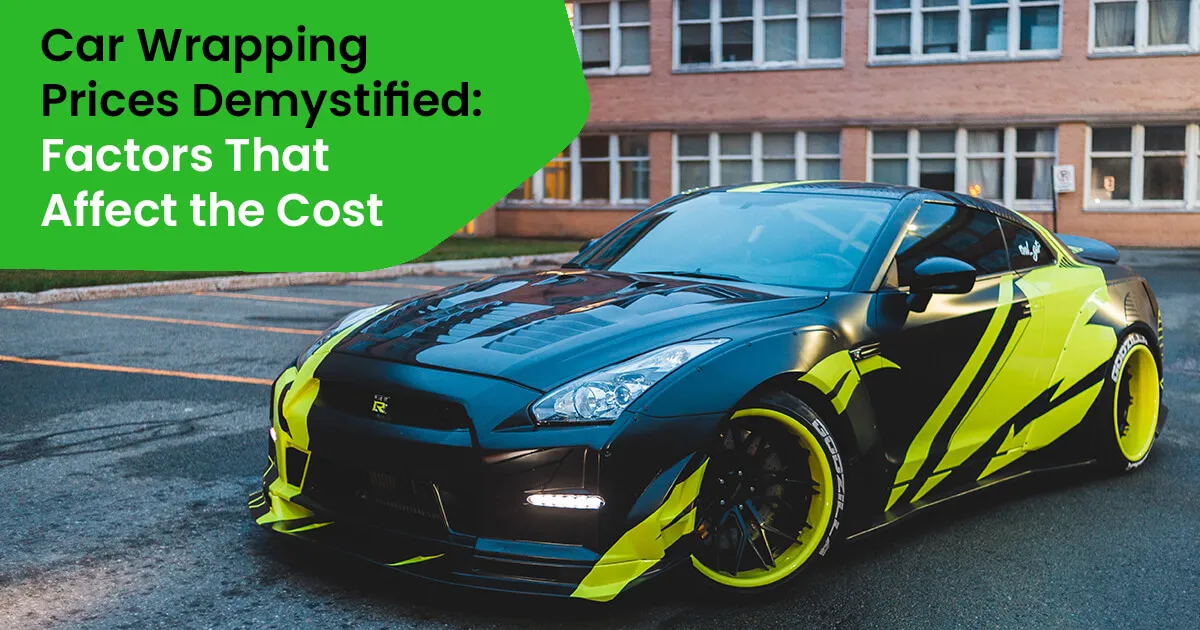
Car Wrapping Prices Demystified: Factors That Affect the Cost
06 Jun 2023, By AdminCar wrapping has become an increasingly popular option for vehicle owners who want to give their cars a unique appearance or protect their original paintwork. However, one common question that arises when considering car wrapping is, "How much does it cost?" Car wrapping prices can vary significantly depending on several factors. In this blog post, we will demystify car wrapping prices and explore the key factors that influence the cost.
1. Type of Wrap Material
The choice of wrap material plays a crucial role in determining the cost of car wrapping. There are various options available in the market, ranging from basic vinyl wraps to premium-grade materials. The quality, durability, and finish of the wrap material directly affect the price. High- quality materials tend to be more expensive, but they offer better longevity and superior aesthetics.
2. Vehicle Size and Complexity
The size and complexity of the vehicle are essential considerations in pricing car wrapping services. Larger vehicles such as trucks, SUVs, or vans require more material and labor, resulting in higher costs compared to smaller cars. Similarly, vehicles with intricate body designs, curves, and contours demand additional time and expertise ensure a seamless installation, which can affect the overall pricing.
3. Partial or Full Wrap
Another factor that impacts car wrapping prices is whether you opt for a partial also known as only roof and bonnet wrap or full wrap. A full wrap covers the entire vehicle, including the roof, hood, trunk, and all the body panels. Partial wraps, on the other hand, cover only specific areas of the car. Naturally, a full wrap requires more material and labor, leading to a higher cost compared to a partial wrap.
4. Custom Design and Graphics
If you desire a customized design or graphics on your car wrap, the cost will be influenced by the complexity and intricacy of the design. Custom artwork, logos, or intricate patterns require specialized skills and precision, which may result in additional charges. The more detailed and elaborate the design, the higher the cost will be.
5. Additional Services
Additional services, such as surface preparation, paint protection, and removal of previous wraps, can also impact the overall car wrapping price. Proper surface preparation, including cleaning, degreasing, and removal of any contaminants, is vital for achieving a smooth and long-lasting finish. Paint protection films or clear coats may be recommended to enhance the durability of the wrap, but they can add to the cost.
6. Geographic Location
Car wrapping prices can also vary based on the geographic location. Costs tend to be higher in urban areas or regions with a higher cost of living. Additionally, market competition and local demand can influence pricing. It is advisable to research multiple providers in your area to get a better understanding of the prevailing rates.
Car wrapping prices can vary significantly depending on various factors such as the type of wrap material, the size and complexity of the vehicle, the extent of coverage, custom design requirements, additional services, and geographic location. It is crucial to consider these factors when estimating the cost of car wrapping. To ensure a successful and satisfactory outcome, it is recommended to consult with professional car wrapping providers who can provide accurate pricing information based on your specific requirements. Dr. Tint stands out as a leading provider of top-notch car and vehicle wrapping services, offering the best quality and competitive prices in Hamilton, Rotorua, and Tauranga. Remember, investing in quality materials and expert installation is key to achieving a stunning and long-lasting car wrap.

Benefits of Window Tinting in Hamilton: Why Hamilton Residents Should Consider it
23 May 2023, By AdminWhen it comes to enhancing the aesthetics, comfort, and overall functionality of your home or vehicle, window tinting can be a game-changer. Hamilton residents, in particular, can benefit from window tinting solutions that offer protection from harmful UV rays, increased privacy, and improved energy efficiency. In this blog post, we will explore the numerous benefits and advantages of window tinting in Hamilton, highlighting why it's a valuable investment for both homeowners and vehicle owners in the area.
1. Protection from Harmful UV Rays
Living in Hamilton means enjoying beautiful sunny days, but prolonged exposure to harmful UV rays can lead to skin damage and increase the risk of skin cancer. Window tinting provides an effective solution by blocking up to 99% of the sun's harmful UV rays. Whether you're at home or on the road, window tinting acts as a barrier, safeguarding you and your loved ones from these harmful rays. By reducing UV penetration, it also prevents furniture, flooring, upholstery and the interior of your car from fading over time.
2. Enhanced Privacy and Security
Privacy is a crucial aspect of any living space, and window tinting offers an excellent solution for maintaining a sense of privacy. With tinted windows, Hamilton residents can enjoy an added layer of protection against prying eyes. Whether you live near a busy street or have nosy neighbors, window tinting can help create a more secure and comfortable environment by limiting the visibility into your home or vehicle.
3. Improved Energy Efficiency
Maintaining a comfortable indoor temperature is a challenge, especially during Hamilton's hot summers and cold winters. Window tinting can significantly contribute to improving energy efficiency by reducing the heat gain from sunlight in the summer and heat loss during the winter months. By regulating the temperature more effectively, window tinting helps to reduce reliance on air conditioning and heating systems, thereby lowering energy consumption and utility bills.
4. Glare Reduction for Increased Comfort
Glare from the sun can be irritating and even dangerous, especially while driving. Window tinting can significantly reduce glare, allowing for a more comfortable and safer driving experience. Additionally, tinted windows in your home can create a more pleasant living environment by minimizing the disruptive effects of direct sunlight on electronic screens, such as televisions, computers, and mobile devices.
5. Protection Against Shattered Glass
Accidents happen, and in the unfortunate event of a break-in or a vehicular collision, window tinting can provide an additional layer of protection. Tinted films are designed to hold shattered glass together, preventing it from scattering and reducing the risk of injury from flying glass shards. This added safety feature can give Hamilton residents peace of mind, knowing that their windows are reinforced with an extra level of protection.
In conclusion, window tinting offers numerous benefits for Hamilton residents, ranging from protection against harmful UV rays to increased privacy, improved energy efficiency, glare reduction, and enhanced safety. Whether you are a homeowner looking to enhance the comfort and aesthetics of your living space or a vehicle owner seeking to improve your driving experience, window tinting in Hamilton is a worthwhile investment.
With the advantages of window tinting, Hamilton residents can enjoy a more comfortable and secure living environment, while also reaping the long-term benefits of reduced energy consumption and lower utility bills. Consider reaching out to reputable window tinting professionals in Hamilton to explore the options available and make the most of the advantages offered by this versatile solution.
Dr. Tint & Wrap stands out as Hamilton's premier destination for flawless window tinting, ensuring top-notch service and unparalleled expertise. Experience the finest window tinting craftsmanship with Dr. Tint & Wrap, setting the benchmark for excellence in Hamilton and beyond.

Why You Should Consider Home Window Tinting for Privacy ?
15 May 2023, By AdminPrivacy is a fundamental aspect of our daily lives. It allows us to feel safe, secure, and comfortable in our own homes. When it comes to windows, they are an essential part of any home, providing natural light, ventilation, and views of the outside world. However, they can also be a source of privacy concerns, especially if you live in a densely populated area or have windows facing a busy street. This is where home window tinting can come to the rescue. Home window tinting is a process that involves applying a thin film to your windows, which can help regulate the amount of sunlight that enters your home, while also providing privacy. In this blog post, we will explore the benefits of home window tinting for privacy and how to balance natural light and privacy needs.
Why is Privacy Important?
Privacy is important for several reasons. Firstly, it provides a sense of security and peace of mind. Knowing that you can enjoy your personal space without the prying eyes of others is crucial to feeling comfortable in your own home. Secondly, privacy protects your personal information and belongings from potential intruders. It also helps prevent identity theft and keeps your home safe from burglaries. Lastly, privacy allows you to have personal moments with your loved ones without feeling exposed to the outside world.
The Benefits of Home Window Tinting for Privacy
Home window tinting offers several benefits when it comes to privacy:
Enhanced Privacy: Window tinting films come in various opacities, ranging from translucent to opaque. This means you can choose a film that meets your privacy needs, allowing you to enjoy natural light while maintaining privacy. Tinted windows prevent outsiders from looking into your home, protecting your personal space.
Daytime Privacy: Home window tinting allows you to enjoy natural light during the day without compromising your privacy. You can go about your daily activities without feeling exposed to the outside world, making your home a more comfortable and private space.
Glare Reduction: Window tinting films can reduce glare caused by direct sunlight, making it easier to work on screens, watch TV, or simply relax without squinting or straining your eyes. This enhances your privacy by preventing outsiders from seeing what you are doing inside your home.
UV Radiation Protection: Home window tinting can block up to 99% of harmful UV rays from entering your home. UV rays can cause furniture, flooring, and other belongings to fade or deteriorate over time. Tinted windows help protect your belongings from UV radiation, prolonging their lifespan and ensuring privacy by preventing outsiders from seeing the inside of your home.
Energy Efficiency: Window tinting films can also help regulate the temperature inside your home, reducing the need for artificial cooling or heating. This can result in energy savings and lower utility bills. Additionally, energy-efficient windows can provide privacy by reducing the need for curtains or blinds, allowing you to enjoy natural light without sacrificing privacy.

How Does Car Window Tinting Reduce Heat Inside The Car
09 May 2023, By AdminCar window tinting has become increasingly popular among car owners in recent years. This process involves applying a thin, transparent film to the windows of a car, which helps to reduce the amount of heat that enters the vehicle. But how does car window tinting actually work to reduce heat inside the car? In this blog, we'll explore the science behind car window tinting and its effects on reducing heat inside the car.
Tinting films block the sun's rays
Car window tinting works by blocking the sun's rays from entering the car. The film is designed to absorb or reflect the sun's radiation, which is responsible for the heat that builds up inside the vehicle. By reducing the amount of sunlight that enters the car, the tinting film helps to keep the temperature inside the car more comfortable.
Tinting films reduce the amount of visible light that enters the car
In addition to reducing the amount of sunlight that enters the car, car window tinting also reduces the amount of visible light that enters the car. This helps to reduce glare, which can be a major problem for drivers, especially during the day when the sun is bright. By reducing glare, car window tinting makes it easier for drivers to see the road ahead, which can help to prevent accidents.
Tinting films can block up to 99% of UV radiation
Car window tinting films are also designed to block up to 99% of the sun's ultraviolet (UV) radiation. UV radiation can be harmful to both the skin and the interior of a car. Over time, exposure to UV radiation can cause the dashboard and other parts of the car's interior to fade and crack. By blocking UV radiation, car window tinting helps to protect the car's interior and keep it looking new for longer.
Tinting films reduce the need for air conditioning
Because car window tinting helps to reduce the amount of heat that enters the car, it can also help to reduce the need for air conditioning. This not only saves fuel, but it can also help to reduce the wear and tear on the car's air conditioning system, which can extend its lifespan.
In conclusion, car window tinting works by blocking the sun's rays, reducing the amount of visible light that enters the car, blocking up to 99% of UV radiation, and reducing the need for air conditioning. Doing so helps to keep the temperature inside the car more comfortable, protect the car's interior, and improve the safety of drivers on the road. If you're considering getting your car windows tinted, make sure to choose a reputable provider who can help you choose the right type of tinting film for your needs.

The Ultimate Guide to Car Wrapping: Importance & Tips
25 Apr 2023, By AdminIf you're a car enthusiast looking to give your ride a unique and personalized touch, car wrapping can be an excellent option. Car wrapping is the process of applying a vinyl film onto the surface of a vehicle, completely transforming its appearance. It allows you to change the color, add the finishing, and even add custom graphics or designs to your car, creating a true masterpiece that reflects your style and personality. In this blog post, we will explore the world of car wrapping and how it can elevate your car enthusiast game to the next level.
Importance of Car Wrapping?
Car wrapping has become increasingly popular among car enthusiasts for several compelling reasons,
Customization - Car wrapping allows you to completely transform the appearance of your vehicle. With a wide range of colors, textures, and finishes available, you can create a unique and personalized look that reflects your style and personality. It gives you the opportunity to customize your vehicle without the permanence of a traditional paint job, making it a flexible option for those who like to change up their vehicle's appearance.
Protection - Car wraps provide a layer of protection to your car's original paint. The vinyl material used in car wraps acts as a barrier against minor scratches, chips, and fading from UV rays, helping to preserve the condition of your car's paint and keeping it looking newer for longer. This can be particularly beneficial if you want to maintain your car's resale value or lease a vehicle and want to protect it during the lease period.
Versatility - Car wraps can be used for a variety of purposes beyond just changing the color of your car. They can be used for advertising, business branding, or promoting a cause or event. Car wraps provide a cost-effective and attention-grabbing way to market your business or create awareness for a cause, as they turn your vehicle into a moving billboard that can reach a wide audience.
Reversibility - Unlike traditional paint jobs, car wraps are not permanent and can be easily removed without damaging your car's original paint. This means you can change or remove the wrap whenever you want, allowing for flexibility and versatility in your vehicle's appearance. It also means that if you're planning to sell your car or return a leased vehicle, you can remove the wrap and restore it to its original condition.
Cost-effective - Car wrapping can be a more cost-effective option compared to a traditional paint job, especially for complex designs or multiple color changes. The cost of a car wrap depends on factors such as the size of the vehicle, the type of wrap material used, and the complexity of the design. However, compared to the cost of a full repaint, car wrapping can be more budget-friendly while still providing a high-quality, customizable finish.
Non-permanent - Car wraps are a non-permanent option, which means you can experiment with different looks and styles without committing to a permanent change to your car's appearance. This gives you the freedom to try out different colors, finishes, and designs, and easily revert to the original look if you wish.
Tips for Car Wrapping Enthusiasts
If you're considering car wrapping for your vehicle, here are some tips to keep in mind:
Choose a Professional Installer - Car wrapping is a complex process that requires skill and experience. It's important to choose a professional installer who has a proven track record of quality work. Look for reviews, ask for recommendations, and check their portfolio before making a decision.
Decide on the Type of Wrap - There are different types of car wraps available, including vinyl wraps, color change wraps, and clear wraps. Consider your budget, desired look, and durability requirements when choosing the type of wrap that's best for your car.
Prepare Your Car - Before applying the wrap, make sure your car's surface is clean and free of any dirt, debris, or wax. A clean surface will ensure proper adhesion of the wrap and result in a smooth finish. Also, remove any accessories or trim that may interfere with the wrapping process.
Choose High-Quality Materials - Opt for high-quality vinyl materials for your car wrap. High- quality materials are more durable, resistant to UV rays, and can withstand the elements better, ensuring your wrap will last longer and look better.
Consider Maintenance - Car wraps require regular maintenance to keep them looking their best. Follow the manufacturer's instructions for care and maintenance, which may include avoiding harsh chemicals, hand washing, and avoiding high-pressure car washes.
Be Mindful of Environmental Factors - Extreme temperatures, prolonged exposure to sunlight, and harsh weather conditions can affect the lifespan of your car wrap. Parking your car in shaded areas, using a car cover, and avoiding harsh environmental conditions can help prolong the lifespan of your car wrap.
Avoid DIY Wrapping - Car wrapping is a skilled trade that requires proper training and experience. Attempting to wrap your car yourself without the proper knowledge and tools can result in a subpar finish and damage to your car's paint. It's best to leave car wrapping to the professionals.
Plan for Removal - Car wraps are not permanent and will eventually need to be removed. Plan for the removal process and be prepared for the possibility of minor paint touch-ups after removal. It's important to follow the manufacturer's instructions for proper removal to avoid damaging your car's paint.
Get a Warranty - Look for a professional installer who offers a warranty on their workmanship and the materials used. A warranty can provide you with peace of mind and protection against any potential issues with your car wrap.
Dr. Tint & Wrap is a professional and one of the leading car wrapping service providers in New Zealand. At Dr. Tint & Wrap, we take total care of all the mentioned tips and strictly follow local laws and regulations regarding car wraps, including restrictions on colors, designs, and placement of wraps. Some areas may have specific rules and regulations that need to be followed to avoid any legal issues.

The Benefits of Car Window Tinting: UV Protection, Privacy, and Style
13 Apr 2023, By AdminMar owners invest their time and effort in maintaining vehicles. Like from regular oil changes to car washes. However, one essential aspect that often gets overlooked is car window tinting. Car window tinting offers a range of benefits that can enhance your driving experience and protect you, your loved ones and your vehicle. In this blog, we will explore the top three benefits of car window tinting: UV protection, privacy, and style.
UV Protection
We all know harmful UV sunrays not only damage our skin but also fade the interior of our car. Car window tinting acts as a barrier that blocks up to 99% of harmful UV rays, protecting you and your passengers from potential skin damage. This also reduces the risk of skin cancer. Additionally, car window tinting helps prevent the fading and cracking of your car's interior, including the dashboard, seats, and carpets, by blocking the sun's harmful rays. This can help prolong the lifespan of your vehicle's interior and maintain its resale value.
Privacy
Privacy is another significant benefit of car window tinting. It can provide you with a sense of security and peace of mind while driving your car. Tinted windows create a barrier that makes it difficult for outsiders to see inside your vehicle, ensuring your belongings and passengers remain hidden from prying eyes. This can be especially useful when you have valuable items in your car or when you want to protect your privacy, such as when changing clothes, breastfeeding, or having personal conversations.
Styling
Car window tinting can also add a touch of style to your vehicle. Tinted windows give your car a sleek and sophisticated appearance, enhancing its overall aesthetics. With various shades and colors available, you can choose a window tint that complements your car's exterior and reflects your personal style. Custom window tinting options are also available, allowing you to create a unique and customized look for your vehicle.
Bonus Tip
In addition to these three main benefits, car window tinting can also provide other advantages such as reducing glare while driving, improving safety by minimizing shattered glass in case of an accident and providing insulation to keep your vehicle cooler in hot weather, reducing the need for excessive air conditioning and saving on fuel costs. It's essential to note that car window tinting is regulated by laws in jurisdictions, and it's crucial to comply with the legal requirements.
Conclusion
In conclusion, car window tinting offers a range of benefits that go beyond aesthetics. It provides UV protection, privacy, and style to enhance your driving experience and protect you and your vehicle. If you're considering window tinting for your car, make sure to research and choose a reputable and experienced professional like Dr. Tint & Wrap to ensure proper installation and compliance with legal regulations. Enjoy the many advantages of car window tinting and drive in comfort, style, and safety!

Car Window Tinting Tauranga Benefits of Car Window Tinting
27 Mar 2023, By AdminWindow Tinting is becoming increasingly popular in Tauranga. Today more and more car owners are realizing the benefits of having their car windows tinted. Let's see some advantages of car window tinting in Tauranga, and why it's a great investment for any car owner in Tauranga.
The most significant benefit of car window tinting is that it reduces the amount of heat that enters the car. Overall all of New Zealand experiences extremely hot temperatures during the summer months, which can make it uncomfortable for Dr. drivers and passengers. Car window tinting in Tauranga can significantly reduce the heat that enters the car, making it a more comfortable and cool place to be, especially during the hottest parts of the day. This can also help to reduce the load on your car's air conditioning system, which can save you money on fuel costs.
Another advantage of car window tinting in Tauranga is that it reduces the amount of harmful UV and IR rays that enter the car. The sun's UV and IR rays can be harmful to both the car's interior and to the occupants. They can cause the car's interior to fade or crack, and can also cause skin damage or even skin cancer. Car window tinting can block up to 99% of UV and IR rays, which can provide significant protection for both the car and its occupants.
Car window tinting can also improve the privacy and security of your vehicle. Tinted windows make it more difficult for people to see inside your car, which can be useful if you often leave valuable items inside and goes out. Car window tinting can also make it more difficult for thieves to break into your car, as it makes it harder for them to see what's inside.
Car window tinting can enhance the overall appearance of your car. Tinted windows give a stylish look to any vehicle, and can make it stand out from the crowd. Tinting can also add a layer of sophistication to your car's appearance, making it look more luxurious and professional.
In Tauranga, many companies offer car window tinting services. Dr. Tint & Wrap Tauranga is a reputable company with experience in the field. Dr. Tint & Wrap uses high-quality window film and offers a warranty on its work. This will ensure that your car window tinting is of the highest quality and that it will last for many years to come..
In conclusion, car window tinting is a great investment for any car owner in Tauranga. It can reduce the amount of heat and UV rays that enter the car, improve privacy and security, and enhance the overall appearance of the vehicle. If you're considering car window tinting in Tauranga, be sure to choose a reputable company that uses high-quality window film, and that offers a warranty on their work.
Why Choose Dr. Tint & Wrap For Car Window Tinting
27 Mar 2023, By AdminDr. Tint & Wrap is a well-known and reputable company that provides car window tinting services in Hamilton, Rotorua & Tauranga. We specialize in Car Window Tinting services and are known for our high-quality workmanship and customer service.
At Dr. Tint & Wrap we have become experts in the field of car window tinting and use only the highest quality materials as per the government norms. We have a team of skilled and experienced technicians who are trained to provide precise and professional installations. This means that you can trust that your car's windows will be tinted to the highest standard.
Dr. Tint & Wrap also offers a wide range of tinting options to suit your individual needs and offers a variety of tint shades, from light to dark, so you can choose the level of privacy and UV protection that suits you best In addition to our high-quality workmanship and range of tinting options. Dr. Tint & Wrap also provides excellent customer service. We also feel proud to provide personalized service to each of our customers and will work with you to find the best tinting solution for your individual needs.
For your car window tinting needs in Hamilton, Rotorua and Tauranga our commitment to sustainability is a reflection of our dedication to providing high-quality services that are in line with modern car standards.
In conclusion, Dr. Tint is an excellent choice for car window tinting services in Hamilton, Rotorua & Tauranga. With an over wide range of tinting options, excellent customer service, and a commitment to sustainability, we are a trusted and reputable company that you can count on for all your car window tinting needs.
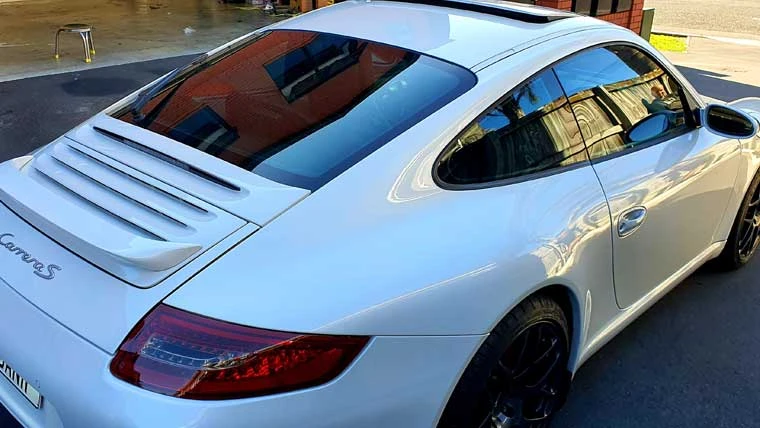
Why tinting your window is also good for your skin’s health?
18 Oct 2020, By AdminA car’s window tint gives it a stylish and sleep exterior. The moment you see a car with tinted windows, you immediately are allured to its charm and wonder who would be driving the fancy car. Window tinting simply doesn’t give a car a stylish look but also has many benefits. In case of an accident, a tinted window will not shatter as easily, it protects the car from being overheated and from the harmful UV rays, and it obscures the view inside the car which can help protect your identity and also protect your valuables in the car from strangers. Along with that, a tinted window helps keep the life of your leather seats last longer.
An important benefit of window tinting is how it protects your car from the heat and the rays of the sun. Along with helping the car from being overheated, what a quality window tint does is that it creates a barrier between you and the harmful rays of the sun. A continuous strong exposure to harsh sunrays can create issues for the eyes. The eyes can get fatigued with the sun’s exposure. And harmful rays of which is known to lead to cataract. The ultraviolet rays are known to be hazardous to health. While they can cause the skin to discolor, or age faster, a continuous exposure to these rays can also lead to skin cancer or other skin diseases.
Along with your skin, a car’s window tint can also help you take care of yourself in better ways. By not letting the car overheat, it is easier to regulate the body’s temperature and keep it normal and hence avoid overheating. This will also help in cutting down the usage of the air-conditioning which in turn will help save you more money to begin with.
It is then not only important to have a good quality window tint just for the feel of a sleek looking car but also for your health.
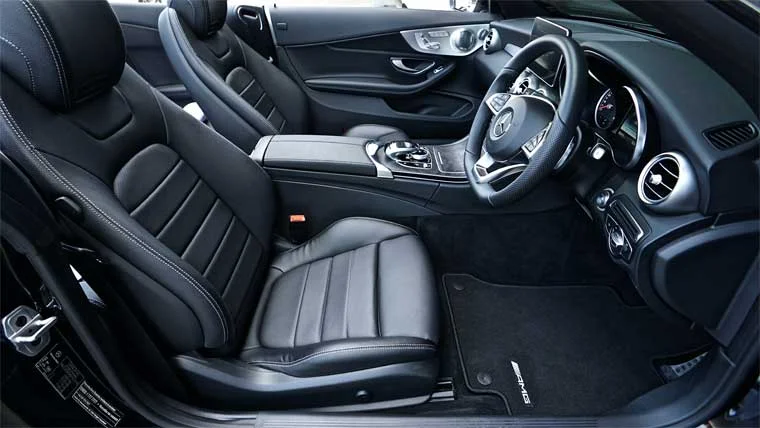
Car Window Tinting: A Boon for Leather Upholstery
14 Oct 2020, By AdminThe privacy and elegance that comes with tinting your car is priceless in the times where every step was taken in life is scrutinized and seen by everyone. So, while driving, it is always good to have your thoughts and your time to yourself, isn’t it? Along with the added benefit of privacy, tinted windows also help in protecting the interiors of the car. The investment that goes into the luxury of leather seats is something that one is acutely aware of. Now the sun is no friend to leather seats and can easily shorten the life of the seats. Discoloring them, causing cracks to appear or have the color fade, making them look worn
out.
One of the ways in which tinting your car’s windows is the protection it will provide to the elegant leather seats. Tinting windows can help control the harsh rays of the sun and also lessen how much the car heats up as well. Along with the rays of the sun, the harmful ultraviolet rays can be controlled with the power of tinting does right. Because of UV exposure, the car’s interiors can tend to get damaged.
With leather seats, the continued UV rays can cause the natural oil in the leather to dry out which causes unsightly stains. Along with UV rays and the rays of the sun, heat can also a lot of damage to leather seats. Without the added benefit of tinted windows, the heat trapped inside cars causes the leather to age faster.
Tinted windows can help keep the car cooler by creating a dark barrier between the sun and the leather seats of the car. Another problem that can worsen the impact of ultraviolet rays is any liquid or food that can fall on the leather seats with combines with these rays and can damage the upholstery of the car.
The right tint on your car windows can make all the difference to the look of your car. By making sure that the tinting has been done exceptionally can lengthen the life of the leather upholstery as well. One should always make sure that the window tinting on the cars should always be done by a professional. If not done properly, it can cause bubbles to appear in the film and also hinder sight while driving.
So, book your tinting consultation with Dr. Tint today!

4 Benefits Of Vehicle Window Tinting
05 Oct 2020, By Admin1. Keeps it from fading
The car is the most valuable asset that you can have and you want it as long as possible, having the perfect professionally installed tint on the car is to protect your asset, using a windshield sun protector or parking your car in the shade can reduce the sun damage for a short period of time, window film always blocks harsh rays of the sun which can fade upholstery and discolor leather and the vinyl, it also helps the car from not cracking and wrapping to keep your car looking new for a long period of time, the window tinting also blocks windshield glare to decrease eye fatigue from direct sun and the headlights at night,
2. Blockage from Harmful rays
By tinting your window can block up to 99 percent of the sun's harmful ultraviolet rays which have shown to accelerate skin aging and cause skin cancer, the UV rays can form electromagnetic radiation, if exposed over a long period of time which can result in skin burns, darkening the skin, premature aging, and skin cancer, even a clear window film or a light film can protect UV protection that is capable of blocking UVA and UVB which are both damaging rays, according to research 53% of skin cancer in The United States is caused on the left side, which is linked for the driver is on the left side of the car for a long period of time
3. The coolness effect
With Window tinting, the cooling in the car is right for all its passengers applying a window tint will solve the issue, this can block the solar heat that builds in the car by up to 65%, you can balance climate and comfort for all the passengers this will help cut down fuel consumption from the overuse of air conditioning
4. The Tint Benefits
There are many safety benefits by installing a window film and it can't is underestimated, they are designed to keep the glass from shattering in case an object hits, if there is a car accident the passengers are protected from pieces of flying glass and from being ejected from the windows, it also protects it from thieves as they will find it difficult to break the tinted glass windows.
By applying a window tint , you’re making the most out of your car, making sure it is in the long run and helping it by putting protection that will protect it from the damage and harmful rays of the sun.
Dr Tint is a leading Automobile Window Tinting Company in Hamilton, New Zealand.
Book Now