• info@drtint.co.nz
  •  ( Mon-Sat ) 8:00AM - 6:00PM ( Sunday Closed )
automotive-vinyl- wrap-service-near me.webp

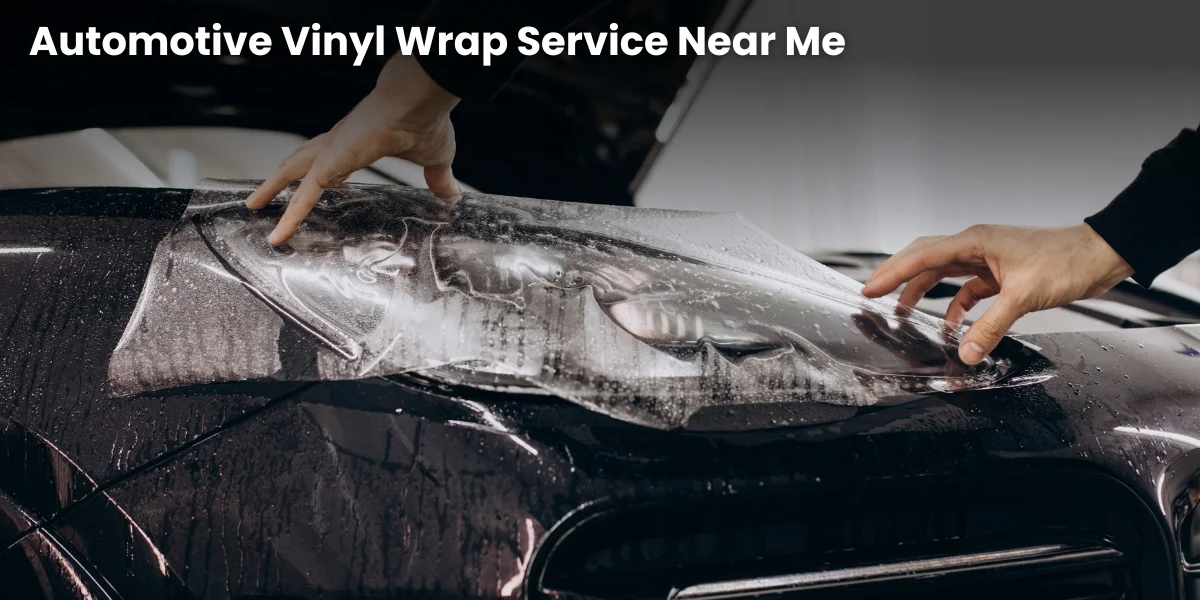
Automotive Vinyl Wrap Service Near Me

16 Aug 2024, By Admin

Transform your car with Tint a Car – New Zealand’s most trusted name in vinyl wraps and tinting, with over 50 years of experience. We offer professional installations and exclusive products backed by a lifetime nationwide warranty on most films, plus a 30-day money-back guarantee.

What is vinyl car wrapping?

Vinyl car wrapping involves covering your car with high-quality vinyl film, available in a variety of colors, textures, and custom designs. This gives your car a fresh, unique look while also protecting the original paint from damage caused by environmental factors like bird droppings or tree sap.

Why wrap your car?

Wrapping your car is an affordable way to refresh its look while providing a layer of protection. It’s significantly cheaper than a traditional paint job, which can cost anywhere from $1,000 to $10,000. Vinyl wraps start as low as $50 for smaller areas like side mirrors, with larger sections like the bonnet costing around $350. The final price depends on the size of your car and the amount of wrapping needed.

What parts of the car can be wrapped?

From bonnets, roofs, and boots to door handles and racing stripes – we can wrap almost any part of your car. Full wraps are also available for a complete transformation. With a lifespan of 1 to 10 years, vinyl wraps protect your car's original paint from minor chips, weathering, and natural hazards, which can help increase resale value.

Easy to Maintain

Maintaining a vinyl wrap is a breeze—no waxing is required! Just soap and water are enough to keep your car looking clean and sleek. And if you ever want a change, the wrap can be safely removed without affecting the original paint underneath.

Vinyl Wraps for Businesses

Want to promote your business on the go? Vinyl wraps are the perfect solution. Provide us with your design, and we’ll turn your vehicle into a mobile billboard.

Elevate your car’s look and protection with Tint a Car – the experts in vinyl wrapping and tinting in New Zealand.

Why Tinting your car's windows can prove to be a boon for your leather upholstery?

The Benefits of Office Window Tinting in New Zealand

16 Aug 2024, By Admin

When it comes to enhancing the comfort and functionality of your home, window tinting is a solution that often goes unnoticed. In New Zealand, where climate variations are common, the benefits of home window tinting extend far beyond aesthetic appeal. In this article, we'll explore how home window tinting can significantly reduce your energy bills and lead to long-term cost savings, making it a smart investment for homeowners across the country.

Understanding the Energy Efficiency of Window Tinting

New Zealand experiences a range of weather conditions throughout the year, from scorching summers to chilly winters. During these extremes, the energy used to regulate indoor temperatures can skyrocket. This is where window tinting comes into play.

1. Heat Reduction: One of the primary benefits of window tinting is its ability to reduce heat gain. Tinted windows block a significant portion of the sun's heat and harmful UV rays from entering your home. As a result, your indoor spaces remain cooler during hot summer months, reducing the need for air conditioning.

2. Insulation: Window tinting also provides insulation benefits, helping to maintain a consistent indoor temperature. In winter, it helps to keep warmth inside, reducing the need for excessive heating.

Cost Savings Through Window Tinting

Now, let's delve into how these energy-efficient qualities translate into tangible cost savings for homeowners in New Zealand.

1. Lower Energy Bills: By reducing heat gain during the summer and heat loss during the winter, window tinting significantly reduces your reliance on heating and cooling systems. As a result, you'll see a noticeable drop in your energy bills year-round.

2. Extended Appliance Lifespan: Reduced reliance on air conditioners and heaters not only saves you money on electricity but also extends the lifespan of these appliances. They don't have to work as hard, which means fewer repairs and replacements.

3. Furniture and Flooring Preservation: Window tinting also blocks harmful UV rays that can cause fading and damage to your furniture, flooring, and décor. This means you won't have to spend as much on replacing or refurbishing these items.

4. Enhanced Home Value: A home with energy-efficient features like window tinting can command a higher resale value in the New

Zealand real estate market. Potential buyers are often willing to pay more for a home with reduced energy costs.

In New Zealand, where energy efficiency and sustainability are becoming increasingly important, home window tinting stands out as a practical investment for homeowners. By reducing energy bills, extending the lifespan of appliances, preserving your interior, and enhancing your home's value, window tinting offers numerous long-term cost-saving benefits.

So, if you're looking to make your New Zealand home more energy-efficient and cost-effective, consider investing in professional window tinting services. Not only will you enjoy a more comfortable living space, but you'll also contribute to a greener and more sustainable future while saving money in the process.

See More

Why Tinting your car's windows can prove to be a boon for your leather upholstery?

How Much Does It Cost To Do Ppf On A Car ?

16 Aug 2024, By Admin

In the world of automotive enthusiasts and meticulous car owners, the quest for preserving a vehicle's pristine appearance often leads to the consideration of Paint Protection Film (PPF). Hamilton, with its vibrant automotive culture, has seen an increased interest in this cutting-edge technology. As car owners seek ways to shield their beloved vehicles from the rigors of daily driving and environmental hazards, understanding the costs associated with PPF becomes crucial. In this guide, we'll delve into the factors influencing the cost of PPF in Hamilton and provide insights into the value it offers.

What is Paint Protection Film?

Paint Protection Film, often referred to as PPF, is a transparent polyurethane film applied to the exterior surfaces of a vehicle to protect the paint from stone chips, bug splatter, bird droppings, road debris, and other environmental contaminants. It acts as an invisible shield, preserving the car's finish and maintaining its resale value

Factors Influencing PPF Costs in Hamilton

  • Type and Quality of Film: The market offers various types and qualities of PPF, ranging from basic films to high-end, self-healing varieties. The cost of PPF can vary significantly based on the brand, thickness, and features of the film. Premium films may have a higher upfront cost but provide superior protection and durability.
  • Size and Complexity of the Vehicle: Larger vehicles or those with complex body contours may require more PPF material and additional labor for installation. Sports cars, luxury vehicles, and SUVs typically have larger surface areas, influencing the overall cost.
  • Installation Labor Costs: The skill and experience of the installer play a crucial role in the cost of PPF. Hamilton boasts several skilled professionals and their expertise may be reflected in the labor costs. However, choosing a reputable installer is essential to ensure proper application and optimal protection.
  • Coverage Areas: Car owners can choose specific areas for PPF coverage, such as the full front end, hood, fenders, side mirrors, and more. The more extensive the coverage, the higher the overall cost. Some opt for a full-body wrap for comprehensive protection.
  • Customization and Design: Some PPF installations involve customization, such as patterns, logos, or unique designs. These personalized touches can add to the overall cost but allow for a one-of-a-kind look while maintaining protection.
  • Warranty and Aftercare: High-quality PPF often comes with extended warranties. The length and terms of the warranty can impact the upfront cost but provide peace of mind for car owners. Additionally, factoring in aftercare products for maintenance is essential to ensure the film's longevity.

How much does PPF typically cost in Hamilton?

The cost of PPF installation in Hamilton can vary based on several factors, including the size and model of your vehicle, the type of PPF used, and the complexity of the installation. On average, PPF Prices start from $1150. It's advisable to obtain quotes from reputable PPF installers in Hamilton for accurate pricing based on your specific car.

Investing in Paint Protection Film for your car in Hamilton is a strategic decision to safeguard your vehicle's aesthetics and resale value. The costs associated with PPF vary based on factors like the type of film, the size of the vehicle, labor, and customization options. While the initial investment may seem significant, the long-term benefits in terms of paint preservation and overall appearance make PPF a worthwhile consideration for car enthusiasts and those looking to protect their automotive investments in the vibrant city of Hamilton.

See More

Why Tinting your car's windows can prove to be a boon for your leather upholstery?

How to Choose the Right Window Tint for Your Home in 2023

16 Aug 2024, By Admin

In the world of home improvement, one often overlooked but highly beneficial upgrade is home window tinting. As we step into 2023, the demand for window tinting solutions has grown significantly, driven by increased awareness of their advantages. Whether you're looking to enhance privacy, reduce energy costs, or protect your furnishings from harmful UV rays, choosing the right window tint for your home is crucial. In this guide, we'll explore the key factors to consider when selecting the perfect window tint for your home in 2023.

1. Identify Your Goals

Before diving into the world of window tinting, it's essential to determine your specific goals. Why do you want window tinting for your home? Common reasons include:

  • Privacy: Do you want to prevent prying eyes from peering into your living spaces?
  • Energy Efficiency: Are you looking to reduce your energy bills by blocking out heat in the summer and retaining warmth in the winter?
  • UV Protection: Do you want to safeguard your furniture, flooring, and artwork from harmful UV rays that can cause fading?
  • Glare Reduction: Is glare from the sun or nearby buildings affecting your comfort while working or relaxing indoors?

Knowing your objectives will help you choose the right type of window tint to fulfill your needs.

2. Understand Different Types of Window Tints

In 2023, there are various types of window tints available, each with its unique features and benefits. Some of the most common options include:

  • Solar Control Films: These tints are designed to reduce heat and glare, making your home more comfortable and energy-efficient. They can also block a significant portion of harmful UV rays.
  • Privacy Films: These tints provide enhanced privacy during the day while allowing you to see out. They are perfect for homes with large windows or those in close proximity to neighbors.
  • Decorative Films: If you want to add a touch of style to your windows, decorative films come in various patterns and designs. They can provide privacy and aesthetics simultaneously.
  • Security Films: These films are designed to strengthen windows and make them more resistant to break-ins and accidents. They can be a valuable addition to your home's security system.
  • UV-Blocking Films: If preserving the color and integrity of your furnishings is a priority, UV-blocking films are an excellent choice. They significantly reduce the harmful effects of UV rays on your interior decor.

3. Consider Local Regulations

Before you proceed with window tinting, it's crucial to check your local regulations and building codes. Some areas may have restrictions on the type or darkness of window tint allowed, especially for front-facing windows. Compliance with local laws ensures you avoid potential fines or complications.

4. Evaluate Tint Performance

When choosing a window tint, pay attention to its performance metrics, including:

  • Visible Light Transmission (VLT): This measures the amount of visible light that can pass through the tint. A lower VLT means less light passes through, which can be helpful for glare reduction and privacy.
  • Solar Heat Gain Coefficient (SHGC): This metric indicates how much heat the tint can block. Lower SHGC values are better for reducing heat gain during hot months.
  • U-Factor: This measures how well the tint insulates your windows. A lower U-factor indicates better insulation, which is crucial for energy efficiency.

5. Seek Professional Installation

While some homeowners may attempt DIY window tinting, it's usually recommended to hire professionals. They have the expertise and equipment to ensure a proper installation that maximizes the benefits of your chosen tint.

6. Request Samples and Consultations

Before making your final decision, request samples of the window tints you're considering. This will allow you to see how they look in your home's lighting conditions and how well they meet your objectives. Additionally, consult with window tinting experts who can provide advice tailored to your specific needs.

In conclusion, home window tinting in 2023 is a versatile and practical solution for enhancing comfort, privacy, and energy efficiency in your home. By understanding your goals, exploring different types of tints, and considering local regulations, you can make an informed choice that brings both aesthetic and functional benefits to your living space. With professional installation and careful consideration, you'll enjoy the advantages of window tinting for years to come.

See More

Feedback
   Feedback    Call Now