• info@drtint.co.nz
  •  ( Mon-Sat ) 8:00AM - 6:00PM ( Sunday Closed )
10-things-you-should-know-before-car-wrapping.webp

10 Things You Should Know Before Car Wrapping

27 May 2024, By Admin

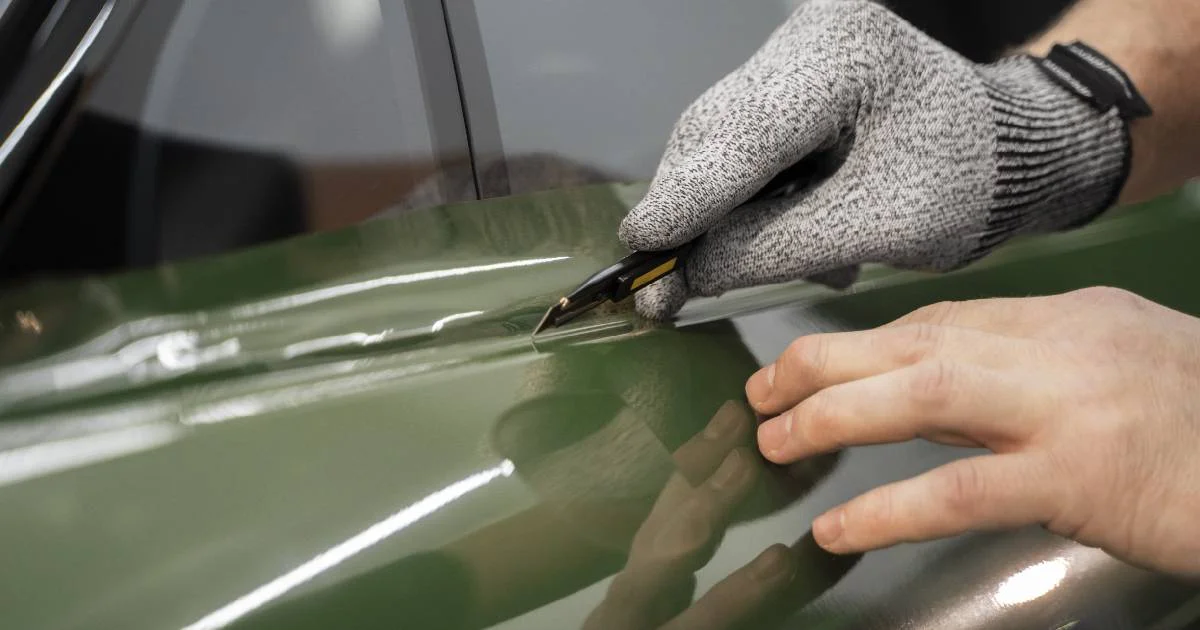
In the world of vehicle customization, car wrapping has become increasingly popular. Whether you're looking to give your car a fresh new look or advertise your business on the go, car wrapping offers a versatile and affordable solution. However, before diving into the world of vinyl wraps, there are several key factors to consider. In this blog post, we'll explore 10 things you should know before car wrapping.

  1. Car Wrapping: Car wrapping involves applying a vinyl film to the exterior of a vehicle. This film can come in a variety of colors, finishes, and textures, allowing for endless customization options.
  2. Temporary Transformation: Unlike paint, car wraps are not permanent. They can be easily removed without damaging the vehicle's paint underneath. This makes car wrapping an ideal option for those who like to change up their car's appearance frequently.
  3. Cost Considerations: While car wrapping is generally more affordable than a custom paint job, it's still an investment. The cost can vary depending on the size of the vehicle, the complexity of the design, and the quality of the vinyl used.
  4. Quality Matters: Opting for high-quality vinyl and professional installation is crucial for a long-lasting and visually appealing wrap. Cheaper materials may fade or peel over time, detracting from the overall look of your vehicle.
  5. Surface Preparation: Proper surface preparation is essential for a successful car wrap. The vehicle's exterior must be thoroughly cleaned and free of any dirt, wax, or debris that could affect adhesion.
  6. Durability and Maintenance: A well-installed vinyl wrap can last several years with proper care. However, it's essential to follow manufacturer recommendations for maintenance, which may include avoiding harsh chemicals and abrasive cleaning methods.
  7. Design Considerations: When designing your car wrap, consider factors such as visibility, readability (for advertising wraps), and overall aesthetic appeal. Work closely with your designer to ensure your vision is accurately translated onto the vehicle.
  8. Legalities and Regulations: Before applying a car wrap, familiarize yourself with local laws and regulations regarding vehicle modifications. Certain colors or designs may be restricted, especially for commercial vehicles.
  9. DIY vs. Professional Installation: While DIY car wrapping kits are available, professional installation is often recommended for the best results. Professional installers have the experience and expertise to ensure a seamless finish and minimize the risk of errors.
  10. Removal Process: When the time comes to remove your car wrap, it's essential to do so carefully to avoid damaging the underlying paint. Professional removal services can help simplify this process and ensure a smooth transition back to the vehicle's original appearance.

In conclusion, car wrapping offers a convenient and customizable way to transform your vehicle's appearance. By understanding these key considerations before diving into a car wrapping project, you can ensure a successful outcome that enhances the look and value of your vehicle. Whether you're looking to make a statement on the road or promote your business, a professionally installed car wrap can help you achieve your goals with style and versatility.

Why Tinting your car's windows can prove to be a boon for your leather upholstery?

One-Way Mirror Film Window Tinting: Window Film to See Out But Not In

27 May 2024, By Admin

If you're seeking privacy while still enjoying an unobstructed view, one-way mirror film window tinting is a fantastic solution. This unique window treatment, often called one-way mirror glass film or simply one-way mirror film, allows you to see out clearly during the day while preventing others from seeing inside. In this blog, we’ll explore how this film works, its benefits, and considerations for using it.

How Does One-Way Mirror Film Work?

One-way mirror glass film works on the principle of light reflection. During the day, the side with more light (typically the outside) reflects light back, creating a mirrored effect. This prevents people from seeing inside while still allowing those inside to see out. The film does not block visibility entirely but gives the appearance of a mirror from the outside.

At night, however, this effect diminishes. If the lights inside are brighter than outside, the film will not prevent people from looking in. Therefore, additional privacy measures, like blinds or curtains, are often used in the evening.

Benefits of One-Way Mirror Film

  1. Enhanced Privacy:
    The primary advantage of a one-way mirror film is privacy. Whether you’re at home, in an office, or operating a business, this film keeps your interior spaces hidden from the outside world while still offering a clear view of the outdoors. It’s ideal for those who live or work in busy, high-traffic areas.

  2. Improved Energy Efficiency:
    One-way mirror film can also help improve energy efficiency. By reflecting sunlight, it reduces heat buildup in your space, meaning less reliance on air conditioning during the summer months. This can lead to noticeable savings on your energy bill.

  3. UV Protection:
    Along with reflecting light, many one-way mirror films offer UV protection. This reduces the amount of harmful ultraviolet rays entering your home or office, protecting furniture, flooring, and even your skin from sun damage.

  4. Aesthetic Appeal:
    The mirrored appearance of the film provides a modern, sleek look to your windows. It's often used in commercial buildings for this reason, as it adds a professional and polished appearance to the exterior.

Applications of One-Way Mirror Film

One-way mirror glass film can be used in various settings:

  • Homes: It’s perfect for residential spaces where you want to maintain privacy without sacrificing views, such as living rooms, kitchens, or home offices.
  • Offices: Businesses often use one-way mirror film for conference rooms or executive offices to protect confidentiality while maintaining a visually open environment.
  • Retail Stores: For storefronts, this film prevents people from seeing inside during the day but allows staff to observe the outside area freely.
  • Public Buildings: Schools, hospitals, and other institutions often use one-way film to enhance security and maintain privacy without creating a closed-off feeling.

Considerations Before Installing One-Way Mirror Film

While one-way mirror film offers many benefits, there are some things to keep in mind:

  • Daytime vs. Nighttime Privacy: Remember that the one-way effect only works when the light is brighter outside than inside. If you need 24-hour privacy, you may need to combine the film with other solutions, such as blinds or shades.
  • Exterior Reflection: The mirrored exterior can reflect sunlight quite strongly. In some environments, this might cause glare, so it’s important to choose a film that balances reflection with practicality.
  • Installation: Professional installation is recommended for one-way mirror film to ensure a smooth, bubble-free finish. Proper installation maximizes both the aesthetic appeal and functional benefits of the film.

One-way mirror film window tinting is a versatile and stylish solution for privacy, energy efficiency, and UV protection. Whether you’re looking to enhance the security of your home, office, or commercial space, this type of window tint allows you to enjoy the best of both worlds—clear views and privacy from those outside.

By choosing high-quality one-way mirror glass film, you can transform your windows into a powerful tool for managing light, temperature, and privacy, all while maintaining a sleek, modern appearance.

One-Way Mirror Film

While one-way mirror privacy window film isn't permitted in New Zealand, our Octane range of darkest legal tints offers a perfect solution. You can achieve that mirror-like appearance without risking fines or driving a non-compliant vehicle. With rich, deep blacks, our darkest legal tint delivers a striking look and enhanced privacy.

Ultimate Privacy, Day and Night—One-Way Mirror Window Film

Our Octane window tint is a top choice for many, offering a range of benefits:

  • Exceptional Heat and Glare Reduction: Enjoy a cooler and more comfortable ride with superior heat and glare control, even on long journeys.
  • Outstanding UV Protection: With up to 99% UV rejection, you and your family are shielded from harmful UV rays.
  • Two Color Options: Choose from two dark shades to achieve the perfect one-way mirror effect you desire.
  • Lifetime Nationwide Warranty: Benefit from peace of mind with our lifetime warranty, ensuring coverage across the country.

One-Way Window Film: See Out But Not In

One-way window film offers the perfect blend of daytime privacy while maintaining natural light in your home. Here’s why our "see out but not in" privacy window film is a great choice and the benefits it brings:

Tint a Home is New Zealand’s most trusted window tinting network, with over 50 years of experience. We provide a lifetime nationwide warranty for residential applications and offer interest-free payment plans (over 3, 6, 9, or 12 months) through Openpay.

Benefits of One-Way Window Film:

  • Enhanced Privacy: Enjoy privacy without sacrificing natural light, allowing you to maintain your view while obscuring the view into your home.
  • Temperature Control: Many privacy films help keep your home cooler in summer and warmer in winter, improving comfort and potentially lowering your energy bills.
  • UV Protection: Protect your family and your home’s furnishings from harmful UV rays, reducing fading and sun damage.

Whether you need privacy in a street-facing lounge, a window overlooking your neighbors, or even your bathroom, our "see out but not in" window film is an excellent solution.

Book Now

See More

Why Tinting your car's windows can prove to be a boon for your leather upholstery?

How to Maintain and Care for Tinted Office Windows

27 May 2024, By Admin

Office window tinting is a fantastic way to enhance the comfort and aesthetic of your workspace. Not only does it provide privacy and reduce glare, but it also helps in energy conservation by blocking harmful UV rays and controlling heat. However, to keep your tinted windows looking great and functioning effectively, proper maintenance and care are essential. Here’s a comprehensive guide on how to maintain and care for your tinted office windows.

Understanding Office Window Tinting

Before diving into maintenance tips, it’s important to understand what office window tinting involves. Window tints are thin films applied to the interior or exterior of glass surfaces. These films are designed to block UV rays, reduce heat and glare, and offer privacy without compromising natural light. High-quality window tints can last for many years, but their longevity largely depends on how well they are maintained.

Immediate Care Post-Installation

Allow Proper Curing Time

After installation, window tinting requires time to cure. This process can take anywhere from a few days to a few weeks, depending on the type of tint and the weather conditions. During this period:

  • Avoid cleaning the windows.
  • Do not roll down tinted windows (if applicable) to prevent peeling or damage.
  • Expect minor haziness or small water bubbles, which will disappear as the film dries and adheres completely to the glass.

Regular Cleaning Tips

Use Gentle Cleaning Solutions

When it’s time to clean your tinted windows, opt for a mild, non-abrasive cleaning solution. A simple mix of water and a small amount of dish soap works well. Avoid ammonia-based cleaners as they can degrade the tint film over time.

Soft Clothes and Tools

Use a soft microfiber cloth or a rubber squeegee for cleaning. These materials are gentle on the tint film and help avoid scratches. Always dampen the cloth slightly before wiping the windows to prevent dry rubbing.

Gentle Cleaning Technique

  • Spray the Solution: Lightly spray the cleaning solution onto the window surface.
  • Wipe Gently: Using a soft cloth, gently wipe the window in a circular motion to remove dirt and smudges.
  • Dry with Care: Use a dry microfiber cloth to gently pat the window dry, avoiding any streaks.

Preventing Damage

  • Avoid Sharp Objects: Keep sharp objects away from tinted windows to prevent accidental scratches or tears. Office equipment, badges, or pens can cause damage if they come into direct contact with the window film.
  • Temperature Considerations: Extreme temperatures can affect the adhesive properties of window tints. Avoid exposing tinted windows to excessive heat or cold. Ensure that window coverings or shades are used to moderate the temperature around the tinted windows.
  • Regular Inspections: Periodically inspect your tinted windows for signs of wear and tear. Look for peeling, bubbling, or scratches. Early detection of damage can help in taking timely corrective actions, such as reapplying the tint film if necessary.

Professional Maintenance

  • Regular Professional Cleaning: Consider scheduling regular professional cleaning services for your office windows. Professionals have the right tools and expertise to clean tinted windows without causing damage, ensuring they remain in optimal condition.
  • Tint Reapplication: Over time, even the best-maintained tints may need reapplication. Depending on the quality of the tint and environmental factors, window tints can last between 5 to 15 years. Professional reapplication ensures that your office windows continue to provide the benefits of tinting.

Conclusion

Maintaining and caring for tinted office windows is not a daunting task if you follow the right steps. By using gentle cleaning methods, preventing damage, and scheduling professional maintenance, you can ensure that your office window tinting remains effective and aesthetically pleasing for many years. Remember, well-maintained tinted windows not only enhance the look of your office but also contribute to a more comfortable and energy-efficient workspace.

See More

Why Tinting your car's windows can prove to be a boon for your leather upholstery?

Car Wrapping - Factors that affects, Types, Cost and Benefits!

27 May 2024, By Admin

Car wrapping has become a popular choice for those looking to personalize their vehicle without committing to a permanent paint job. Whether you want to protect your car's original paint, advertise a business, or simply give it a new look, a car wrap is a versatile solution. However, understanding the various aspects, including car wrap cost, is crucial before making a decision. This blog will delve into the factors affecting car wrapping, different types of wraps, the associated costs, and the benefits they bring.

What is Car Wrapping?

Car wrapping involves applying a thin, adhesive vinyl film to the exterior of a vehicle. This film can be of any color or pattern and is customizable to match the car owner's preferences. The wrap is applied by professionals and can cover the entire vehicle or just specific parts, such as the hood, roof, or side mirrors.

Factors That Affect Car Wrapping

Several factors determine the car wrap cost and the overall quality of the wrap:

  1. Type of Vinyl: The material used for the wrap can significantly impact the price. Premium vinyl wraps like those from 3M, Avery Dennison, or Oracal are more durable and offer better finishes but come at a higher cost. Lower-cost vinyl is available but may not last as long or look as polished.
  2. Size of the Vehicle: Larger vehicles, such as trucks or SUVs, require more vinyl material, leading to a higher car wrap cost. In contrast, smaller cars like sedans or hatchbacks require less material, making the wrapping process quicker and more affordable.
  3. Complexity of the Design: Custom designs, intricate patterns, or multiple colors can drive up the car wrap cost. A simple single-color wrap will generally be cheaper than a design that includes logos, gradients, or detailed graphics.
  4. Surface Condition: The condition of the car's surface affects both the wrapping process and cost. If the vehicle has dents, scratches, or peeling paint, it might require additional prep work before applying the wrap. This can increase the overall price.
  5. Quality of Installation: The expertise of the installer also plays a role in the final outcome. Professional wrap shops often charge more, but they guarantee a seamless application that can last longer without peeling or bubbling. Choosing a reputable installer can help avoid future issues.

Types of Car Wraps

Understanding the different types of car wraps is important when deciding what suits your needs and budget:

  1. Gloss Wraps: Gloss wraps mimic the finish of a standard car paint job, giving your vehicle a shiny, polished look. These are popular for those looking to maintain a classic appearance while changing the color of their vehicle.
  2. Matte Wraps: Matte wraps provide a smooth, non-reflective surface that can give your car a modern and sleek look. They are favored by car enthusiasts who want a unique, sophisticated finish.
  3. Satin Wraps: Satin wraps fall between gloss and matte finishes, offering a subtle sheen without being overly reflective. This type is perfect for those looking for a more understated style.
  4. Textured Wraps: Carbon fiber, brushed metal, and chrome wraps are considered textured wraps. They add a unique and dynamic look to specific areas of a vehicle, like the hood or roof. These wraps are often more expensive due to their specialized material.
  5. Custom Printed Wraps: Custom wraps allow car owners to create unique designs, logos, or images. They are often used for advertising or branding purposes, making vehicles stand out in traffic. The car wrap cost for custom prints can be higher due to the design process and specialized printing.

Car Wrap Cost: How Much Should You Expect to Pay?

The car wrap cost varies depending on the factors mentioned above. Here’s a general breakdown:

  • Partial Wraps: Wrapping only parts of the vehicle (like the hood, roof, or mirrors) can range from $200 to $1000. This is a good option if you want to change just a portion of your car's appearance or advertise a logo.
  • Full Wraps: A complete wrap that covers the entire vehicle can cost anywhere between $2000 to $6000. For luxury vehicles or more complex designs, the price may go even higher. High-
  • Quality Custom Wraps: Custom designs or specialty wraps like chrome or carbon fiber may range from $5000 to $10,000 or more. These are ideal for businesses looking to create a rolling advertisement or for car enthusiasts aiming for a one-of-a-kind look.

While the initial investment may seem high, the benefits of car wrapping often outweigh the costs, especially when compared to a custom paint job that can cost anywhere from $3000 to $20,000.

Benefits of Car Wrapping

  1. Cost-Effective Customization: Unlike custom paint jobs, wraps offer a more affordable way to achieve a new look for your car. You can switch up styles without the need for permanent changes, making it ideal for those who like to refresh their vehicle’s appearance periodically.
  2. Paint Protection: A vinyl wrap acts as a protective layer against UV rays, scratches, and minor abrasions. This helps maintain the car's original paint and protects its resale value. When it’s time to sell, you can remove the wrap, revealing the preserved paint underneath.
  3. Versatility: With an endless array of colors, patterns, and finishes available, car wraps offer unmatched versatility. From changing your vehicle’s color to applying a company logo for branding purposes, the possibilities are limitless.
  4. Easy Maintenance: Vinyl wraps are easier to clean than paint. A simple wash with soap and water will keep the wrap looking fresh. Unlike traditional paint, you don’t need to worry about polishing or waxing.
  5. Reversibility: One of the biggest advantages of car wraps is that they are reversible. If you want to revert to your vehicle’s original color or change the design, you can simply remove the wrap without any damage to the paint beneath.

Car wrapping is an excellent way to change your vehicle’s appearance without the long-term commitment and expense of a new paint job. Understanding the factors that affect car wrap cost, the types of wraps available, and the benefits they offer can help you make an informed decision. Whether you want to protect your car's original paint, advertise your business, or just express your personality through a custom design, car wraps provide a flexible and creative solution.

If you're considering a wrap for your vehicle, consult with a reputable installer to get an accurate estimate and explore your options. While the initial car wrap cost may seem like a significant investment, the long-term benefits and the potential to transform your vehicle make it a worthwhile choice.

Book Now

See More

Feedback
   Feedback    Call Now