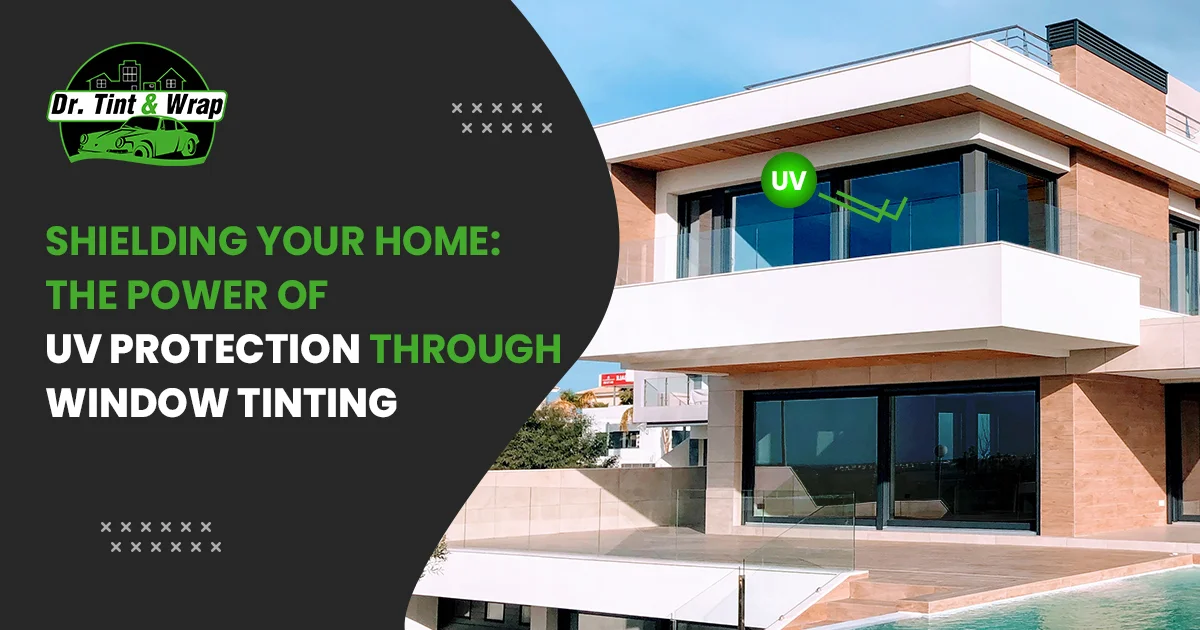

In the pursuit of creating a cozy and inviting home, we often invest in exquisite furniture, delicate fabrics, and beautiful artwork. However, while we bask in the warmth of sunlight filtering through our windows, we might unknowingly subject our prized possessions to potential harm. Ultraviolet (UV) rays, invisible but potent, can cause irreparable damage to our furniture, flooring, and other cherished items. Fortunately, there's a simple yet effective solution – window tinting. In this blog, we'll explore the significance of UV protection through window tinting and how it preserves the integrity of your home.
UV rays, a component of natural sunlight, are notorious for their ability to fade and deteriorate materials over time. Wood, fabric, leather, and even artwork are vulnerable to the harmful effects of prolonged exposure. Traditional windows offer little defense, allowing these rays to penetrate and wreak havoc on your interiors. This is where window tinting steps in as a guardian, forming an invisible shield against these damaging rays.
A Brighter, Safer Tomorrow In the battle against the invisible menace of UV rays, window tinting emerges as a reliable ally. By investing in quality window films, you not only protect your furniture, flooring, and cherished possessions but also create a more energy-efficient, secure, and private home. Embrace the transformative power of window tinting, and let your home shine brightly while staying shielded from harm. Remember, a small step today can lead to a brighter, safer tomorrow for your home and everything within it.
You’re cruising down a long, smooth highway, taking in the scenic beauty all around you. Suddenly, a sleek black sedan zooms by, catching your eye with its dark, mysterious window tints. The striking contrast between the deep black glass and the shining car body leaves you a bit envious—there’s something undeniably captivating about those dark tints.
Let’s be honest: dark tints give any car a bold, impressive look. Beyond their aesthetic appeal, they also offer practical benefits like protecting passengers from the sun and keeping the interior cool. However, it’s important to remember that there are specific regulations in New Zealand regarding the use of dark tints on vehicles, enforced by the New Zealand Transport Agency and the Ministry of Transport. These regulations must be followed to ensure your car stays road legal.
In this guide, we’ll cover everything you need to know about shaded car window tints, including the legal requirements in New Zealand. We’ll also show you how to have these dark tints installed on your car, legally and expertly.
At AutoExpert.co.nz, we are specialists in shaded car window tinting with over 8 years of experience. When it comes to ensuring that your car’s tints are both stylish and compliant with legal standards, AutoExpert is the name you can trust.
To achieve the best and darkest legal tint for your vehicle, visit our studio. Our experts will guide you through the process, helping you choose the perfect tint to transform your car.
Curious about what makes AutoExpert stand out? Learn more about us here, where you'll also find our contact details and location.
Now, let’s dive into the rules and regulations surrounding window tinting in New Zealand and find out what the darkest legal tint is.
Dark tints can make a vehicle look sleek and imposing, but there are good reasons for the legal restrictions on their use.
One of the main concerns is visibility. Once windows are heavily tinted, the interior of the vehicle becomes obscured, which could be exploited by individuals with ill intent, making it difficult for law enforcement to see inside the vehicle.
To prevent such issues, New Zealand has established clear rules for the use of dark tints.
These regulations don’t just apply to windows; there are also restrictions on tinting headlights. According to the New Zealand Transport Agency, it’s illegal to apply tint to headlights or lamps, except for decorative purposes.
The darkness of shaded car window tints is measured by Visual Light Transmittance (VLT).
VLT refers to the amount of light that can pass through the tinted windows. A higher VLT percentage means more light passes through, indicating a lighter tint, while a lower VLT percentage means less light passes through, indicating a darker tint.
To better understand the legal requirements, let’s take a closer look at the classification of passenger vehicles.
The New Zealand Transport Authority categorizes vehicles based on factors like size, power, and seating capacity.
Other classifications include MD (light omnibus), ME (heavy omnibus), goods vehicles, and trailers, each with further sub-categories based on weight, capacity, and usage.
The most accurate way to check if your window tint complies with NZ laws is by using a calibrated VLT meter, available at our studio. This device measures the exact VLT of the tint, ensuring it fully complies with the regulations set by the New Zealand Transport Agency and the Ministry of Transport.
We also recommend placing a sticker on the windshield that indicates the VLT level of the installed tints, which can help speed up inspections. While not mandatory, this sticker can make the process smoother.
For a more detailed understanding of legal tinting regulations, you can visit the Ministry of Transport’s website: Land Transport Rule: Glazing, Windscreen Wipe and Wash, and Mirrors Rule 1999.
Dark tints on car windows are not only stylish but also provide privacy and protection from the sun. However, they can also be misused, which is why strict regulations are in place.
At Dr. Tint, we have experience in installing top-quality dark tints that are both stylish and fully compliant with all legal requirements.
Consult with us today and give your car the perfect makeover with our expert tinting services!
Book Now
When it comes to enhancing the comfort and functionality of your home, window tinting is a solution that often goes unnoticed. In New Zealand, where climate variations are common, the benefits of home window tinting extend far beyond aesthetic appeal. In this article, we'll explore how home window tinting can significantly reduce your energy bills and lead to long-term cost savings, making it a smart investment for homeowners across the country.
New Zealand experiences a range of weather conditions throughout the year, from scorching summers to chilly winters. During these extremes, the energy used to regulate indoor temperatures can skyrocket. This is where window tinting comes into play.
1. Heat Reduction: One of the primary benefits of window tinting is its ability to reduce heat gain. Tinted windows block a significant portion of the sun's heat and harmful UV rays from entering your home. As a result, your indoor spaces remain cooler during hot summer months, reducing the need for air conditioning.
2. Insulation: Window tinting also provides insulation benefits, helping to maintain a consistent indoor temperature. In winter, it helps to keep warmth inside, reducing the need for excessive heating.
Now, let's delve into how these energy-efficient qualities translate into tangible cost savings for homeowners in New Zealand.
1. Lower Energy Bills: By reducing heat gain during the summer and heat loss during the winter, window tinting significantly reduces your reliance on heating and cooling systems. As a result, you'll see a noticeable drop in your energy bills year-round.
2. Extended Appliance Lifespan: Reduced reliance on air conditioners and heaters not only saves you money on electricity but also extends the lifespan of these appliances. They don't have to work as hard, which means fewer repairs and replacements.
3. Furniture and Flooring Preservation: Window tinting also blocks harmful UV rays that can cause fading and damage to your furniture, flooring, and décor. This means you won't have to spend as much on replacing or refurbishing these items.
4. Enhanced Home Value: A home with energy-efficient features like window tinting can command a higher resale value in the New Zealand real estate market. Potential buyers are often willing to pay more for a home with reduced energy costs.
In New Zealand, where energy efficiency and sustainability are becoming increasingly important, home window tinting stands out as a practical investment for homeowners. By reducing energy bills, extending the lifespan of appliances, preserving your interior, and enhancing your home's value, window tinting offers numerous long-term cost-saving benefits.
So, if you're looking to make your New Zealand home more energy-efficient and cost-effective, consider investing in professional window tinting services. Not only will you enjoy a more comfortable living space, but you'll also contribute to a greener and more sustainable future while saving money in the process.
Windows are the eyes of your home, providing natural light, ventilation, and a connection to the outside world. However, they can also be a source of problems, such as excessive heat, glare, and harmful UV rays. Window tinting offers a practical solution to these issues, but selecting the right window tint can be a daunting task. In this guide, we'll walk you through the process of choosing the appropriate window tint for your home based on your specific needs, climate, and window types.
1. Assess Your Needs:
Before diving into the world of window tinting, it's crucial to assess your specific requirements. Consider the following factors:
2. Understand Different Types of Window Tints:
There are various types of window tints available, each designed to address specific issues:
3. Consider Your Climate:
The climate of your region plays a significant role in choosing the right window tint:
4. Think About Window Types:
Different window types require different tinting solutions:
5. Seek Professional Advice:
While there are DIY tinting kits available, consulting with a professional window tinting service is invaluable. They can assess your specific needs, recommend suitable products, and ensure proper installation, maximizing the tints' effectiveness and longevity.
6. Read Reviews and Get Samples:
Research online reviews and testimonials to learn about other homeowners' experiences with specific window tints. Additionally, request samples from manufacturers or service providers to physically see how different tints look and perform in your home environment.
7. Maintenance and Warranty:
Consider the maintenance requirements and warranty offered with the window tint. Some tints may require special cleaning methods to preserve their effectiveness, while others come with comprehensive warranties, ensuring long-term satisfaction.
In conclusion, choosing the right window tint for your home involves careful consideration of your specific needs, the climate you live in, and the types of windows you have. By understanding these factors and seeking professional guidance, you can enhance your home's comfort, energy efficiency, and overall aesthetics, making an informed choice that you'll appreciate for years to come.