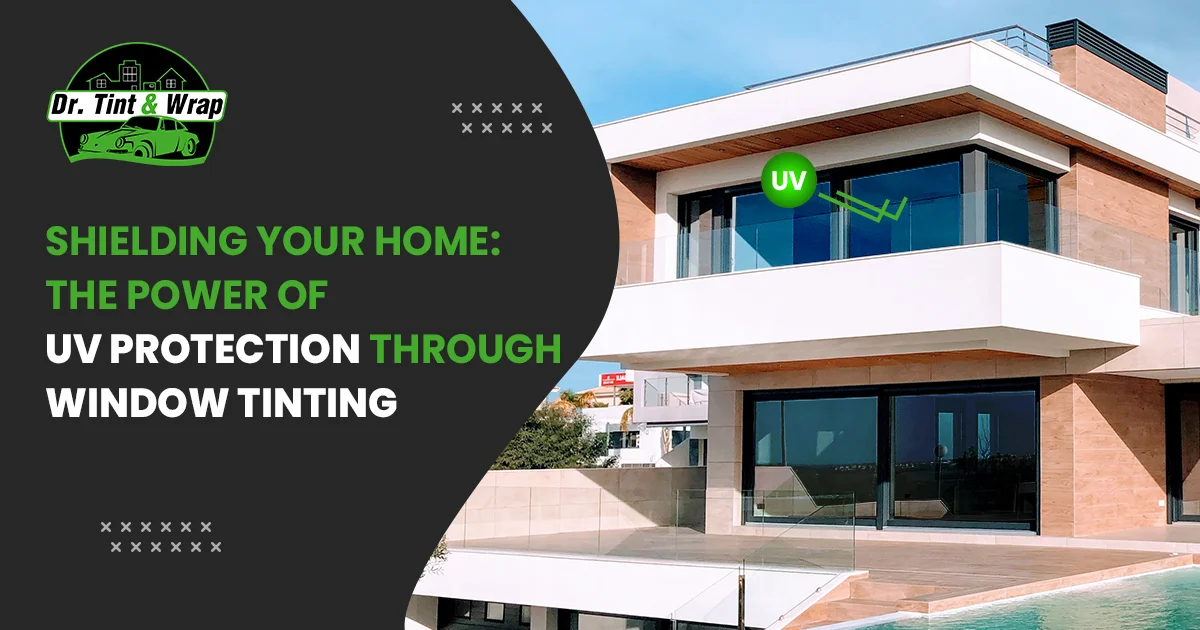
In the pursuit of creating a cozy and inviting home, we often invest in exquisite furniture, delicate fabrics, and beautiful artwork. However, while we bask in the warmth of sunlight filtering through our windows, we might unknowingly subject our prized possessions to potential harm. Ultraviolet (UV) rays, invisible but potent, can cause irreparable damage to our furniture, flooring, and other cherished items. Fortunately, there's a simple yet effective solution – window tinting. In this blog, we'll explore the significance of UV protection through window tinting and how it preserves the integrity of your home.
UV rays, a component of natural sunlight, are notorious for their ability to fade and deteriorate materials over time. Wood, fabric, leather, and even artwork are vulnerable to the harmful effects of prolonged exposure. Traditional windows offer little defense, allowing these rays to penetrate and wreak havoc on your interiors. This is where window tinting steps in as a guardian, forming an invisible shield against these damaging rays.
A Brighter, Safer Tomorrow In the battle against the invisible menace of UV rays, window tinting emerges as a reliable ally. By investing in quality window films, you not only protect your furniture, flooring, and cherished possessions but also create a more energy-efficient, secure, and private home. Embrace the transformative power of window tinting, and let your home shine brightly while staying shielded from harm. Remember, a small step today can lead to a brighter, safer tomorrow for your home and everything within it.
When it comes to keeping your car looking brand new, one term that frequently pops up is ceramic coating. This innovative product has gained popularity among car enthusiasts for its ability to protect and enhance the appearance of your vehicle. But before you dive into the world of ceramic coatings, it's important to understand what you're investing in. Here's a comprehensive guide to help you make an informed decision.
Ceramic coating is a liquid polymer that is applied to the exterior of a vehicle. When cured, it chemically bonds with the factory paint, creating a layer of protection. This coating is often made from silicon dioxide (SiO2) and sometimes incorporates other compounds like titanium dioxide (TiO2) to enhance its protective properties.
Ceramic coating can be a great investment for those looking to protect their vehicle and maintain its showroom shine. However, it’s crucial to weigh the costs, understand the application process, and have realistic expectations about what the coating can and cannot do. Whether you choose a DIY kit or go for a professional application, proper maintenance is key to getting the most out of your ceramic coating. Do your research, and your car will thank you for it.
Investing in a ceramic coating can save you time and money in the long run while keeping your car looking its best. Happy driving!
Windows are the eyes of your home, providing natural light, ventilation, and a connection to the outside world. However, they can also be a source of problems, such as excessive heat, glare, and harmful UV rays. Window tinting offers a practical solution to these issues, but selecting the right window tint can be a daunting task. In this guide, we'll walk you through the process of choosing the appropriate window tint for your home based on your specific needs, climate, and window types.
1. Assess Your Needs:
Before diving into the world of window tinting, it's crucial to assess your specific requirements. Consider the following factors:
2. Understand Different Types of Window Tints:
There are various types of window tints available, each designed to address specific issues:
3. Consider Your Climate:
The climate of your region plays a significant role in choosing the right window tint:
4. Think About Window Types:
Different window types require different tinting solutions:
5. Seek Professional Advice:
While there are DIY tinting kits available, consulting with a professional window tinting service is invaluable. They can assess your specific needs, recommend suitable products, and ensure proper installation, maximizing the tints' effectiveness and longevity.
6. Read Reviews and Get Samples:
Research online reviews and testimonials to learn about other homeowners' experiences with specific window tints. Additionally, request samples from manufacturers or service providers to physically see how different tints look and perform in your home environment.
7. Maintenance and Warranty:
Consider the maintenance requirements and warranty offered with the window tint. Some tints may require special cleaning methods to preserve their effectiveness, while others come with comprehensive warranties, ensuring long-term satisfaction.
In conclusion, choosing the right window tint for your home involves careful consideration of your specific needs, the climate you live in, and the types of windows you have. By understanding these factors and seeking professional guidance, you can enhance your home's comfort, energy efficiency, and overall aesthetics, making an informed choice that you'll appreciate for years to come.
Considering giving your car a fresh look? Wrapping cars might be the solution you're seeking. With a plethora of colors and designs to choose from, and the option to customize your own, personalizing your car has never been more convenient. However, before you invest your money - and potentially your time, especially if you're inclined to try it yourself - let's delve into the advantages and disadvantages of wrapping cars.
The choice of materials and the application technique you adopt play crucial roles in determining the final outcome of your car wrap. To provide you with a comprehensive understanding, we, along with insights from our Chips Away technicians, aim to outline all the positive and negative aspects associated with wrapping cars.
Now a well-wrapped car can fool most onlookers
You receive the quality commensurate with your investment.
Not all wraps are made equal," emphasizes Steve Perkins, a ChipsAway specialist covering the Hartlepool area. If you're contemplating wrapping your car on a budget, it's crucial to recognize that the quality of the wrap correlates directly with the cost. Opting for a do-it-yourself approach with a cheap wrap might seem like a cost-saving strategy, but it often results in a less satisfactory finish compared to trade wraps or those known for their superior quality.
Steve, who describes himself as a novice in the wrapping realm, points out that "[a] trade quality product is often quite amenable to self-healing." This implies that with gentle heat, minor scratches, and even holes can "melt" away, allowing the wrap to "self-heal." This advantageous feature is not always present in lower-quality products, underscoring the importance of considering the potential drawbacks when contemplating a home kit instead of seeking professional expertise.