• info@drtint.co.nz
  •  ( Mon-Sat ) 8:00AM - 6:00PM ( Sunday Closed )
car-window-tinting-tauranga--benefits-of-car-window-tinting.webp

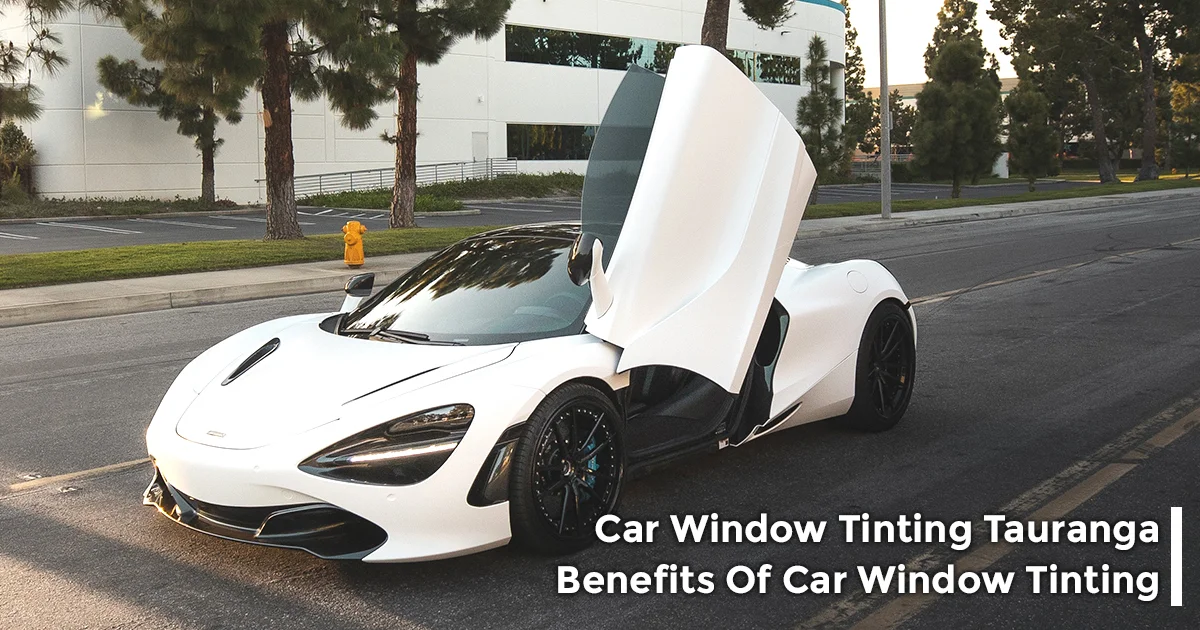
Car Window Tinting Tauranga Benefits of Car Window Tinting

27 Mar 2023, By Admin

Window Tinting is becoming increasingly popular in Tauranga. Today more and more car owners are realizing the benefits of having their car windows tinted. Let's see some advantages of car window tinting in Tauranga, and why it's a great investment for any car owner in Tauranga.

The most significant benefit of car window tinting is that it reduces the amount of heat that enters the car. Overall all of New Zealand experiences extremely hot temperatures during the summer months, which can make it uncomfortable for Dr. drivers and passengers. Car window tinting in Tauranga can significantly reduce the heat that enters the car, making it a more comfortable and cool place to be, especially during the hottest parts of the day. This can also help to reduce the load on your car's air conditioning system, which can save you money on fuel costs.

Another advantage of car window tinting in Tauranga is that it reduces the amount of harmful UV and IR rays that enter the car. The sun's UV and IR rays can be harmful to both the car's interior and to the occupants. They can cause the car's interior to fade or crack, and can also cause skin damage or even skin cancer. Car window tinting can block up to 99% of UV and IR rays, which can provide significant protection for both the car and its occupants.

Car window tinting can also improve the privacy and security of your vehicle. Tinted windows make it more difficult for people to see inside your car, which can be useful if you often leave valuable items inside and goes out. Car window tinting can also make it more difficult for thieves to break into your car, as it makes it harder for them to see what's inside.

Car window tinting can enhance the overall appearance of your car. Tinted windows give a stylish look to any vehicle, and can make it stand out from the crowd. Tinting can also add a layer of sophistication to your car's appearance, making it look more luxurious and professional.

In Tauranga, many companies offer car window tinting services. Dr. Tint & Wrap Tauranga is a reputable company with experience in the field. Dr. Tint & Wrap uses high-quality window film and offers a warranty on its work. This will ensure that your car window tinting is of the highest quality and that it will last for many years to come..

In conclusion, car window tinting is a great investment for any car owner in Tauranga. It can reduce the amount of heat and UV rays that enter the car, improve privacy and security, and enhance the overall appearance of the vehicle. If you're considering car window tinting in Tauranga, be sure to choose a reputable company that uses high-quality window film, and that offers a warranty on their work.

Why Tinting your car's windows can prove to be a boon for your leather upholstery?

What is the cost of wrapping a car?

27 Mar 2023, By Admin

What is the Cost of Wrapping a Car?

Car wrapping has become an increasingly popular way for vehicle owners to change the appearance of their cars without the permanence of a paint job. But what exactly goes into the cost of car wrapping? In this blog, we'll dive into the factors that influence the price of car wrapping, helping you understand what to expect if you decide to give your car a fresh new look.

Understanding Car Wrapping

Car wrapping involves applying a vinyl film over the surface of your vehicle. This process allows for a variety of finishes, including matte, gloss, satin, and even custom designs. Unlike traditional paint, a car wrap can be removed without damaging the original paint, making it a versatile and reversible modification.

Factors Affecting the Cost of Car Wrapping

The cost of car wrapping can vary significantly based on several factors. Here are the key elements that influence the overall price:

  1. Vehicle Size and Type
    The size and type of your vehicle are primary determinants of the wrapping cost. Wrapping a small sedan is generally less expensive than wrapping a larger SUV or a luxury sports car. This is because larger vehicles require more vinyl material and more labor hours to cover all the surfaces properly.
  2. Vinyl Quality and Finish
    The quality of the vinyl and the type of finish you choose play a significant role in the cost. High-quality vinyl from reputable brands such as 3M or Avery Dennison can cost more but offers better durability and appearance. The finish also impacts the price; specialty finishes like matte, chrome, or carbon fiber tend to be more expensive than standard gloss or satin finishes.
  3. Design Complexity
    If you opt for a custom design or a wrap with intricate patterns and graphics, the cost will increase. Custom designs require additional time for design, printing, and installation. Simple, single-color wraps are typically more affordable.
  4. Installation Labor
    Labor costs vary based on the installer’s expertise and location. Professional installers with a proven track record may charge more for their services, but they also ensure a higher-quality finish. In metropolitan areas or places with a high cost of living, labor rates may be higher compared to rural areas.
  5. Surface Preparation
    Before applying the vinyl wrap, the car's surface must be thoroughly cleaned and prepped. If your vehicle has scratches, dents, or other imperfections, these need to be addressed, which can add to the overall cost. Some shops include minor prep work in their pricing, while others may charge extra.
  6. Additional Features
    Additional features such as wrapping door jambs, interior trims, or wheels can also increase the cost. These are often considered add-ons and are priced separately.

Average Cost Breakdown

To give you a general idea, here’s a rough estimate of car wrapping costs based on vehicle size and type:

  • Compact Car (e.g., Honda Civic, Ford Focus): $1,500 - $3,000
  • Mid-Size Sedan (e.g., Toyota Camry, BMW 3 Series): $2,000 - $4,000
  • SUV/Truck (e.g., Ford Explorer, Chevrolet Tahoe): $3,000 - $5,000
  • Luxury/Sports Car (e.g., Porsche 911, Tesla Model S): $4,000 - $10,000

These prices can vary depending on the factors mentioned earlier.

Is Car Wrapping Worth the Cost?

Car wrapping offers several advantages that can justify the cost:

  • Customization: You can achieve a unique look that stands out.
  • Protection: Vinyl wraps protect the original paint from minor scratches and UV damage.
  • Reversibility: If you want to revert to your car's original color or change the design, you can simply remove the wrap.
  • Resale Value: Preserving the original paint can help maintain the vehicle’s resale value.

Conclusion

Car wrapping can be a worthwhile investment for those looking to personalize their vehicle or protect its paint. The cost of car wrapping varies based on factors such as vehicle size, vinyl quality, design complexity, labor, surface preparation, and additional features. By understanding these factors, you can make an informed decision and choose a car wrapping service that fits your budget and needs. Whether you’re looking for a bold new look or subtle sophistication, car wrapping offers endless possibilities to transform your vehicle’s appearance.

See More

Why Tinting your car's windows can prove to be a boon for your leather upholstery?

What Is The Darkest Legal Tint In NZ?

27 Mar 2023, By Admin

You’re cruising down a long, smooth highway, taking in the scenic beauty all around you. Suddenly, a sleek black sedan zooms by, catching your eye with its dark, mysterious window tints. The striking contrast between the deep black glass and the shining car body leaves you a bit envious—there’s something undeniably captivating about those dark tints.


Let’s be honest: dark tints give any car a bold, impressive look. Beyond their aesthetic appeal, they also offer practical benefits like protecting passengers from the sun and keeping the interior cool. However, it’s important to remember that there are specific regulations in New Zealand regarding the use of dark tints on vehicles, enforced by the New Zealand Transport Agency and the Ministry of Transport. These regulations must be followed to ensure your car stays road legal.


In this guide, we’ll cover everything you need to know about shaded car window tints, including the legal requirements in New Zealand. We’ll also show you how to have these dark tints installed on your car, legally and expertly.


How to Install the Darkest Legal Tints in NZ

At AutoExpert.co.nz, we are specialists in shaded car window tinting with over 8 years of experience. When it comes to ensuring that your car’s tints are both stylish and compliant with legal standards, AutoExpert is the name you can trust.


To achieve the best and darkest legal tint for your vehicle, visit our studio. Our experts will guide you through the process, helping you choose the perfect tint to transform your car.


Curious about what makes AutoExpert stand out? Learn more about us here, where you'll also find our contact details and location.


Now, let’s dive into the rules and regulations surrounding window tinting in New Zealand and find out what the darkest legal tint is.


Legal Tint NZ: The Reason for Regulations

Dark tints can make a vehicle look sleek and imposing, but there are good reasons for the legal restrictions on their use.


One of the main concerns is visibility. Once windows are heavily tinted, the interior of the vehicle becomes obscured, which could be exploited by individuals with ill intent, making it difficult for law enforcement to see inside the vehicle.


To prevent such issues, New Zealand has established clear rules for the use of dark tints.


These regulations don’t just apply to windows; there are also restrictions on tinting headlights. According to the New Zealand Transport Agency, it’s illegal to apply tint to headlights or lamps, except for decorative purposes.


How Tint Darkness Is Measured

The darkness of shaded car window tints is measured by Visual Light Transmittance (VLT).


VLT refers to the amount of light that can pass through the tinted windows. A higher VLT percentage means more light passes through, indicating a lighter tint, while a lower VLT percentage means less light passes through, indicating a darker tint.


To better understand the legal requirements, let’s take a closer look at the classification of passenger vehicles.


Classification of Passenger Vehicles

The New Zealand Transport Authority categorizes vehicles based on factors like size, power, and seating capacity.


Passenger vehicles are classified into three main categories: MA, MB, and MC.

  • MA (Passenger Car): Vehicles with up to 9 seating positions, including the driver.
  • MB (Forward Control Passenger Vehicle): Vehicles with 9 seating positions and a steering wheel located in the forward quarter of the vehicle’s length.
  • MC (Off-Road Passenger Vehicle): Vehicles designed for off-road use, also with 9 seating positions.


Other classifications include MD (light omnibus), ME (heavy omnibus), goods vehicles, and trailers, each with further sub-categories based on weight, capacity, and usage.


Checking Tint Compliance

The most accurate way to check if your window tint complies with NZ laws is by using a calibrated VLT meter, available at our studio. This device measures the exact VLT of the tint, ensuring it fully complies with the regulations set by the New Zealand Transport Agency and the Ministry of Transport.


We also recommend placing a sticker on the windshield that indicates the VLT level of the installed tints, which can help speed up inspections. While not mandatory, this sticker can make the process smoother.


For a more detailed understanding of legal tinting regulations, you can visit the Ministry of Transport’s website: Land Transport Rule: Glazing, Windscreen Wipe and Wash, and Mirrors Rule 1999.


Dark tints on car windows are not only stylish but also provide privacy and protection from the sun. However, they can also be misused, which is why strict regulations are in place.


At Dr. Tint, we have experience in installing top-quality dark tints that are both stylish and fully compliant with all legal requirements.


Consult with us today and give your car the perfect makeover with our expert tinting services!


Book Now

See More

Why Tinting your car's windows can prove to be a boon for your leather upholstery?

Legal Regulations for Car Window Tinting in New Zealand: A Comprehensive Guide

27 Mar 2023, By Admin

Car window tinting has become a popular choice for vehicle owners in New Zealand, offering benefits such as privacy, UV protection, and heat reduction. However, it’s crucial to understand and adhere to the legal regulations surrounding window tinting to avoid fines and ensure road safety. In this blog post, we will explore the laws regarding window tinting in New Zealand and provide essential tips for staying within legal limits.

Understanding New Zealand's Window Tinting Regulations

1. Light Transmission: According to New Zealand law, the front windscreen must have a minimum of 70% light transmission, while the front side windows (the windows adjacent to the driver and front passenger) must have a minimum of 35% light transmission.

2. Rear Windows: There are no specific regulations regarding the tint darkness for rear windows, but it is recommended to maintain good visibility, especially at night.

3. Reflectivity: Window tints must not be highly reflective to the extent that they impair the driver’s vision or distract other drivers.

4. Tinting Film Quality: The tinting film used must be of high quality and not damaged or discolored, ensuring clear visibility.

Tips for Staying Within Legal Limits

1. Choose Professional Installation: Opt for professional window tinting services. Experienced technicians are aware of the legal limits and can ensure your tinting complies with the regulations.

2. Ask for Legal Tints: When getting your windows tinted, clearly specify to the service provider that you need tints that comply with New Zealand regulations. Reputable providers will use films that meet legal standards.

3. Avoid DIY Tinting Kits: Do not attempt to tint your windows using DIY kits unless you are confident about adhering to legal limits. Incorrect installation can result in darker tints, leading to legal consequences.

4. Regularly Check Tint Condition: Over time, window tints can deteriorate, becoming darker or developing bubbles. Regularly inspect your tints and replace them if they no longer meet the legal standards.

5. Educate Yourself: Familiarize yourself with the local regulations. Understanding the legal limits will help you make informed decisions about your vehicle’s window tinting.

Responsible vehicle ownership includes complying with legal regulations to ensure road safety and avoid legal issues. By adhering to New Zealand’s window tinting laws and following the tips mentioned in this guide, you can enjoy the benefits of window tinting while staying within the boundaries of the law. Remember, when in doubt, consult professionals who can guide you in choosing the right window tints that meet both your needs and legal requirements. Safe driving starts with clear visibility, so let’s tint responsibly and enjoy the many advantages it offers within the legal limits of New Zealand.

See More

Feedback
   Feedback    Call Now