.webp)
What Are The Pros And Cons Of Wrapping A Car?
13 Feb 2024, By AdminConsidering giving your car a fresh look? Wrapping cars might be the solution you're seeking. With a plethora of colors and designs to choose from, and the option to customize your own, personalizing your car has never been more convenient. However, before you invest your money - and potentially your time, especially if you're inclined to try it yourself - let's delve into the advantages and disadvantages of wrapping cars.
The choice of materials and the application technique you adopt play crucial roles in determining the final outcome of your car wrap. To provide you with a comprehensive understanding, we, along with insights from our Chips Away technicians, aim to outline all the positive and negative aspects associated with wrapping cars.
Pro’s Of Car Wraps
Now a well-wrapped car can fool most onlookers
- It's individualized for you As car wraps reach new levels of quality, featuring flawless finishes and customizable designs that match your personality, an increasing number of drivers are choosing this option. Whether opting for a complete vehicle wrap or focusing on specific elements like the wheels, this personalized approach provides the flexibility to own a truly unique car. It's important to note that not all wraps involve bold and vibrant colors; vinyl wraps come in a wide range, enabling you to switch colors regularly without the long-lasting commitment of a traditional respray.
- Protect your Paint An excellent motive for opting for a car wrap is to safeguard your vehicle's paintwork. The vinyl wrap serves as a protective shield, shielding against minor chips and dings caused by stones and other road hazards. If you intend to maintain the vehicle in its pristine condition for a potential resale, safeguarding the paint ensures the retention of its resale value and eliminates the need for minor scratch repairs. For a more understated appearance, Oliver Edwards, our ChipsAway specialist in Totton and Hythe, recommends a 'clear protection system.' When applied to the front of your cherished vehicle, this system prevents stone chips while allowing the original color to shine through
- Cost-effective Colour Instead of investing in an entire repaint, opting for a car wrap provides an affordable way to experiment with different colors. The cost of a vinyl wrap may fluctuate, particularly when seeking professional services at a body shop, but it remains a more economical alternative. This option not only offers flexibility in terms of style and design but also allows you to control the duration for which you keep the wrap.
- It can be removed Should you opt for a change in your vehicle's appearance within the next six months to a year, you have the flexibility to easily remove your existing car wrap. It's important to note that when we say "simply," we mean it in a figurative sense, as the process of removing a car wrap is deliberate and gradual to safeguard the integrity of your vehicle. Consider employing techniques such as using a heat gun, adopting a slow peel method, and steering clear of abrasive solutions when undertaking the removal of a vinyl wrap.
Con’s of Car Wraps
You receive the quality commensurate with your investment.
Not all wraps are made equal," emphasizes Steve Perkins, a ChipsAway specialist covering the Hartlepool area. If you're contemplating wrapping your car on a budget, it's crucial to recognize that the quality of the wrap correlates directly with the cost. Opting for a do-it-yourself approach with a cheap wrap might seem like a cost-saving strategy, but it often results in a less satisfactory finish compared to trade wraps or those known for their superior quality.
Steve, who describes himself as a novice in the wrapping realm, points out that "[a] trade quality product is often quite amenable to self-healing." This implies that with gentle heat, minor scratches, and even holes can "melt" away, allowing the wrap to "self-heal." This advantageous feature is not always present in lower-quality products, underscoring the importance of considering the potential drawbacks when contemplating a home kit instead of seeking professional expertise.
- Dynamic Color Transformations Although the initial aesthetic appeal of covering your red car with black vinyl is undeniable, it's essential to consider a potential drawback. Over time, any scuffs or scratches on the wrap may lead to a noticeable color change. As the damage accumulates, the original color may seep through, diminishing the overall finish and making it more apparent. Additionally, the protective function of the vinyl wrap will diminish, leaving the underlying paint vulnerable to further harm.
- Take into account the legal aspects. If you intend to apply a complete body wrap that significantly alters your car's color, such as changing it from black to red, it is essential to notify both your insurance company and the DVLA. This procedure can be time-consuming, especially if you plan to wrap your car temporarily before reverting to its original state. Before committing to an exterior full-body wrap and investing money, it's advisable to research online.
Why Dr. Tint & Wrap is the Top Car Window Tinting Service Provider in Tauranga: A Comparative Review
13 Feb 2024, By AdminWhen it comes to car window tinting in Tauranga, finding a reliable and skilled service provider is crucial. Among the various options available, Dr. Tint & Wrap has emerged as the top choice for car owners in the region. This comparative review explores the reasons why Dr. Tint & Wrap stands out from the competition and why it is considered the premier car window tinting service provider in Tauranga.
1. Exceptional Expertise and Experience
With years of experience in the industry, Dr. Tint & Wrap has built a solid reputation for its exceptional expertise in car window tinting. Their team consists of highly skilled professionals who are knowledgeable about the latest tinting techniques, industry trends, and regulations specific to Tauranga. This expertise ensures that customers receive high-quality services and optimal results.
2. Extensive Range of Services
Dr. Tint & Wrap offers a comprehensive range of services beyond window tinting, catering to the diverse needs of car owners. In addition to tinting, they provide services such as vehicle wrapping, paint protection film installation, and headlight restoration. This versatility sets them apart from competitors, providing customers with a one-stop solution for all their car enhancement needs.
3. Quality Materials and Cutting-Edge Technology
To ensure long-lasting and visually appealing results, Dr. Tint & Wrap utilizes only high-quality materials and cutting-edge technology. They partner with reputable suppliers to source top-grade window films that offer superior heat and UV protection, glare reduction, and privacy. The use of advanced tools and techniques during the tinting process guarantees precise and flawless installations.
4. Customization Options
Understanding that every customer has unique preferences, Dr. Tint & Wrap offers customization options to meet individual requirements. They provide a wide selection of tint shades, allowing customers to choose the level of darkness and appearance that suits their style. Additionally, their skilled technicians can provide expert advice and recommendations to help clients make informed decisions.
5. Excellent Customer Service
Dr. Tint & Wrap prioritizes customer satisfaction, evident in their commitment to providing excellent customer service. Their friendly and knowledgeable staff members are dedicated to addressing inquiries, providing accurate information, and ensuring a smooth and pleasant experience for every client. Positive reviews and testimonials from satisfied customers further attest to their exceptional service.
When it comes to car window tinting in Tauranga, Dr. Tint & Wrap stands out as the top service provider. Their combination of expertise, extensive services, quality materials, customization options, and excellent customer service sets them apart from competitors. Car owners can trust Dr. Tint & Wrap to deliver outstanding results and enhance their driving experience through their exceptional car window tinting services. .
.webp)
Top 5 Benefits of Having Your Car Windows Tinted
13 Feb 2024, By AdminIntroduction
Car window tinting has become a popular trend among car enthusiasts, and for good reason. Beyond the stylish appearance it lends to your vehicle, car window tinting offers a plethora of benefits that go beyond aesthetics. In this blog, we will delve into the top 5 advantages of having your car windows tinted, shedding light on the many reasons why this automotive enhancement has gained widespread popularity.
UV Ray Protection
One of the primary advantages of car window tinting is its ability to block harmful ultraviolet (UV) rays from the sun. Prolonged exposure to UV rays can lead to various health issues, including skin cancer. Tinted windows act as a barrier, reducing UV radiation and protecting both the driver and passengers from potential sun damage.
Heat Reduction
On a scorching hot day, the temperature inside your car can skyrocket. Window tinting acts as a barrier against the sun's heat, reducing the interior temperature and making your driving experience more pleasant. By minimizing heat buildup, you can rely less on your air conditioning, leading to improved fuel efficiency and reduced strain on your vehicle's cooling system.
Enhanced Privacy and Security
Privacy is a key concern for many car owners, and window tinting provides an effective solution. Darkened windows make it harder for prying eyes to see into your vehicle, protecting your belongings and ensuring a greater sense of security. This added privacy can be particularly beneficial when parked in public places, reducing the risk of theft and break-ins.
- Glare Reduction:
Driving in bright sunlight can be challenging, with glare from the sun often causing discomfort and safety hazards. Car window tinting significantly reduces glare, providing a clearer and safer view of the road ahead. This is especially valuable during sunrise and sunset, as well as in adverse weather conditions. By minimizing glare, window tinting contributes to improved visibility and overall driving safety.
- Aesthetic Appeal:
While the functional benefits of car window tinting are numerous, there's no denying the aesthetic appeal it brings to a vehicle. Tinted windows give your car a sleek, sophisticated look that sets it apart from others on the road. The variety of tint shades available allows you to customize the appearance of your car, adding a touch of personal style.
What is car window tinting, and how does it work?
Car window tinting involves applying a thin film to the windows of a vehicle to reduce the amount of visible light, infrared radiation, and ultraviolet (UV) rays that enter the car. This film is typically made of polyester and may contain various layers to achieve specific effects. The tinting process helps regulate the amount of light and heat that enters the vehicle, providing several benefits.
Are there any regulations or restrictions regarding car window tinting?
Yes, regulations regarding car window tinting vary by location. It's essential to check and comply with local laws to avoid legal consequences. Typically, regulations address factors such as the level of tint darkness allowed, the percentage of light that must pass through the tint, and whether certain windows can be tinted. Always research and adhere to your region's specific guidelines for car window tinting.
Can I tint my car windows myself, or should I seek professional help?
While some car enthusiasts may attempt to tint their windows at home, it is generally recommended to seek professional help. Professional installers have the expertise, experience, and tools to ensure a proper and even application. DIY attempts may result in air bubbles, uneven tinting, and an overall subpar finish. Additionally, professional installations often come with warranties, providing peace of mind and recourse if any issues arise.
How long does car window tinting typically last?
The lifespan of car window tinting can vary based on factors such as the quality of the tint film, climate, and how well it is maintained. High-quality tint films, when professionally installed, can last anywhere from 5 to 10 years or more. Regular maintenance, such as gentle cleaning with recommended solutions and avoiding abrasive materials, can contribute to the longevity of the tint. If you notice any signs of peeling or discoloration, it's advisable to consult a professional for repairs or replacement.
Conclusion
Car window tinting is more than just a cosmetic enhancement – it's a practical investment that offers a range of benefits, from protecting your health and preserving your vehicle's interior to enhancing privacy and elevating the overall driving experience. If you haven't considered window tinting for your car yet, these top 5 advantages might just convince you to explore this valuable automotive upgrade.
Car Window Tinting: A Boon for Leather Upholstery
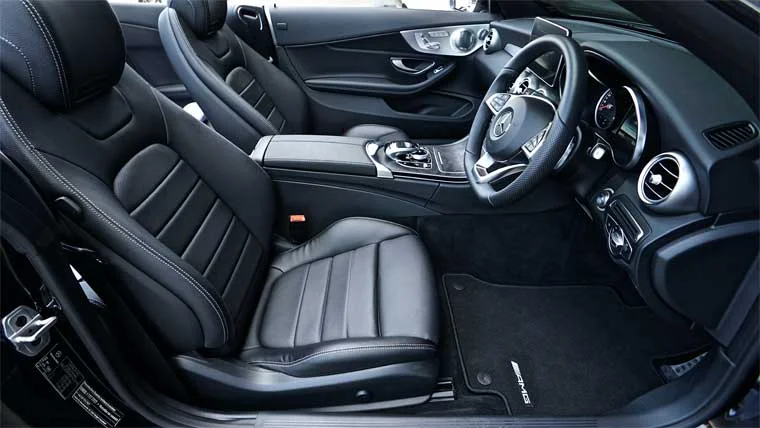
13 Feb 2024, By AdminThe privacy and elegance that comes with tinting your car is priceless in the times where every step was taken in life is scrutinized and seen by everyone. So, while driving, it is always good to have your thoughts and your time to yourself, isn’t it? Along with the added benefit of privacy, tinted windows also help in protecting the interiors of the car. The investment that goes into the luxury of leather seats is something that one is acutely aware of. Now the sun is no friend to leather seats and can easily shorten the life of the seats. Discoloring them, causing cracks to appear or have the color fade, making them look worn
out.
One of the ways in which tinting your car’s windows is the protection it will provide to the elegant leather seats. Tinting windows can help control the harsh rays of the sun and also lessen how much the car heats up as well. Along with the rays of the sun, the harmful ultraviolet rays can be controlled with the power of tinting does right. Because of UV exposure, the car’s interiors can tend to get damaged.
With leather seats, the continued UV rays can cause the natural oil in the leather to dry out which causes unsightly stains. Along with UV rays and the rays of the sun, heat can also a lot of damage to leather seats. Without the added benefit of tinted windows, the heat trapped inside cars causes the leather to age faster.
Tinted windows can help keep the car cooler by creating a dark barrier between the sun and the leather seats of the car. Another problem that can worsen the impact of ultraviolet rays is any liquid or food that can fall on the leather seats with combines with these rays and can damage the upholstery of the car.
The right tint on your car windows can make all the difference to the look of your car. By making sure that the tinting has been done exceptionally can lengthen the life of the leather upholstery as well. One should always make sure that the window tinting on the cars should always be done by a professional. If not done properly, it can cause bubbles to appear in the film and also hinder sight while driving.
So, book your tinting consultation with Dr. Tint today!