• info@drtint.co.nz
  •  ( Mon-Sat ) 8:00AM - 6:00PM ( Sunday Closed )
1e18c14ffa57da28a1dd69e17adab772.webp

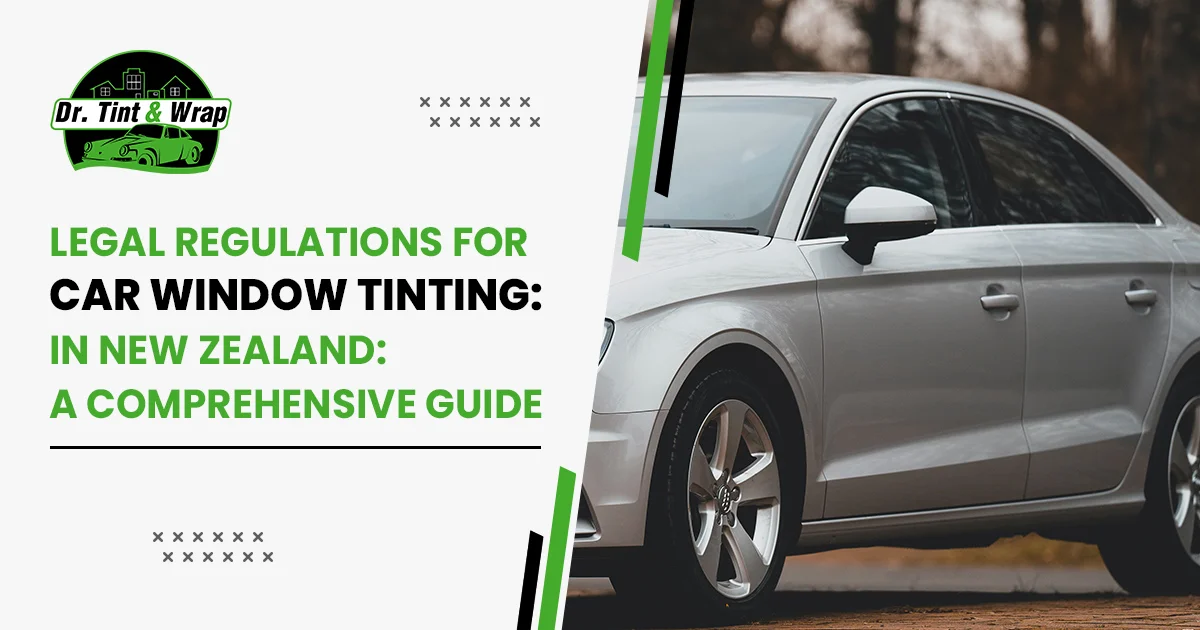
Legal Regulations for Car Window Tinting in New Zealand: A Comprehensive Guide

11 Oct 2023, By Admin

Car window tinting has become a popular choice for vehicle owners in New Zealand, offering benefits such as privacy, UV protection, and heat reduction. However, it’s crucial to understand and adhere to the legal regulations surrounding window tinting to avoid fines and ensure road safety. In this blog post, we will explore the laws regarding window tinting in New Zealand and provide essential tips for staying within legal limits.

Understanding New Zealand's Window Tinting Regulations

1. Light Transmission: According to New Zealand law, the front windscreen must have a minimum of 70% light transmission, while the front side windows (the windows adjacent to the driver and front passenger) must have a minimum of 35% light transmission.

2. Rear Windows: There are no specific regulations regarding the tint darkness for rear windows, but it is recommended to maintain good visibility, especially at night.

3. Reflectivity: Window tints must not be highly reflective to the extent that they impair the driver’s vision or distract other drivers.

4. Tinting Film Quality: The tinting film used must be of high quality and not damaged or discolored, ensuring clear visibility.

Tips for Staying Within Legal Limits

1. Choose Professional Installation: Opt for professional window tinting services. Experienced technicians are aware of the legal limits and can ensure your tinting complies with the regulations.

2. Ask for Legal Tints: When getting your windows tinted, clearly specify to the service provider that you need tints that comply with New Zealand regulations. Reputable providers will use films that meet legal standards.

3. Avoid DIY Tinting Kits: Do not attempt to tint your windows using DIY kits unless you are confident about adhering to legal limits. Incorrect installation can result in darker tints, leading to legal consequences.

4. Regularly Check Tint Condition: Over time, window tints can deteriorate, becoming darker or developing bubbles. Regularly inspect your tints and replace them if they no longer meet the legal standards.

5. Educate Yourself: Familiarize yourself with the local regulations. Understanding the legal limits will help you make informed decisions about your vehicle’s window tinting.

Responsible vehicle ownership includes complying with legal regulations to ensure road safety and avoid legal issues. By adhering to New Zealand’s window tinting laws and following the tips mentioned in this guide, you can enjoy the benefits of window tinting while staying within the boundaries of the law. Remember, when in doubt, consult professionals who can guide you in choosing the right window tints that meet both your needs and legal requirements. Safe driving starts with clear visibility, so let’s tint responsibly and enjoy the many advantages it offers within the legal limits of New Zealand.

Why Tinting your car's windows can prove to be a boon for your leather upholstery?

How Long Does Car Wrapping Last

11 Oct 2023, By Admin

Introduction

Car wrapping has become an increasingly popular method for vehicle customization, allowing car owners to express their style and protect their vehicles' original paint. However, like any automotive enhancement, car wrapping is not a permanent solution. In this blog, we'll delve into the factors that influence the longevity of car wrapping and answer the burning question: How long does car wrapping last?

Understanding Car Wrapping

Car wrapping involves applying a thin, adhesive vinyl film to the exterior of a vehicle. This vinyl can come in various colors, patterns, and finishes, providing car owners with a versatile and cost-effective alternative to traditional paint jobs. Car wrapping is known for its ability to protect a vehicle's paint from scratches, stone chips, and other environmental damage while allowing for easy removal or color changes.

Factors Influencing Car Wrap Longevity

  • Quality of Materials: The longevity of a car wrap heavily depends on the quality of the materials used. High-quality vinyl films with UV-resistant properties tend to last longer and maintain their appearance over time. Cheaper, low-quality materials may deteriorate more quickly, leading to premature discoloration and peeling.
  • Installation Skill: Proper installation is crucial for the durability of a car wrap. Professional installers with experience and skill ensure that the vinyl adheres uniformly, avoiding air bubbles, wrinkles, and edge lifting. Poor installation can significantly reduce the lifespan of the wrap.
  • Environmental Factors: The environment in which a vehicle is driven and parked plays a vital role in how long a car wrap lasts. Harsh weather conditions, exposure to extreme temperatures, and prolonged sunlight exposure can accelerate the wear and tear of the vinyl. Regular exposure to elements like salt, bird droppings, and tree sap can also affect the wrap's longevity.
  • Maintenance and Care: Proper maintenance and care are essential for maximizing the lifespan of a car wrap. Regular washing with mild soapy water, avoiding abrasive cleaners, and keeping the vehicle sheltered when possible can contribute to preserving the wrap's appearance.
  • Intended Use: The intended use of the vehicle can impact the longevity of the car wrap. Vehicles used for daily commuting and exposed to heavy traffic may experience more wear than those used less frequently. Similarly, off-road or adventurous driving may increase the likelihood of damage to the wrap.

Signs of Aging and When to Replace

  • Fading: One of the most common signs of an aging car wrap is color fading. This is often a result of prolonged exposure to sunlight.
  • Peeling or Lifting: If the edges of the wrap start to lift or peel, it's an indication that the adhesive is losing its effectiveness, and the wrap may need replacement.
  • Cracking or Wrinkling: Over time, the vinyl may develop cracks or wrinkles, affecting both the aesthetic appeal and the protective function of the wrap.

How long does car wrapping last?

Car wrapping longevity depends on various factors.

What signs indicate that a car wrap needs replacement?

Signs that a car wrap may need a replacement include:

  • Fading: If the colors on the wrap start to fade or lose vibrancy, it may be time for a replacement.
  • Peeling or Bubbling: The appearance of bubbles or peeling edges indicates that the adhesive is failing, and the wrap needs attention.
  • Cracks or Tears: Physical damage, such as cracks or tears in the vinyl, compromises the effectiveness of the wrap and may necessitate replacement.
  • Loss of Gloss: If the wrap loses its glossy finish and becomes dull, it may be a sign of wear and tear.

How much does it cost to replace a car wrap?

The cost of replacing a car wrap depends on various factors, including the size of the vehicle, the complexity of the wrap design, and the quality of materials used. On average, you can expect to pay a few thousand dollars for a full wrap replacement.

See More

Why Tinting your car's windows can prove to be a boon for your leather upholstery?

The Benefits of Office Window Tinting in New Zealand

11 Oct 2023, By Admin

When it comes to enhancing the comfort and functionality of your home, window tinting is a solution that often goes unnoticed. In New Zealand, where climate variations are common, the benefits of home window tinting extend far beyond aesthetic appeal. In this article, we'll explore how home window tinting can significantly reduce your energy bills and lead to long-term cost savings, making it a smart investment for homeowners across the country.

Understanding the Energy Efficiency of Window Tinting

New Zealand experiences a range of weather conditions throughout the year, from scorching summers to chilly winters. During these extremes, the energy used to regulate indoor temperatures can skyrocket. This is where window tinting comes into play.

1. Heat Reduction: One of the primary benefits of window tinting is its ability to reduce heat gain. Tinted windows block a significant portion of the sun's heat and harmful UV rays from entering your home. As a result, your indoor spaces remain cooler during hot summer months, reducing the need for air conditioning.

2. Insulation: Window tinting also provides insulation benefits, helping to maintain a consistent indoor temperature. In winter, it helps to keep warmth inside, reducing the need for excessive heating.

Cost Savings Through Window Tinting

Now, let's delve into how these energy-efficient qualities translate into tangible cost savings for homeowners in New Zealand.

1. Lower Energy Bills: By reducing heat gain during the summer and heat loss during the winter, window tinting significantly reduces your reliance on heating and cooling systems. As a result, you'll see a noticeable drop in your energy bills year-round.

2. Extended Appliance Lifespan: Reduced reliance on air conditioners and heaters not only saves you money on electricity but also extends the lifespan of these appliances. They don't have to work as hard, which means fewer repairs and replacements.

3. Furniture and Flooring Preservation: Window tinting also blocks harmful UV rays that can cause fading and damage to your furniture, flooring, and décor. This means you won't have to spend as much on replacing or refurbishing these items.

4. Enhanced Home Value: A home with energy-efficient features like window tinting can command a higher resale value in the New

Zealand real estate market. Potential buyers are often willing to pay more for a home with reduced energy costs.

In New Zealand, where energy efficiency and sustainability are becoming increasingly important, home window tinting stands out as a practical investment for homeowners. By reducing energy bills, extending the lifespan of appliances, preserving your interior, and enhancing your home's value, window tinting offers numerous long-term cost-saving benefits.

So, if you're looking to make your New Zealand home more energy-efficient and cost-effective, consider investing in professional window tinting services. Not only will you enjoy a more comfortable living space, but you'll also contribute to a greener and more sustainable future while saving money in the process.

See More

Why Tinting your car's windows can prove to be a boon for your leather upholstery?

Is Car Ceramic Coating Worth the Hype?

11 Oct 2023, By Admin

We wish our cars always looked as good as new after years of use! But, no. It doesn’t work like that. After a few years, fading paint, scratches, scuff marks, and corrosion deteriorate the original color and sheen of the paintwork. Is there a way to protect your car’s appearance? Of course! We live in an era of innovation and advancements where the automotive industry has undergone revolutionary changes, and engineers have discovered an incredible way to safeguard a car’s exterior.

Among diverse paint protection methods, car ceramic coating has acclaimed immense popularity across the globe. You may have even spotted cars with ceramic coatings but never recognized them. A ceramic coating proposes a seamless finish and is an excellent option to protect your car’s paintwork.

For all the newbies unaware of ceramic coatings, this blog is the ideal guide to answering your questions. You will learn everything you need to know about this wonder product.

Car Ceramic Coating: An Introduction

Car ceramic coating is made of liquid polymer that chemically interacts with the car’s original paintwork to form a protective layer. It provides semi-permanent to permanent protection. Unlike other car protection films, ceramic coating is not applied on the surface level but on a molecular level. Therefore, it furnishes optimal protection and efficiency.

While wax coating offers only temporary shine and waterproof qualities,ceramic coating is much more durable and resistant to dust and water. When applied, car ceramic coating bonds with the car’s paint, filling in pores and scratches. As it cures, you get a hard and sturdy coating that enhances the longevity of your car’s paint.

Generally, the coating consists of silicon dioxide, which is naturally derived from sand and quartz. Often, titanium dioxide is added to boost the coating’s efficiency.

Now, why do car owners prefer ceramic coating over wax or other coatings? Let’s discuss it in the next section.

The Many Benefits of Car Ceramic Coating

Car lovers are going gaga over ceramic coating, and we have many reasons for that!

  • Enhanced Protection: As we said, if you want to protect your car’s paintwork, the ceramic coating does the job exceptionally well! Since it forms a hard layer over the car’s surface, you can expect enhanced paint protection against various elements. No more scratches, fading paint or bird-dropping spots!
  • Dust and Water-Resistant: Imagine driving through a dirt track only to see your car has turned into a dirt magnet! You have to thoroughly clean your car to get rid of the mess. However, with car detailing Tauranga, you no longer have to worry about dirt sticking to the surface. Also, you are safe against corrosion because your car’s exterior is now waterproof!
  • Promotes Paint Life: Obviously, with the additional protection, your car’s paint will last much longer while retaining its color and gloss. You have better paint protection now from UV rays, stone chips, scuff marks, etc.
  • Corrosion Prevention: Cars are prone to corrosion due to water and other liquid spills. Even heavy rain can cause considerable damage to the paint when not maintained properly.
  • UV Protection: Who knew cars could be protected from harmful UV rays until the emergence of ceramic coatings? These polymer components act as a barrier against the harmful impact of UV rays that can considerably fade away the car’s paintwork. It also keeps the car’s interior cool and comfortable.
  • Easy Maintenance: Since car ceramic coating is hydrophobic, it requires less maintenance. It is easy to clean, and your car remains spotless for years.

Ceramic coating cost varies depending on the quality, durability, andcoverage. Nonetheless, it is an effective way to enhance your car’s aesthetics and safeguard it from surface damage.

See More

Feedback
   Feedback    Call Now