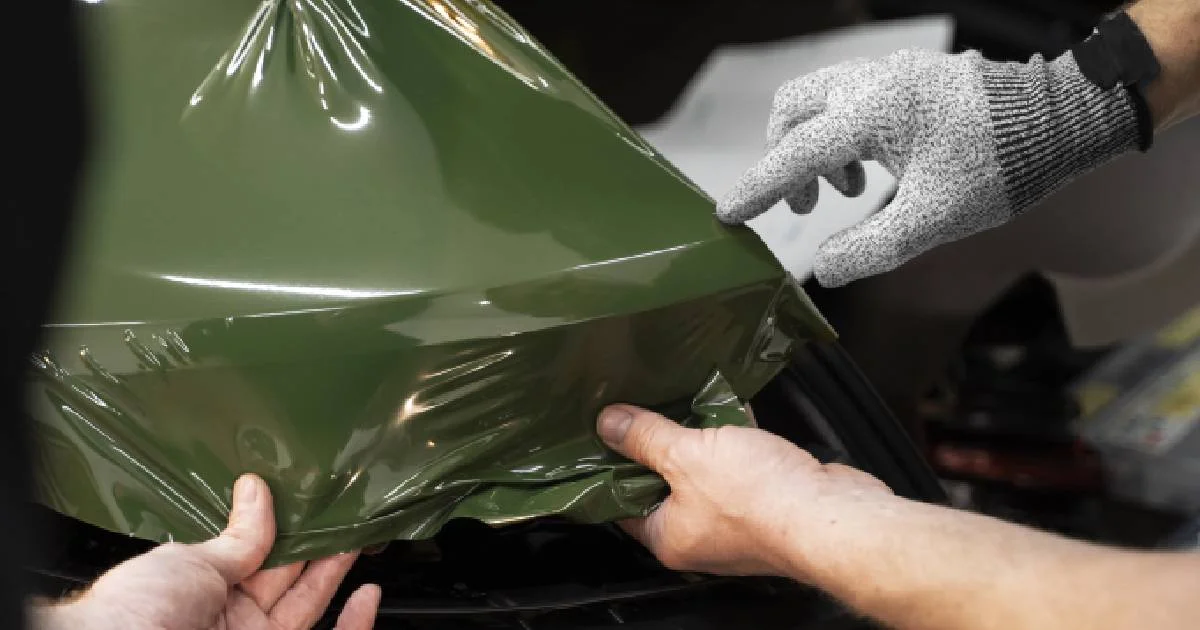
Car wrapping has become an increasingly popular method for vehicle customization, allowing car owners to express their style and protect their vehicles' original paint. However, like any automotive enhancement, car wrapping is not a permanent solution. In this blog, we'll delve into the factors that influence the longevity of car wrapping and answer the burning question: How long does car wrapping last?
Car wrapping involves applying a thin, adhesive vinyl film to the exterior of a vehicle. This vinyl can come in various colors, patterns, and finishes, providing car owners with a versatile and cost-effective alternative to traditional paint jobs. Car wrapping is known for its ability to protect a vehicle's paint from scratches, stone chips, and other environmental damage while allowing for easy removal or color changes.
Car wrapping longevity depends on various factors.
Signs that a car wrap may need a replacement include:
The cost of replacing a car wrap depends on various factors, including the size of the vehicle, the complexity of the wrap design, and the quality of materials used. On average, you can expect to pay a few thousand dollars for a full wrap replacement.
Owning a car is more than just a mode of transportation – it's a reflection of your personality and a source of pride. Whether you have a brand-new luxury vehicle or a trusted companion that has seen its fair share of adventures, maintaining its appearance is essential. This is where Paint Protection Film (PPF) steps in as the modern-day armor for your beloved automobile.
In the not-so-distant past, car owners relied on waxing and polishing to preserve the shine and finish of their vehicles. However, the automotive industry has seen remarkable advancements, and the introduction of Paint Protection Film has transformed the way we care for our cars.
Paint Protection Film, often referred to as clear bra, is a transparent, ultra-thin polyurethane film that is meticulously applied to the exterior surfaces of a vehicle. This film acts as a shield, protecting the car's paintwork from various forms of damage that it encounters on the road.
1. Guard against Scratches and Chips: Gravel, rocks, road debris, and even minor accidental brushes can leave unsightly scratches and chips on your car's paint. PPF acts as a sacrificial layer, absorbing the impact and preventing these damages from reaching your car's finish.
2. Preserve the Paint's Gloss:PPF is designed to resist yellowing and clouding over time, ensuring that your car's shine remains intact for years. This allows you to retain that 'just out of the showroom' appearance, enhancing the resale value of your vehicle.
3. UV Radiation and Chemical Resistance: The sun's harmful UV rays and environmental contaminants can cause fading and damage to your car's paint. PPF offers protection against these elements, maintaining the vibrancy of your vehicle's color.
4. Self-Healing Properties: Some advanced PPF formulations have self-healing properties. Minor scratches and swirls on the film disappear when exposed to heat, maintaining a flawless appearance.
Installation Process
The installation of Paint Protection Film requires skill and precision. Trained professionals apply the film using a combination of heat and specialized tools to ensure a seamless and invisible finish. While it's possible to install PPF yourself, it's recommended to seek professional assistance for the best results.
Caring for a car with Paint Protection Film is relatively straightforward. Regular washing and detailing routines can be continued as usual. Opt for gentle cleaning products and techniques to ensure the longevity of the film's appearance.
In a world where appearances matter, Paint Protection Film emerges as a modern solution for car enthusiasts and everyday drivers alike. Its ability to shield against the rigors of the road while preserving your car's aesthetics is a testament to the advancements in automotive care. So, if you love your car, why not show it some love by investing in the ultimate form of protection – Paint Protection Film. Your car will thank you with a brilliant and ageless shine that turns heads wherever you go. Dr. Tint & Wrap is your premier destination for top-tier Paint Protection Film (PPF) services, ensuring your vehicle's pristine finish remains untouched by road hazards and wear. With expert installation and a commitment to preserving your car's allure, Dr. Tint & Wrap takes automotive protection to the next level.
Windows are the eyes of your home, providing natural light, ventilation, and a connection to the outside world. However, they can also be a source of problems, such as excessive heat, glare, and harmful UV rays. Window tinting offers a practical solution to these issues, but selecting the right window tint can be a daunting task. In this guide, we'll walk you through the process of choosing the appropriate window tint for your home based on your specific needs, climate, and window types.
1. Assess Your Needs:
Before diving into the world of window tinting, it's crucial to assess your specific requirements. Consider the following factors:
2. Understand Different Types of Window Tints:
There are various types of window tints available, each designed to address specific issues:
3. Consider Your Climate:
The climate of your region plays a significant role in choosing the right window tint:
4. Think About Window Types:
Different window types require different tinting solutions:
5. Seek Professional Advice:
While there are DIY tinting kits available, consulting with a professional window tinting service is invaluable. They can assess your specific needs, recommend suitable products, and ensure proper installation, maximizing the tints' effectiveness and longevity.
6. Read Reviews and Get Samples:
Research online reviews and testimonials to learn about other homeowners' experiences with specific window tints. Additionally, request samples from manufacturers or service providers to physically see how different tints look and perform in your home environment.
7. Maintenance and Warranty:
Consider the maintenance requirements and warranty offered with the window tint. Some tints may require special cleaning methods to preserve their effectiveness, while others come with comprehensive warranties, ensuring long-term satisfaction.
In conclusion, choosing the right window tint for your home involves careful consideration of your specific needs, the climate you live in, and the types of windows you have. By understanding these factors and seeking professional guidance, you can enhance your home's comfort, energy efficiency, and overall aesthetics, making an informed choice that you'll appreciate for years to come.
In recent years, automotive enthusiasts and car owners alike have been raving about the benefits of ceramic coatings. This revolutionary protective solution has gained popularity for its ability to enhance a vehicle's appearance and provide long-lasting protection. However, one common question that often arises is, "How much does a ceramic coating cost?" In this blog, we will delve into the factors influencing the cost of ceramic coatings and help you understand what to expect when considering this investment for your vehicle.
Before we dive into the cost, let's briefly understand what ceramic coating is. Ceramic coating is a liquid polymer applied to the exterior surfaces of a vehicle. Once cured, it forms a protective layer that shields the paint from various environmental contaminants such as dirt, bird droppings, UV rays, and more. The result is a glossy finish and enhanced durability that can last for several years.
In conclusion, the cost of ceramic coating varies based on several factors, including the type of coating, brand reputation, application method, vehicle size, and paint condition. While it may seem like a significant investment upfront, many car owners find that the long-term benefits, including enhanced aesthetics and protection, outweigh the initial cost.
Before making a decision, it's crucial to research different ceramic coating options, read reviews, and consider your budget. Whether you choose a professional application or a DIY kit, investing in ceramic coating can ultimately contribute to the longevity and resale value of your vehicle, making it a worthwhile consideration for automotive enthusiasts and those looking to protect their investment.