• info@drtint.co.nz
  •  ( Mon-Sat ) 8:00AM - 6:00PM ( Sunday Closed )
bb2d6202a7d34c41cf670300fd87e623.webp

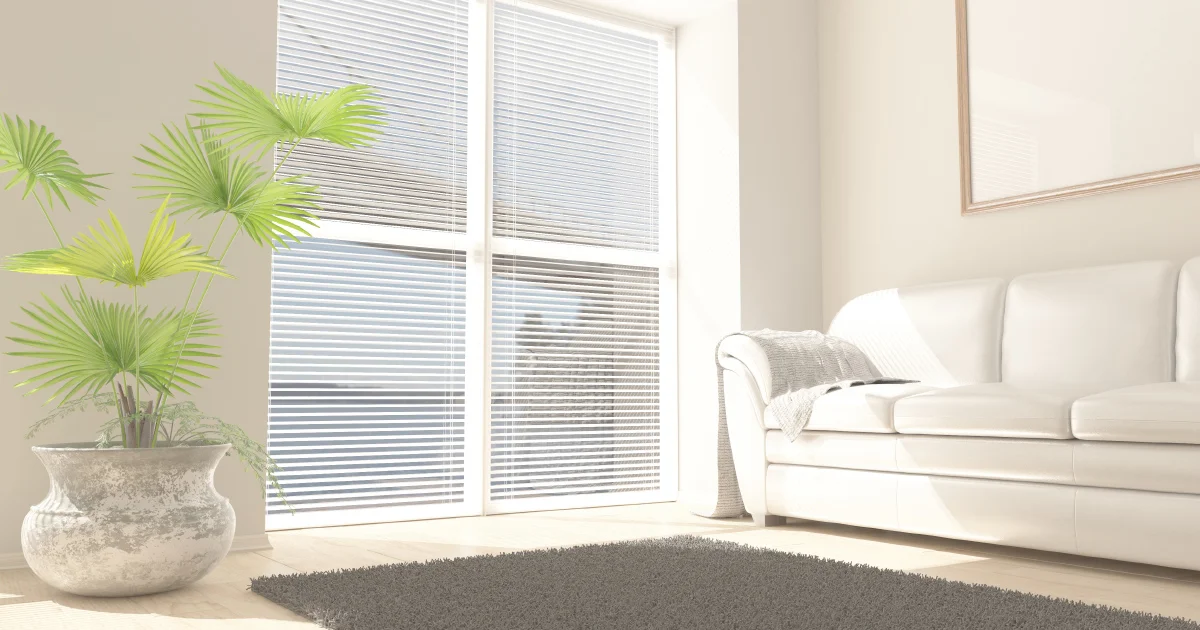
Choosing the Right Window Tint for Your Home: A 2023 Guide

23 Oct 2023, By Admin

When it comes to enhancing the comfort, energy efficiency, and privacy of your home, window tinting is an excellent choice. In 2023, homeowners are increasingly turning to home window tinting not only for its aesthetic appeal but also for its practical benefits. However, choosing the right window tint for your home can be a daunting task with so many options available. To help you make an informed decision, this blog will answer some essential "wh" questions about home window tinting.

What is Home Window Tinting?

Home window tinting is a process where a thin film is applied to the interior or exterior surface of windows. This film contains various layers designed to provide specific benefits, such as reducing heat and glare, protecting against UV rays, and enhancing privacy.

Why Should You Consider Home Window Tinting?

a.What are the Benefits?

  • Energy Efficiency: Window tinting helps regulate indoor temperatures, reducing the need for excessive heating or cooling.
  • UV Protection: Tinted windows block harmful UV rays, preventing fading of furniture, flooring, and artwork.
  • Glare Reduction: Tinting minimizes glare on screens and surfaces, making indoor spaces more comfortable.
  • Privacy: Window films offer varying degrees of privacy, allowing you to control the visibility from outside.

b.How Does It Save Money?

  • Reduced Energy Bills: By maintaining stable indoor temperatures, window tinting can lead to lower heating and cooling costs.
  • Increased Lifespan of Furnishings: UV protection helps extend the lifespan of your interior furnishings, reducing replacement expenses.

When is the Best Time to Install Window Tinting?

The best time to install home window tinting is during the initial construction or renovation of your home. However, it can be added to existing windows at any time. It's essential to choose a reputable installer who can assess your needs and recommend the right time for installation.

Where Should You Apply Window Tinting?

You can apply window tinting to various areas in your home, including:

  • Living rooms
  • Bedrooms
  • Bathrooms
  • Kitchen
  • Home offices
  • Glass doors and skylights

Consider where you need specific benefits, such as glare reduction in your office or privacy in your bedroom.

How Do You Choose the Right Window Tint?

a.What are Your Goals?

  • Identify your primary objectives, whether it's energy efficiency, UV protection, privacy, or all of the above.

b.Consider the Tint Type:,

There are different types of window tints to consider:

  • Reflective Tint: Offers privacy and heat reduction but can be highly reflective from the outside.
  • Ceramic Tint: Provides excellent UV protection and insulation without affecting visibility.
  • Decorative Tint: Adds style and privacy with various patterns and designs.

c.Evaluate Tint Darkness:

  • The darkness of the tint affects the amount of light and heat it blocks. Choose a darkness level that suits your preferences and needs.

d.Consult with Professionals:

  • Seek advice from experienced window tinting professionals who can guide you in selecting the right tint for your home.

In 2023, home window tinting is a smart investment for any homeowner looking to improve energy efficiency, protect their furnishings, and enhance privacy. By answering the "wh" questions about home window tinting, we hope you're now better equipped to make an informed decision. Remember to consult with experts and consider your specific goals when choosing the right window tint for your home. With the right tint, you can enjoy a more comfortable, efficient, and private living space.

Why Tinting your car's windows can prove to be a boon for your leather upholstery?

What You Should Know Before Tinting Your Car

23 Oct 2023, By Admin

Car window tinting is a popular modification for vehicles, offering a range of benefits from aesthetic enhancements to practical advantages. However, before you jump into tinting your car windows, there are several important factors to consider. In this blog, we will explore everything you need to know to make an informed decision about car window tinting.

Benefits of Car Window Tinting

  1. UV Protection: One of the primary benefits of car window tinting is the protection it offers against harmful ultraviolet (UV) rays. Quality window tints can block up to 99% of UV rays, which can protect your skin from damage and reduce the risk of skin cancer. Additionally, it helps in preserving your car’s interior by preventing fading and cracking caused by sun exposure.
  2. Heat Reduction: Car window tinting can significantly reduce the heat inside your car by blocking a substantial amount of solar energy. This can make your driving experience more comfortable, particularly during hot summer months, and reduce the need for excessive air conditioning, potentially improving fuel efficiency.
  3. Enhanced Privacy and Security: Tinted windows provide increased privacy by making it harder for outsiders to see inside your vehicle. This can deter potential thieves by concealing valuables from prying eyes. Furthermore, in the event of an accident, the tint film can hold shattered glass together, reducing the risk of injury.
  4. Improved Aesthetics: Many car owners choose to tint their windows to enhance the look of their vehicles. Tinted windows can give your car a sleek, sophisticated appearance that sets it apart from others on the road.

Before you proceed with car window tinting, it’s crucial to understand the laws and regulations in your area. Tinting laws vary widely by state and country, dictating the permissible level of tint darkness and reflectivity. Violating these regulations can result in fines and may require you to remove the tint.

Visible Light Transmission (VLT)

The level of tint is measured by the percentage of visible light that passes through the window, known as Visible Light Transmission (VLT). For example, a 50% VLT tint allows 50% of light to pass through, whereas a 5% VLT tint (often referred to as "limo tint") only allows 5% of light through. Check your local laws to determine the legal VLT percentages for your front, rear, and side windows.

Medical Exemptions

Some jurisdictions allow for medical exemptions, permitting darker tints for individuals with specific health conditions that necessitate reduced sun exposure. If you believe you qualify, consult with your local DMV or relevant authority to understand the application process and required documentation.

Types of Window Tint Films

Choosing the right type of tint film is crucial for achieving the desired results. Here are the main types of window tint films available:

  1. Dyed Window Tint: Dyed window tint is the most cost-effective option. It involves applying a layer of dye between an adhesive layer and a protective top coating. While it provides a darker appearance, it may not offer the same level of heat reduction as other types.
  2. Metalized Window Tint: Metalized tint contains tiny metallic particles that reflect heat and UV rays. This type of tint is more durable and effective at heat reduction compared to dyed tints. However, it can interfere with electronic signals, such as GPS and mobile phone reception.
  3. Hybrid Window Tint: Hybrid tints combine dyed and metalized layers, offering a balance of affordability, heat reduction, and minimal signal interference. This makes it a popular choice for many car owners.
  4. Ceramic Window Tint: Ceramic tint is a premium option that uses ceramic particles to block heat and UV rays. It provides excellent performance without interfering with electronic signals. While more expensive, ceramic tint offers superior durability and clarity.
  5. Carbon Window Tint: Carbon tint contains carbon particles that effectively block infrared light, reducing heat without compromising visibility. It is highly durable and does not fade over time, making it a long-lasting investment.

Professional Installation vs. DIY

While DIY tint kits are available, professional installation is recommended for the best results. Experienced installers have the tools and expertise to apply the tint smoothly, without bubbles or imperfections. Professional installation also often comes with a warranty, providing peace of mind in case of any issues.

Maintenance Tips

To ensure your car window tint lasts as long as possible, follow these maintenance tips:

  • Wait Before Cleaning: After installation, wait a few days before cleaning your windows to allow the tint to fully cure.
  • Use Gentle Cleaners: Avoid ammonia-based cleaners, as they can damage the tint film. Instead, use a mild, non-abrasive cleaner and a soft cloth.
  • Be Mindful of Edges: Be careful when cleaning the edges of the tinted windows to prevent peeling or lifting of the film.

Conclusion

Car window tinting Car window tinting offers numerous benefits, from protecting your health and enhancing your car’s appearance to improving comfort and security. By understanding the legal requirements, choosing the right type of tint, and opting for professional installation, you can enjoy the many advantages of tinted windows while avoiding potential pitfalls. Whether you’re seeking UV protection, heat reduction, or a stylish upgrade, car window tinting is a worthwhile investment for any vehicle owner.

See More

Why Tinting your car's windows can prove to be a boon for your leather upholstery?

Why tinting your window is also good for your skin’s health?

23 Oct 2023, By Admin

A car’s window tint gives it a stylish and sleep exterior. The moment you see a car with tinted windows, you immediately are allured to its charm and wonder who would be driving the fancy car. Window tinting simply doesn’t give a car a stylish look but also has many benefits. In case of an accident, a tinted window will not shatter as easily, it protects the car from being overheated and from the harmful UV rays, and it obscures the view inside the car which can help protect your identity and also protect your valuables in the car from strangers. Along with that, a tinted window helps keep the life of your leather seats last longer.

An important benefit of window tinting is how it protects your car from the heat and the rays of the sun. Along with helping the car from being overheated, what a quality window tint does is that it creates a barrier between you and the harmful rays of the sun. A continuous strong exposure to harsh sunrays can create issues for the eyes. The eyes can get fatigued with the sun’s exposure. And harmful rays of which is known to lead to cataract. The ultraviolet rays are known to be hazardous to health. While they can cause the skin to discolor, or age faster, a continuous exposure to these rays can also lead to skin cancer or other skin diseases.

Along with your skin, a car’s window tint can also help you take care of yourself in better ways. By not letting the car overheat, it is easier to regulate the body’s temperature and keep it normal and hence avoid overheating. This will also help in cutting down the usage of the air-conditioning which in turn will help save you more money to begin with.

It is then not only important to have a good quality window tint just for the feel of a sleek looking car but also for your health.

See More

Why Tinting your car's windows can prove to be a boon for your leather upholstery?

What Is The Darkest Legal Tint In NZ?

23 Oct 2023, By Admin

You’re cruising down a long, smooth highway, taking in the scenic beauty all around you. Suddenly, a sleek black sedan zooms by, catching your eye with its dark, mysterious window tints. The striking contrast between the deep black glass and the shining car body leaves you a bit envious—there’s something undeniably captivating about those dark tints.


Let’s be honest: dark tints give any car a bold, impressive look. Beyond their aesthetic appeal, they also offer practical benefits like protecting passengers from the sun and keeping the interior cool. However, it’s important to remember that there are specific regulations in New Zealand regarding the use of dark tints on vehicles, enforced by the New Zealand Transport Agency and the Ministry of Transport. These regulations must be followed to ensure your car stays road legal.


In this guide, we’ll cover everything you need to know about shaded car window tints, including the legal requirements in New Zealand. We’ll also show you how to have these dark tints installed on your car, legally and expertly.


How to Install the Darkest Legal Tints in NZ

At AutoExpert.co.nz, we are specialists in shaded car window tinting with over 8 years of experience. When it comes to ensuring that your car’s tints are both stylish and compliant with legal standards, AutoExpert is the name you can trust.


To achieve the best and darkest legal tint for your vehicle, visit our studio. Our experts will guide you through the process, helping you choose the perfect tint to transform your car.


Curious about what makes AutoExpert stand out? Learn more about us here, where you'll also find our contact details and location.


Now, let’s dive into the rules and regulations surrounding window tinting in New Zealand and find out what the darkest legal tint is.


Legal Tint NZ: The Reason for Regulations

Dark tints can make a vehicle look sleek and imposing, but there are good reasons for the legal restrictions on their use.


One of the main concerns is visibility. Once windows are heavily tinted, the interior of the vehicle becomes obscured, which could be exploited by individuals with ill intent, making it difficult for law enforcement to see inside the vehicle.


To prevent such issues, New Zealand has established clear rules for the use of dark tints.


These regulations don’t just apply to windows; there are also restrictions on tinting headlights. According to the New Zealand Transport Agency, it’s illegal to apply tint to headlights or lamps, except for decorative purposes.


How Tint Darkness Is Measured

The darkness of shaded car window tints is measured by Visual Light Transmittance (VLT).


VLT refers to the amount of light that can pass through the tinted windows. A higher VLT percentage means more light passes through, indicating a lighter tint, while a lower VLT percentage means less light passes through, indicating a darker tint.


To better understand the legal requirements, let’s take a closer look at the classification of passenger vehicles.


Classification of Passenger Vehicles

The New Zealand Transport Authority categorizes vehicles based on factors like size, power, and seating capacity.


Passenger vehicles are classified into three main categories: MA, MB, and MC.

  • MA (Passenger Car): Vehicles with up to 9 seating positions, including the driver.
  • MB (Forward Control Passenger Vehicle): Vehicles with 9 seating positions and a steering wheel located in the forward quarter of the vehicle’s length.
  • MC (Off-Road Passenger Vehicle): Vehicles designed for off-road use, also with 9 seating positions.


Other classifications include MD (light omnibus), ME (heavy omnibus), goods vehicles, and trailers, each with further sub-categories based on weight, capacity, and usage.


Checking Tint Compliance

The most accurate way to check if your window tint complies with NZ laws is by using a calibrated VLT meter, available at our studio. This device measures the exact VLT of the tint, ensuring it fully complies with the regulations set by the New Zealand Transport Agency and the Ministry of Transport.


We also recommend placing a sticker on the windshield that indicates the VLT level of the installed tints, which can help speed up inspections. While not mandatory, this sticker can make the process smoother.


For a more detailed understanding of legal tinting regulations, you can visit the Ministry of Transport’s website: Land Transport Rule: Glazing, Windscreen Wipe and Wash, and Mirrors Rule 1999.


Dark tints on car windows are not only stylish but also provide privacy and protection from the sun. However, they can also be misused, which is why strict regulations are in place.


At Dr. Tint, we have experience in installing top-quality dark tints that are both stylish and fully compliant with all legal requirements.


Consult with us today and give your car the perfect makeover with our expert tinting services!


Book Now

See More

Feedback
   Feedback    Call Now