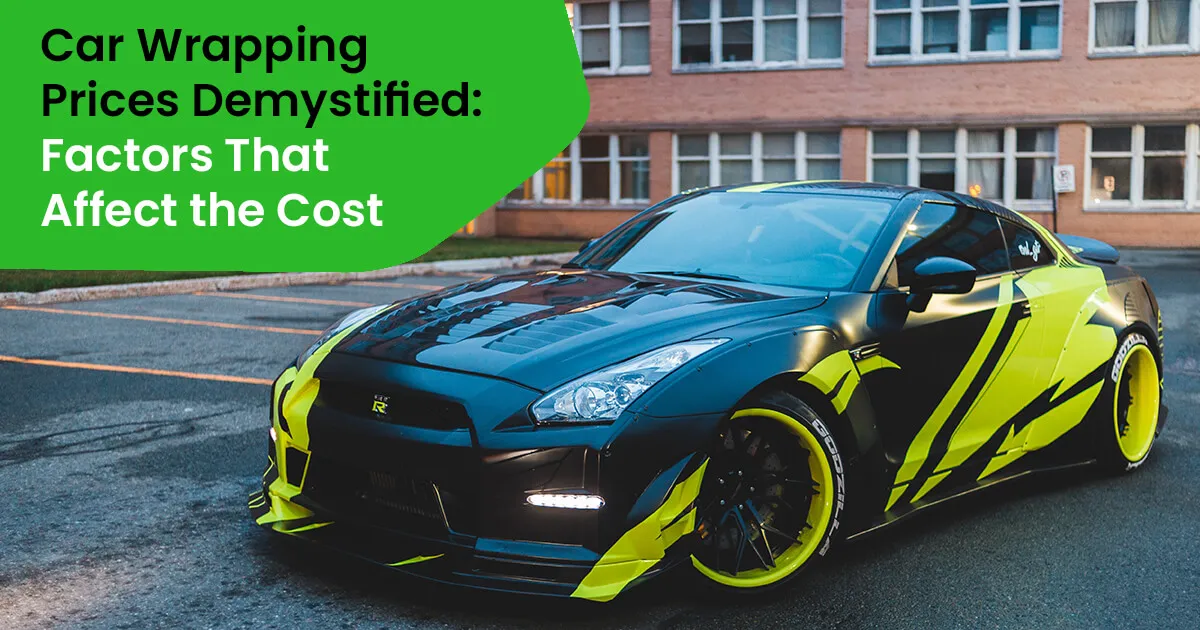
Car wrapping has become an increasingly popular option for vehicle owners who want to give their cars a unique appearance or protect their original paintwork. However, one common question that arises when considering car wrapping is, "How much does it cost?" Car wrapping prices can vary significantly depending on several factors. In this blog post, we will demystify car wrapping prices and explore the key factors that influence the cost.
The choice of wrap material plays a crucial role in determining the cost of car wrapping. There are various options available in the market, ranging from basic vinyl wraps to premium-grade materials. The quality, durability, and finish of the wrap material directly affect the price. High- quality materials tend to be more expensive, but they offer better longevity and superior aesthetics.
The size and complexity of the vehicle are essential considerations in pricing car wrapping services. Larger vehicles such as trucks, SUVs, or vans require more material and labor, resulting in higher costs compared to smaller cars. Similarly, vehicles with intricate body designs, curves, and contours demand additional time and expertise ensure a seamless installation, which can affect the overall pricing.
Another factor that impacts car wrapping prices is whether you opt for a partial also known as only roof and bonnet wrap or full wrap. A full wrap covers the entire vehicle, including the roof, hood, trunk, and all the body panels. Partial wraps, on the other hand, cover only specific areas of the car. Naturally, a full wrap requires more material and labor, leading to a higher cost compared to a partial wrap.
If you desire a customized design or graphics on your car wrap, the cost will be influenced by the complexity and intricacy of the design. Custom artwork, logos, or intricate patterns require specialized skills and precision, which may result in additional charges. The more detailed and elaborate the design, the higher the cost will be.
Additional services, such as surface preparation, paint protection, and removal of previous wraps, can also impact the overall car wrapping price. Proper surface preparation, including cleaning, degreasing, and removal of any contaminants, is vital for achieving a smooth and long-lasting finish. Paint protection films or clear coats may be recommended to enhance the durability of the wrap, but they can add to the cost.
Car wrapping prices can also vary based on the geographic location. Costs tend to be higher in urban areas or regions with a higher cost of living. Additionally, market competition and local demand can influence pricing. It is advisable to research multiple providers in your area to get a better understanding of the prevailing rates.
Car wrapping prices can vary significantly depending on various factors such as the type of wrap material, the size and complexity of the vehicle, the extent of coverage, custom design requirements, additional services, and geographic location. It is crucial to consider these factors when estimating the cost of car wrapping. To ensure a successful and satisfactory outcome, it is recommended to consult with professional car wrapping providers who can provide accurate pricing information based on your specific requirements. Dr. Tint stands out as a leading provider of top-notch car and vehicle wrapping services, offering the best quality and competitive prices in Hamilton, Rotorua, and Tauranga. Remember, investing in quality materials and expert installation is key to achieving a stunning and long-lasting car wrap.
If you're a car enthusiast looking to give your ride a unique and personalized touch, car wrapping can be an excellent option. Car wrapping is the process of applying a vinyl film onto the surface of a vehicle, completely transforming its appearance. It allows you to change the color, add the finishing, and even add custom graphics or designs to your car, creating a true masterpiece that reflects your style and personality. In this blog post, we will explore the world of car wrapping and how it can elevate your car enthusiast game to the next level.
Car wrapping has become increasingly popular among car enthusiasts for several compelling reasons,
Customization - Car wrapping allows you to completely transform the appearance of your vehicle. With a wide range of colors, textures, and finishes available, you can create a unique and personalized look that reflects your style and personality. It gives you the opportunity to customize your vehicle without the permanence of a traditional paint job, making it a flexible option for those who like to change up their vehicle's appearance.
Protection - Car wraps provide a layer of protection to your car's original paint. The vinyl material used in car wraps acts as a barrier against minor scratches, chips, and fading from UV rays, helping to preserve the condition of your car's paint and keeping it looking newer for longer. This can be particularly beneficial if you want to maintain your car's resale value or lease a vehicle and want to protect it during the lease period.
Versatility - Car wraps can be used for a variety of purposes beyond just changing the color of your car. They can be used for advertising, business branding, or promoting a cause or event. Car wraps provide a cost-effective and attention-grabbing way to market your business or create awareness for a cause, as they turn your vehicle into a moving billboard that can reach a wide audience.
Reversibility - Unlike traditional paint jobs, car wraps are not permanent and can be easily removed without damaging your car's original paint. This means you can change or remove the wrap whenever you want, allowing for flexibility and versatility in your vehicle's appearance. It also means that if you're planning to sell your car or return a leased vehicle, you can remove the wrap and restore it to its original condition.
Cost-effective - Car wrapping can be a more cost-effective option compared to a traditional paint job, especially for complex designs or multiple color changes. The cost of a car wrap depends on factors such as the size of the vehicle, the type of wrap material used, and the complexity of the design. However, compared to the cost of a full repaint, car wrapping can be more budget-friendly while still providing a high-quality, customizable finish.
Non-permanent - Car wraps are a non-permanent option, which means you can experiment with different looks and styles without committing to a permanent change to your car's appearance. This gives you the freedom to try out different colors, finishes, and designs, and easily revert to the original look if you wish.
If you're considering car wrapping for your vehicle, here are some tips to keep in mind:
Choose a Professional Installer - Car wrapping is a complex process that requires skill and experience. It's important to choose a professional installer who has a proven track record of quality work. Look for reviews, ask for recommendations, and check their portfolio before making a decision.
Decide on the Type of Wrap - There are different types of car wraps available, including vinyl wraps, color change wraps, and clear wraps. Consider your budget, desired look, and durability requirements when choosing the type of wrap that's best for your car.
Prepare Your Car - Before applying the wrap, make sure your car's surface is clean and free of any dirt, debris, or wax. A clean surface will ensure proper adhesion of the wrap and result in a smooth finish. Also, remove any accessories or trim that may interfere with the wrapping process.
Choose High-Quality Materials - Opt for high-quality vinyl materials for your car wrap. High- quality materials are more durable, resistant to UV rays, and can withstand the elements better, ensuring your wrap will last longer and look better.
Consider Maintenance - Car wraps require regular maintenance to keep them looking their best. Follow the manufacturer's instructions for care and maintenance, which may include avoiding harsh chemicals, hand washing, and avoiding high-pressure car washes.
Be Mindful of Environmental Factors - Extreme temperatures, prolonged exposure to sunlight, and harsh weather conditions can affect the lifespan of your car wrap. Parking your car in shaded areas, using a car cover, and avoiding harsh environmental conditions can help prolong the lifespan of your car wrap.
Avoid DIY Wrapping - Car wrapping is a skilled trade that requires proper training and experience. Attempting to wrap your car yourself without the proper knowledge and tools can result in a subpar finish and damage to your car's paint. It's best to leave car wrapping to the professionals.
Plan for Removal - Car wraps are not permanent and will eventually need to be removed. Plan for the removal process and be prepared for the possibility of minor paint touch-ups after removal. It's important to follow the manufacturer's instructions for proper removal to avoid damaging your car's paint.
Get a Warranty - Look for a professional installer who offers a warranty on their workmanship and the materials used. A warranty can provide you with peace of mind and protection against any potential issues with your car wrap.
Dr. Tint & Wrap is a professional and one of the leading car wrapping service providers in New Zealand. At Dr. Tint & Wrap, we take total care of all the mentioned tips and strictly follow local laws and regulations regarding car wraps, including restrictions on colors, designs, and placement of wraps. Some areas may have specific rules and regulations that need to be followed to avoid any legal issues.
Ceramic coatings have become a popular choice for car enthusiasts, homeowners, and industrial applications in Hamilton, Ontario. These coatings offer a wide range of benefits, including enhanced durability, heat resistance, and a sleek appearance. Whether you're looking to protect your vehicle's paint, enhance the aesthetics of your home, or improve the functionality of industrial equipment, there are various types of ceramic coatings available in Hamilton to suit your needs. In this blog, we'll explore some of the different types of ceramic coatings and their applications in the Hamilton area.
Nano ceramic coatings are incredibly thin, transparent layers that bond with the paint of your vehicle. They offer exceptional protection against UV rays, acid rain, and environmental contaminants. These coatings are ideal for car enthusiasts in Hamilton who want to keep their vehicles looking pristine.
SiO2 coatings are known for their hydrophobic properties, which make them excellent for repelling water, dirt, and debris. They create a glossy finish and provide long-lasting protection against various elements.
Graphene coatings are a relatively new addition to the ceramic coating family. They are exceptionally durable and known for their high heat resistance. These coatings are suitable for those who demand the best protection for their vehicles, especially in Hamilton's varied weather conditions.
Ceramic coatings create a durable and protective layer on the vehicle's paint surface. This layer acts as a shield against various environmental contaminants, such as dirt, dust, road salt, bird droppings, tree sap, and UV rays. In Hamilton, where winter weather and road salt can be particularly harsh on vehicles, ceramic coatings can help prevent damage and corrosion.
Ceramic coatings provide a long-lasting, high-gloss finish to your vehicle. This shine not only makes your car look impressive but also stays intact for an extended period, reducing the need for frequent waxing and polishing.
Ceramic coatings make it easier to clean your car. Their hydrophobic properties repel water and prevent contaminants from sticking to the surface, making it less likely for dirt and grime to accumulate. This makes washing and maintaining your car in Hamilton more convenient.
Ceramic coatings are resistant to many chemicals, including harsh cleaning agents and road salts. This resistance helps protect your car's paint from the corrosive effects of chemicals and can be particularly beneficial in areas with extreme weather conditions, like Hamilton.
Hamilton's climate can be tough on the exterior of homes. Ceramic coatings can be applied to the exterior walls to protect them from harsh weather conditions and pollutants. They also add a glossy finish, giving your home an attractive and clean look.
Ceramic roof coatings are designed to extend the life of your roof by providing a protective barrier against moisture, UV rays, and temperature fluctuations. In a city like Hamilton, where weather can be unpredictable, this is a valuable investment.
Window and glass coatings enhance energy efficiency, reduce heat buildup, and make cleaning easier. Hamilton residents can benefit from these coatings by reducing energy costs and making their homes more comfortable.
Industries in Hamilton dealing with high-temperature equipment such as engines, exhaust systems, and industrial machinery can benefit from high-temperature ceramic coatings. These coatings provide thermal insulation and corrosion resistance, prolonging the life of equipment.
Industries that face exposure to chemicals and corrosive environments often use ceramic coatings to protect their assets. These coatings offer a durable and long-lasting solution to prevent corrosion.
Manufacturing and heavy machinery industries in Hamilton require coatings that can withstand the wear and tear of daily operations. Wear-resistant ceramic coatings are designed to do just that, extending the life of industrial equipment.
In Hamilton, the wide variety of ceramic coatings available cater to the specific needs of the automotive, residential, and industrial sectors. These coatings not only protect surfaces but also improve their aesthetic appeal, making them a valuable investment. Before choosing a ceramic coating, it's essential to consider your specific requirements and consult with professionals who can recommend the most suitable option for your needs.
Whether you want to preserve the pristine appearance of your car, protect your home from Hamilton's ever-changing weather, or enhance the durability of industrial equipment, ceramic coatings offer a versatile and effective solution for residents and businesses in Hamilton. When applied correctly, these coatings provide long-lasting protection and aesthetic benefits, making them a worthwhile investment for those looking to maintain the quality and appearance of their possessions.
In recent years, automotive enthusiasts and car owners alike have been raving about the benefits of ceramic coatings. This revolutionary protective solution has gained popularity for its ability to enhance a vehicle's appearance and provide long-lasting protection. However, one common question that often arises is, "How much does a ceramic coating cost?" In this blog, we will delve into the factors influencing the cost of ceramic coatings and help you understand what to expect when considering this investment for your vehicle.
Before we dive into the cost, let's briefly understand what ceramic coating is. Ceramic coating is a liquid polymer applied to the exterior surfaces of a vehicle. Once cured, it forms a protective layer that shields the paint from various environmental contaminants such as dirt, bird droppings, UV rays, and more. The result is a glossy finish and enhanced durability that can last for several years.
In conclusion, the cost of ceramic coating varies based on several factors, including the type of coating, brand reputation, application method, vehicle size, and paint condition. While it may seem like a significant investment upfront, many car owners find that the long-term benefits, including enhanced aesthetics and protection, outweigh the initial cost.
Before making a decision, it's crucial to research different ceramic coating options, read reviews, and consider your budget. Whether you choose a professional application or a DIY kit, investing in ceramic coating can ultimately contribute to the longevity and resale value of your vehicle, making it a worthwhile consideration for automotive enthusiasts and those looking to protect their investment.