Pros and Cons of Car Wrapping: Is it Worth the Investment?
25 Oct 2023, By AdminIn recent years, car wrapping has become a popular trend among automobile enthusiasts and businesses alike. Whether you want to give your vehicle a fresh, unique look or use it as a marketing tool for your company, car wrapping offers a creative and eye-catching solution. However, like any automotive modification, car wrapping comes with its own set of pros and cons. In this blog, we'll explore the advantages and disadvantages of car wrapping to help you determine if it's worth the investment.
What Are Pros of Car Wrapping
- Aesthetic Appeal: Car wrapping allows you to change the appearance of your vehicle dramatically. With an extensive range of colors, finishes, and textures available, you can achieve a personalized look that suits your style or branding needs.
- Protection: Wrapping your car provides a layer of protection for the original paint. It shields the vehicle from minor scratches, chips, and UV rays. This added layer can help maintain the resale value of your car.
- Temporary Customization: Unlike a paint job, car wrapping is reversible. If you decide you no longer like the design or want to return your car to its original state, you can remove the wrap without any damage to the underlying paint.
- Advertising and Branding: Businesses can use car wrapping as a cost-effective and mobile advertising strategy. Wrapping a company vehicle with a logo, contact information, and eye-catching graphics can increase brand visibility and recognition.
- Versatility: Car wrapping can be applied to various types of vehicles, from compact cars to trucks, and even boats. This makes it a versatile option for both personal and commercial use.
- Fast Turnaround: The process of wrapping a car is generally quicker than a full paint job. This means less downtime for your vehicle, making it an attractive option for those who rely on their cars for daily transportation.
What Are Cons of Car Wrapping
- Cost: While car wrapping is more affordable than a custom paint job, it can still be a significant investment. The price varies depending on the size of your vehicle, the type of material used, and the complexity of the design.
- Durability: Car wraps are not as durable as paint. They can be damaged by rock chips, bird droppings, or harsh weather conditions. In addition, the lifespan of a wrap typically ranges from 3 to 5 years, after which it may begin to show signs of wear and tear.
- Installation Quality: The quality of a car wrap largely depends on the skill of the installer. A poor installation job can result in wrinkles, bubbles, or peeling, which can be unsightly and require costly corrections.
- Limited Repair Options: When a section of your wrap is damaged, repairing it can be challenging, especially if the color or design is no longer available. This might require redoing the entire wrap.
- Resale Value Concerns: While car wrapping can protect your vehicle's paint, some potential buyers may view it as a drawback, as they may be uncertain about the condition of the underlying paint. This could affect the resale value.
- Maintenance: Maintaining a car wrap requires specific care, such as hand washing and avoiding high-pressure car washes. Failure to do so could lead to premature deterioration of the wrap.
In conclusion, car wrapping offers an array of benefits, from aesthetics to advertising opportunities. However, it's essential to weigh these advantages against the potential drawbacks. Car wrapping can be a worthy investment for those looking for a temporary customization option or a unique way to promote their business. Still, it's crucial to choose a reputable installer and carefully consider the long-term implications, including maintenance and resale value concerns. If the pros align with your needs and budget, car wrapping can be an exciting and rewarding choice to transform your vehicle into a work of art or a moving billboard.

Enhancing Privacy and Security with Car Window Tinting in Hamilton
25 Oct 2023, By AdminCar window tinting has become increasingly popular in Hamilton and for good reason. Apart from its aesthetic appeal, car window tinting offers a range of benefits, including enhanced privacy and security. In this blog, we will explore how car window tinting can provide an added layer of privacy and security for vehicle owners in Hamilton. So, if you're considering tinting your car windows in this vibrant city, read on to discover the advantages and important considerations.
1. Protecting Your Privacy
Car window tinting offers a valuable shield against prying eyes. Whether you're driving through busy streets or parked in a public area, tinted windows can greatly reduce visibility into your vehicle's interior. This added privacy is particularly advantageous when you have valuable belongings or personal items that you'd rather keep out of sight.
2. Deterrence against Theft
The darker tint on car windows can act as a deterrent against potential theft. Tinted windows make it more difficult for thieves to see inside your vehicle and assess if there are any valuable items worth targeting. By concealing the contents of your car, window tinting reduces the likelihood of break-ins and thefts, providing you with an extra layer of security.
3. Protection from Harmful UV Rays
Window tinting not only enhances privacy and security but also offers protection from the harmful effects of UV rays. With New Zealand's high levels of ultraviolet radiation, prolonged exposure to the sun's rays can lead to skin damage, premature aging, and an increased risk of skin cancer. Tinted windows provide a barrier against harmful UV rays, safeguarding you and your passengers while on the road.
4. Enhanced Durability of Interior
Excessive exposure to sunlight can cause fading, cracking, and deterioration of your car's interior surfaces, including the dashboard, seats, and upholstery. Car window tinting helps mitigate this damage by reducing the amount of UV radiation that enters your vehicle. By blocking a significant portion of the sun's rays, tinted windows help preserve the condition and extend the lifespan of your car's interior components.
5. Improved Comfort and Climate Control
Hamilton's weather can be unpredictable, with scorching summers and chilly winters. Car window tinting plays a crucial role in maintaining a comfortable cabin temperature by reducing heat buildup inside your vehicle. Tinted windows minimize the penetration of solar heat, keeping the interior cooler during hot days. Moreover, they also help retain warmth during colder months, promoting a more comfortable driving experience. Car window tinting in Hamilton offers more than just aesthetic appeal. It significantly enhances privacy and security, providing peace of mind for vehicle owners. With the added benefits of protection against harmful UV rays, preservation of interior durability, and improved climate control, tinted windows are an investment worth considering. Dr Tint & Wrap Hamilton is known for delivering unparalleled car window tinting services in Hamilton. Their commitment to excellence, advanced techniques, and premium tinting products set them apart, guaranteeing customers unmatched quality and satisfaction.

Can I Tint My Car's Windscreen in New Zealand?
25 Oct 2023, By AdminCar windscreen tinting in New Zealand is subject to specific regulations to ensure safety and compliance with the law. According to New Zealand's Land Transport Rule, tinting on the front windscreen is generally restricted. A clear strip at the top of the windscreen, often referred to as a Sun strip, is permissible but must not exceed 100mm in width. This strip helps reduce glare from the sun while driving. For the rest of the windscreen, a minimum of 70% Visible Light Transmission (VLT) is required, meaning the tint must allow at least 70% of light to pass through. These regulations are in place to ensure drivers maintain clear visibility for safe driving conditions. Before proceeding with car windscreen tinting, it is crucial to consult with professional tinting services to ensure your vehicle adheres to these legal requirements.
Understanding Car Windscreen Tint Regulations
In New Zealand, the Land Transport Rule: Vehicle Equipment and Inspection (2004) sets out clear guidelines regarding the tinting of car windows, including the windscreen. According to these regulations, there are strict rules about how much tinting is allowed on the windscreen to ensure driver visibility and road safety.
Key Regulations for Windscreen Tinting:
- Visibility Requirements: The most crucial regulation is that the windscreen must allow a certain level of light transmission. The rule generally states that the windscreen must allow at least 70% of light to pass through. This ensures that drivers have an unobstructed view of the road and surroundings.
- Tinted Bands: While full tinting of the windscreen is not permitted, you can apply a tinted band to the top of the windscreen. This band, also known as a Sun strip, helps to reduce glare from the sun without compromising visibility. The band must be positioned above the line of sight and should not exceed a certain percentage of the windscreen’s total area.
- Quality of Tint Film: Any tint film used on the windscreen must comply with New Zealand standards and should not interfere with the vehicle's safety features, such as airbags or sensors. It's important to choose a high-quality tint film that meets these standards to avoid any legal issues.
Why Consider Tinting Your Windscreen?
While the full tinting of the windscreen is restricted, a tinted sunstrip can offer several benefits:
- Reduced Glare: A tinted sun strip can significantly reduce glare from the sun, improving driving comfort and safety during sunny conditions.
- Heat Reduction: Tinted bands can help reduce the amount of heat that enters your vehicle, making it more comfortable during hot days.
- UV Protection: Tinted films can block harmful UV rays, protecting the interior of your car from fading and damage.
Choosing a Professional Tinting Service
If you’re considering adding a tinted band to your windscreen, it’s best to consult with a professional tinting service. They will ensure that the tint complies with New Zealand regulations and is applied correctly. Professional tinting services can also offer advice on the best type of tint film to use and can help you choose a solution that meets your needs while adhering to legal requirements.
Conclusion
In summary, while full tinting of your car's windscreen is not allowed in New Zealand, you can apply a tinted band to the top of the windscreen to reduce glare and enhance comfort. It’s essential to adhere to the regulations regarding light transmission and the quality of tint film to ensure safety and compliance. If you’re considering this enhancement, consult with a professional to get the best results and avoid any legal issues. By understanding and following these guidelines, you can enjoy the benefits of car windscreen tinting while staying within the legal limits.
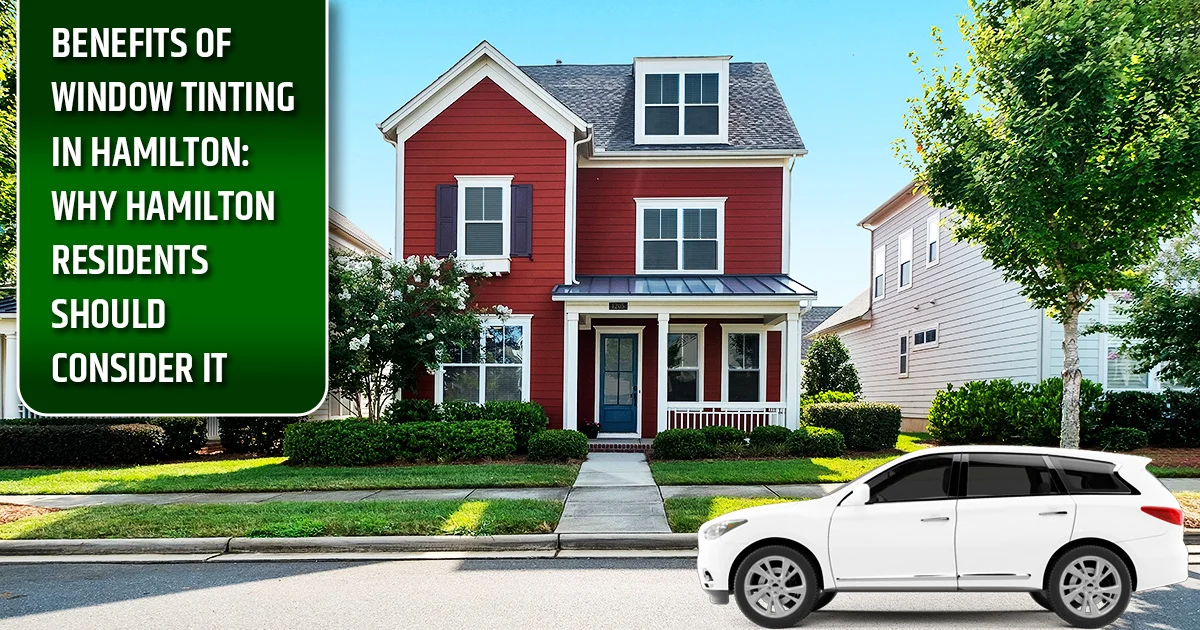
Benefits of Window Tinting in Hamilton: Why Hamilton Residents Should Consider it
25 Oct 2023, By AdminWhen it comes to enhancing the aesthetics, comfort, and overall functionality of your home or vehicle, window tinting can be a game-changer. Hamilton residents, in particular, can benefit from window tinting solutions that offer protection from harmful UV rays, increased privacy, and improved energy efficiency. In this blog post, we will explore the numerous benefits and advantages of window tinting in Hamilton, highlighting why it's a valuable investment for both homeowners and vehicle owners in the area.
1. Protection from Harmful UV Rays
Living in Hamilton means enjoying beautiful sunny days, but prolonged exposure to harmful UV rays can lead to skin damage and increase the risk of skin cancer. Window tinting provides an effective solution by blocking up to 99% of the sun's harmful UV rays. Whether you're at home or on the road, window tinting acts as a barrier, safeguarding you and your loved ones from these harmful rays. By reducing UV penetration, it also prevents furniture, flooring, upholstery and the interior of your car from fading over time.
2. Enhanced Privacy and Security
Privacy is a crucial aspect of any living space, and window tinting offers an excellent solution for maintaining a sense of privacy. With tinted windows, Hamilton residents can enjoy an added layer of protection against prying eyes. Whether you live near a busy street or have nosy neighbors, window tinting can help create a more secure and comfortable environment by limiting the visibility into your home or vehicle.
3. Improved Energy Efficiency
Maintaining a comfortable indoor temperature is a challenge, especially during Hamilton's hot summers and cold winters. Window tinting can significantly contribute to improving energy efficiency by reducing the heat gain from sunlight in the summer and heat loss during the winter months. By regulating the temperature more effectively, window tinting helps to reduce reliance on air conditioning and heating systems, thereby lowering energy consumption and utility bills.
4. Glare Reduction for Increased Comfort
Glare from the sun can be irritating and even dangerous, especially while driving. Window tinting can significantly reduce glare, allowing for a more comfortable and safer driving experience. Additionally, tinted windows in your home can create a more pleasant living environment by minimizing the disruptive effects of direct sunlight on electronic screens, such as televisions, computers, and mobile devices.
5. Protection Against Shattered Glass
Accidents happen, and in the unfortunate event of a break-in or a vehicular collision, window tinting can provide an additional layer of protection. Tinted films are designed to hold shattered glass together, preventing it from scattering and reducing the risk of injury from flying glass shards. This added safety feature can give Hamilton residents peace of mind, knowing that their windows are reinforced with an extra level of protection.
In conclusion, window tinting offers numerous benefits for Hamilton residents, ranging from protection against harmful UV rays to increased privacy, improved energy efficiency, glare reduction, and enhanced safety. Whether you are a homeowner looking to enhance the comfort and aesthetics of your living space or a vehicle owner seeking to improve your driving experience, window tinting in Hamilton is a worthwhile investment.
With the advantages of window tinting, Hamilton residents can enjoy a more comfortable and secure living environment, while also reaping the long-term benefits of reduced energy consumption and lower utility bills. Consider reaching out to reputable window tinting professionals in Hamilton to explore the options available and make the most of the advantages offered by this versatile solution.
Dr. Tint & Wrap stands out as Hamilton's premier destination for flawless window tinting, ensuring top-notch service and unparalleled expertise. Experience the finest window tinting craftsmanship with Dr. Tint & Wrap, setting the benchmark for excellence in Hamilton and beyond.