Enhance Your Privacy and Security with Home Window Tinting
23 Dec 2023, By AdminIntroduction
Home Window Tinting is a process where a thin film is applied to the windows of a residence to reduce the amount of visible light, UV rays, and heat that enters the interior. This tinting film is typically made of polyester and can come in various shades. The primary purpose is to enhance privacy and security by limiting the view into your home from the outside.
What is Home Window Tinting, and how does it enhance privacy and security?
Home Window Tinting is a process where a thin film is applied to the windows of a residence to reduce the amount of visible light, UV rays, and heat that enters the interior. This tinting film is typically made of polyester and can come in various shades. The primary purpose is to enhance privacy and security by limiting the view into your home from the outside.
How does Home Window Tinting contribute to privacy at home?
Home Window Tinting provides an additional layer of privacy by obstructing the view into your home. It allows you to enjoy natural light without compromising your privacy, making it difficult for outsiders to see the interiors of your house. This is especially beneficial for ground-level windows and homes in close proximity to neighbors or busy streets.
Can Home Window Tinting protect against harmful UV rays?
Absolutely! One of the significant benefits of Home Window Tinting is its ability to block a significant portion of harmful UV rays. This not only helps in safeguarding your skin from potential damage but also prevents fading and deterioration of your furniture, flooring, and other belongings due to prolonged exposure to sunlight.
How does Home Window Tinting contribute to energy efficiency?
Home Window Tinting can help regulate the temperature inside your home by reducing the amount of heat that enters through the windows. This means less reliance on air conditioning during hot days, resulting in energy savings. It acts as an insulator, keeping your home cooler in the summer and warmer in the winter, thus contributing to overall energy efficiency.
Are there different types of window tinting available for homes?
Yes, there are various types of Home Window Tinting films available. These include reflective, dyed, and ceramic films. Reflective films are excellent for blocking heat, while dyed films are more for privacy. Ceramic films, on the other hand, offer a good balance between heat rejection and maintaining natural light.
How does Home Window Tinting enhance security?
Home Window Tinting enhances security by adding an extra layer of protection to your windows. The film makes it more difficult for burglars to see inside your home, making it less likely that they will attempt a break-in. Additionally, the film can hold shattered glass together in case of breakage, reducing the risk of injury and making it harder for intruders to gain access.
Does Home Window Tinting require special maintenance?
Home Window Tinting is relatively low maintenance. Cleaning the tinted windows is similar to cleaning regular windows—mild soapy water and a soft cloth are usually sufficient. However, abrasive cleaning materials should be avoided to prevent damage to the tinting film. Regular cleaning helps maintain the effectiveness and appearance of the tinting over time.
Enhancing privacy and security through Home Window Tinting is a practical and effective solution for homeowners, offering a range of benefits beyond just aesthetic appeal. By considering the type of tinting film and hiring professionals for installation, you can create a more comfortable and secure living environment for your family.
In conclusion, home window tinting is a versatile solution that offers a range of benefits beyond aesthetics. From enhancing privacy and security to protecting against UV rays and improving energy efficiency, the advantages are numerous. Consider investing in home window tinting to create a secure, comfortable, and energy-efficient living space that aligns with the demands of the modern world. Take the first step towards transforming your home into a haven of privacy and security by exploring the possibilities of home window tinting today.
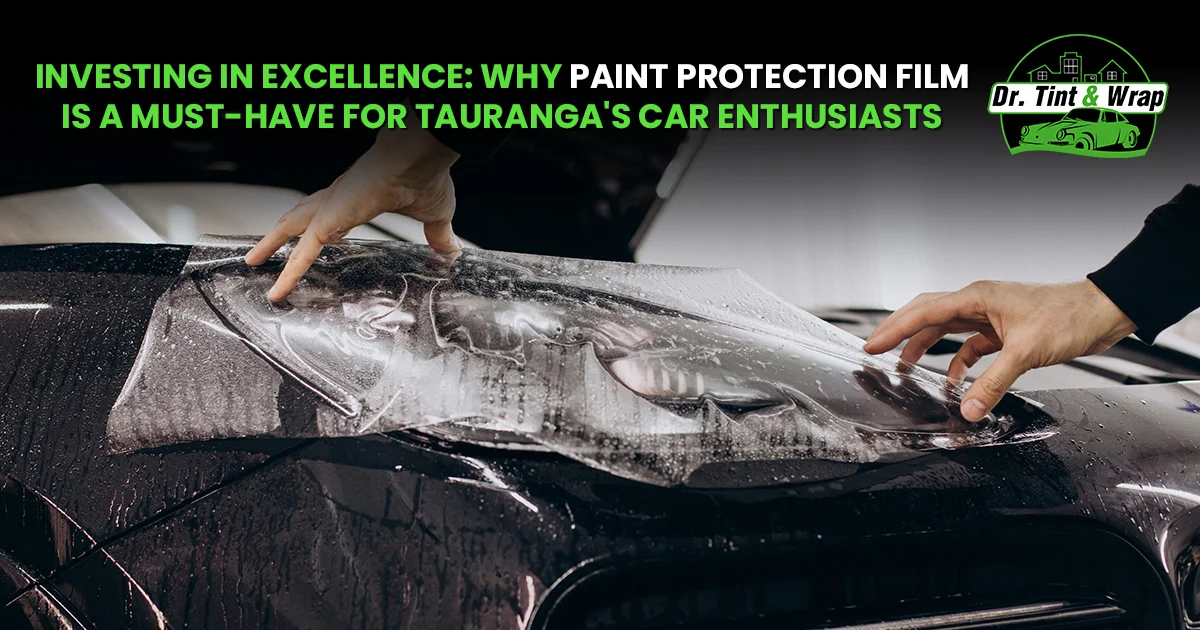
Investing in Excellence: Why Paint Protection Film is a Must-Have for Tauranga's Car Enthusiasts
23 Dec 2023, By AdminTauranga, a city known for its scenic beauty and vibrant culture, is also home to a passionate community of car enthusiasts. These individuals take great pride in their vehicles, treating them not just as modes of transportation, but as extensions of their personality and style. With the salty coastal air and unpredictable weather conditions, protecting a vehicle's exterior becomes a top priority for car owners in Tauranga. This is where Paint Protection Film (PPF) comes into play, offering an unmatched solution to preserve the pristine appearance of these cherished automobiles.
The Power of Paint Protection Film in Tauranga
Paint Protection Film, often referred to as a "second skin" for cars, is a transparent, high-performance layer that shields a vehicle's paint from various external threats. The unique climate conditions in Tauranga, including the salty sea breeze and intense UV radiation, can wreak havoc on a car's exterior finish over time. PPF acts as a robust barrier, safeguarding the paint against these environmental factors while maintaining the vehicle's showroom-like shine.
1. Battle against Salt and Sand: Tauranga's proximity to the ocean brings along the challenge of salt-laden air that can corrode a car's paintwork. Paint Protection Film forms an impermeable shield against salt, sand, and other debris, preventing them from causing unsightly chips, scratches, and erosion.
2. UV Radiation Defense: The New Zealand sun is beautiful but intense, causing paint colors to fade and lose their vibrancy over time. PPF incorporates UV inhibitors that protect the vehicle's paint from fading, ensuring that it retains its original brilliance even after prolonged exposure to sunlight.
3. Resilience against Weather Extremes: Tauranga is known for its rapidly changing weather patterns, which can include heavy rain, strong winds, and even hail. PPF acts as a barrier against these weather extremes, safeguarding the paint against potential damage and maintaining the car's polished appearance.
4. Maintaining Aesthetic Value: Car enthusiasts in Tauranga take immense pride in the appearance of their vehicles. PPF's transparency ensures that the underlying paint's color and gloss remain unchanged, allowing car owners to exhibit their automobiles in all their splendor.
5. Preserving Resale Value: For many car enthusiasts, their vehicles are not just a passion but also a valuable investment. Applying PPF helps maintain the vehicle's resale value by preventing paint damage that can negatively impact its market worth.
The Process of Applying Paint Protection Film
Applying Paint Protection Film requires precision and expertise. Professional installers in Tauranga have mastered the art of fitting PPF seamlessly onto a vehicle's surface, ensuring no visible lines or bubbles. The process involves meticulous cleaning, prepping, and precise application to provide comprehensive protection.
In a city where car enthusiasts take pride in their vehicles, investing in Paint Protection Film is a wise choice. Tauranga's unique climate and environment pose challenges to maintaining a car's exterior appearance, making PPF an essential accessory for those who want to preserve the showroom-like shine of their automobiles. With its ability to withstand salt, sand, UV radiation, weather extremes, and more, PPF ensures that Tauranga's car enthusiasts can continue to showcase their passion for cars while driving through the city's picturesque landscapes. So, if you're a car enthusiast in Tauranga, consider PPF not just as a protective layer, but as a testament to your commitment to excellence in automotive care. Dr. Tint & Wrap in Tauranga is your trusted destination for top-notch Paint Protection Film (PPF) services, ensuring your vehicle's exterior remains shielded from Tauranga's challenging climate while preserving its flawless finish. With expert installation and a commitment to excellence, Dr. Tint & Wrap offers the ultimate solution for car enthusiasts seeking superior protection for their prized vehicles.

What You Should Know Before Tinting Your Car
23 Dec 2023, By AdminCar window tinting is a popular modification for vehicles, offering a range of benefits from aesthetic enhancements to practical advantages. However, before you jump into tinting your car windows, there are several important factors to consider. In this blog, we will explore everything you need to know to make an informed decision about car window tinting.
Benefits of Car Window Tinting
- UV Protection: One of the primary benefits of car window tinting is the protection it offers against harmful ultraviolet (UV) rays. Quality window tints can block up to 99% of UV rays, which can protect your skin from damage and reduce the risk of skin cancer. Additionally, it helps in preserving your car’s interior by preventing fading and cracking caused by sun exposure.
- Heat Reduction: Car window tinting can significantly reduce the heat inside your car by blocking a substantial amount of solar energy. This can make your driving experience more comfortable, particularly during hot summer months, and reduce the need for excessive air conditioning, potentially improving fuel efficiency.
- Enhanced Privacy and Security: Tinted windows provide increased privacy by making it harder for outsiders to see inside your vehicle. This can deter potential thieves by concealing valuables from prying eyes. Furthermore, in the event of an accident, the tint film can hold shattered glass together, reducing the risk of injury.
- Improved Aesthetics: Many car owners choose to tint their windows to enhance the look of their vehicles. Tinted windows can give your car a sleek, sophisticated appearance that sets it apart from others on the road.
Before you proceed with car window tinting, it’s crucial to understand the laws and regulations in your area. Tinting laws vary widely by state and country, dictating the permissible level of tint darkness and reflectivity. Violating these regulations can result in fines and may require you to remove the tint.
Visible Light Transmission (VLT)
The level of tint is measured by the percentage of visible light that passes through the window, known as Visible Light Transmission (VLT). For example, a 50% VLT tint allows 50% of light to pass through, whereas a 5% VLT tint (often referred to as "limo tint") only allows 5% of light through. Check your local laws to determine the legal VLT percentages for your front, rear, and side windows.
Medical Exemptions
Some jurisdictions allow for medical exemptions, permitting darker tints for individuals with specific health conditions that necessitate reduced sun exposure. If you believe you qualify, consult with your local DMV or relevant authority to understand the application process and required documentation.
Types of Window Tint Films
Choosing the right type of tint film is crucial for achieving the desired results. Here are the main types of window tint films available:
- Dyed Window Tint: Dyed window tint is the most cost-effective option. It involves applying a layer of dye between an adhesive layer and a protective top coating. While it provides a darker appearance, it may not offer the same level of heat reduction as other types.
- Metalized Window Tint: Metalized tint contains tiny metallic particles that reflect heat and UV rays. This type of tint is more durable and effective at heat reduction compared to dyed tints. However, it can interfere with electronic signals, such as GPS and mobile phone reception.
- Hybrid Window Tint: Hybrid tints combine dyed and metalized layers, offering a balance of affordability, heat reduction, and minimal signal interference. This makes it a popular choice for many car owners.
- Ceramic Window Tint: Ceramic tint is a premium option that uses ceramic particles to block heat and UV rays. It provides excellent performance without interfering with electronic signals. While more expensive, ceramic tint offers superior durability and clarity.
- Carbon Window Tint: Carbon tint contains carbon particles that effectively block infrared light, reducing heat without compromising visibility. It is highly durable and does not fade over time, making it a long-lasting investment.
Professional Installation vs. DIY
While DIY tint kits are available, professional installation is recommended for the best results. Experienced installers have the tools and expertise to apply the tint smoothly, without bubbles or imperfections. Professional installation also often comes with a warranty, providing peace of mind in case of any issues.
Maintenance Tips
To ensure your car window tint lasts as long as possible, follow these maintenance tips:
- Wait Before Cleaning: After installation, wait a few days before cleaning your windows to allow the tint to fully cure.
- Use Gentle Cleaners: Avoid ammonia-based cleaners, as they can damage the tint film. Instead, use a mild, non-abrasive cleaner and a soft cloth.
- Be Mindful of Edges: Be careful when cleaning the edges of the tinted windows to prevent peeling or lifting of the film.
Conclusion
Car window tinting Car window tinting offers numerous benefits, from protecting your health and enhancing your car’s appearance to improving comfort and security. By understanding the legal requirements, choosing the right type of tint, and opting for professional installation, you can enjoy the many advantages of tinted windows while avoiding potential pitfalls. Whether you’re seeking UV protection, heat reduction, or a stylish upgrade, car window tinting is a worthwhile investment for any vehicle owner.

How Long Does Car Wrapping Last
23 Dec 2023, By AdminIntroduction
Car wrapping has become an increasingly popular method for vehicle customization, allowing car owners to express their style and protect their vehicles' original paint. However, like any automotive enhancement, car wrapping is not a permanent solution. In this blog, we'll delve into the factors that influence the longevity of car wrapping and answer the burning question: How long does car wrapping last?
Understanding Car Wrapping
Car wrapping involves applying a thin, adhesive vinyl film to the exterior of a vehicle. This vinyl can come in various colors, patterns, and finishes, providing car owners with a versatile and cost-effective alternative to traditional paint jobs. Car wrapping is known for its ability to protect a vehicle's paint from scratches, stone chips, and other environmental damage while allowing for easy removal or color changes.
Factors Influencing Car Wrap Longevity
- Quality of Materials: The longevity of a car wrap heavily depends on the quality of the materials used. High-quality vinyl films with UV-resistant properties tend to last longer and maintain their appearance over time. Cheaper, low-quality materials may deteriorate more quickly, leading to premature discoloration and peeling.
- Installation Skill: Proper installation is crucial for the durability of a car wrap. Professional installers with experience and skill ensure that the vinyl adheres uniformly, avoiding air bubbles, wrinkles, and edge lifting. Poor installation can significantly reduce the lifespan of the wrap.
- Environmental Factors: The environment in which a vehicle is driven and parked plays a vital role in how long a car wrap lasts. Harsh weather conditions, exposure to extreme temperatures, and prolonged sunlight exposure can accelerate the wear and tear of the vinyl. Regular exposure to elements like salt, bird droppings, and tree sap can also affect the wrap's longevity.
- Maintenance and Care: Proper maintenance and care are essential for maximizing the lifespan of a car wrap. Regular washing with mild soapy water, avoiding abrasive cleaners, and keeping the vehicle sheltered when possible can contribute to preserving the wrap's appearance.
- Intended Use: The intended use of the vehicle can impact the longevity of the car wrap. Vehicles used for daily commuting and exposed to heavy traffic may experience more wear than those used less frequently. Similarly, off-road or adventurous driving may increase the likelihood of damage to the wrap.
Signs of Aging and When to Replace
- Fading: One of the most common signs of an aging car wrap is color fading. This is often a result of prolonged exposure to sunlight.
- Peeling or Lifting: If the edges of the wrap start to lift or peel, it's an indication that the adhesive is losing its effectiveness, and the wrap may need replacement.
- Cracking or Wrinkling: Over time, the vinyl may develop cracks or wrinkles, affecting both the aesthetic appeal and the protective function of the wrap.
How long does car wrapping last?
Car wrapping longevity depends on various factors.
What signs indicate that a car wrap needs replacement?
Signs that a car wrap may need a replacement include:
- Fading: If the colors on the wrap start to fade or lose vibrancy, it may be time for a replacement.
- Peeling or Bubbling: The appearance of bubbles or peeling edges indicates that the adhesive is failing, and the wrap needs attention.
- Cracks or Tears: Physical damage, such as cracks or tears in the vinyl, compromises the effectiveness of the wrap and may necessitate replacement.
- Loss of Gloss: If the wrap loses its glossy finish and becomes dull, it may be a sign of wear and tear.
How much does it cost to replace a car wrap?
The cost of replacing a car wrap depends on various factors, including the size of the vehicle, the complexity of the wrap design, and the quality of materials used. On average, you can expect to pay a few thousand dollars for a full wrap replacement.